

Isla and the Happily Ever After
2,293-word summary 10 min read 339 pages in the book
- First published
- 2014
- Publisher
- Dutton
- Pages
- 339
- ISBN
- 9780525426578
- Series
- Anna and the French Kiss (#3)
Reading options
What's inside (9 sections)
I picked up Isla and the Happily Ever After on a rainy Saturday because I had missed the feeling of the first two books in this set and I wanted one more term in Paris with familiar faces. Stephanie Perkins published it in August 2014 with Dutton, and my reading follows the 339 page hardcover. It is the third book after Anna and the French Kiss and Lola and the Boy Next Door, and it finally gives Josh Wasserstein, the brooding artist boy who floated at the edge of those stories, a love story of his own. Isla Martin, a sixteen year old American junior who has loved him from afar for three years, is the narrator. I expected a light epilogue to the series. What I got was a much more private book about first love that actually has to survive separation, silence, and plans for college that do not line up.
Isla is a hopeless romantic in the way that feels true to sixteen. She believes in love before she has proof. She keeps a careful tally of every time Josh glances her way in the hallways of the School of America in Paris, called SOAP by everyone who goes there. Josh is a senior, talented at drawing, restless, kind in sudden flashes and then closed off for days. Everyone knows his family has money and his father is difficult. Isla knows all of this and loves him anyway, from a distance, with the fierce loyalty of someone who has rehearsed conversations in her head a hundred times.
The girl who loved from three rows back
Isla Martin arrives on the page as a younger sister in a busy house, the one who hangs back while her older sisters take up more air in the room. Perkins keeps the home life general on purpose, and that helps. What matters is that Isla feels small inside her own family and then small again at SOAP, where Anna Oliphant and Etienne St. Clair are now the golden couple everyone knows, and Lola Nolan and Cricket Bell are the creative pair with their costumes and inventions. Isla moves through that world as a junior who gets good grades, follows rules, keeps her head down, and writes private, yearning thoughts she would never say aloud. Her dorm room is neat to the point of control. Her bag is packed the night before. Those small habits tell you she manages worry by managing objects.
Her crush on Josh started when she was barely fourteen. She noticed him sketching in the courtyard, hair falling over his eyes, pencil moving fast, completely gone from the noise around him. For three years she collected moments. A shared laugh over a dropped book. A nod in the lunch line. A time he lent her his umbrella without a word and walked off in the rain. I recognized that kind of archiving. When you are young and shy, you store scraps because you have nothing else. Perkins writes those scraps well. Isla remembers which shirt he wore on which day. She remembers where he sat during assembly. She writes dates in the margins of her notebooks as if she is keeping evidence for a trial she will never call. She is embarrassed by how much she remembers, and also unwilling to let it go.
What makes this opening work is that Isla knows her crush is not healthy. She calls herself out. She tells her friend Kurt that she needs to stop. Kurt, who is steady and funny, tells her to talk to Josh like a person. Isla has turned Josh into a story in her head. She has not learned what wakes him at night or what he fears about his father.
Summer in Manhattan changes everything
The hinge of the book happens away from Paris, during the summer before Isla's senior year and Josh's final stretch at SOAP. Both end up in Manhattan. Isla is visiting family. Josh is in the city for art related reasons and family reasons that stay messy and adult. They run into each other near a bookstore, and because they are out of context, out of uniform, out of the hallway hierarchy, they actually talk. No bells are about to ring. No teacher is watching. That freedom changes the tone at once.
Perkins stages this section with a loose, wandering feel that I liked a lot. They walk. They get cheap food. They sit on curbs and on park benches. Isla, who has imagined this boy for years, finds that the real version is funnier and sadder than she planned. Josh talks about his father with a flat voice that tells you how much it costs to keep it flat. He talks about drawing as the one place where his head quiets.
There is a first kiss in Manhattan that feels earned because it comes after conversation, not before. Isla flies back to Paris with a secret smile and a phone full of messages. Josh sends her sketches. She sends him long emails she rewrites three times. The distance makes her brave.
I should note here that the Manhattan section leans on coincidence. Romance runs on coincidence, and this series has always run on it, from Anna meeting St. Clair in the same dorm to Lola living next door to Cricket. If you accept the premise, the scenes pay off. I accepted it because the dialogue in these chapters is specific.
Senior year at SOAP, together at last
When school resumes at the School of America in Paris, Isla is now a senior and Josh is still there, and for a sweet stretch they are actually a couple in the open. They hold hands in the courtyard. They study together in the library with his sketchbook open beside her history notes. They have lunch with Anna and St. Clair and with Lola and Cricket. Those cameo scenes work because they are brief.
Perkins also does a good job with Paris as a place where teens actually live day to day. There are early morning metro rides, strict dorm rules, weekend permissions, teachers who notice when you are distracted. Isla and Josh steal time between classes. One scene I kept thinking about has them in a stairwell, whispering, because that is the only private spot they can find.
Sex enters the story here in a way that feels honest for teens who love each other and are nervous. She writes about wanting and hesitating, about Isla worrying she will disappoint and Josh worrying he will press too hard. Isla decides what she wants on her own timeline. Josh respects it.
The trouble starts small, as it does in real senior years. Isla wants to plan. She is thinking about colleges in the United States and staying close to her sisters. Josh hates planning. His home life has taught him that plans collapse. When Isla asks where they will be in a year, he deflects with a joke. When she presses, he goes quiet.
When family trouble pulls Josh away
About midway through the school year, Josh is pulled away by a family crisis. Perkins keeps the details broad. His father is in serious trouble, the kind that involves lawyers and hushed phone calls, and Josh is summoned, then kept away. His phone goes dark for stretches. Isla checks her inbox between classes.
This separation is the best written part of the book for me because it shows how fast confidence can drain. Isla goes from a girl who walked hand in hand across the courtyard to a girl who replays every conversation for clues. Perkins captures that spiral without making Isla seem weak. You count hours. You draft texts you do not send.
Kurt is important here. He does not trash Josh to make Isla feel better. He brings her soup when she is sick with worry. Anna tries to help too, inviting Isla for tea and telling her that St. Clair once went silent for reasons that had nothing to do with her.
Josh, from what we later piece together, was not living a glamorous secret life while gone. He was stuck in apartments and offices, listening to his parents fight, being asked to take sides. When he finally resurfaces, he is thinner, angrier, less careful with words. He tells Isla some of what happened and hides the rest. She wants full honesty. He wants to be loved without having to explain.
Apart and forced to grow up
The breakup that follows is not a single slammed door. It is a slow leak. They miss calls. They argue about holidays and who will apply where. Isla, who once idealized Josh, starts to see the ways he shuts down when scared.
Isla's growth during this stretch is the heart of the novel, more than the kisses. She stops waiting by the phone and starts asking what she wants from her final year. She applies to colleges based on her own interests, not on where Josh might land. She spends more time with her sisters. She even speaks up in class, defending an interpretation of a novel that she would once have kept to herself.
There is a strong scene in the library where Isla deletes a long, pleading email she wrote at 2 a.m. and replaces it with three short sentences that state what she needs. When Josh replies with defensiveness, she does not chase. Perkins shows her crying into her pillow, then getting up for breakfast, then going to class.
Josh has his own learning to do off page, which is both a strength and a flaw. We hear that he is drawing again, not for school but for himself. But we do not see enough of those steps to feel them fully. When he starts reaching out again with steadier letters, I believed he meant them, but I wanted one full chapter in his head to trust the shift.
Telling the truth and choosing again
The reunion, when it comes, does not rely on a grand airport run, though there is travel and there is Paris rain that will satisfy romantics. It relies on talking. Isla tells Josh what she hid during their first happy months. Josh tells Isla what he hid during his absence. Those confessions are awkward. They interrupt each other. They apologize badly and then try again.
Perkins gives them a long conversation in a small room with a radiator that clanks and a window that looks onto a courtyard. It is just two teens who love each other deciding if love is enough without honesty, and deciding it is not. They agree to tell the truth faster, even when it is ugly. They agree that college choices must work for both partners, rather than only for staying together.
The final chapters show them together but not fused. Isla goes to her exams with her own goals. Josh applies to art programs that fit his work. They still hold hands. But they also spend evenings apart with their own friends. The last image that stayed with me was simple. Isla sketching badly while Josh laughs and corrects her grip on the pencil.
What sings and what sags
What sings here is voice. Isla sounds like a bright, anxious seventeen year old who reads a lot and feels a lot. Her humor is dry and aimed mostly at herself. Paris feels lived in rather than postcard pretty, though the pretty is there when needed. The friend group adds warmth without stealing focus. Anna gives brisk, older sister counsel. Cricket offers quiet proof that artistic boys can learn to show up. Kurt holds the line as the friend who stays when romance wobbles. Love that lasts is not love that never fights. It is love where both people say what they need and hear what the other says.
What sags will bother some readers more than others. First, the shape repeats the earlier books. Girl pines, boy notices, bliss, separation, reunion. After Anna and Lola, the beats feel familiar. Perkins varies the texture, Manhattan instead of Paris at the start, art instead of music or film, late night emails instead of chance meetings in cinemas, but the arc is the same. Readers who wanted a new structure will feel a sense of return rather than discovery. I felt it in the middle chapters most, where I could guess the next turn a few pages early.
Second, the stakes are thinner than in the first two books. Isla's central wound is shyness and a crush, plus a boyfriend family crisis that stays vague. That vagueness protects privacy but lowers tension. The book asks us to feel Isla's waiting more than his danger, and waiting, however well written, is quieter than peril.
Third, the ending rushes. After a long middle of separation and slow growth, the reunion and decisions about colleges arrive quickly. As it stands, we are told they will do better. I believe them because I like them, not because I saw them tested.
None of that kept me from finishing in two sittings and marking passages about the deleted email and the stairwell. At 339 pages in the August 2014 Dutton hardcover, this is a fast, warm read that closes the companion series with care. It is best for readers who loved Anna and the French Kiss for its banter and Lola and the Boy Next Door for its family heart. If you want to watch a shy girl learn to ask for what she wants and a restless boy learn to stay and speak, Isla and Josh will give you that, with Paris rain on the windows and friends waiting downstairs.
FAQ
When was Isla and the Happily Ever After published?
Stephanie Perkins published it in August 2014 with Dutton. The hardcover runs 339 pages and the ISBN is 9780525426578.
Is it part of a series?
Yes. It is book 3 after Anna and the French Kiss and Lola and the Boy Next Door, with Anna, St. Clair, Lola, and Cricket in cameos.
Who are Isla, Josh, and Kurt?
Isla Martin is the shy senior narrator, Josh Wasserstein is the artistic senior she loves, and Kurt is her steady friend at SOAP.
Similar books
More from Anna and the French Kiss first, then related titles.

Anna and the French Kiss
Anna Oliphant is sent to Paris boarding school and falls for Etienne while misreading Bridget and Matt.
3,262-word summary · 14 min read

Lola and the Boy Next Door
Costume maker Lola must choose between older Max and inventor Cricket while her two dads hold home steady.
2,045-word summary · 9 min read
Nick and Charlie: A Heartstopper Novella
Nick is off to university and Charlie is staying behind. One last summer to decide if first love can survive distance.
2,329-word summary · 10 min read

What Happened to Goodbye
Mclean has reinvented herself in four towns since her parents divorced. In Lakeview she uses her real name, and for the first time staying put becomes a choice.
2,796-word summary · 12 min read

Dumplin'
Willowdean Dickson enters her town's beauty pageant as a protest and discovers that confidence is harder to keep once she lets someone close.
1,922-word summary · 9 min read

I Kissed Shara Wheeler
Shara Wheeler kisses her rival Chloe Green at prom and disappears, leaving a scavenger hunt that forces Chloe to rethink everything she knew about her.
2,083-word summary · 9 min read

Amy & Roger's Epic Detour
Amy Curry has not driven since the crash that killed her father. With Roger at the wheel and a box of maps between them, a cross-country trip becomes a slow…
3,034-word summary · 13 min read

Dash & Lily's Book of Dares
Two lonely New York teenagers trade dares in a red notebook left at the Strand, falling for each other on the page before they meet.
2,228-word summary · 10 min read

Every Last Word
A girl with OCD finds poetry and friends who know her secrets.
2,434-word summary · 11 min read

The Upside of Falling
Two teens fake-date for a summer dare and end up facing grief, family secrets, and first love.
2,274-word summary · 10 min read

Since You've Been Gone
Shy Emily spends summer finishing her vanished best friend Sloane list of thirteen dares, finding Frank, Dawn, and courage.
2,566-word summary · 11 min read

The Statistical Probability of Love at First Sight
Hadley misses a flight, meets Oliver to London, and faces her father wedding in one day.
2,002-word summary · 9 min read

The Do-Over
Emilie relives awful Valentine Day with cheating boyfriend until Nick helps fix it.
2,071-word summary · 9 min read
Solitaire
Gloomy Tori Spring hunts school prank group Solitaire with odd Michael Holden while brother Charlie heals.
2,068-word summary · 9 min read

This Is Where It Ends
Four seniors face 54 minutes of terror when a gunman locks their Alabama high school. A minute by minute story of fear, loyalty, and loss.
2,510-word summary · 11 min read
Holding Up the Universe
Libby Strout reclaims high school after loss while Jack Masselin hides face blindness, until a cruel prank forces them to see each other.
2,979-word summary · 13 min read

Heartstopper: Volume Five
Nick and Charlie face exams and university distance while holding on.
2,057-word summary · 9 min read

Binding 13
Shy Shannon Lynch transfers to Tommen College for a fresh start and crosses paths with rugby star Johnny Kavanagh, sparking a slow friendship tested by injury,…
2,950-word summary · 13 min read

Chosen
Zoey juggles Erik, Heath and Loren as undead fledglings rise around Tulsa while Neferet schemes for full control of the school.
2,398-word summary · 11 min read

Perfect Chemistry
Perfect rich girl and gang tied boy tutor each other into love that must survive threats.
2,029-word summary · 9 min read

Always and Forever, Lara Jean
Senior year brings college letters, distance from Peter, and a dad wedding Lara Jean helps hold together.
2,037-word summary · 9 min read
Without Merit
Merit Voss feels invisible in a crowded converted church home until Sagan, Luck, and a painful night force the truth out.
3,300-word summary · 15 min read

Stargirl
Leo Borlock likes blending in until homeschooled Stargirl Caraway arrives at Mica High with a ukulele, a pet rat, and kindness that tests them both.
2,980-word summary · 13 min read

P.S. I Still Love You
Lara Jean juggles Peter, a video scandal, and a letter from an old crush.
2,737-word summary · 12 min read

Better than the Movies
A rom com obsessed senior hires her annoying next door neighbor to win her crush, then finds real love is messier and kinder than any movie plot.
2,438-word summary · 11 min read

Speak
After calling police at a party, ninth grader Melinda stops speaking until art helps her tell.
2,073-word summary · 9 min read

Heartstopper: Volume Two
Nick and Charlie test dating in Heartstopper Volume Two: coming out to family, a Paris trip, and Tao's doubts.
2,212-word summary · 10 min read
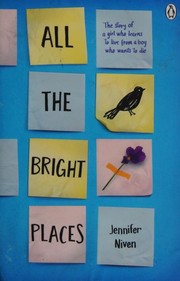
All the Bright Places
Grieving Violet and struggling Finch wander Indiana for a school project and each other.
2,208-word summary · 10 min read

Heartstopper: Volume One
Charlie and Nick go from rugby mates to something tender and true.
1,940-word summary · 9 min read

To All the Boys I've Loved Before
Lara Jean's secret love letters get mailed and she fake-dates Peter Kavinsky to dodge Josh.
3,683-word summary · 16 min read