
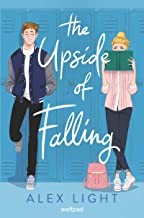
The Upside of Falling
2,274-word summary 10 min read 288 pages in the book
- First published
- 2020
- Publisher
- HarperTeen
- Pages
- 288
- ISBN
- 9780062918055
Reading options
What's inside (9 sections)
I started this book on a rainy afternoon expecting a quick teen romance, and I finished it past midnight with a tight chest. It looks like a fake dating story, and it is, but the romance sits inside a story about sick parents and the fear of leaving home. First published in 2020 by HarperTeen, at 288 pages in hardcover, it is a standalone debut that began on Wattpad. That origin shows in the fast chapters and plain talk, which suits the characters.
Becca is a high school senior who tells everyone she is fine. Her ex dumped her, her friends are moving toward graduation, and her dad is quiet in a way that worries her. She decides the fastest way to feel better is to make her ex jealous with a new boyfriend, even if she has to invent him. It is a shaky plan, and she knows it, but grief makes people grab at control.
Brett is the boy she picks, or rather the boy who overhears and agrees. He is also a senior, good at deflecting with jokes, and tired from caring for his mother who is ill. His home life runs on hospital schedules, missed shifts, and bills he should not have to think about at seventeen. He agrees to fake date Becca partly to help, partly because he needs somewhere else to be.
The dare and the deal
The setup is simple. Becca and Brett will pretend to date for a while. They make a list of summer style dares to post and to show off, things like picnic in the rain and late night drives and trying food they cannot pronounce. The list gives them excuses to spend time together without admitting they like the company.
Early scenes are light. They bicker about music, argue over who pays for fries, and learn each other's tells. Becca talks fast when nervous. Brett goes quiet and looks away when his phone buzzes with home news. Their friends react in mixed ways. Some cheer, some warn that fake dating always ends badly, which is true in books and often true outside them too.
What makes it work is that neither is lying about everything. Becca admits she is using the plan to cover hurt. Brett admits he wants a break from his house. That honesty inside a fake setup creates trust. They set rules, break small ones, and laugh when caught. The ex watches from a distance, less important than Becca expected, which feels right. Wanting to be seen often matters more than who sees.
School frames these weeks. Teachers talk about futures, applications, and leaving. Becca has not decided how far she wants to go. Brett has decided he cannot go far because his mother needs him, and he hates how that choice makes him feel both loyal and trapped. They do not solve this with speeches. They circle it while doing dares.
Families under strain
Becca's home is subdued. Her father works, cooks, and avoids hard talks. Her mother is gone in the way the book reveals slowly, and Becca carries guilt about needing more than her dad can give. She cleans when anxious and writes lists she does not follow. I recognized that kind of busy sadness.
Brett's home is louder with worry. His mother tries to keep routines normal. She asks about school, fusses over food, and hides pain. Brett tracks meds, drives to appointments, and tells friends his mom is okay when she is not. He loves her fiercely and resents the way illness shrinks his days. Both feelings sit together without canceling out.
The book handles caretaking without making it noble every minute. Brett snaps at his mother once and hates himself after. Becca forgets to call her dad back and then over apologizes. Small failures pile up. Light writes these moments in short scenes that end before they turn preachy. That restraint helps.
Friends add pressure and relief. Becca's best friend wants details and photos. Brett's friends tease him about being soft. Adults at school offer help in vague ways that teens do not take up. A counselor says doors are open, which is kind and useless when you have practice hiding.
The dare list keeps pulling them out of houses heavy with waiting. They go to a lake, a fair, a grocery at midnight for ice cream. Joy feels stolen and therefore sharper. I liked that the book lets them be happy for pages at a time without guilt lectures. Then the phone rings, and the weight returns, which is how it goes.
When pretending turns real
About a third in, the line blurs. Brett remembers how Becca takes her coffee. Becca notices when Brett's hands shake before he checks his phone. They start texting without a reason tied to the plan. The dares shift from show to habit. A rain picnic stops being content and becomes a memory they want for themselves.
Becca tries to slow it by naming it fake louder. She tells her friend it means nothing. She tells herself she is still hung up on her ex. None of it sticks because her body tells the truth. She looks for Brett in crowds. She saves him the last fry without thinking. Those small proofs are better than big declarations.
Brett pulls back first, not because he does not care but because caring feels risky when home is unstable. He cancels plans, answers short, and says school and family need him. Becca hears rejection and reacts with pride. She posts a photo meant to sting, then regrets it at once. The fight that follows is messy in a believable way, full of half sentences and wrong words.
They make up slowly, not with a grand run but with a ride to the hospital and sitting in a waiting room. Becca does not try to fix anything. She brings snacks, charges phones, and listens to a nurse explain schedules. Brett lets her stay, which for him is the apology. I found that section moving because help looks boring from outside and huge from inside.
Physical intimacy stays at kissing and holding, written with care for a teen audience. Consent is clear, pauses are respected, and awkwardness is allowed. That tone fits the book and makes the emotional risk feel larger than the physical one.
Grief, choice, and graduation
The last third leans into loss. Without giving away who lives or dies, the book forces both teens to face that love does not prevent decline. Brett's mother gets worse, then steadies, then worse again. Becca's dad finally talks about her mother and his own fear of being left by his daughter too. Those talks do not resolve neatly. They open doors.
Becca stops using jealousy as fuel. She tells her ex the truth, which is anticlimactic in a good way. He wishes her well and moves on. The real obstacle was never him. It was her fear that wanting more makes her disloyal to home. Naming that helps her apply to schools with a wider map, including one close enough to visit often and far enough to grow.
Brett faces a similar choice about staying or going. He meets with a teacher about aid and schedules. He learns he can train for work that pays and still help at home, though not without cost. The book does not pretend a scholarship solves caretaking. It shows forms, waiting lists, and relatives who promise help they may not give. That practical detail gives the romance weight.
Graduation scenes are brief and warm. Friends sign shirts, parents take photos, and the dare list gets finished in an ordinary way that feels earned. Becca and Brett do not promise forever. They promise honesty for now, which is braver at eighteen. The final pages leave them together but not fused, with plans that allow change.
What lands and what wobbles
The voice is the strength. Becca sounds seventeen without sounding written by committee. She repeats herself when scared, jokes when sad, and notices small things like chipped nail polish and hospital vending choices. Brett's chapters, where they appear, are quieter and a little guarded, which fits a boy used to holding news in.
Specifics help. The dare list, the car with a broken speaker, the lake dock, the nurse who knows Brett by name. These anchors keep the story from floating into generic teen romance. Family routines around meds and meals feel observed rather than researched from afar.
Fair criticism belongs here too. The middle relies on missed calls and delayed texts to create tension. Twice a simple message would have prevented a fight, and while that happens in real life, back to back it feels plotted. The ex storyline fades so fast that the opening motive loses force. Some readers may wish the book chose grief or romance and pressed harder on one.
Pacing also rushes near the end. Hospital updates come quick, decisions stack, and a few side friends vanish. I wanted one more scene with Becca's dad after his honest talk, and one more with Brett's mother when she is clear. The book gestures at those and moves to graduation.
School hallways and the ex who started it
Becca's school life deserves more attention than summaries give it, because much of the fake dating plays out between classes. Hallways, lunch tables, and parking lots are stages. Becca chose Brett partly because he is visible enough to be believed and distant enough not to ask for much. That cold math softens fast once they eat together daily.
Her ex, who felt huge in chapter one, shrinks with each week. He texts, then stops. He watches, then looks away. Becca expects triumph when he notices her with Brett. Instead she feels flat. That flatness teaches her something adults take years to learn. Jealousy is a poor fuel. It burns off and leaves you where you started, only more tired.
Teachers slip in with small kindnesses that do not fix much but matter. One lends Brett notes after absences without making him explain in front of class. Another lets Becca redo an assignment after a bad week at home. These are not big rescue scenes. They are the quiet accommodations that keep tired teens in school. I liked that Light includes them without turning teachers into saviors.
Friends test the couple in useful ways. Becca's best friend asks sharp questions about whether Brett is using her too. Brett's mate warns him not to lead Becca on while his home life pulls him under. Both warnings are fair, and both are ignored for a while, which is honest. At seventeen, advice from peers lands only after a fall.
The dare list works as a social shield. When people ask why they are together, Becca points to the list. It gives a story that stops follow up questions. Over time the list becomes a record instead of a shield. Crossing off items feels like proof they survived weeks that could have broken them separately. A photo booth strip, a gas station receipt, a song they both hate but sing anyway. Small paper proofs of care.
Care work in plain view
One reason this book stays with me is how it shows care work without glamour. Brett learns pharmacy hours, refill rules, and which nurse will answer questions after hours. He packs a bag with chargers, socks, and snacks because waiting rooms are cold. He does homework in chairs that hurt his back. None of this is described as heroic. It is described as Tuesday.
Becca learns to help without taking over. Early on she tries to solve things with money she does not have and plans Brett did not ask for. He snaps, she cries, and they reset with clearer limits. She can drive, sit, listen, and leave when family needs room. That learning curve feels true for anyone who has tried to help a grieving friend and got it wrong first.
Money stress sits under many scenes. Gas costs, parking fees, missed work shifts. Becca picks up extra hours where she can. Brett counts tips and aid forms. They fight once about who pays for food, which sounds small and is not. When funds are thin, every treat feels like a choice between joy now and safety later. The book does not solve this with a windfall. It lets them be broke and kind at once.
Illness also changes how they touch and talk. Brett flinches when his phone lights up during a date. Becca learns not to ask for instant replies. They build rituals for bad news days. Short walks, no big talks, early nights. Those rituals help more than advice. They give the body something to do while the mind waits for test results.
I also noticed how Light writes hospitals. Bright lights, soft shoes, machines that beep without meaning much to visitors. Staff are tired and mostly kind. Waiting families share outlets and silence. Brett knows where the good chairs are and which vending machine eats coins. Those details come from watching, not from a brochure, and they make the sad parts hit harder because the setting feels real.
Still, at 288 pages, it earns its tears without tricks. It respects teen caretakers, shows fake dating as a cover for real need, and lets joy and worry share pages. If you want steam or twists, look elsewhere. If you want a kind, sad, funny story about falling while life falls apart, this one delivers. Read it when you have tissues and time to text someone you miss after.
FAQ
When was The Upside of Falling published?
HarperTeen published The Upside of Falling in 2020. The hardcover runs 288 pages and is a standalone debut that started on Wattpad.
What is the fake dating setup?
Becca and Brett agree to fake date so she can make her ex jealous. The act turns real as they deal with sick parents and college fears.
Similar books

Dumplin'
Willowdean Dickson enters her town's beauty pageant as a protest and discovers that confidence is harder to keep once she lets someone close.
1,922-word summary · 9 min read
I Kissed Shara Wheeler
Shara Wheeler kisses her rival Chloe Green at prom and disappears, leaving a scavenger hunt that forces Chloe to rethink everything she knew about her.
2,083-word summary · 9 min read

Amy & Roger's Epic Detour
Amy Curry has not driven since the crash that killed her father. With Roger at the wheel and a box of maps between them, a cross-country trip becomes a slow…
3,034-word summary · 13 min read
Perfect Chemistry
Perfect rich girl and gang tied boy tutor each other into love that must survive threats.
2,029-word summary · 9 min read
All the Bright Places
Grieving Violet and struggling Finch wander Indiana for a school project and each other.
2,208-word summary · 10 min read

To All the Boys I've Loved Before
Lara Jean's secret love letters get mailed and she fake-dates Peter Kavinsky to dodge Josh.
3,683-word summary · 16 min read

What Happened to Goodbye
Mclean has reinvented herself in four towns since her parents divorced. In Lakeview she uses her real name, and for the first time staying put becomes a choice.
2,796-word summary · 12 min read

The Awakening / The Struggle
A popular high school girl falls for a vampire, then discovers that his dangerous brother wants her too, in the first two books of the Vampire Diaries series.
2,660-word summary · 12 min read

Sam's Letters to Jennifer
A grieving journalist reads her grandmother's letters and finds a decades-long love affair that changes how she sees her family.
2,310-word summary · 10 min read
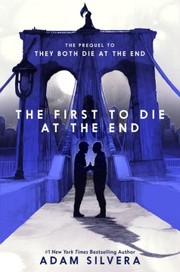
The First to Die at the End
On the night Death-Cast launches, a boy with a bad heart meets a model with everything ahead of him, and one of them gets the call.
2,908-word summary · 13 min read
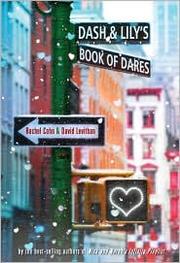
Dash & Lily's Book of Dares
Two lonely New York teenagers trade dares in a red notebook left at the Strand, falling for each other on the page before they meet.
2,228-word summary · 10 min read
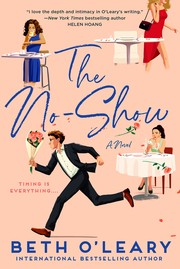
The No-Show
Three women are stood up on Valentine's Day by the same man, but the timeline is not what it seems. O'Leary's warmest book with a knife in it.
2,127-word summary · 9 min read

Someone Like You
Halley and her best friend Scarlett face a summer of grief, a surprise pregnancy, and Halley's dangerous first romance in Sarah Dessen's 1998 young adult novel.
2,218-word summary · 10 min read

The Sky Is Everywhere
Lennie grieves Bailey while torn between Toby and Joe.
2,251-word summary · 10 min read
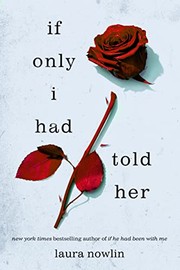
If Only I Had Told Her
Finn, Jack and Autumn speak after the crash that took one of them.
2,543-word summary · 11 min read
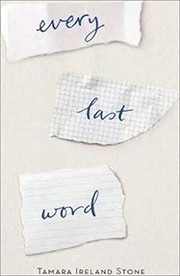
Every Last Word
A girl with OCD finds poetry and friends who know her secrets.
2,434-word summary · 11 min read
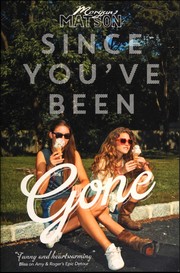
Since You've Been Gone
Shy Emily spends summer finishing her vanished best friend Sloane list of thirteen dares, finding Frank, Dawn, and courage.
2,566-word summary · 11 min read
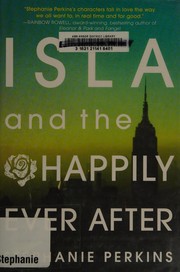
Isla and the Happily Ever After
Shy Isla Martin finally dates longtime crush Josh Wasserstein after a Manhattan summer and senior year at SOAP Paris, then learns love needs honesty to last.
2,293-word summary · 10 min read
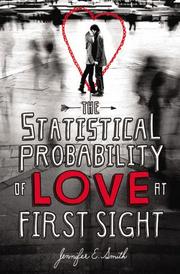
The Statistical Probability of Love at First Sight
Hadley misses a flight, meets Oliver to London, and faces her father wedding in one day.
2,002-word summary · 9 min read
The Do-Over
Emilie relives awful Valentine Day with cheating boyfriend until Nick helps fix it.
2,071-word summary · 9 min read
You've Reached Sam
After Sam dies, Julie calls his phone to hear his voicemail and he answers, forcing her to face grief and learn how to say goodbye.
2,887-word summary · 13 min read
This Is Where It Ends
Four seniors face 54 minutes of terror when a gunman locks their Alabama high school. A minute by minute story of fear, loyalty, and loss.
2,510-word summary · 11 min read
The Switch
A burned-out consultant and her 79-year-old grandmother swap London and Yorkshire homes for two months, facing grief, dating apps, and village politics.
2,782-word summary · 12 min read
Nick and Charlie: A Heartstopper Novella
Nick is off to university and Charlie is staying behind. One last summer to decide if first love can survive distance.
2,329-word summary · 10 min read
Me and Earl and the Dying Girl
A self-protective Pittsburgh senior is pushed to befriend a classmate with leukemia, and a clumsy film with Earl changes all three.
2,773-word summary · 12 min read
Holding Up the Universe
Libby Strout reclaims high school after loss while Jack Masselin hides face blindness, until a cruel prank forces them to see each other.
2,979-word summary · 13 min read
The Keeper of Lost Things
An old writer collects lost objects and leaves the quest to his housekeeper.
1,934-word summary · 9 min read

Love & Gelato
After her mother dies, Lina spends a summer in Tuscany, follows a journal through Florence, and learns who Howard is.
2,768-word summary · 12 min read

Lola and the Boy Next Door
Costume maker Lola must choose between older Max and inventor Cricket while her two dads hold home steady.
2,045-word summary · 9 min read