
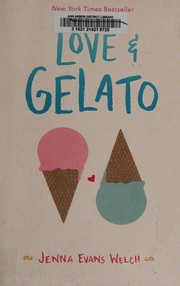
Love & Gelato
2,768-word summary 12 min read 400 pages in the book
- First published
- 2016
- Publisher
- Simon & Schuster Books for Young Readers
- Pages
- 400
- ISBN
- 9781481432542
- Series
- Love & Gelato (#1)
Reading options
What's inside (8 sections)
I picked up Love and Gelato on a rainy weekend because I wanted something light and sweet and set somewhere pretty. I expected a cute summer romance with a lot of ice cream and very little crying. I got the ice cream and the pretty streets, but I also got a story about grief that hit me harder than I thought it would. This is the first book in the Love and Gelato series, published in 2016 by Simon and Schuster Books for Young Readers, 400 pages, ISBN 9781481432542, and it follows sixteen year old Lina as she spends a summer in Italy after losing her mom.
If you have ever lost someone and had to keep living in a place that did not feel like home, a lot of this book will feel familiar. It is warm and funny and romantic, but it is also sad in that specific teenage way where everything feels huge because it is happening for the first time while you are already hurting.
A Goodbye I Did Not See Coming
Lina, full name Carolina, starts the book in Seattle after the death of her mother, Hadley. Hadley was young, creative, funny, the kind of mom who felt more like a close friend and a partner in crime. She dies of pancreatic cancer, and Lina is left gutted and angry and completely unmoored. There is no dad in the picture, no big extended family plan, just grief and paperwork and a last wish from her mom that Lina cannot quite understand.
Hadley asks Lina to spend the summer in Tuscany with a man named Howard Mercer. Lina has never met him. She has never even heard his name until now. She does not want to go. She wants to stay with her best friend, finish out her normal life, and be sad in her own room.
I liked this opening because Welch does not rush it. Lina is not brave or excited about Italy. She is resentful. She gets on the plane feeling like her mom has given her one final confusing homework assignment. That felt real to me. When you lose a parent as a teen, you do not suddenly become wise and open hearted. You get mad at them for leaving, even for the things they tried to set up to help you.
So Lina lands in Italy with a suitcase, a phone full of American contacts, and zero interest in having a life changing summer.
Meeting Howard and Learning to Live in Tuscany
Tuscany in this book is not a postcard at first. It is hot, it smells different, the light is too bright, and Lina does not speak the language well enough to feel smart. Howard lives at a memorial for American soldiers from World War II, a quiet, green, carefully kept place with a small house and a lot of history. He is polite but awkward, older, kind in a stiff way, and completely unsure how to talk to a grieving teenager who clearly does not want to be there.
Their first scenes together are painfully uncomfortable in a good way. Howard tries. He makes space for her, shows her her room, explains how things work, gives her freedom. Lina answers in short sentences. She assumes he is just some old college friend of her mom doing Hadley a favor. She has no idea that Howard is actually her father.
Welch lets that truth sit for a while, which I appreciated. Howard does not walk in and announce himself with a big speech. He waits, partly because he is scared, partly because he does not know if Lina knows, partly because he is grieving Hadley in his own quiet way. You can tell he loved Hadley once and never fully got over it. You can also tell he has built a very contained life at the memorial, where everything has a rule and a schedule, and now this sad, sarcastic American girl has dropped into the middle of it.
The Tuscany details are what kept me reading in this middle part. Morning bread and coffee, wasps on the windowsills, laundry lines, the cemetery rows, the little town with shops that close in the afternoon, the endless search for good gelato. Lina slowly learns how to order food, how to ride her bike around, how to be bored in a new way. There is a funny stretch where she tries flavor after flavor and takes her gelato opinions very seriously. I loved that. It is such a teen thing to hold onto, to decide that if your whole life is out of control, at least you can have strong feelings about stracciatella versus pistachio.
Some days grief feels like a locked room, and then Italy kept leaving little windows open for Lina whether she wanted them or not.
That slow softening is the heart of the Tuscany section. Lina does not forgive her mom overnight. She does not bond with Howard overnight. She just starts noticing things. The light. The kindness of strangers. The fact that Howard remembers how she takes her tea even when he forgets how to ask about her day.
Ren Next Door and Thomas With the Smile
No summer book would be complete without new people, and Lina meets two boys who change the shape of her summer. Ren lives nearby with his family. He is Italian and American, funny, warm, a little nerdy in the best way, and he works at the memorial with Howard. Thomas is Ren's best friend, handsome and confident and easy to talk to, the kind of boy who makes you laugh before you even know his last name.
At first Lina is drawn to Thomas. Of course she is. He is charming, he pays attention to her, he feels safe because he is also a bit of an outsider to the heavier stuff she is carrying. They flirt, they text, they hang out in that loose summer group way where everyone is always getting gelato or going swimming or finding a reason to stay out late. Ren is there too, teasing her, showing her around, translating when she gets stuck, but for a while he reads as just a friend. The fun neighbor kid.
I have to be honest here, because this is where my fair criticism starts. The Thomas versus Ren setup is very classic love triangle, and if you have read a lot of young adult romance, you will see where it is going pretty early. Thomas is almost too perfect at first, and Ren is almost too clearly the better match. There are a few scenes where Lina ignores obvious red flags because she wants a simple crush to distract her from missing Hadley. That frustrated me. I wanted to shake her and say, look closer.
But on a reread, that frustration makes sense for her age and her grief. When you are sixteen and your mom just died, you do not pick the person who will help you grow. You pick the person who makes you feel normal for an hour. Thomas makes her feel like a regular girl on vacation. Ren makes her feel seen, which is scarier. Welch gets that difference right, even if the triangle itself is familiar.
Ren slowly becomes my favorite. He does not push. He brings her into his family meals, jokes with her about language fails, remembers little things she says. There is a sweetness to how he gives her space to be sad without trying to fix it. And Thomas, well, Thomas turns out to be more complicated than his smile. I will not spoil every beat, but let us just say not everyone in a summer romance is who they pretend to be when the sun is out.
Hadley Young Again and the Journal
The turn that lifts this book from cute to memorable is Hadley's journal. Before she died, Hadley gave Lina a journal she kept when she was a student living in Italy as a young woman. Lina does not open it right away. She is angry, and reading her mom's happy young voice feels like too much.
When she finally starts reading, the book splits into two summers. One is Lina's present, hot and confusing and full of boys and gelato. The other is Hadley's past, told in journal entries full of art school friends, cheap apartments, late nights in Florence, first love, bad decisions, and big dreams. Young Hadley is impulsive and bright and a little reckless. She falls hard, she messes up, she laughs a lot, she worries about money and school and what kind of artist she wants to be.
Lina realizes the journal is more than memories. Hadley left little prompts and clues, almost like a scavenger hunt. Go here. Find this. Talk to this person. It is Hadley's way of still parenting from far away, of saying, I cannot show you Italy myself, so let my younger self do it.
This is where Ren becomes essential. He helps Lina decode entries, figure out addresses, ride trains, ask older shop owners if they remember a girl from years ago. The journal leads them all over, but especially to Florence, with its bridges and museums and tiny streets that all look the same until suddenly you turn a corner and see something that makes your breath catch.
I loved these scenes. Following the journal gave Lina a mission, which is exactly what a grieving kid needs. Grief without a task can feel endless. Grief with a list, go to this bakery, find this fountain, ask about this photo, feels like you can move forward one page at a time. Welch writes Hadley's voice really well, playful and honest, and you start to understand why Howard loved her and why leaving Italy broke her heart.
The journal also slowly reveals the adult truth Lina missed as a child. Hadley did not just study in Italy. She lived a whole life there. She loved Howard. She got pregnant with Lina. She left. The reasons are messy, involving fear and youth and family pressure and timing, not one big villain moment. That messiness felt true. There was no clean explanation that would make Lina feel better, just two young people who loved each other and could not make it work at that time in their lives.
Florence, Trains, and Truths That Hurt
The Florence chapters are my favorite in the whole book, and they are where the plot moves fastest. Lina and Ren take day trips, follow journal clues to specific spots, meet people who knew Hadley, see photos of her mom laughing on a bridge twenty years younger. Florence feels alive here, crowded and romantic and a little overwhelming, full of students and tourists and artists and old men who remember everything.
There is a wonderful rhythm to these trips. Train ride in, getting lost, finding the place from the journal, comparing past and present, eating something on the steps of a church, arguing a little, laughing a lot. Ren and Lina get closer without it feeling forced. He teaches her Italian slang. She teaches him how to be a little more brave about his own photography and school plans. They start holding hands without deciding to. That in between stage, more than friends but not yet officially something, is written with a lot of care.
At the same time, the Thomas story gets harder. Without giving away every twist, Lina learns that Thomas has not been honest with her about his life and his intentions. What felt like a light summer fling suddenly has weight and consequences. There are jealous scenes, confused group hangouts, and one really uncomfortable confrontation that made me put the book down and walk around my kitchen. It is not tragic in a dark way, but it is the kind of betrayal that stings extra when you are already raw from loss. Lina has to face that she used Thomas as an escape, and Thomas used her too.
Back in Tuscany, things with Howard come to a head. Lina learns for certain that Howard is her father, not just her mom's old friend. The scene where they finally talk about it is quiet, not loud. Howard explains what happened with Hadley from his side, how young they were, how he did not know how to fight for her, how he thought staying away was what Hadley wanted. Lina is furious and relieved at the same time. Furious because she grew up without a dad and no one asked her what she wanted. Relieved because suddenly her mom's choice to send her to Italy makes sense. Hadley was giving her a father, even if it was late.
I cried a little here, I admit it. Not because it was dramatic, but because it was restrained. Howard does not beg for forgiveness. He just tells the truth and says he wants to know her now, if she will let him. Lina does not instantly call him Dad. She just starts letting him in, meal by meal, walk by walk through the memorial grounds.
If I have criticism of the Florence section, it is that everything resolves a bit neatly. People remember Hadley a little too perfectly. Clues line up a little too well. A couple of coincidences made me raise an eyebrow. But I forgave it because the emotional logic held. In real life you would not find every place from a twenty year old journal. In a novel about a girl looking for her mom, you need her to find enough to heal.
What Tuscany Gives and What It Cannot Fix
The last part of the book brings Lina back to Tuscany to decide what kind of ending she wants. Summer is ending. School back home is waiting. Howard is still there, still awkward, still trying. Ren is still there too, and now they have to say what they are to each other. Are they a summer thing? Are they something that can survive distance and real life?
Welch does not pretend grief ends. Lina still misses Hadley every day. She still gets angry at her mom for dying and for keeping secrets. She still wishes she had asked more questions when Hadley was alive. What changes is that Lina stops seeing Hadley as only Mom and starts seeing her as a person who was once young and scared and in love in Italy. That shift lets Lina forgive her a little, and forgive Howard, and forgive herself for being a mess all summer.
The romance ending is sweet without being too tidy. Lina and Ren choose each other, but they know it will be hard. There are promises, but they are teenage promises, honest and hopeful rather than forever and certain. Thomas gets a human goodbye, not a villain punishment. Friendships that formed around gelato runs and journal hunts feel like they might last, even if they change shape when everyone goes home.
What stays with me most is not the kiss or the big reveal, but the small Tuscany moments. Howard showing Lina his work caring for the graves, explaining the names and stories. Ren's family feeding Lina like she is already theirs. Lina finally eating gelato without feeling guilty for enjoying something while her mom is gone. That permission to feel joy after loss is the quiet theme of the whole book.
Is Love and Gelato perfect? No. The pacing drags a little in the middle when Lina is moping and refusing to open the journal. Some dialogue is very young adult cute in a way that made me smile and roll my eyes at the same time. The love triangle follows a path you can guess. Howard's emotional distance, while realistic, sometimes makes him feel thin until very late in the story. And if you want a deep dive into Italian history or art, this is not that book. Florence and Tuscany are lovingly described, but they are backdrop for feelings first, history second.
Still, I closed the 400 pages feeling warm. It is a friend retelling kind of book, the kind you press into someone's hands and say, read this when you need a hug and a plane ticket in your head. It takes grief seriously without becoming heavy, it treats first love as both silly and important, and it makes you want to call your mom, or remember her, and then go find the best gelato near you and eat it slowly in the sun.
FAQ
Do I need to know the series to enjoy this first book?
No. Love and Gelato 1 stands alone as Lina's summer with Hadley, Howard, Ren, Thomas, the journal, Florence, and Tuscany.
Is this book sad or mostly romantic?
Both. It starts with Hadley's death and grief, but much of the story is warm and romantic as Lina explores Italy and grows close to Ren.
Is it appropriate for younger teens?
Yes, for most readers twelve and up. There is kissing and talk of loss, but the tone stays gentle for young adult readers.
Similar books
More from Love & Gelato first, then related titles.
Amy & Roger's Epic Detour
Amy Curry has not driven since the crash that killed her father. With Roger at the wheel and a box of maps between them, a cross-country trip becomes a slow…
3,034-word summary · 13 min read
The First to Die at the End
On the night Death-Cast launches, a boy with a bad heart meets a model with everything ahead of him, and one of them gets the call.
2,908-word summary · 13 min read
The Little Paris Bookshop
A Paris bookseller who prescribes novels as medicine finally opens a twenty one year old letter from his lost love and sails south through France to find her.
2,050-word summary · 9 min read

Someone Like You
Halley and her best friend Scarlett face a summer of grief, a surprise pregnancy, and Halley's dangerous first romance in Sarah Dessen's 1998 young adult novel.
2,218-word summary · 10 min read

The Sky Is Everywhere
Lennie grieves Bailey while torn between Toby and Joe.
2,251-word summary · 10 min read
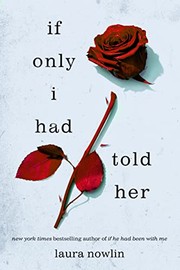
If Only I Had Told Her
Finn, Jack and Autumn speak after the crash that took one of them.
2,543-word summary · 11 min read
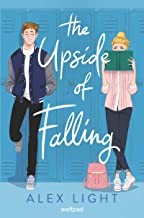
The Upside of Falling
Two teens fake-date for a summer dare and end up facing grief, family secrets, and first love.
2,274-word summary · 10 min read
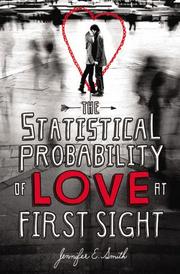
The Statistical Probability of Love at First Sight
Hadley misses a flight, meets Oliver to London, and faces her father wedding in one day.
2,002-word summary · 9 min read
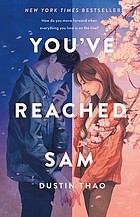
You've Reached Sam
After Sam dies, Julie calls his phone to hear his voicemail and he answers, forcing her to face grief and learn how to say goodbye.
2,887-word summary · 13 min read
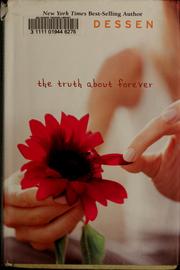
The Truth About Forever
A grieving teen trades a dull library summer for catering work and learns to let people in again.
2,088-word summary · 9 min read
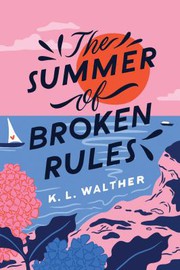
The Summer of Broken Rules
Meredith plays Assassin at Vineyard wedding a year after sister Claire died.
2,288-word summary · 10 min read
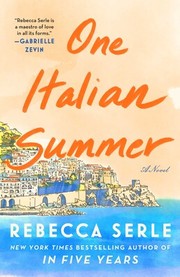
One Italian Summer
Grieving Katy meets her mother Carol at 30 in Positano and learns to see her as a young woman with wishes of her own.
2,399-word summary · 11 min read
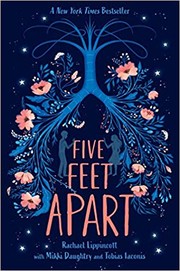
Five Feet Apart
Two teens with CF fall in love where six feet keeps alive and five tempts.
2,214-word summary · 10 min read
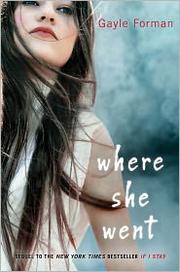
Where She Went
Three years after the crash, rock star Adam Wilde spends one night in New York facing Mia and their breakup.
2,942-word summary · 13 min read
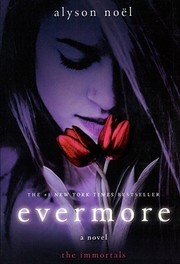
Evermore
Ever Bloom survives the crash that kills her family and meets Damen, whose touch quiets the psychic noise in her head.
3,604-word summary · 16 min read
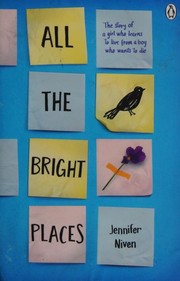
All the Bright Places
Grieving Violet and struggling Finch wander Indiana for a school project and each other.
2,208-word summary · 10 min read
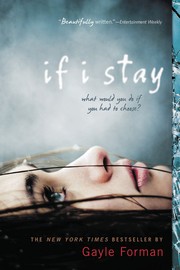
If I Stay
Mia Hall watches her body after a crash and must decide whether to live for Adam and cello.
3,907-word summary · 17 min read

What Happened to Goodbye
Mclean has reinvented herself in four towns since her parents divorced. In Lakeview she uses her real name, and for the first time staying put becomes a choice.
2,796-word summary · 12 min read
Love Letters to the Dead
A fifteen-year-old writes letters to dead artists because they cannot ask questions, and slowly tells the one story she has been hiding about her sister's…
2,520-word summary · 11 min read

Anatomy: A Love Story
In 1817 Edinburgh, a noblewoman who wants to be a surgeon disguises herself to study anatomy and falls for the grave robber who supplies her with bodies.
2,031-word summary · 9 min read

Vow of Thieves
Kazi and Jase return to Tor's Watch to find it occupied, and their marriage is tested by captivity, betrayal, and a war for the town of Hell's Mouth.
2,059-word summary · 9 min read
The Lost Sisters
Taryn Duarte writes a letter to her twin, Jude, explaining how she fell for Locke and why she stayed silent while he used them both.
1,914-word summary · 9 min read

Dumplin'
Willowdean Dickson enters her town's beauty pageant as a protest and discovers that confidence is harder to keep once she lets someone close.
1,922-word summary · 9 min read
Masquerade
After Cordelia's death, Schuyler flies to Venice to find her exiled grandfather, then returns to the Blue Bloods as they prepare for a masked ball and a hidden…
2,543-word summary · 11 min read

Archenemies
Nova steals for the Anarchists while Adrian hides his Sentinel identity, and a serum that erases prodigy powers puts them both at risk.
2,485-word summary · 11 min read

The Siren
Saved from a shipwreck in 1930, Kahlen becomes a siren who sings men to their deaths for the Ocean, until a boy in a college library makes her want a life she…
2,369-word summary · 11 min read

The Awakening / The Struggle
A popular high school girl falls for a vampire, then discovers that his dangerous brother wants her too, in the first two books of the Vampire Diaries series.
2,660-word summary · 12 min read
Cruel Beauty
A girl raised to kill the demon prince who rules her cursed land instead falls in love with him, in a retelling that mixes Beauty and the Beast with Bluebeard…
2,669-word summary · 12 min read
Cross My Heart and Hope to Spy
Cammie Morgan returns to Gallagher Academy for a second year of spy training, only to fall for a boy from a rival spy school and hunt a mole in her own school.
2,567-word summary · 11 min read
Carve the Mark
On a planet divided between conquered and conqueror, the tyrant's sister and a kidnapped oracle's son discover that their gifts make them useful to everyone…
2,340-word summary · 10 min read