
Five Feet Apart
2,214-word summary 10 min read 281 pages in the book
- First published
- 2018
- Publisher
- Simon & Schuster Books for Young Readers
- Pages
- 281
- ISBN
- 9781534437333
Reading options
What's inside (7 sections)
I read Five Feet Apart on a plane and cried quietly enough that my seatmate pretended not to notice. Rachael Lippincott published it with Simon and Schuster Books for Young Readers in 2018, a 281 page novel with ISBN 9781534437333. Stella and Will, teens with cystic fibrosis, fall in love in a hospital where they must stay six feet apart to avoid infections, then steal one foot back for themselves. It was written with Mikki Daughtry and Tobias Iaconis from their screenplay, and it reads like a film in prose, fast, visual, tearful. If hospital romances move you, this will. If they frustrate you with medical liberties, read with grace. Heart first, chart second.
Stella opens as organized to survive. Sixteen, CF, waiting for lungs, running her treatment schedule with apps, checklists, and a YouTube channel about illness. Her sister Abby died, her parents split under grief, control is how she loves the living. She color codes pills, times nebulizers, sanitizes. Nurses adore and worry. Then Will arrives, also seventeen, CF plus B. cepacia, a bacteria that makes him dangerous to other CF patients, tall, funny, drawing comics about being trapped. He refuses treatments that prolong without living. That refusal clashes with Stella's adherence from page one. She nags. He teases. Both are right and both are scared. Control versus freedom when bodies fail is the whole book in two people. Watch them teach each other without fixing. No one is fixed. That honesty matters more than romance. Chronic illness does not resolve with love. It continues. Love just makes continuing chosen.
The six feet rule, real in CF care to prevent cross infection, becomes both plot and metaphor. Stay apart to stay alive. Touch kills. For teens who want first love with touch, that cruelty is specific. A scene where Stella and Will measure with a pool cue, then lay it down to claim five feet, is the book's thesis in action. Steal a little closeness at risk. Is one foot worth possible infection. Medically, no. Emotionally, the book says maybe, which troubles doctors and thrills readers. Do not take medical advice from romance. The authors know and include nurse warnings. Read those warnings as part of story, not scolding. Rules protect. Longing breaks rules. Both true. Sit with tension rather than picking side. Real CF families live it daily without neat answers. Respect that reality while feeling fiction. Cry and learn. Do not copy. Talk to doctors about your own risks, not novels.
Will's B. cepacia status adds stakes that Stella's optimism cannot wave away. He is not eligible for transplant like she is. He will likely die young. He knows and jokes to cover. Drawing comics about hospital life, flirting with Stella to feel normal, skipping meds because future feels borrowed. That gallows humor will feel familiar to anyone who lived with grim prognosis. Laugh because crying all day exhausts. Stella's insistence that he try can read as nagging or as love, depending on page. I flipped. Sometimes she advocates. Sometimes she controls. The book lets both readings stand. Good. Caregivers and patients negotiate this line constantly. When does encouragement become pressure. Ask out loud in story and life. Will tells Stella when she crosses. She listens, slowly. That listening is love more than grand gestures. Hear no. Adjust. Stay.
Hospital as world
St. Grace hospital feels lived in rather than set like. Nurses Barb and Julie, tired and kind, enforce rules while bending with humor. They confiscate pool cue, return it, scold, hug. Their presence reminds that chronic illness care is labor by many, not just two teens. A scene where Barb finds Stella crying after a setback and sits without fixing, just holding a hand with gloves, broke me. Care as company, not cure. Anyone who worked nights in hospitals will recognize that posture. Sit, witness, chart later. The book honors staff without making them saints. They are overworked and human. They miss things. They apologize. That imperfection builds trust. Perfect hospitals feel fake. Tired ones feel true.
Poe, Will's friend and fellow patient, provides humor and heartbreak in equal measure. Gay, funny, on oxygen, frank about fear. He teases Will about Stella, covers for hallway meetings, then faces his own crisis that reframes romance. Without spoiling, say Poe's arc reminds that CF takes many, not just leads. His family scenes, parents who love fiercely and cannot stay, show different grief than Stella's. No villains. Just limits. When Poe declines, the book slows to sit. No montage. Just waiting rooms, vending machines, bad coffee. Those details will resonate with anyone who waited through nights. Time stretches. Jokes thin. Love shows as staying awake together. Stay awake with them. Do not skim these chapters for kisses. Kisses come. Waiting matters more. Learn to wait on page so you can wait in life. Practice here. It counts.
Abby's memory threads Stella's chapters with sister grief that predates Will. Abby died doing something brave and reckless, and Stella carries guilt for surviving. Flashbacks show sisters ice skating, fighting over sweaters, promising trips. Those ordinary memories hurt more than hospital drama because they are universal. Anyone with a sibling knows sweater fights. Loss makes them relics. Stella's parents, divorced and grieving differently, orbit her with worry that suffocates. Mom hovers. Dad withdraws. Stella manages both while managing lungs. That parent management will feel true to sick teens who become family managers too young. Be gentle with yourself if you recognize. You did what you could with air you had. The book says so without preaching. Hear it.
The film in prose style moves fast with short chapters alternating Stella and Will. Dialogue carries. Texts appear. Medical terms explained briefly. At 281 pages in the Simon and Schuster edition, it reads in a day. That speed suits breathless subject. Short breaths, short chapters. Do not expect lyricism. Expect clarity with feeling. Some descriptions repeat. Hospital smell. Beeping. Sanitizer. Repetition mimics stay. Accept and breathe through. If you want complex sentences about illness, pick other books. If you want a story that respects teens with CF while making room to cry, stay. Both needs valid. Choose tonight based on need. Tonight I needed cry. Got it. Thanked book. Moved on lighter, not cured. Good trade.
What strains
What strains is medical simplification for romance. Real CF care is stricter than five feet. B. cepacia protocols would prevent much contact shown. Lung transplant lists do not work as quickly as implied. Doctors have noted these liberties. Read author's note where they admit drama over protocol. Do not use book to judge real patients who follow rules. Fiction steals a foot. Reality must keep six. That boundary matters. Enjoy theft on page. Respect distance in wards. If you have CF, you already know. If you do not, learn without romanticizing. Illness is not meet cute. It is treatments at 5 a.m. alone. The book shows those dawns too, to credit. Pills counted. Vest shaking. Mucus. Unsexy and necessary. Honor those pages more than kisses. Kisses fade. Vest remains. Stay for vest chapters. They teach.
The ending, which I will outline without detailing to preserve tears, involves a choice about distance during crisis, a transplant call, and a separation that may be final. It aims for bittersweet rather than tragedy or miracle. Some readers call it manipulative, tears by design. Some call it honest, chronic illness means goodbyes. I cried and accepted. Without spoiling, say love does not cure lungs. Choices have costs. Stella chooses agency over obedience. Will chooses living over prolonging. Both choices hurt and honor. Keep tissues for last thirty pages. Do not read them before sleep unless you want puffy eyes. I did and paid. Worth it. Morning light helped. Call someone you love after. Breathe together while you can. That is the message under romance. Breathe together. Count feet only to know what you risk when you close gap. Then decide with eyes open. Stella and Will do. Do likewise in your own risks, medical or not. Eyes open. Hearts open too.
Who it is for
Read it if you like The Fault in Our Stars but want hospital romance with infection rules, if you like dual narration with humor, if you want a cry that respects illness. It is standalone, tied to 2019 film with Haley Lu Richardson and Cole Sprouse. Content includes chronic illness, medical procedures, death, grief, kissing, language. No graphic sex. Medical crises described without gore but with emotional intensity. Suitable for ages twelve and up who handle sadness, with care for illness and loss, and discussion about medical accuracy after.
Facts to cite are tidy. First published November 20, 2018 by Simon and Schuster Books for Young Readers. Edition runs 281 pages with ISBN 9781534437333. Author Rachael Lippincott with Mikki Daughtry and Tobias Iaconis from screenplay. No series. Tags that fit are young adult, romance, illness, hospital, grief.
I closed it breathing deeper on purpose, which sounds trite and felt real. Counted my own feet from loved ones in next room and walked to close gap without fear. Privilege of healthy lungs. Do not waste. Hug longer. Sanitizer can wait a moment when no infection threatens. Stella and Will cannot. Remember them when you hug freely. Gratitude as practice, not guilt. Breathe in. Breathe out. Thank air. Then live a little bolder for those who measure. That is enough homework for 281 pages. Do it today. No postponing. Air now. Love now. Five feet can wait. Close gap where safe. Hold.
Nurses and Poe
What stayed with me beyond the couple was the ward as workplace. Nurses Barb and Julie chart, scold, sneak extra pudding, enforce distance while hating it. Their tired humor steadies the 281 page Simon and Schuster edition with ISBN 9781534437333. A scene where Barb confiscates a pool cue used to measure five feet, then returns it with a wink, shows care inside rules. She knows teens will steal closeness. She chooses to witness rather than only punish. That discretion is real nursing. Protocols matter, people matter more in the moment. If you work in care, you know this negotiation. Chart truthfully. Bend kindly when safe. Document. The book honors that judgment without making staff saints. They miss cues. They get cranky. They apologize. Those apologies teach young readers that adults in charge also learn. Trust them more for admitting. I did. My own hospital memories softened after reading. The nurse who woke me at 4 a.m. for vitals was not cruel. She was keeping me alive on schedule. Thank her now in memory. If you can, thank yours in person. Bring cookies, not lawsuits, when safe. Gratitude heals both sides. Practice.
Poe's storyline deserves a second paragraph because he carries the book's hardest truth about CF. Funny, gay, on oxygen, frank about dying. He loves Will like brother and teases Stella like sister. When his turn comes, the book does not look away to keep romance center. It sits in his room with family photos and beeping. Will and Stella wait outside, helpless in a way that mirrors real friends of the dying. No grand speech fixes. Just presence through glass. Those pages will wreck readers who lost friends to illness. Let them wreck. Do not rush to Will and Stella kiss after. Sit in Poe room a little. Remember names of your own Poes. Say them aloud. Light a candle if that helps. The book makes room for that pause before resuming love story. Take room. Grief needs antechambers. Poe provides. Honor by pausing. Then return to couple with heavier heart and kinder eyes. Love feels more precious after loss. It is. Hold tighter where safe. Loosen where needed. Both. Learn timing from nurses. They know when to enter and when to wait outside. Watch. Copy. Good care is choreography. Practice steps. Miss sometimes. Apologize. Continue. That is ward wisdom for life too. Enter kindly. Wait when asked. Always ask. Hear answer. Good.
Talking about illness
If you discuss Five Feet Apart with teens, start with what it gets right about control and what it romanticizes about risk. Stella's checklists comfort. Will's refusal names fatigue. Both valid. Ask when control helps and when it harms. My reading group of mixed health split here in useful ways. Healthy teens admired Stella's discipline. Chronically ill teens recognized Will's exhaustion. Hearing both prevented judgment. Do not let discussion become compliance lecture. Illness management is personal and tiring. Respect fatigue while encouraging care. The authors, working from screenplay with Daughtry and Iaconis, admit in notes that they compressed timelines for film. Name compression openly. Real transplant waits last months, not days. Real B. cepacia rules forbid much shown. Naming gaps does not ruin romance. It protects readers who might copy. Say plainly what not to copy. Stealing a foot is fiction. Keeping six is care. Enjoy fiction. Practice care. Both can coexist when named. End talks with action. Learn CF basics from foundation sites. Donate if able. Write to Poe-like friends. Breathe together while you can. That moves book from tears to use. Use matters more than rating. Rate highly if moved, then act kindly. Act now. Air shared. Do not waste. Hold where safe. Release when asked. Good. Practice.
FAQ
When was Five Feet Apart published?
Simon and Schuster Books for Young Readers published it November 20, 2018. The edition runs 281 pages with ISBN 9781534437333.
Is Five Feet Apart part of a series?
No. It is standalone, tied to the 2019 film. Do not take medical protocol from romance; keep six in wards.
Similar books
More like Five Feet Apart →
The Summer of Broken Rules
Meredith plays Assassin at Vineyard wedding a year after sister Claire died.
2,288-word summary · 10 min read

Where She Went
Three years after the crash, rock star Adam Wilde spends one night in New York facing Mia and their breakup.
2,942-word summary · 13 min read

Evermore
Ever Bloom survives the crash that kills her family and meets Damen, whose touch quiets the psychic noise in her head.
3,604-word summary · 16 min read

A Monster Calls
A grieving boy is visited at 12:07 by a yew tree monster whose three tales force his hidden truth about his mother's illness.
3,353-word summary · 15 min read
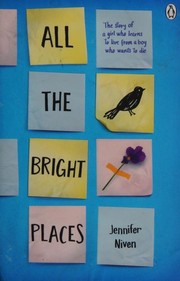
All the Bright Places
Grieving Violet and struggling Finch wander Indiana for a school project and each other.
2,208-word summary · 10 min read

Everything, Everything
Maddy, allergic to the world, falls for Olly next door and risks outside to test what is true.
2,045-word summary · 9 min read