
Reading options
What's inside (9 sections)
I did not plan to read a sequel to If I Stay. The first book felt finished to me, sad and closed, with Mia Hall waking up in a hospital bed and the rest left blank. Then a friend who plays guitar told me the second book flips the microphone around and lets Adam talk. That sold me. Gayle Forman published Where She Went in 2011 with Dutton Books, just over two hundred and sixty pages in the hardcover, and it picks up about three years after the crash. Mia is now a cello student turned rising player in New York. Adam Wilde is twenty one and famous in a way he never asked for. The whole story fits into roughly one night in Manhattan, with flashbacks filling in the gap.
What pulled me in right away is how different Adam sounds from Mia. Mia narrated the first book from a strange floating distance, calm even when things were terrible. Adam narrates this one from inside a loud head. He is tired, angry, funny in a sour way, and honest about stuff he does not look good admitting. He has panic on stage. He cannot sleep on buses or in hotels. He is rich now and followed by cameras, and he still feels like the kid from Oregon who borrowed his parents car to get to band practice.
If you have not read the first book, you can still follow this, but it hits harder if you know what came before. In If I Stay, Mia lost her parents Kat and Denny and her little brother Teddy in a car wreck on a snowy morning, then had to decide in the hospital whether to live. Adam sat by her bed and begged her to stay. She stayed. Then, after months of recovery, she left for Juilliard in New York and ended things with him. No long explanation. Calls went unanswered. Letters stopped. Three years of silence. That silence is what this book is about.
A rock star who cannot enjoy it
When we meet Adam again, his band Shooting Star has blown up. In the first book they were a local Portland band with buzz, playing clubs and hoping for a tour. Now they have toured the world and released an album called Collateral Damage that went huge, mostly because Adam wrote a set of brutal love songs about Mia leaving. Teen magazines print lyrics on posters. Radio plays the singles every hour. Strangers get his lyrics tattooed on their arms.
Adam hates talking about what the songs mean, which is understandable because every interview turns into therapy. He lives in Los Angeles now. He dates a young actress who is kind to him and used to cameras in a way he will never be. Paparazzi follow them to coffee shops. Fans wait outside his house. His bandmates are still his friends, but fame has changed the shape of it. They argue about set lists and money and time off. They worry about him because he sometimes freezes on stage with his guitar ringing out and his chest locked up.
I believed this part more than I expected to. Forman toured with bands as a journalist before she wrote novels, and it shows in small concrete stuff. The smell of clubs. The way soundcheck drags. The dumb hours in vans and airports. None of it feels glamorous. It feels itchy and loud and lonely. Adam has everything his seventeen year old self wanted, crowds singing his words back, and he would trade a lot of it for one normal dinner where nobody takes a photo.
There is also the question of who he wrote the songs for. He tells himself they were just writing, just work, just the band finding a sound. But everyone around him knows the record is one long unsent letter to Mia. That makes him defensive. He snaps at a radio host. He picks fights with his girlfriend. He stops calling his mom back. At night he replays the last phone calls with Mia, trying to hear where her voice changed.
Stuck in New York with one free night
The plot gets moving because Adam ends up alone in New York for a night. Shooting Star is traveling, plans shift, and he has a gap before he has to fly out again. He is supposed to rest, see a collaborator, keep his head down. Instead he sees a poster for a cello concert. Mia Hall, playing at a major hall that night.
He almost does not go. That hesitation felt true. He buys a ticket from a scalper. He sits in the back with his hood up, telling himself he will leave at intermission. Then Mia walks out with her cello, and Forman writes the moment without overdoing it. Same girl, different posture. Hair pulled back. Hands steady. She plays, and Adam has to sit there and listen to someone he used to fall asleep next to now make two thousand strangers go quiet.
After the show he does not plan to go backstage. He does, almost by accident, carried along by a crowd and a stage door guard who does not recognize him without lights. And there she is. Three years gone in a hallway that smells like rosin and coffee. She looks shocked and then careful. He feels sick and rude and underdressed. They say the stupid polite things people say when the real sentences are too big. Then, because his flight is not until morning and she knows the city, they agree to walk out together for a little while. That little while becomes the night.
I liked that Forman does not turn this into a chase or a rescue. Nobody is kidnapped. Nobody runs from cameras across rooftops. It is two exes with sore feet getting coffee, missing trains on purpose, sitting on benches longer than they need to. New York at night does a lot of the work here, cabs and steam and late delis, clubs with sticky floors, quiet streets near the river where you can finally hear yourself.
The three years you did not see
Much of the book is flashback, braided through the walk. Forman cuts between present tense streets and past tense rooms, and after a while you stop noticing the seams.
After Mia woke up, recovery was slow and ugly. Physical therapy. Skin grafts talk. Numbness in places. Grief that came in waves, not stages. Her grandparents, Gramps and Gran, took her in. Friends visited. Kim Schein, her best friend, showed up with food and jokes and refused to treat her like glass. Adam visited too, at first. He brought records. He sat while she slept. He tried to be patient while she learned how to hold a bow again without her arm shaking.
Then Juilliard happened. Mia got her place in New York, the future she had worked toward since she was eight and fell for the cello. Moving across the country should have been exciting. In practice it split her open. Every time Adam called, she heard hospital monitors. Every love song reminded her of the funeral home parking lot and the casseroles and the empty house in Oregon. She started missing lessons. She almost quit. A teacher told her she was playing like someone apologizing, and that line stayed with me.
So she did something harsh. She cut him off. Changed her number for a while. Did not answer emails. Told Kim she needed a clean break to survive school. From Adam's side, it looked like vanishing. One month they were making plans for visits, the next she was gone. He flew to New York once early on and she would not see him. He wrote songs instead of letters. Those songs paid for a house he does not like living in.
Hearing both sides across two books messed with my sympathies in a good way. In the first book I rooted for Adam, the loyal boyfriend with the soft voice. Here I kept getting mad at him for turning Mia into lyrics, then getting mad at Mia for going silent instead of saying plainly that she was drowning. Then I remembered they were nineteen and twenty with no parents on one side to call for advice. Harsh choices made more sense at that age.
Walking and talking until the sky lightens
The middle of the night is my favorite stretch. Adam and Mia fall into old habits and new awkwardness at the same time.
They go to a small club where a friend of Mia's is playing. Adam is recognized by a couple of people, and you can feel him tense up, waiting for phones to come out. Mia steps in fast, pulls him toward the back, orders for both of them. She knows which subway car to take to avoid crowds. She knows the guy at the door. This is her city now, not his, and the flip matters. In Oregon he knew the venues and the shortcuts. Here he follows her.
They talk in bursts. School. The band. Who still talks to Kim. Whether Gramps still fixes everything with duct tape. They avoid the big subject for hours, then bump into it sideways. Why did you stop writing. Why did you write that song about my family. Did you mean that line about blame. Each question lands and then they walk another block without answering, which felt honest. Real exes do not sit down and deliver speeches. They circle.
One stop that stayed with me is when they end up somewhere high up, away from traffic, where they can hear the city without being inside it. Adam finally asks what he came to ask without knowing it. Did I lose you because I stayed when you asked me to stay. Mia does not give him a clean yes or no. She says she left because she had to learn how to be a person without her family, and every time she looked at him she saw the girl in the hospital bed. Loving him was tangled up with dying. She needed to untangle it alone.
Adam does not accept that right away. He argues. He says she could have told him. She says she tried and failed, which is different from not caring. They both cry a little and pretend the wind is the reason. A cab passes with their old song on the radio, which would be corny in another book but here feels earned because the whole city actually does play his music.
Around three or four in the morning they get food at a place Mia likes, the kind with laminated menus and too much light. The waiter does not care who they are. Mia steals fries and talks about cello the way she used to before the accident, fast and nerdy about bow pressure and breathing. For a few pages they sound seventeen again.
Songs and cellos and who gets to tell the story
Music is doing heavier work here than in the first book. In If I Stay, music was background and bond, cello practice in a rock house. Here music is argument.
Adam's album Collateral Damage is everywhere in this story without Forman printing full lyrics on every page. She gives you titles, a chorus image here, a verse idea there, plus other people's reactions to them. A fan tells Adam a song saved her breakup. A critic calls the record raw and brave. Mia hears one track in a store and has to leave because the details are too close, dates and coats and hospital chairs turned into hooks. That raised a question I kept turning over while reading. When does writing about someone stop being honest and start being unfair, even if the song is good.
Mia has her own version of this problem. At Juilliard she was taught to play perfectly, then had to learn to play like herself again after trauma. There are rehearsal scenes where she plays the same passage over and over, changing one small thing, while her stand partner waits. There are master class scenes where a famous teacher stops her mid phrase and asks what she is afraid of. She is afraid of sounding like the girl who almost died, and also afraid of forgetting her. That push and pull shapes her playing by the end, less polished and more awake.
Kim comes back into the edges here too, mostly through stories Mia tells. Kim finished school, works, visits New York when she can, tells Mia when she is being stubborn. I missed seeing more of her on the page. She was the sharpest voice in the first book, and here she mostly exists in phone calls and memory. Still, the few lines Forman gives her land. She tells Mia that grief is not a room you leave once, which helped me read Mia's silence less as cruelty and more as panic.
If you care about gear and process, there is plenty. Adam talks about writing on acoustic versus electric, about a song that started as a voice memo at 2 a.m., about how his producer pushed the drums forward to hide a weak bridge. Mia talks about reeds and strings less, more about breath and shoulders and the ache after three hours in a practice room. None of it reads like a manual. It reads like two people who use instruments to say things they cannot say cleanly out loud.
What holds up and what drags a little
A lot holds up. The single night structure keeps pages turning. Adam's voice is distinct, rougher and funnier than Mia's, with a Portland kid's eye for small humiliations. The flashbacks answer real questions instead of stalling. Why did Mia go quiet. How did Adam get famous so fast. What did Juilliard cost. The last fifty pages earned their emotion for me because Forman does not rush the forgiveness. Adam and Mia do not fix three years with one kiss. They agree to try a different kind of honesty, starting with Mia coming to hear his band rehearse without cameras and Adam coming to hear her practice without expecting a private concert.
I also appreciated that fame is not painted as pure poison or pure prize. Adam likes parts of it. He likes when a crowd of twenty thousand sings a bridge he wrote in a garage. He likes being able to pay his mom's bills and fly his friends out. He dislikes being watched while grieving, being asked to explain his worst year on morning radio, having his girlfriend photographed crying after a fight that had nothing to do with cameras. Both things can be true. Forman lets them sit side by side.
What drags. The middle sags a bit when Adam replays the same jealous loop about Mia's new life. After the third pass I wanted to shake him and say ask her or drop it. A couple of tabloid scenes repeat the same point about privacy. And Mia's Juilliard mentors blur together for me.
Pacing wise, this is still a fast read. Short chapters. Lots of white space. You can finish it in an evening if you start after dinner, which I did, and then I sat up too late thinking about whether I would have gone to the concert in Adam's shoes. Probably yes. Probably with the hood up, telling myself I would leave at intermission and knowing I would not.
Would I hand this to someone who skipped the first book. Yes, with a note. You will understand the plot, exes reunite in New York, old wound opens, choice about trying again. But you will miss why small things sting, why a song about a snow day makes Adam flinch, why Mia keeps her grandparents numbers on speed dial, why Kim's name in a text makes both of them sit up straighter. Read If I Stay first if you can. It is short. Then come back here for Adam's side, louder and messier and, in the end, tender in a way I did not expect from a book about a rock star learning to listen.
Fame, grief, and learning to listen again
The thread I kept coming back to is listening. Adam spent three years singing about Mia to rooms full of people. Mia spent three years practicing in rooms built so nobody else has to hear. One learned to project. One learned to shut doors. The night in New York forces both to do the opposite. He has to sit quiet in a hall and hear who she became. She has to stand in a club and hear what his hurt sounded like from the outside.
That does not make everything even. Songs that paid for houses cannot be unsung. Years of silence cannot be retexted. But the book suggests a way forward that is smaller and more workable than grand gestures. Show up to rehearsal. Answer the phone. Play the hard passage again without flinching. Write the next song about the present instead of mining the past. Let the other person be changed without calling it betrayal.
I closed it thinking less about whether they end up together forever, the book leaves room there on purpose, and more about how rare it is for a sequel to change how you hear the original. Mia choosing life reads braver when you see how much rebuilding it took, far from Oregon, in practice rooms where nobody knew her parents names. That echo is the best reason to read both.
FAQ
Is Where She Went a sequel to If I Stay?
Yes, it is the second book in the If I Stay duet, told from Adam Wilde's point of view about three years after Mia's accident. It was first published in 2011 by Dutton Books.
Why did Mia leave Adam after the accident?
After recovering she moved to New York for Juilliard and broke off contact because being with Adam kept her tied to hospital memories and grief. She needed distance to rebuild her playing and her sense of self.
What is Collateral Damage in the story?
It is the hit album Adam wrote with Shooting Star after the breakup, full of songs about Mia leaving. Its success made him a rock star while keeping the wound open.
Similar books
More like Where She Went →More from If I Stay first, then related titles.

If I Stay
Mia Hall watches her body after a crash and must decide whether to live for Adam and cello.
3,907-word summary · 17 min read

Evermore
Ever Bloom survives the crash that kills her family and meets Damen, whose touch quiets the psychic noise in her head.
3,604-word summary · 16 min read
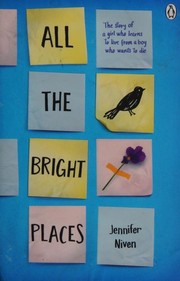
All the Bright Places
Grieving Violet and struggling Finch wander Indiana for a school project and each other.
2,208-word summary · 10 min read

Without Merit
Merit Voss feels invisible in a crowded converted church home until Sagan, Luck, and a painful night force the truth out.
3,300-word summary · 15 min read

The Storied Life of A.J. Fikry
A widowed bookseller on Alice Island adopts abandoned toddler Maya, rebuilds Island Books, and finds love with sales rep Amelia before illness closes in.
2,972-word summary · 13 min read

The Seven Year Slip
A grieving publicist inherits a time slipping Manhattan apartment and falls for a chef living seven years in the past.
2,601-word summary · 12 min read