
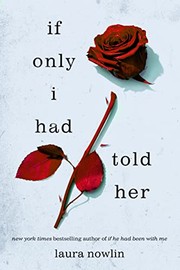
If Only I Had Told Her
2,543-word summary 11 min read 416 pages in the book
- First published
- 2024
- Publisher
- Sourcebooks Fire
- Pages
- 416
- ISBN
- 9781728276229
- Series
- If He Had Been with Me (#2)
Reading options
What's inside (8 sections)
I came to this one the way most people do, backwards through tears. A friend lent me If He Had Been with Me and warned me about the last ten pages, and then after I recovered she said there was a second book that tells the same loss from the other side of the fence. This is that book. It was first published in February 2024 by Sourcebooks Fire, 416 pages in the standard edition, ISBN 9781728276229, written by Laura Nowlin as a companion to her 2013 novel. Where the first book stays inside Autumn's head, this one splits the voice three ways between Finn, Jack, and Autumn, before and after the August crash that kills Finn. I read it in two sittings and spent a long time thinking about Finn, who in the first book felt a little too perfect to be real.
The setup is the same street, the same two houses, the same tangled high school groups, but the camera moves. Finn Smith lives next door to Autumn Davis. Their mothers were close before they were born, so they grew up sharing yards, snacks, and bedrooms full of each other's stuff. Jack is Finn's best friend, loud where Finn is quiet, loyal to a fault, the one who hosts the parties and covers for everyone. Autumn is the arty anxious girl with the journals, dating Jamie, loving Finn from a distance the whole way through. Sylvie is Finn's girlfriend for most of high school, pretty and sure of herself, kind on good days and sharp when she feels Autumn in the room. Brooke, Alex, and Jamie orbit Autumn. Jack, Sylvie, and Finn orbit each other. Everyone knows the old bond between Finn and Autumn. Nobody says the full truth out loud until there is no time left.
What this book adds is Finn's interior life. In Autumn's version he was mostly watched from across rooms. Here he gets to be confused and guilty and young. He has loved Autumn since childhood. He also cares about Sylvie in a real way. He tries to be decent, so he stalls and keeps living in the middle.
Finn before, in his own head
Finn's chapters reach back to childhood first, and they land because they are ordinary. He remembers Autumn before she learned to be embarrassed, the version who sang too loud and cried at stray dogs. He remembers her mother treating him like a second kid and his own mother keeping the first aid kit stocked for both houses. He remembers bikes and porch lights and knowing which step creaked at Autumn's place. That shared history is why high school hurts him so much. He did not lose a crush. He lost his first language and had to speak a second one with everyone else.
The eighth grade kiss gets retold from his side, and it is one of the best parts. They are thirteen or fourteen, hanging out the way they used to, and suddenly the air changes. They kiss. It is sweet and clumsy. After, he panics. Not because he did not mean it but because he does not know how to hold it. School is already sorting them into groups. He is getting taller, getting looks, getting pulled toward Jack and the athletic crowd. She is pulling toward the edges with her notebooks. He pulls back to save face. She goes quiet to save herself. He thinks about texting something honest that night and types three versions and sends none of them. If you have ever been fourteen, you know that night.
High school from Finn's side is a long act of management. He likes his life with Jack and Sylvie. Jack makes everything funnier. Sylvie gives him routine and warmth. At the same time Autumn is always at the edge of every room, and every small exchange costs him. A hallway hello that lasts too long. A ride home where they fall into old rhythm and go silent when Sylvie calls.
One stretch I found painfully true is Finn and Sylvie fighting about Autumn without ever having the real fight. Sylvie asks if something happened years ago. Finn minimizes. He says they grew up together, which is true and leaves out the kiss and the years of static. Sylvie accepts it because she wants to, the same way Jamie accepts Autumn's version. Finn hates himself a little each time. He writes unsent notes in his phone. He stays late shooting hoops with Jack instead of going home to think. Jack teases him about Autumn, half joking, and Finn laughs it off too fast. Jack notices. Of course Jack notices.
Jack watching and carrying
Jack's chapters surprised me the most. In the first book he was background noise, the party guy. Here he is the witness and, after, the one left holding everyone else up. Jack loves Finn without complication. They have been friends since before high school sorted them. Jack knows Finn is torn. He sees the way Finn goes quiet when Autumn walks in. He sees Sylvie see it too. He tries to run interference, changing the subject, dragging Finn to the garage, keeping the beer cold and the music loud so nobody has to talk.
Jack's house becomes the place where the two groups mix, which means he watches all four arrive and the whole room tilt. Mostly he worries about Finn, who keeps saying he will sort things out after summer. Jack wants to shake him. He also gets it. So Jack waits too.
There is a porch scene about two thirds through Finn's timeline that stuck with me. Loud house, sticky floors, Autumn a little too drunk, Jamie inside talking to someone else. Finn finds her outside and brings water and touches her cheek for a second. From Autumn's book this was everything. From Jack's view across the yard it is a small gesture that makes his stomach drop, because Sylvie is ten feet away watching the same thing. Jack steps in with a joke and pulls Finn inside. Later Sylvie cries in Jack's car and asks if she is crazy. Jack lies badly and hates it. He tells Finn to fix it. Finn says he will, soon. Soon keeps moving.
After the crash, Jack becomes the book's spine. He was there that August night. He sits in the waiting room while parents cry into vending machine coffee. He calls people. He holds Sylvie while she shakes and holds Finn's mother while she goes silent. Grief makes him efficient and then, weeks later, useless. His chapters after are about the plain work of staying. Bringing food. Sitting with Autumn when Jamie cannot reach her.
August, told three ways
The crash itself is handled carefully. Nowlin does not turn it into spectacle. You already know from the first book that an August night, a dark road, another car and speed and bad luck put Autumn in the hospital and kill Finn. Here you get the hours before from all three. Autumn and Jamie tense at Jack's party, the old distance flaring. Finn and Sylvie off balance after another small jealousy scrape. Jack hosting, refilling coolers, trying to keep the groups apart and together. A decision about rides. Autumn needing to leave or choosing to leave. Finn offering. The what ifs pile up the way they do in real life. If she had stayed with Jamie. If he had stayed with Sylvie. If they had left five minutes earlier.
The impact happens fast and then time stretches. Finn's section cuts. Autumn's section goes white and loud and then drugged and blurry. Jack's section stays painfully clear, the part he will replay for years. Sirens. Phones lighting up. Parents arriving half dressed. The hospital hallway that smells like cleaner and old coffee. Doctors with careful faces. Finn does not make it. There is no last conversation where everything gets said. That absence is the point of the title. If only I had told her. If only he had told her years ago, or that night, or in the car. The words sit unsaid and then there is no one to say them to.
I appreciated that Nowlin does not assign neat blame. No one was evil. A teenager drove. Another car sped. The book lets that be unbearable without making it a lesson. Grief wants a target. Sometimes there is only road and speed and timing.
The hospital, the funeral, the quiet house
Autumn's after chapters overlap with the first book but feel different because you now know what Finn was holding. She wakes hurt and drugged, learns Finn is gone, and slides into a flat gray place. Her mother hovers, terrified she almost lost her daughter too, cooking and fussing and crying in the laundry room. Her father is quieter, present in doorways. Jamie comes and sits and does not know where to put his hands. He loves her. He was there that night. He carries his own guilt about the fight before she left. Autumn cannot reach him through the fog. She keeps thinking Finn will walk in late with that half smile. She keeps replaying the car, the party, eighth grade, childhood. The brain loops.
The funeral is packed. Teachers, coaches, freshmen Finn was kind to, both friend groups in the same rows for once. Sylvie sits with her family and looks carved out. Autumn sits with Jamie and her parents and feels unreal. Flowers pile up. After, the house is too quiet. Autumn sleeps in strange chunks and wakes reaching for her phone to tell Finn something before she remembers.
Sylvie's grief gets its due here in a way the first book could not give. She lost her boyfriend and also the story she thought she was in. She replays every fight about Autumn and tortures herself with the idea that she should have let go sooner or held on tighter. Her parents want her to be sad in a tidy way. Jack refuses tidy. He sits on her porch and lets her be furious. He tells her Finn did love her, which is true and not the whole truth, and she both believes him and hates the sentence. Their friendship after, prickly and tender, is one of the book's best threads. Two people who loved the same boy from different rooms, left to compare notes they never wanted.
Autumn after, and the bonds that stay
Autumn learns she is pregnant, from before the crash, with Jamie. Readers of the first book know this turn. Here it arrives with more air around it because Jack and Sylvie are in the room. Autumn is scared and numb and then, slowly, anchored. She decides to keep the baby and raise it with her mother's help, with Jamie involved as much as he can be though their romance is basically over. Jamie is kind about it in a broken way. He will show up. He will not be her partner. That distinction takes months to settle and hurts everyone each time it shifts.
What heals Autumn, in fits and starts, is not one big breakthrough but small stubborn connections. Writing again, first in fragments and then in longer journal runs she does not show anyone. Walking the fence line between yards because her body needs to move. Talking to Finn's mother, who at first cannot look at her and later asks what Finn was like that last summer, and Autumn tells the truth as best she can. Letting Brooke be blunt. Brooke says the things no one else will, that Autumn has to stop living in alternate versions or she will miss the life still in front of her. Alex brings food and stays quiet in the useful way. Jamie brings tea and learns to leave when asked.
The unexpected center is Autumn and Sylvie and Jack forming a bruised little unit. They start by avoiding each other. Then Jack forces it, a drive, a diner, his porch with bad snacks. Sylvie and Autumn trade memories like cards. Laughter breaks through and then guilt follows, and Jack tells them guilt means they are normal.
Autumn's bond with her coming child grows slowly. She talks to the baby in her head. For now she eats, sleeps, walks, writes. She stops checking alternate timelines every hour and starts checking them once a day, then once a week. That is what healing looks like here. Not closure. Less frequent haunting.
What works and what drags
What works is Finn. Giving him a voice fixes the biggest hole in the first book, where he felt idealized because Autumn only ever saw him from outside. Here he is a full teenager, sweet and avoidant, funny with Jack, tender with Sylvie, stuck in a pattern he half sees. His chapters made me ache in a different way than Autumn's did. You watch him type and delete texts. You watch him choose the kind version of a lie. You want to reach in and tell him to blow everything up a month earlier, have the fight, lose a friend, keep his life. You cannot. That helplessness is the engine.
Jack works too. His loyalty could have been flat, but Nowlin lets him be angry and useless and funny by turns. His after chapters carry the book when Autumn's grief gets repetitive. Sylvie gets dignity. Jamie gets care instead of being a placeholder. The three voice structure keeps pages turning because you get relief when one narrator stalls. Finn's tension, Jack's motion, Autumn's stillness balance each other.
The drags are real and familiar from book one. The middle repeats. Parties blur. Porch talks circle the same confession without landing it. Autumn's voice can still frustrate. She narrates her pain at length and acts slowly, which is true to an anxious grieving teen and trying to read for fifty pages straight. Some basement and bedroom scenes could have been cut. A few late healing scenes lean sweet in a way that feels quicker than real grief allows. Readers who wanted a totally new story may also find this too close to book one. It is the same August, the same groups, many of the same beats from new angles. I did not mind because I wanted Finn's side, but go in knowing it is a companion, not a sequel that races forward.
Read it if the first book stayed with you, if you think about Finn and want him to be a person instead of a loss, if you like sad young adult romance about grief and first love that does not flinch. Bring tissues for August again. Expect to argue about Autumn and Sylvie and whether Finn was kind or cowardly. My friend defends Finn fiercely. I am mad at him and aching for him at once, which feels like the point. The last pages left me quieter than the first book did. Less shock. More sorrow about words unsaid while there is still time to say them.
Facts held: first published in February 2024 by Sourcebooks Fire in the United States, 416 pages in the standard modern edition, ISBN 9781728276229, author Laura Nowlin. Summary follows that text, with full spoilers as these retellings do.
FAQ
When was If Only I Had Told Her published?
It was first published in February 2024 by Sourcebooks Fire. The standard edition runs 416 pages and the ISBN is 9781728276229.
Who narrates the story?
Finn Smith, his best friend Jack, and Autumn Davis. Sylvie, Jamie, Brooke, and Alex all return from the first book.
Is it part of a series?
Yes, it is the companion to If He Had Been with Me from 2013. Read that one first so Finn's chapters land harder.
Similar books
More from If He Had Been with Me first, then related titles.

The Sky Is Everywhere
Lennie grieves Bailey while torn between Toby and Joe.
2,251-word summary · 10 min read
A Thousand Boy Kisses
Poppy and Rune bind promise jar kisses before illness parts them.
2,585-word summary · 11 min read
If He Had Been with Me
Childhood friends Autumn and Finn drift apart in high school until one August night changes everything.
2,785-word summary · 12 min read

Amy & Roger's Epic Detour
Amy Curry has not driven since the crash that killed her father. With Roger at the wheel and a box of maps between them, a cross-country trip becomes a slow…
3,034-word summary · 13 min read

Two by Two
Sparks's twentieth novel turns from first love to a marriage breaking up: Russell Green loses his wife and his job, then rebuilds his life around his…
2,192-word summary · 10 min read

The First to Die at the End
On the night Death-Cast launches, a boy with a bad heart meets a model with everything ahead of him, and one of them gets the call.
2,908-word summary · 13 min read

At First Sight
Jeremy and Lexie are married and expecting a baby when anonymous emails tell him the child may not be his.
2,317-word summary · 10 min read

Delilah Green Doesn't Care
Delilah returns to Bright Falls to photograph her stepsister's wedding and falls for Claire, a bookstore owner and single mother, while a cruel bet threatens…
2,315-word summary · 10 min read

Rule
A tattoo artist still grieving his twin and the polished girl who has loved him since she was thirteen finally collide one drunken night in Denver.
2,014-word summary · 9 min read

Someone Like You
Halley and her best friend Scarlett face a summer of grief, a surprise pregnancy, and Halley's dangerous first romance in Sarah Dessen's 1998 young adult novel.
2,218-word summary · 10 min read
Everything We Keep
A widow questions her husband's death when a stranger claims his past.
2,307-word summary · 10 min read

The Upside of Falling
Two teens fake-date for a summer dare and end up facing grief, family secrets, and first love.
2,274-word summary · 10 min read

All Rhodes Lead Here
Grieving Aurora moves to Colorado to fix a farmhouse, finding slow healing with her gruff older neighbor Tobias Rhodes.
2,249-word summary · 10 min read

You've Reached Sam
After Sam dies, Julie calls his phone to hear his voicemail and he answers, forcing her to face grief and learn how to say goodbye.
2,887-word summary · 13 min read

The Last Letter
Ella trades letters with soldier Chaos, then her brother Ryan death brings Beckett to Telluride with a hidden name, sick Maisie, and a love tested by truth.
2,559-word summary · 11 min read

Love & Gelato
After her mother dies, Lina spends a summer in Tuscany, follows a journal through Florence, and learns who Howard is.
2,768-word summary · 12 min read

The Truth About Forever
A grieving teen trades a dull library summer for catering work and learns to let people in again.
2,088-word summary · 9 min read
The Summer of Broken Rules
Meredith plays Assassin at Vineyard wedding a year after sister Claire died.
2,288-word summary · 10 min read
Five Feet Apart
Two teens with CF fall in love where six feet keeps alive and five tempts.
2,214-word summary · 10 min read
Where She Went
Three years after the crash, rock star Adam Wilde spends one night in New York facing Mia and their breakup.
2,942-word summary · 13 min read

Evermore
Ever Bloom survives the crash that kills her family and meets Damen, whose touch quiets the psychic noise in her head.
3,604-word summary · 16 min read
All the Bright Places
Grieving Violet and struggling Finch wander Indiana for a school project and each other.
2,208-word summary · 10 min read
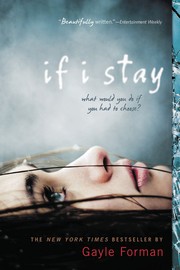
If I Stay
Mia Hall watches her body after a crash and must decide whether to live for Adam and cello.
3,907-word summary · 17 min read

What Happened to Goodbye
Mclean has reinvented herself in four towns since her parents divorced. In Lakeview she uses her real name, and for the first time staying put becomes a choice.
2,796-word summary · 12 min read

Love Letters to the Dead
A fifteen-year-old writes letters to dead artists because they cannot ask questions, and slowly tells the one story she has been hiding about her sister's…
2,520-word summary · 11 min read

Austenland
A New York graphic designer obsessed with Mr. Darcy inherits a trip to a Jane Austen theme park, where the fantasy of Regency romance collides with the men…
2,030-word summary · 9 min read

Anatomy: A Love Story
In 1817 Edinburgh, a noblewoman who wants to be a surgeon disguises herself to study anatomy and falls for the grave robber who supplies her with bodies.
2,031-word summary · 9 min read

Vow of Thieves
Kazi and Jase return to Tor's Watch to find it occupied, and their marriage is tested by captivity, betrayal, and a war for the town of Hell's Mouth.
2,059-word summary · 9 min read
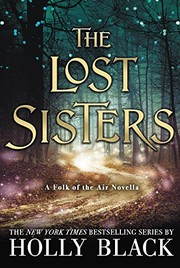
The Lost Sisters
Taryn Duarte writes a letter to her twin, Jude, explaining how she fell for Locke and why she stayed silent while he used them both.
1,914-word summary · 9 min read

Dumplin'
Willowdean Dickson enters her town's beauty pageant as a protest and discovers that confidence is harder to keep once she lets someone close.
1,922-word summary · 9 min read