
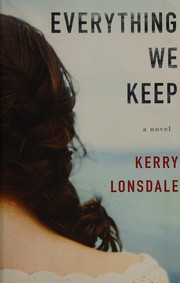
Everything We Keep
2,307-word summary 10 min read 296 pages in the book
- First published
- 2016
- Publisher
- Lake Union Publishing
- Pages
- 296
- ISBN
- 9781503935310
- Series
- Everything (#1)
Reading options
What's inside (8 sections)
I started Everything We Keep because the premise sounded like a soap plot I would normally skip, and I wanted to see if Kerry Lonsdale could make it hold. She published it with Lake Union Publishing in 2016, a 296 page novel with ISBN 9781503935310. It is book one in the Everything series. The setup is sharp. Aimee Tierney loses her fiance James Donato in a boating accident off Mexico, buries him on what was supposed to be their wedding day, then meets a stranger who says he is alive. I went in expecting romance with a mystery edge. I came out thinking about how grief makes people collect signs.
Aimee is twenty six and working as a sous chef in Los Gatos, California when the book opens. James is twenty nine. They have known each other since youth and planned a future around food and family. Instead of a ceremony in July, Aimee attends a funeral with a closed casket. Officials say remains were too decomposed for viewing. That detail sits in her mind and never fully leaves. If you cannot see, part of you keeps waiting.
My paperback is dog eared at the cafe renovation pages. Those held my attention more than the psychic scenes.
A wedding day turned funeral
The funeral takes place on the wedding date, which Lonsdale uses without squeezing for tears. Aimee does not attend the reception. She goes to the burial and then home to a house that still holds wedding gifts in corners. James's older brother Thomas Donato hands her a personal check for 227,000 dollars, the amount she would have received had they married. He tells her to open a restaurant. His manner is brisk and practical, almost corporate. Aimee does not know what to make of his generosity yet.
In the parking lot, an older blonde woman approaches. She introduces herself as Lacy Saunders, a psychic counselor who works on missing persons cases. She hands Aimee a card and says James is alive. She also wonders aloud what was actually inside the casket. Aimee cries and shakes. Her friends Nadia and Kristen close ranks and call Lacy a con artist. That reaction seemed true to life. When you are grieving, friends try to seal off strange hope before it can root.
Two days later, Aimee's parents tell her they have sold The Old Irish Goat, the pub where she works. The business was near bankruptcy. With James gone and her job shifting under her, Aimee slides into a flat stretch of months. She bakes compulsively at night. She sleeps badly. She leaves rooms messy. Lonsdale writes this period as blurred time rather than dramatic breakdown, which I appreciated. Grief here looks like unwashed dishes and repeated recipes more than speeches.
Around this time Aimee notices boxes of James's paintings missing from the garage. She stacked them herself after his death. Now most are gone. That absence becomes the first physical thread she can pull. A hunch cannot be checked. Missing boxes can.
Lonsdale plants early questions about the Donatos without answering them. Thomas is too smooth and Phil too volatile. Aimee thought she understood the hierarchy. After the funeral she starts seeing gaps around money and the fishing trip.
Grief work and a leased coffee shop
Aimee finds purpose when she walks past Joe's Coffee House, the cafe she and James used to visit, and sees it closed with space for lease. She decides to open her own place there. The idea gives her days a shape. She endorses Thomas's check and applies, only to be rejected over poor credit. Then owner Joe Russo visits her in person and offers workable terms, hinting someone is looking out for her. Aimee accepts without fully probing the hint. She needs the win.
Renovation takes about eight months. Nadia designs the interior without charging a fee. Contractors come and go. Aimee learns about permits and espresso machines and payroll timing. These chapters move slowly in a good way. Lonsdale knows kitchen work. Aimee tastes sauces and adjusts salt. She burns a batch and starts over. She argues about tile and lighting. For stretches the mystery recedes and the book becomes a small business story about a woman rebuilding competence.
Photographer Ian Collins enters during this stretch. Aimee meets him near the Wendy V. Yee Gallery downtown. He is steady and direct without pushing. He tells her he will accept friendship if she promises to say when she wants more. That line could have sounded staged. In context it reads as a man setting a boundary rather than playing games. He returns from trips and shows up to help. When her lead barista quits before the soft launch, Ian steps in as shift manager. He gives her a framed print of his Belize Sunrise photograph. Their attraction builds while Aimee holds back.
My patience varied here. The cafe pages show Aimee acting rather than waiting. The Lacy thread stalls for a while. Aimee finds the card in October and drives to Lacy's house, then panics before knocking. Later she chases Lacy at a nightclub and follows her into a restroom, where she has vivid flashes of James underwater and on a beach. She faints. As Aimee tells it, she cannot tell if those images came from stress or from suggestion. I am not sure Lonsdale fully earns the vision device.
What kept me reading was the practical mystery of money and paintings rather than the psychic claim.
Postcards, paintings and a trip south
The cafe soft launch is set for July, a year after the funeral. Before opening, a waitress hands Aimee a postcard advertising El estudio del pintor, an art gallery in Puerto Escondido. The image shows one of James's missing paintings. Staff say the woman who left the stack looked like Lacy. Aimee hires private investigator Ray Miles. His report, months later, confirms official records of death and finds no trace of Lacy Saunders. That should close the matter. It does not, because Aimee knows what his brushwork looks like.
Then a package arrives from Oaxaca. Inside is an original painting by James and a note from Lacy on Casa del sol stationery. The note says danger has passed and James is safe and it is time he learned the truth. The resort name matches a card Aimee earlier found tucked in her wallet after lunch with Ian, a card she suspected Lacy planted. The resort sits far from where James was supposed to have been fishing, nearly a thousand miles by her reckoning. Distance becomes its own clue. Why would his work surface there.
Aimee books a flight to Mexico. Ian volunteers to come. He cares for Aimee and he also recognizes Lacy from childhood, when a psychic by that name helped locate him after he went missing as a boy. He hopes Lacy can help him trace his own mother.
Aimee arrives with a plan. She will locate the gallery and ask about the artist. She meets hotel manager Imelda Rodriguez at Casa del sol. She registers for an art workshop to get closer to the local scene. That discipline cracks the next morning when a man who looks like James jogs toward her on the beach.
He has a scarred face and speaks with a thick accent. He introduces himself as Carlos. Aimee calls him James. He shows no recognition. He is polite and then distant. He tells her to leave him alone. Aimee does not leave. She has seen his paintings inside a private studio, including dozens of canvases of a woman with Caribbean blue eyes painted in closer and closer likeness to herself. Whatever explanation covers this, coincidence does not.
Carlos on the beach
Carlos, as he calls himself, lives as Jaime Carlos Dominguez in Puerto Escondido. He keeps a beachfront home and works as a painter with a small gallery footprint. He has two young sons. His wife Raquel, the physical therapist who helped him recover after he washed up injured, has died. He does not remember being James. He does not remember Los Gatos or Aimee or a wedding that never happened. When Aimee tells him pieces of his old life, he gets angry and orders her out of his studio.
Ian proposes a theory that fits what they see. Trauma induced memory loss with a new identity built over it, sometimes called dissociative fugue in popular accounts. If old memories return, the new self and its memories could fade. Recovery is not guaranteed. Treatment is uncertain. That framing matters because it sets the moral limit for the rest of the book. Aimee cannot simply present proof and expect her fiance back. Proof might erase the man these children call father.
Imelda then tells her side. She found Carlos on the shore without memories shortly after her own husband died and left her with debts. Within hours Thomas arrived and paid those debts in exchange for creating a false life for James. New papers and a Mexican identity as her adopted brother. Imelda agreed because she was broke and grieving. What was meant to last weeks stretched into years as a criminal case dragged on. With guilt building, Imelda asked Lacy, a frequent hotel guest she knows as Lucy, to find someone from his past.
Casa del sol functions here as more than a backdrop. It is the ledger where debts were settled. None of them told Aimee the full scope until she arrived in person.
Aimee gets time with Carlos in his home and studio. She tells him about James's childhood and kitchen ambitions. She also shares a private horror she never reported. On the day James proposed, his cousin Phil showed up drunk and assaulted her while saying the Donatos had taken everything from him. James pulled Phil off and said he would handle Phil himself.
Carlos listens without remembering. He asks practical questions about the assault. He looks at the ring Aimee still wears and at his sons playing nearby.
What Thomas hid and why
Back at the hotel, Aimee confronts Thomas. He finally lays out the family crime story. Phil is actually the half brother of James and Thomas. Phil was moving drug money through Donato Enterprises. Thomas and their father Edgar had been cooperating with federal agents. James learned about the scheme and flew to Mexico to confront Phil directly.
Phil tried to kill James on a boat. Thomas arrived in the aftermath and made a fast choice. Fake a death and hide James with Imelda. The casket that Aimee buried held sandbags. Thomas paid off investigator Ray Miles and quietly covered shortfalls on Aimee's cafe lease through Russo.
This is where the book shifts from family secrets to outright conspiracy, and the seams show. The pieces fit the clues, yet Thomas's plan requires remarkable luck across borders and years. Readers who enjoy puzzle resolution may accept the stretch. Readers who prefer character logic may balk.
Thomas's confession also reframes earlier kindness. The check was not only generosity. Encouraging the cafe kept her anchored in California while James remained hidden. Aimee calls out the years stolen. Thomas says the investigation kept extending.
Phil remains more function than person here. That thinness weakens the crime plot a little. We hear about laundering and boat violence mostly through Thomas summarizing after the fact. A few concrete business records would have helped. As written, the danger comes across as reported rather than present.
Aimee's response is the strongest part of this stretch. She does not forgive Thomas to keep the plot tidy. She asks what was in the casket. She hears sandbags. She then removes her engagement ring and places it in Carlos's palm, refusing to force him to become James again.
Letting go and choosing Ian
The return home chapters move quickly. Aimee clears James's belongings from shared spaces. She keeps a few brushes and a sketchbook. Grief here is administrative. Forms, closets, storage.
Ian gives her space after Mexico, which matters. When Aimee attends his new gallery exhibit, she sees his work now includes people, including a portrait of her dancing. Aimee tells him she loves him.
The epilogue jumps five years ahead to Carlos in Mexico. He wakes from a dream of a blue eyed woman and a boat. He does not recognize the child calling him father or the house. The older boy brings a locked box with identity papers and Aimee's old ring and a letter Carlos wrote to himself explaining his two names. Lonsdale leaves Carlos staring at proof he cannot accept as true.
Fair criticism should name what wobbles. The psychic mechanism carries too much weight. Lacy appears and vanishes on cue. Ian is patient to the point of sainthood. The crime plot arrives late and leans on summary. Lonsdale writes food and work better than menace.
What holds up is Aimee's agency inside an outlandish setup. She learns to run a business and tracks paintings and flies to another country to ask direct questions. She chooses not to reclaim a man who no longer knows her, which gives the romance with Ian a cleaner base. The grief thread and the mystery thread meet there.
Facts for the shelf are straightforward. First published in 2016 by Lake Union Publishing. The standard edition runs 296 pages with ISBN 9781503935310. It opens the Everything series as book one, followed by books that revisit James and Aimee from other angles. Tags that fit are romance and contemporary romance with mystery plus grief and family secrets. No single tag carries it alone.
I finished it late and argued with it in the morning, which is usually a good sign. The central device strains belief, yet Aimee's cafe and her decision on the beach stayed with me longer than the plot gaps.
FAQ
When was Everything We Keep published?
Lake Union Publishing published it in 2016. The edition runs 296 pages with ISBN 9781503935310.
Is Everything We Keep part of a series?
Yes. It is book one in the Everything series, followed by books that continue James and Aimee stories.
Similar books
More from Everything first, then related titles.

The Unmaking of June Farrow
A woman in a North Carolina flower-farming family walks through a red door into 1951, where she must solve her mother's disappearance and decide whether to…
2,701-word summary · 12 min read

Two by Two
Sparks's twentieth novel turns from first love to a marriage breaking up: Russell Green loses his wife and his job, then rebuilds his life around his…
2,192-word summary · 10 min read

Indigo Ridge
A new police chief in a Montana town meets the founding family's eldest son in a bar, and one night later a body turns up under their cliff.
2,763-word summary · 12 min read

At First Sight
Jeremy and Lexie are married and expecting a baby when anonymous emails tell him the child may not be his.
2,317-word summary · 10 min read
True Believer
Jeremy Marsh, a science journalist who debunks paranormal claims, comes to a small North Carolina town and falls for a librarian who believes in things he…
2,125-word summary · 9 min read
Ghosted
After seven perfect days with Eddie, Sarah is ghosted, and her search for answers uncovers a secret tied to the accident that changed both their lives.
2,011-word summary · 9 min read

Delilah Green Doesn't Care
Delilah returns to Bright Falls to photograph her stepsister's wedding and falls for Claire, a bookstore owner and single mother, while a cruel bet threatens…
2,315-word summary · 10 min read

Rule
A tattoo artist still grieving his twin and the polished girl who has loved him since she was thirteen finally collide one drunken night in Denver.
2,014-word summary · 9 min read

Family of Liars
The prequel to We Were Liars: Carrie Sinclair finally tells the story of the summer of 1987, the boy who died on Beechwood Island, and the lie her family built…
2,072-word summary · 9 min read

The Woods
Twenty years after two teenagers were murdered and two vanished at summer camp, prosecutor Paul Copeland identifies a fresh corpse as one of the missing.
2,490-word summary · 11 min read

The Sky Is Everywhere
Lennie grieves Bailey while torn between Toby and Joe.
2,251-word summary · 10 min read
If Only I Had Told Her
Finn, Jack and Autumn speak after the crash that took one of them.
2,543-word summary · 11 min read
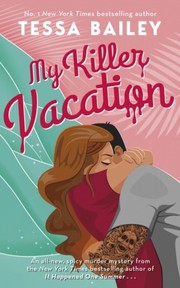
My Killer Vacation
A teacher and a bounty hunter share a Cape Cod rental with a corpse and a growing attraction.
2,625-word summary · 12 min read

All Rhodes Lead Here
Grieving Aurora moves to Colorado to fix a farmhouse, finding slow healing with her gruff older neighbor Tobias Rhodes.
2,249-word summary · 10 min read

The Last Letter
Ella trades letters with soldier Chaos, then her brother Ryan death brings Beckett to Telluride with a hidden name, sick Maisie, and a love tested by truth.
2,559-word summary · 11 min read

Suzanne's Diary for Nicholas
A dumped editor reads a Vineyard mother's diary that reframes everything.
2,087-word summary · 9 min read

A Bend in the Road
Widowed sheriff Miles loves teacher Sarah while her family's secret touches his wife's death.
2,182-word summary · 10 min read
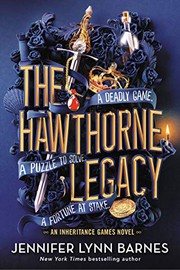
The Hawthorne Legacy
Avery hunts for lost Toby Hawthorne while old wills, postcards and a violent rival force her to face what the inheritance really costs.
2,576-word summary · 11 min read

The Beach House
A young valet is beaten to death at a Hamptons party, and his law-student brother spends a year building a case against the family that covered it up.
2,049-word summary · 9 min read

Size 12 Is Not Fat
Former teen pop star Heather Wells investigates two dorm elevator deaths while juggling her ex, her crush, and a size-12 wardrobe.
2,805-word summary · 12 min read

First Grave on the Right
Charley Davidson is a private investigator in Albuquerque and the grim reaper. When three murdered lawyers come back as ghosts, her two jobs collide.
2,770-word summary · 12 min read

Austenland
A New York graphic designer obsessed with Mr. Darcy inherits a trip to a Jane Austen theme park, where the fantasy of Regency romance collides with the men…
2,030-word summary · 9 min read

Anatomy: A Love Story
In 1817 Edinburgh, a noblewoman who wants to be a surgeon disguises herself to study anatomy and falls for the grave robber who supplies her with bodies.
2,031-word summary · 9 min read

Lick
Evelyn wakes up married to the lead guitarist of Stage Dive after a Las Vegas birthday she cannot remember, and the annulment gets complicated.
1,989-word summary · 9 min read

The Bookshop on the Corner
A Birmingham librarian loses her job, buys a van, and moves to the Scottish Highlands to run a mobile bookshop. Warm and bookish, with uneven pacing.
2,557-word summary · 11 min read

Ricochet
Lily Calloway tries to stay celibate for ninety days while Loren is in rehab, leaning on Rose, Connor, and Ryke as therapy forces her to face her childhood.
2,575-word summary · 11 min read

My Dark Romeo
A debutante ball kiss traps Dallas Townsend in a marriage to Romeo Costa, a man who wants her as leverage in a war against his father and her fiance.
2,530-word summary · 11 min read

Cross My Heart and Hope to Spy
Cammie Morgan returns to Gallagher Academy for a second year of spy training, only to fall for a boy from a rival spy school and hunt a mole in her own school.
2,567-word summary · 11 min read
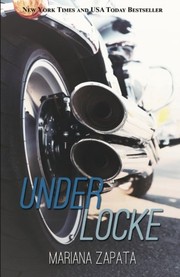
Under Locke
Iris Taylor moves to Austin broke and wary, takes a front-desk job at a tattoo shop, and spends the book learning that Dex Locke’s blunt cruelty and unexpected…
2,591-word summary · 12 min read

The Ex Talk
Two rival public radio producers pretend to be exes for a dating show, then fall for each other while the lie grows.
2,389-word summary · 11 min read