

Reading options
What's inside (4 sections)
I had avoided Patterson's tearjerkers assuming they manipulate, then tried this for batch work and found it manipulative in ways that mostly work because structure earns tears. Suzanne's Diary for Nicholas, first published in 2001, Headline paperback edition, ISBN 9780755300525, follows Katie Wilkinson, a Manhattan editor dumped by poet husband, who receives a diary from Suzanne, a woman on Martha's Vineyard, written for her baby Nicholas. It is romance framed by tragedy with a reveal that reframes everything, short chapters, big feelings, some genuine insight about motherhood and marriage buried under sentiment. I finished it crying and annoyed at crying, which seems exactly the response Patterson engineers. Feel manipulated and grateful at once.
Katie narrates present tense heartbreak that will be familiar to anyone left suddenly. Matt, handsome poet whose career she supported, leaves for younger woman with vague speeches about needing space to write. Katie, successful editor who put his book first, must move apartments, field pitying friend dinners, work while weeping in bathrooms. Into this arrives a FedEx with Suzanne's diary, sent by Suzanne's husband Matt? Actually by a man named Matt? The names overlap deliberately to confuse. Katie reads to distract from own pain and finds parallel story. Suzanne, stay at home mother on Martha's Vineyard, writes to baby Nicholas about love, about husband's distance, about fear something is wrong. Those diary entries, tender and increasingly worried, alternate with Katie's dating attempts and work stress. Two women, two Matthews? Actually two Matts? The name doubling is clue and red herring at once. Patterson knows readers will notice and uses noticing as engine. Are these connected. How. Keep reading diary to find out while Katie lives parallel lessons about trusting new love after betrayal.
Diary as slow reveal that reframes
The diary structure works because Suzanne writes beautifully about ordinary motherhood in ways that transcend melodrama framing. First foods, first steps, fear of not bonding instantly, guilt about wanting work outside home. Those entries feel researched or lived in ways Katie's present chapters sometimes do not. A passage about nursing at 3 a.m. while husband sleeps through cries captures maternal loneliness better than marital fight scenes. New mothers reading will nod hard enough to hurt. Patterson, better known for thrillers, shows unexpected patience here. Let diary breathe between plot beats. No rush to reveal. That patience pays when entries darken. Suzanne notices husband withdrawing, suspects affair, finds evidence that may be postpartum paranoia or truth. She writes both possibilities honestly, which keeps readers from judging. Is she reliable. New mother sleep deprivation distorts. Or is he lying with skill. Both fit for 200 pages. That ambiguity sustains middle better than twists. You read diary to learn marriage truth while Katie reads to avoid her own. Mirroring without merging yet. When merge comes, it reframes both stories entirely. I will not spoil beyond saying the Matt confusion resolves in ways that make rereading necessary. Who sent diary. Why Katie. What Nicholas means. Answers land hard because groundwork laid through small name overlaps dismissed as coincidence. Pay attention to dedications. They matter more than chapters admit.
Katie's present romance with a doctor? Actually with a man met through work? Provides relief from diary dread without taking over. He is kind, patient, funny about her baggage. Their dates involve normal adult logistics. Who pays for sitter that does not exist yet. How to introduce new man to friends loyal to ex. Those normalcies balance diary intensity. When Katie resists moving fast from fear of repeat, new man waits without punishing through withdrawal. That patience contrasts with Matt's speeches about space that meant leaving. Patterson writes good men simply here. Show up. Listen. Do not fix feelings, witness them. Those behaviors attract more than poetry about longing. Katie learns to value reliability over verse, which is growth from poet wife to editor who edits life choices with red pen. Cross out grand gestures. Keep showing up. That lesson applies to readers beyond plot. Choose partners by attendance record, not promise quality. Check who came when sick. Believe calendar over couplets.
For pacing, diary and present alternate in short chapters that propel. Read one diary entry, need Katie reaction, get date chapter that echoes theme. Two diary entries in a row about baby milestones blur by design to show time passing in motherhood fog. I skimmed one because pattern, first laugh, first tooth, was clear. Then a present chapter where Katie finds Matt's book inscribed to new woman snaps it back. Jealousy as proof love persists despite progress claimed. Those stings keep present from feeling like filler between diary reveals. Both timelines hurt in turns. Alternate to breathe. Cry over diary, then laugh at Katie's friend setting her up disastrously. That rhythm prevents drowning in either sadness. Patterson, master of page turners, paces emotion like thriller beats. Sad chapter, funny date disaster, ominous diary hint. Repeat with escalating diary dread. By final third, diary entries shorten as writer runs out of time in ways I will not explain. Shortness terrifies more than content. Why so brief now. What happened between entries. Gaps speak loudest. Pay attention to dates skipping. They mark what cannot be written directly. Read white space as text. That reading skill transfers to Katie's own gaps about Matt leaving. What she omits telling friends reveals shame she must face to love anew. Omission as confession. Notice what narrators skip. Ask kindly why.
What reveal means without giving it
Without spoiling the turn that makes the book famous, the diary's addressee and Katie's connection invert everything assumed about parallel stories. It is not two women learning similar lessons separately. It is one story told in pieces across time with Nicholas as hinge. When revealed through a letter from husband? Actually through documents Katie finally opens together, rereading earlier pages with new eyes becomes necessary and devastating. Passages about love read as goodbye. Jokes about future read as hope against knowledge. That reread effect is the book's real achievement beyond tears. It rewards trust with second meaning hidden in plain sight. Clues were there in names, dates, dedications dismissed as coincidence or editing. Patterson played fair while misdirecting through structure. Admire craft even while wiping eyes. How to hide in plain sight. Name characters same to hide difference. Date entries vaguely to blur years. Let readers assume contemporary parallel when actually sequential with gap. Those techniques work once per book. Here once suffices for reputation. People remember twist years later even forgetting prose. Twist as gift and trick at once. Feel fooled gladly because emotions earned were real even if setup manipulated. Tears shed for Suzanne matter regardless of twist mechanics. She loved. That love stands outside reveal.
For craft, Patterson's sentences are famously short and plain, with James Patterson brand requiring coauthor? Actually this one solo? Short paragraphs. White space as mercy for crying readers who cannot see through tears. If you want lyricism, look elsewhere. This is story as delivery system for feelings. Dialogue carries pages with everyday speech about babysitters and deadlines. Those mundane details ground melodrama that could float. Rents, daycare costs, editor salaries that barely cover Manhattan. Money pressure shapes choices as much as love. Suzanne's island life looks idyllic until medical bills and ferry costs appear. Katie's Manhattan success looks glossy until apartment hunt shows limits. Those economics keep tearjerker from fantasy where love solves money. It does not. Work continues through grief. That continuity comforts more than rescue. Life goes on with crying jags between meetings. Show up weeping then present slides. Both at once. Anyone who worked through loss will recognize the split. Professional face over breaking heart. Patterson respects that split by showing both without ranking. Cry in bathroom. Present in boardroom. Both true. No single brave face required.
For criticism, the book manipulates openly in ways that trouble after crying stops. Diary device withholds key context that characters would state plainly in life to avoid melodramatic irony. Real diarists name husbands clearly. Here ambiguity serves twist over honesty. Also, Matt the poet as villain is thin. He speaks in verse that seduces on page but would tire in life. One more scene of his cruelty beyond leaving would justify Katie's devastation depth. As is, leaving suffices because marriage invested, but readers may wonder why she loved him beyond looks and lines. And new romance man is too good, patient beyond plausibility when Katie cancels repeatedly. Real men tire. His patience reads as authorial wish fulfillment for good guys finishing first after poets fail. Sweet but unconvincing. Still, at Headline length it reads in one sitting ideal for flights where crying among strangers feels safe. Short chapters ending on diary cliffhangers propel. Next entry holds answer. Open carefully. Those prophecies fulfill without cheating. Answers were always in names and dates noticed too late. Reread dedication now with knowledge. Weep again differently. That second weep, informed rather than surprised, lasts longer than first shock. Sit with it. Call mother. Hug baby if lucky enough to hold. That impulse to hold after reading is the book's gift beyond plot.
For who this is for. If you like Nicholas Sparks but want less Southern drawl and more Manhattan pace, try Patterson here, his best tearjerker by consensus. If you are new to Patterson beyond thrillers, this shows range without violence. If you dislike manipulation, know structure withholds deliberately. Some will feel tricked rather than moved. I felt both and valued moved more. Mothers especially may find diary entries about Nicholas piercing in ways non parents admire at distance. I am not a parent and still paused twice to breathe. Imagine with child asleep nearby. Keep tissues where babies cannot reach. Read when ready to cry about love that persists through address changes. Diary for Nicholas becomes diary for anyone who loves small person fiercely while fearing loss. Write your own entries tonight. Date them clearly. Future readers will thank clarity I promise. Love needs timestamps to be found later.
Katie's editing career as lens for reading diary deserves emphasis because Patterson uses professional skills as plot tools without showing off. Katie edits manuscripts for a living, spotting inconsistencies, tracking timelines, questioning motives in margins. She applies those skills to Suzanne's diary automatically, noting date gaps, name overlaps, tone shifts. Those editor notes, shown as asides, teach readers to read actively alongside. Check dedication against chapter one names. Compare baby ages across entries. That modeling turns readers into editors too, hunting clues Patterson planted fairly. When reveal lands, editing mind feels satisfied rather than tricked. Pieces fit on reread. Dedications make sense. Names align. That fairness distinguishes good twist from cheat. Cheat hides necessary info. Fair twist shows all while misdirecting attention to wrong patterns. Here misdirection uses romance expectations. Assume parallel love stories. Miss sequential truth. Reread with editor eyes after finishing to admire construction. Notice how early diary entries avoid surnames that would give away. Notice how Katie's chapters mirror diary emotions to suggest contemporaneous parallel when actually echo across years. Those mirrors work as craft lesson for aspiring writers reading for technique as well as tears. Study mirrors. They reflect and distort usefully. Write your own dual timelines with name overlaps to practice. Then revise to plant fair clues readers miss first pass. That exercise after reading teaches more than craft books about twists. Do the work. Feel fooled gladly first as reader, then dissect as writer. Both stances enrich.
The Martha's Vineyard setting as character that holds grief also needs naming beyond backdrop. Island off season with empty beaches, closed shops, ferry schedules reduced. Suzanne walks with stroller where summer crowds will later swarm unknowing. Katie visits later following diary map to understand, finding island winter bare and honest without tourist gloss. Those seasonal contrasts mirror emotional states. Here weather as delay that allows feeling to catch up with events. Forced slowness as mercy when truth hurts too fast. Stay weather delayed. Feel before acting. That pacing suits grief better than thriller rush. No one chases. Everyone sits with sea sounds until ready. Readers rushing to twist should pause at descriptions. Look at water. Breathe. Twist waits. Sea does not hurry for reveals. Learn slowness from island even while turning pages fast to learn. Both speeds coexist. Fast plot, slow place. That tension keeps pages turning without exhausting. Breathe between chapters. Look out real windows at whatever weather holds. Connect island fog to own kitchen steam. Both obscure briefly then clear. Wait through.
FAQ
Who are Katie and Suzanne?
Katie Wilkinson, Manhattan editor left by poet husband, and Suzanne writing to baby Nicholas on Martha's Vineyard. Names overlap deliberately.
When was Suzanne's Diary for Nicholas published?
Little, Brown published it in 2001. The Headline paperback carries ISBN 9780755300525.
Similar books

Sam's Letters to Jennifer
A grieving journalist reads her grandmother's letters and finds a decades-long love affair that changes how she sees her family.
2,310-word summary · 10 min read

Two by Two
Sparks's twentieth novel turns from first love to a marriage breaking up: Russell Green loses his wife and his job, then rebuilds his life around his…
2,192-word summary · 10 min read

At First Sight
Jeremy and Lexie are married and expecting a baby when anonymous emails tell him the child may not be his.
2,317-word summary · 10 min read
The Overdue Life of Amy Byler
A burned-out school librarian gets a summer to herself when her estranged husband returns, and discovers that being a mother does not have to mean losing…
2,055-word summary · 9 min read

Delilah Green Doesn't Care
Delilah returns to Bright Falls to photograph her stepsister's wedding and falls for Claire, a bookstore owner and single mother, while a cruel bet threatens…
2,315-word summary · 10 min read
The Storm Sister
Ally D'Aplièse loses her father and her lover within weeks, then follows a brass frog and a Norwegian biography into Anna Landvik's music and the world of…
2,376-word summary · 11 min read

Someone Like You
Halley and her best friend Scarlett face a summer of grief, a surprise pregnancy, and Halley's dangerous first romance in Sarah Dessen's 1998 young adult novel.
2,218-word summary · 10 min read

Dial A for Aunties
A wedding photographer accidentally kills her blind date, and her mother and three aunties help her hide the body during the biggest wedding of their careers.
2,076-word summary · 9 min read

The Accidental Tourist
Grieving Macon writes travel guides for haters of travel, then Muriel intrudes.
2,252-word summary · 10 min read
Everything We Keep
A widow questions her husband's death when a stranger claims his past.
2,307-word summary · 10 min read

We Begin at the End
Thirteen-year-old Duchess Day Radley shields her little brother Robin after their mother dies, as freed killer Vincent King returns and sick chief Walk tries…
2,956-word summary · 13 min read
The House at Riverton
In 1999, ninety eight year old maid Grace Bradley tapes the truth about a 1924 shooting at Riverton Manor, poet Robbie Hunter, two sisters and a lie held for…
2,433-word summary · 11 min read

The Deep End of the Ocean
A three year old vanishes at a Chicago hotel reunion, and nine years later the Cappadoras must face his return as a teen raised by someone else while grief…
2,951-word summary · 13 min read
The Switch
A burned-out consultant and her 79-year-old grandmother swap London and Yorkshire homes for two months, facing grief, dating apps, and village politics.
2,782-word summary · 12 min read

The Seven Sisters
Maia follows Pa Salt clue from Geneva to Rio and Christ the Redeemer.
2,210-word summary · 10 min read

The Last Letter
Ella trades letters with soldier Chaos, then her brother Ryan death brings Beckett to Telluride with a hidden name, sick Maisie, and a love tested by truth.
2,559-word summary · 11 min read
Fly Away
After Kate's death, Tully, Marah, and Dorothy face grief and addiction while trying to rebuild their lives.
2,940-word summary · 13 min read

Big Summer
After a six-year rift, plus-size influencer Daphne becomes maid of honor at her ex-friend's Cape Cod wedding, where joy turns to mystery.
2,878-word summary · 13 min read
This Girl
Honeymoon retelling as Will recalls first love, classroom ban, loss, fights, and vows that stick.
2,526-word summary · 11 min read
The Last Anniversary
A single woman inherits island house and unknots a vanished baby story.
2,158-word summary · 10 min read

Little Secrets
A mother missing a son finds her husband cheating and handles both herself.
2,008-word summary · 9 min read
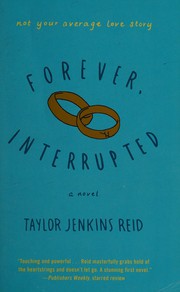
Forever, Interrupted
Elsie elopes in May, loses Ben nine days later, and learns grief beside the mother in law she never met.
2,051-word summary · 9 min read
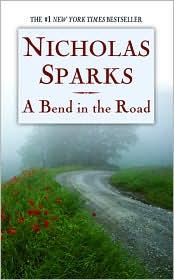
A Bend in the Road
Widowed sheriff Miles loves teacher Sarah while her family's secret touches his wife's death.
2,182-word summary · 10 min read

Life's Too Short
A travel YouTuber facing possible ALS takes in baby Grace and falls for Adrian, the lawyer next door.
2,913-word summary · 13 min read
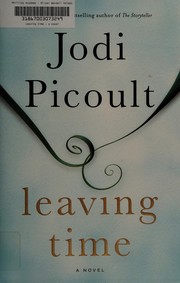
Leaving Time
Thirteen-year-old Jenna searches for her mother who vanished from an elephant sanctuary ten years earlier.
3,001-word summary · 13 min read
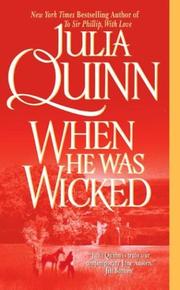
When He Was Wicked
Widowed Francesca Bridgerton falls for her late husband cousin Michael, who loved her silently for years.
2,055-word summary · 9 min read

The Truth About Forever
A grieving teen trades a dull library summer for catering work and learns to let people in again.
2,088-word summary · 9 min read
Still Me
Lou spends a year in New York working for the Gopniks, torn between Josh, distant Sam, and the life she wants.
2,939-word summary · 13 min read
Night Road
A crash on graduation night kills Mia Farraday and sends her friend Lexi to prison. Years later, mother Jude must face blame and grief to reach forgiveness.
2,969-word summary · 13 min read
In Her Shoes
Philadelphia lawyer Rose takes in her wayward sister Maggie until a betrayal splits them, sending both toward their long-lost grandmother in Florida.
2,781-word summary · 12 min read