
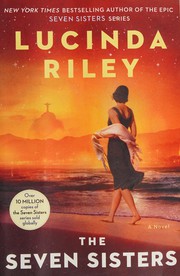
The Seven Sisters
2,210-word summary 10 min read 461 pages in the book
- First published
- 2014
- Publisher
- Atria Books
- Pages
- 461
- ISBN
- 9781476759906
- Series
- The Seven Sisters (#1)
Reading options
What's inside (8 sections)
I came to The Seven Sisters because the series kept appearing in airport shops and reading groups with unusual devotion. Lucinda Riley published it in 2014, and my reading follows the 461 page Atria Books edition. It opens the Seven Sisters series. Six adopted sisters gather at Atlantis, their childhood home on Lake Geneva, after the death of Pa Salt, the father who raised them. Maia, the eldest, follows her clue to Rio de Janeiro and into a story about Izabela Bonifacio in the 1920s and the building of Christ the Redeemer. It is historical fiction mixed with romance, family drama, and mystery, told across two timelines.
The setup hooks fast. Pa Salt dies without warning. Each sister receives a letter and coordinates pointing toward her origins. No long illness. No gathered goodbyes. Just absence and envelopes. Atlantis, the lakeside house with its private peninsula and boathouse, suddenly feels too large. The sisters arrive from different lives. Ally sails. Star stays quiet. CeCe pushes. Tiggy drifts toward animals and intuition. Electra burns bright and fragile in public. Maia translates and watches. Riley gives each a distinct voice in a few pages, enough to carry six more books without confusing them. The funeral mood is restrained. Grief here looks like practical questions. Who was he really. Why did he choose us. Why now.
Pa Salt himself stays offstage by design. A wealthy man who adopted baby girls from around the world and named them for the Pleiades, the seven stars. Maia, Alcyone, Asterope, Celaeno, Taygete, Electra, and the missing Merope, whose absence shapes the whole series. He raised them with love and privacy, hired tutors, sailed with them, taught them languages and independence. He also kept secrets on a grand scale. An armillary sphere in the garden carries their names and coordinates. Letters reveal only what he wants each daughter to know first. Readers who want immediate answers will need patience. Riley treats Pa Salt as a puzzle box. Each book opens one compartment.
Maia, the watcher who leaves
Maia D'Apliese narrates the present thread, and she is a smart choice for an opener. Eldest sister. Translator of Portuguese and French by trade. Careful, private, used to living through other people's words. She keeps lovers at distance and keeps sisters at a smaller distance. Her clue points to Rio de Janeiro. A tile, a name, a family connection to a grand house that has seen better decades. She books a flight with the reluctance of someone who prefers desks to runways. Work gives her an excuse. Curiosity does the rest.
What I liked about Maia is that she does not transform on schedule. Early chapters show her competence. She navigates airports, archives, and awkward Portuguese family lunches with professional ease. Emotional risk is harder. A past loss left her guarded, and Riley reveals it in pieces rather than one speech. Her romance with Floriano Quintelas, a Brazilian writer helping her trace the past, grows out of shared research before it becomes anything else. They visit libraries together. They compare notes. They argue about what old letters mean. That slow professional friendship warming into care felt believable for a woman who trusts texts more than people.
Floriano deserves credit as more than a guide. He has his own grief and his own connection to the story Maia chases. He writes. He cares for family. He knows Rio in the way locals know it, through neighborhoods and food and shortcuts rather than views. His presence keeps the present timeline from becoming only a frame for history. When Maia hesitates, he does not push with speeches. He offers another document, another address, another walk. Readers who dislike instant love will find this tolerable. Attraction builds while they work. The past does most of the sweeping. The present stays human sized.
Rio in the present and the past
Riley writes Rio with color and affection. The present day city arrives in heat, traffic, tiled sidewalks, and houses tucked behind walls. Maia stays in places that feel both grand and tired. A crumbling mansion holds letters, photographs, and a family that remembers selectively. Servants and neighbors remember more. Archives yield passenger lists and christening records. Each find answers one question and opens two. That research rhythm carries the middle of the book. If you enjoy genealogy hunts, following paper trails through churches and attics, this will please you. If you want action, it may feel slow.
The historical thread belongs to Izabela Bonifacio, a young woman of Rio high society in the 1920s. Her father wants a good marriage for her, meaning wealth and position. Izabela wants the world, or at least Paris. She is bright, sheltered, devout in the casual way of her class, and restless in a way no ball can fix. When family business takes her to Europe, she seizes the opening. Riley captures Belle Epoque Rio and Paris through parties, dress fittings, chaperoned walks, and the particular boredom of girls trained for marriage markets. It is not subtle social critique, but it works as portrait. You understand what Izabela stands to lose by wanting more.
Paris gives her Laurent Brouilly, an ambitious young sculptor working in the orbit of Paul Landowski. Landowski, a real historical figure, won the commission to sculpt Christ the Redeemer, the colossal statue planned for Corcovado mountain above Rio. Architect Heitor da Silva Costa designed it. The statue's creation provides the historical spine. Izabela meets Laurent at the studio, among clay dust and armatures and strong opinions about art. Their connection is immediate in the way first loves are, intense and certain and blind to cost. Riley writes their scenes with full romantic pressure. Long talks. Stolen hours. Montparnasse cafes. The sense that art and love share the same hunger.
Back in Rio, consequences arrive. Engagement expectations. Family honor. Pregnancy whispers. Class boundaries that bend in Paris and snap back home. Izabela's story turns on choices made under pressure, with letters hidden and names changed and children placed where they might be safe. Maia reads these traces a century later and slowly understands her own bloodline. I will keep specifics light because discovery drives the book, but the shape will feel familiar to saga readers. A secret baby. A lost love. A family story edited by shame and retold by survivors. Riley executes it with care, even if veterans will guess turns early.
Christ the Redeemer as anchor
The statue thread surprised me by holding. Christ the Redeemer is one of those landmarks people photograph without knowing how it got built. Riley uses its real history to ground the fiction. Heitor da Silva Costa's design. Fundraising by Catholic groups. The decision to build in France and ship pieces to Brazil. Landowski's studio labor. Scaffolding on Corcovado. Storms and money problems. These details give the 1920s sections texture beyond ballrooms. Workers climb. Engineers argue. Clay becomes plaster becomes soapstone. Faith and civic pride mix with contracts.
Laurent's fictional role inside that true project works because Riley keeps his labor concrete. He mixes. He measures. He climbs ladders to check a hand. He debates proportions with older men who have more to lose. Izabela watches him work and sees a different kind of devotion than the piety she grew up with. That contrast matters. Her world treats religion as social glue. His treats creation as worship. Their romance borrows heat from that opposition. Whether you buy the speed of their attachment, the studio scenes make it understandable. Shared work creates intimacy faster than dances do.
For Maia in the present, the statue becomes a compass. She looks up at it from the city and thinks about hands that shaped it. She visits archives about its builders. She stands where Izabela stood. Riley uses the monument as more than backdrop. It embodies the theme. Something huge built from small pieces by many hands across years, visible from everywhere, understood by few. Families are like that. Pa Salt assembled his daughters the way Landowski assembled sections. The result looks whole from below. Up close you see seams. Maia spends the book studying seams without resenting the whole.
Love then, love now
Both romances aim for sweep, and both land differently. Izabela and Laurent get the grand version. Youth, beauty, Paris, separation by duty, letters that may not arrive. Riley writes their longing without irony. If you like old fashioned love stories where glances carry paragraphs, you will swoon. If you prefer restraint, you may smile at the intensity. Their tragedy feels period accurate. Women of her position had narrow exits. Men of his had pride that blocked practical choices. The book does not excuse the systems. It shows two people trying to love inside them and paying the usual price.
Maia and Floriano get the quieter version. Two adults with losses, working side by side, checking each other's translations, sharing meals with his family. No one forbids them. No ship sails without them. The obstacles are internal. Can Maia trust closeness after burying someone she loved. Can Floriano finish his own mourning enough to start again. Their scenes include hesitation, misread signals, and the particular awkwardness of competent people acting unsure. I found this thread more moving precisely because it stays small. A hand held during a hard archive visit lands harder than a Paris kiss because it costs more for these two.
Sisters frame both stories. Phone calls and emails interrupt Maia's search with updates from Geneva. Ally worries. Tiggy senses things she cannot explain. CeCe wants action. Star listens. Electra flames out in tabloids. Those intrusions remind us this is book one of seven, and sometimes they slow momentum. But they also keep Maia from becoming only a researcher. She is still eldest sister, still the one others call. Her growth includes admitting she needs them back. Family here means chosen bonds plus blood mysteries, and Riley insists both matter. Blood explains. Choice sustains.
What drags and what glows
Length is the honest complaint. At 461 pages in this edition, and longer in others, the book takes its time. Dual timelines always require transitions, and Riley transitions often. Just as Izabela reaches a crisis, we cut to Maia over coffee. Just as Maia finds a letter, we return to 1920s dress shopping. Readers who settle into saga rhythm will not mind. Readers wanting tight plotting may fidget. I clocked two stretches, one in each timeline, where research scenes repeat beats. Another archive. Another reluctant relative. Another walk where feelings get discussed instead of shown. Trimming a tenth would help.
The prose also leans toward the earnest. Emotions get named. Lessons get stated. Coincidences pile in the way saga plots require. A chance meeting. A kept diary. A servant who remembers exactly the right detail decades later. If you read for surprise, you will predict most turns by midpoint. If you read for immersion, the predictability may comfort. Riley's strength is not invention. It is accumulation. Names, meals, streets, fabrics, prayers, boat schedules. Layer enough true feeling detail and readers forgive plotted convenience. I forgave most of it because Rio and Paris felt visited rather than googled.
What glows is scope with heart. The Seven Sisters concept could feel gimmicky, zodiac names and star myths bolted onto adoption drama. In practice it gives the series a clean engine. Each sister gets heritage plus romance plus travel. Myth gives shape without dictating. Maia's Brazilian roots fit her translator skills neatly. Language becomes inheritance. The Christ statue gives history weight. Pa Salt's mystery gives forward pull for six more books. As openers go, this one establishes world, method, and stakes while closing Maia's personal question enough to satisfy. You finish knowing who she is and wanting Ally next.
Content notes help set expectations. This is adult fiction with consensual adult relationships, some explicit but not graphic by romance standards. Themes include parental death, adoption searches, class pressure, pregnancy outside marriage in historical context, and grief. No thriller violence. No cliffhanger that strands Maia, though Pa Salt's larger secrets stay open by design. Translation quality reads smooth. Dialogue in past sections sometimes sounds formal, which suits period and place. Present dialogue feels natural.
Who should follow the star
Give The Seven Sisters to readers who love family sagas with travel, to fans of dual timelines where past letters explain present lives, to anyone drawn to Rio, Paris, or stories behind famous landmarks. It suits long evenings, holidays, and reading groups that enjoy guessing secrets. Pair it with the next books in order, since Ally's story follows and Pa Salt's puzzle deepens. Keep a map handy. Rio geography rewards it.
Skip it if you need lean prose, fast twists, or skepticism about coincidence. At 461 pages it asks for commitment and pays in atmosphere rather than shocks. I closed it fond of Maia in a way I did not expect, protective of Izabela despite seeing her choices coming, and curious about Pa Salt in a way that felt earned rather than teased. Stars look fixed from far away. Up close they are burning and moving. Riley's first sister reminds us families work the same way. Follow the clue. Read the letters. Let the past speak at its own pace.
FAQ
When was The Seven Sisters published?
The original edition appeared in 2014. The Atria Books edition cited here runs 461 pages and the ISBN is 9781476759906.
Is The Seven Sisters part of a series?
Yes, it is book one of The Seven Sisters series. Maia's story closes here while her five sisters each get a later book.
Who are Maia and Izabela?
Maia D'Apliese in the present and Izabela Bonifacio in 1920s Rio and Paris, with Floriano, Laurent, Heitor da Silva Costa, and Paul Landowski around them.
Similar books
More from The Seven Sisters first, then related titles.

The Storm Sister
Ally D'Aplièse loses her father and her lover within weeks, then follows a brass frog and a Norwegian biography into Anna Landvik's music and the world of…
2,376-word summary · 11 min read

The Shadow Sister
Star D'Apliese steps out of her sister's shadow and follows a bookshop clue into the Edwardian life of Flora MacNichol, a woman who gave up love for duty.
2,260-word summary · 10 min read
The House at Riverton
In 1999, ninety eight year old maid Grace Bradley tapes the truth about a 1924 shooting at Riverton Manor, poet Robbie Hunter, two sisters and a lie held for…
2,433-word summary · 11 min read

The Japanese Lover
A Polish refugee and the son of a Japanese gardener fall in love in San Francisco in 1939, then keep the affair secret for nearly seventy years.
2,286-word summary · 10 min read

Anatomy: A Love Story
In 1817 Edinburgh, a noblewoman who wants to be a surgeon disguises herself to study anatomy and falls for the grave robber who supplies her with bodies.
2,031-word summary · 9 min read

Little Town on the Prairie
In the spring after the Long Winter, fifteen-year-old Laura sews shirts, studies for a teaching certificate, and helps send her blind sister Mary to college.
2,071-word summary · 9 min read
Mrs. Everything
Two Jewish sisters in Detroit grow up, apart and together, across seven decades of American life, from the 1950s to the 2016 election.
2,362-word summary · 10 min read
Between Sisters
Estranged sisters Meghann and Claire reunite in Washington when Claire announces a rushed wedding, then face their mother's desertion and a medical crisis.
2,467-word summary · 11 min read
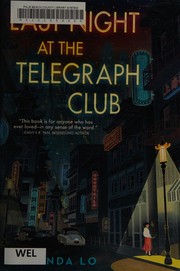
Last Night at the Telegraph Club
The 2021 National Book Award winner follows Lily Hu, a Chinese American teenager in 1954 San Francisco, as she falls for Kath and learns what it costs to be…
2,336-word summary · 10 min read

What the Wind Knows
Annie scatters her grandfather's ashes on Lough Gill and is pulled into 1921 Ireland, where she becomes the missing Anne Gallagher and falls for Dr. Thomas…
2,056-word summary · 9 min read
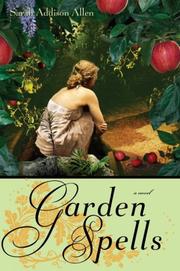
Garden Spells
Two sisters reunite in their family home in Bascom, North Carolina, where an apple tree shows anyone who eats from it the biggest event of their life.
2,030-word summary · 9 min read
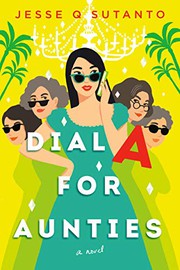
Dial A for Aunties
A wedding photographer accidentally kills her blind date, and her mother and three aunties help her hide the body during the biggest wedding of their careers.
2,076-word summary · 9 min read
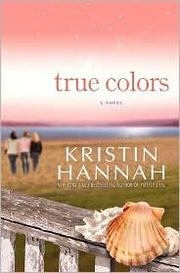
True Colors
Three Grey sisters split over love and duty after their father judges them.
2,596-word summary · 12 min read
The Identicals
Twin sisters swap Nantucket and Martha Vineyard lives for a summer.
2,556-word summary · 11 min read
The Book of Lost Friends
Three women trace Lost Friends ads from 1875 to find stolen sons.
2,368-word summary · 11 min read
Anne's House of Dreams
Newlyweds Anne and Gilbert start in a seaside house with kind neighbors.
2,465-word summary · 11 min read
The Rules of Magic
Franny, Jet, and Vincent Owens test strict family rules and a love curse in 1960s Manhattan and Massachusetts in Alice Hoffman's warm prequel about love, loss,…
2,686-word summary · 12 min read
Long Bright River
Philadelphia officer Mickey patrols Kensington amid the opioid crisis, hunts a killer of vulnerable women, and searches for her missing addict sister Kacey…
2,986-word summary · 13 min read

The Starter Ex
A retired bad-girlfriend-for-hire takes one last job and falls for the mark.
2,092-word summary · 9 min read
Practical Magic
Orphaned sisters Sally and Gillian Owens flee magic and love, until Gillian returns with a dead boyfriend and Sally must face the family curse.
2,974-word summary · 13 min read

Big Summer
After a six-year rift, plus-size influencer Daphne becomes maid of honor at her ex-friend's Cape Cod wedding, where joy turns to mystery.
2,878-word summary · 13 min read
Suzanne's Diary for Nicholas
A dumped editor reads a Vineyard mother's diary that reframes everything.
2,087-word summary · 9 min read

Stalking Jack the Ripper
Lord's daughter Audrey Rose studies corpses in secret while the Ripper works Whitechapel beside Thomas.
2,030-word summary · 9 min read
The Girl You Left Behind
Two women a century apart fight for what they love, joined by a portrait painted in wartime France and claimed in modern London.
2,613-word summary · 12 min read
Ordinary Grace
In 1961 Minnesota, thirteen-year-old Frank Drum faces a summer of deaths that tests his minister family and forces him to weigh truth, guilt, and mercy.
2,948-word summary · 13 min read
The Things We Cannot Say
A Florida mother travels to Poland to answer her silent grandmother's plea, uncovering a wartime love story and a decades-old identity swap.
2,365-word summary · 11 min read
The Henna Artist
In 1950s Jaipur, a henna artist to rich women rebuilds her life until the sister she never knew arrives.
2,104-word summary · 9 min read
The Good Sister
Twin sisters share a careful arrangement until a plan to have a baby pulls old family secrets into view.
3,255-word summary · 14 min read

The Good Daughter
Twenty eight years after a home invasion shattered her family, a lawyer witnesses a school shooting that reopens old wounds.
2,505-word summary · 11 min read
When He Was Wicked
Widowed Francesca Bridgerton falls for her late husband cousin Michael, who loved her silently for years.
2,055-word summary · 9 min read