
Reading options
What's inside (8 sections)
I came to this one after Pretty Girls left me wrung out and impressed in equal measure. I wanted to see what Karin Slaughter could do without a serial killer driving every chapter. The answer, it turns out, is still brutal, but slower and sadder. Published in 2017 by William Morrow, 512 pages in the first US hardcover, The Good Daughter is a standalone about two sisters, a town that never forgave them, and a single night that keeps replaying.
The pitch sounds like a thriller. Two girls forced into the woods at gunpoint. One runs. One stays. Twenty eight years later, violence finds the survivor again. What follows is a full retelling, ending included, with my complaints along the way.
Pikeville, and the night everything split
Pikeville, Georgia is the kind of small town where everyone knows your father and half of them hate him. Rusty Quinn is the local defense attorney who will represent anyone. Outlaw bikers, drug gangs, abortion clinics, unions, people accused of killing kids. He gets hate mail by the bag and threats by phone. He keeps going anyway, part principle and part stubbornness. His wife keeps the house steady. His daughters, Charlotte and Samantha, grow up hearing their dad called every name at the grocery store and then watching him win at the dinner table with jokes.
Slaughter opens with the break in. Zach Culpepper, a young man Rusty once defended, shows up with an accomplice. They are high, angry, and looking for payback. What happens inside that house is awful and fast. Rusty’s wife is shot dead. The girls are taken at gunpoint into the woods behind the house. Samantha is shot in the head and left in a shallow grave. Charlotte runs when her sister tells her to run.
I will not dress this up. The prologue is graphic and hard to read, on purpose. Slaughter wants you to understand why the rest of the book feels haunted. Sam survives, barely, with a head wound and lasting damage that affects memory, speech patterns under stress, and balance. Charlie survives without a visible scar, which turns out to be its own wound. She did what her big sister told her to do. She left. She has been apologizing for it in her head ever since.
The police work that follows is messy. Small town cops, big town press, a defense lawyer father who knows exactly how cases fall apart. The girls give statements while in shock. Memories blur. The town picks sides. Some people bring casseroles. Some people whisper that Rusty brought it on himself by defending monsters. The family fractures right there, not later. That felt true to me. Grief does not wait for the funeral.
One thing Slaughter gets right from the start is how differently the sisters cope. Sam shuts down and then pushes people away. Charlie clings and then performs. One becomes the far away daughter. One becomes the good daughter who stays.
Twenty eight years later
Jump ahead twenty eight years and the sisters live separate lives built around that night.
Charlie, now in her forties, stayed in Pikeville. She followed her father into criminal defense, which everyone in town reads as loyalty and provocation at once. She works out of Rusty’s orbit, takes cases no one else wants, drinks too much cheap wine some nights, and tries to be useful. She married Ben Bernard, who works as a prosecutor. They separated but never fully let go. They still know how to hurt each other with one sentence and still show up when it matters. Charlie tells herself she stayed to help people. The harder truth is she stayed to stand guard over a grave.
Sam left. She moved to New York, became a patent attorney, built a careful, controlled life with systems for everything. She is brilliant with technical detail and blunt with people. Her injuries left her with gaps and tics that she hates showing. She avoids Pikeville, avoids Rusty when she can, avoids Charlie most of all. Phone calls are short. Visits do not happen. When Sam thinks about that night, pieces come back wrong or late, and she has learned to distrust her own recall.
Rusty is older, still loud, still taking hate calls with a smile. He loves his daughters in a big, clumsy way that lands better with juries than at the kitchen table. He has health scares he waves off. He keeps files on everything. He has never stopped replaying the case in his head, not as a father, but as a lawyer who knows something in the file does not sit straight.
This long middle setup runs about a hundred pages and some readers will get restless. Slaughter spends time on Charlie’s cramped office, Sam’s New York routines, Rusty’s courtroom habits, Ben’s careful distance. I liked the patience, because it makes the next day hit harder. But if you came for nonstop action, know that this book walks before it runs.
The school shooting
Charlie’s worst day starts embarrassingly. After a brief, regretted hookup in a parking lot with a man she barely knows, she realizes she left her phone behind. She tracks it to the local middle school, where the man works as a history teacher. She walks in to ask at the office, feeling hungover and unprofessional, and walks straight into gunfire.
Slaughter writes this sequence in tight, short bursts. A pop that is not a locker. Kids running the wrong way. A teacher shouting. Charlie drops behind cover and sees a teenage girl in heavy goth makeup holding a pistol. Two people are already dead. The principal, Douglas Pinkman, and an eight year old girl named Lucy Alexander. The shooter is Kelly Wilson, a student with a hard home life and a reputation for trouble.
What sticks with Charlie, and what drives the rest of the plot, is wrongness. Kelly’s movements, her flat face, the way she handles the gun, the timeline of shots. Charlie has been around guns and crime scenes her whole life. Something about this scene does not add up to a simple lone shooter story. She says so to police, badly, while in shock, and instantly becomes both witness and problem.
The town reacts the way towns do. Grief first, then fury. Parents demand charges, demand the death penalty, demand someone to blame. Reporters camp outside the school. The sheriff wants a fast, clean case. Kelly shuts down and says little. Her family is poor, fractured, and already judged. Within days it is clear Kelly needs a lawyer who can stand up to a mob. Rusty volunteers. He puts Sam on as second chair, which horrifies both sisters for different reasons. Charlie starts digging on her own, half to help, half because she cannot stop seeing herself at fifteen in those halls.
I found these chapters gripping and queasy. Slaughter does not glamorize the shooting. She stays close to Charlie’s ears ringing, the smell of cleaner and blood, kids crying behind locked doors. She also shows how fast trauma makes people certain. Everyone saw something slightly different. Everyone is sure.
Defending Kelly Wilson
The defense storyline is where the book turns from past pain into present puzzle.
Rusty and Sam take Kelly’s case. The evidence looks damning. Kelly was seen with the gun. Kelly had fights with staff. Kelly wrote angry things online. The state has witnesses and a motive that plays well on TV. But Rusty spots soft spots. Timelines overlap in odd ways. A door that should have been locked was open. A key adult changed his story. Phone records point to calls that no one wants to explain. Forensic details about angles and order raise questions that the first investigators rushed past.
Sam proves vital here. Patent work trained her to read dense records without blinking, and her outsider status lets her ask rude questions that Pikeville lawyers avoid. She pulls school maintenance logs, medical notes, and prior complaints with a patience Charlie lacks. Charlie, meanwhile, works the human side. She talks to teachers, kids, janitors, and Kelly’s relatives. She gets doors slammed in her face and occasional honest ten minutes after.
Kelly herself is hard to help. She is sullen, scared, loyal to the wrong people, and furious at the right ones. She trusts no adult fully, with reason. Her home life involved control and harm that the town preferred to ignore. Slaughter does not turn her into a symbol. She is a teenager who made terrible choices inside a much larger adult failure. Some scenes between Kelly and Sam are excellent, two guarded people circling each other, trading facts instead of feelings until feelings leak through.
Ben sits across the aisle as a prosecutor, which poisons his fragile truce with Charlie. He wants justice for the dead girls’ families and also wants to protect Charlie from herself. Their scenes have a tired married ache. Old jokes, old fights, new lines they cannot cross while the case runs. I believed every one of them.
The middle does sag in spots. At 512 pages, Slaughter includes full hearings, motions, and expert prep that feel real but slow. One school board meeting and one long evidence review could have been cut by a third. Readers who love procedure will enjoy the detail. I started skimming descriptions of binders and parking lots. The payoff is worth it, but the road is long.
What really happened that night
Parallel to Kelly’s case, Slaughter peels back the Quinn attack, layer by layer. This is the part you should not read about if you want zero spoilers, because the book’s power sits in how memory shifts.
As a teen, Charlie remembered a simple story. Bad men came. Sam told her to run. She ran. Sam was shot and buried. Their mother died. Their father was broken. Simple, and crushing.
Adult digging shows a messier shape. Sam’s memory, damaged and suppressed, returns in flashes that do not fit the first file. Rusty’s old notes point to an accomplice whose role was minimized. A neighbor’s statement was misfiled. A gun linked to the night turns up in a place that forces new questions. Without spelling out every reveal in order, the shape is this. The home invasion involved more planning and more town rot than the first trial showed. People in Pikeville who looked respectable helped cover tracks for their own reasons. And inside the family, love and guilt twisted facts. Sam pushed Charlie away to protect her, then kept pushing. Charlie stayed to punish herself, then called it duty. Rusty defended everyone else’s kids while failing to hear his own.
The two cases rhyme without matching too neatly. Kelly was failed by adults who looked away. The Quinn girls were failed by adults who looked away. Charlie sees it and hates seeing it. Sam sees it and tries to file it. Rusty sees it and finally acts like a father first and a showman second.
The trial and the final confrontations are tense and ugly. There are chases, threats, and a late night sequence in the woods that mirrors the opening without copying it. Slaughter does not give you a clean courtroom win where music swells. She gives you partial justice, the kind real towns get. Some charges stick. Some people walk when you wish they would not. Some apologies come too late to use. The sisters do not hug and heal. They start, which is different and better.
I admired that restraint. Too many thrillers of this size force a twist that flips the whole table. Slaughter’s late reveals reframe rather than erase. They make you reread earlier scenes in your head and feel a little sick. That is the point.
Who it is for, and where it strains
Let me be plain about the strains, because this book is easy to recommend and also easy to warn about.
It is very violent. The opening home invasion includes murder, sexual threat, and grave violence against teens. The school shooting is described with care but still vivid. Later assaults are blunt. Slaughter does not linger to titillate, but she does not look away either. If you found Pretty Girls hard to finish, this will also test you. Take breaks. Skip nothing important, but pace yourself.
It is long and sometimes repetitive. Charlie has the same fight with herself in different rooms. Sam reviews the same file three ways. Rusty gives the same speech to different audiences. The repetition builds character, but an editor could have trimmed fifty pages and lost nothing. The last hundred pages move fast. The three hundred before that move in waves.
Coincidence does heavy lifting. Charlie just happens to be at the school when shooting starts because of a lost phone after a random hookup. That hookup just happens to involve a teacher at that school. Sam just happens to be available to second chair. Rusty just happens to get the case. Slaughter papers over this with pace and emotion, and I went along, but I noticed. If you hate chance driven plots, this will bug you.
The town can feel stacked. Almost every institution, school, church group, local business, has someone cruel or corrupt in it. Pikeville reads less like a real place and more like a machine for hurting girls. There are kind people, a nurse, a teacher, a deputy who tries, but they get less air. I wished for one more decent adult with power to balance the bleakness.
And yet the core holds for me. The sister story feels lived in. Charlie’s guilt about running, Sam’s fury about being left in every sense, the way they talk past each other with lawyer precision and sibling cruelty. I know sisters like this, not with their history, but with their habits. The sorry that comes out as advice. The love that comes out as criticism. The phone call that ends too soon because staying on would mean crying.
Slaughter also writes Rusty with more care than I expected. He could have been comic relief, the blowhard dad. Instead he becomes the book’s sad center. A man who spent his life defending strangers in court and could not defend his wife at home. His late scenes with Sam, awkward, formal, trying, moved me more than the trial twists.
Would I hand it to a friend. Yes, with clear warnings. Read it if you like crime that cares about families, if you can handle graphic harm, if you do not need likable people on every page. Skip it if school violence is too raw for you right now, or if you want a fast puzzle with a tidy end. This is not tidy. It is about what stays buried and what should not. Sisters who stopped speaking. A town that chose comfort over truth. A good daughter who learns that staying is not the same as healing, and a lost daughter who learns that leaving is not the same as freedom.
FAQ
When was The Good Daughter published?
It was published in 2017 by William Morrow. The first US hardcover runs 512 pages and the ISBN cited here is 9780062430243.
Is The Good Daughter part of a series?
No. Reviews at publication called it a standalone, and this post lists no series. A later prequel novella exists, but the novel stands alone.
Is it very violent?
It is graphic and violent, with a home invasion, a school shooting, and assault scenes. It fits readers of dark crime fiction, not readers seeking a light mystery.
Similar books
Pieces of Her
After her mother kills a mall shooter with shocking skill, Andy Oliver uncovers a hidden 1980s past of radicals and wealth.
2,791-word summary · 12 min read
Pretty Girls
Estranged sisters Claire and Lydia reunite after a murder exposes snuff films, their sister Julia's fate, and a killer near Lydia's daughter.
2,498-word summary · 11 min read
Keep It in the Family
Mia and Finn renovate a long empty house and find seven children hidden in the attic.
2,270-word summary · 10 min read
Long Bright River
Philadelphia officer Mickey patrols Kensington amid the opioid crisis, hunts a killer of vulnerable women, and searches for her missing addict sister Kacey…
2,986-word summary · 13 min read
What Lies Between Us
Nina keeps mother Maggie locked upstairs for years, trading lies about sisters and deaths that unravel fast.
2,062-word summary · 9 min read
The Chain
Rachel must kidnap another child to save kidnapped Kylie, entering a chain where parents pass crime forward.
2,021-word summary · 9 min read
The Family Remains
Lucy returns to London as bones on the Thames reopen the Chelsea mansion deaths.
2,304-word summary · 10 min read
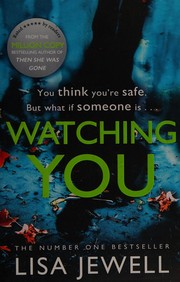
Watching You
A new wife in Bristol fixates on a charismatic neighbor while a teen boy logs every move before a murder.
2,363-word summary · 11 min read
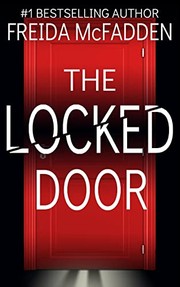
The Locked Door
Surgeon Nora Davis hides serial killer father while patients die.
2,465-word summary · 11 min read
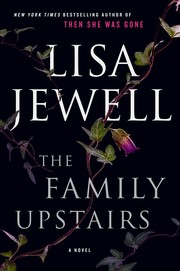
The Family Upstairs
Libby Jones inherits a Chelsea mansion and a past tied to a cult house, two runaways, and a baby left waiting.
3,300-word summary · 15 min read
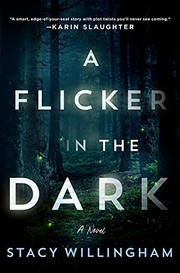
A Flicker in the Dark
Psychologist Chloe Davis faces copycat disappearances in Baton Rouge twenty years after her father confessed to murders.
3,074-word summary · 14 min read

Girl, Forgotten
A rookie US marshal guards a judge with a stalker and ends up reopening the 1982 prom-night murder of the judge's pregnant daughter.
2,111-word summary · 9 min read
False Witness
A defense attorney is forced to represent the grown son of the man she and her sister killed as teenagers, and he has the tape of the murder.
2,094-word summary · 9 min read

What She Knew
Rachel lets her eight-year-old son run ahead in a Bristol park, and the nine-day search turns her into a suspect in the public eye.
2,952-word summary · 13 min read

The Beach House
A young valet is beaten to death at a Hamptons party, and his law-student brother spends a year building a case against the family that covered it up.
2,049-word summary · 9 min read

Six Years
A professor who promised to forget the woman he loved sees her husband's obituary and discovers that the wedding, the marriage, and the woman herself may never…
2,076-word summary · 9 min read

Rules of Prey
Minneapolis detective Lucas Davenport hunts a killer who leaves a new rule at every scene and treats murder as a game of wits.
1,914-word summary · 9 min read

4th of July
Lindsay Boxer shoots two armed teenagers in self-defense, faces a wrongful-death trial, and spends her leave chasing a string of throat-slashing murders in…
2,192-word summary · 10 min read

61 Hours
A bus crash strands Jack Reacher in a snowbound South Dakota town where a drug gang, a corrupt police force, and a single witness are on a collision course.
2,227-word summary · 10 min read

Still Missing
A realtor is abducted at a Vancouver Island open house and held for more than a year. Told through therapy sessions, the novel follows her escape and the hunt…
2,466-word summary · 11 min read

Bad Luck and Trouble
A deposit of $1,030 summons Jack Reacher back to his old army unit, which is being picked off one name at a time.
2,366-word summary · 11 min read

3rd Degree
The third Women's Murder Club novel follows a San Francisco terror cell and a three-day killing schedule, and it costs the club a member.
2,685-word summary · 12 min read

Worth Dying For
Reacher stops for one night in rural Nebraska and finds a family that runs the county, a missing girl and a shipment worth killing for.
2,021-word summary · 9 min read

The Best of Friends
Three lifelong friends discover their teenage sons were hiding more than anyone knew after a night that leaves one dead, one in a coma and one silent.
2,040-word summary · 9 min read

Say You're Sorry
A widowed prosecutor defends the teenager accused of killing her babysitter, uncovering a small town's secrets and a killer hiding in plain sight.
2,116-word summary · 9 min read

Echo Burning
Reacher hitches a ride with a Texas woman who wants her abusive husband killed, then has to prove she did not murder him when he comes home.
2,209-word summary · 10 min read

The Woods
Twenty years after two teenagers were murdered and two vanished at summer camp, prosecutor Paul Copeland identifies a fresh corpse as one of the missing.
2,490-word summary · 11 min read

The Boy from the Woods
Wilde, found feral in a New Jersey forest in 1986, hunts for a missing teenager while a senator's secrets tear a wealthy town apart.
2,270-word summary · 10 min read
Without Fail
Reacher is asked to test vice presidential security by planning to kill.
2,084-word summary · 9 min read
Things We Do in the Dark
A comedian kills her husband, then a podcaster digs up her teen murder past.
2,427-word summary · 11 min read