
Reading options
What's inside (8 sections)
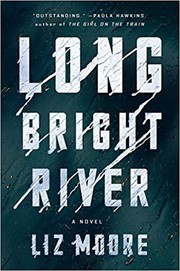
I started Long Bright River on a rainy evening because a friend who works night shifts said it was the only book that got policing right. Long Bright River by Liz Moore was published in January 2020 by Riverhead Books, ISBN 9780525540670. It follows Philadelphia police officer Mickey Fitzpatrick as she patrols Kensington Avenue during the opioid crisis while searching for her missing younger sister Kacey, an addict who knows the same streets from the other side. I finished it slowly, a chapter each night, because the weight of it made me put it down and think about my own family.
Mickey is not a hero in the television sense. She works patrol, answers calls, checks on overdoses, drives the same blocks until she knows which corner store leaves its light on. She lives with a tight chest and a routine. Morning check on her son Thomas, shift, log, sleep, repeat. She grew up in Kensington with Kacey, raised mostly by their grandmother after their mother died and their father drifted. The sisters were close as girls, then split as teenagers when drugs and men and choices pulled Kacey toward the Avenue and Mickey toward the academy.
What hooked me fast was how Moore writes the Avenue itself. Kensington is not background. It is tents under the rail line, empty lots, a convenience store with a bulletproof window, women walking in thin jackets in winter, men calling out, needles in gutters, church volunteers handing out socks. Mickey knows names. She knows who is sleeping where, who owes whom, who just got out of the hospital. She carries Narcan and granola bars. She is tired in a way sleep does not fix.
The case starts with dead women. Young women, many involved in sex work and drug use, found alone. The department logs some as overdoses. Mickey looks closer and sees signs that do not fit. Bruising, placement, missing belongings. She flags it. Her supervisors tell her not to chase patterns, to keep up with calls. She keeps a private list anyway. Dates, places, descriptions. That list becomes the spine of the book.
Kensington patrol
Moore puts you in the patrol car early. Mickey starts shift, checks the radio, drives past the same murals and abandoned houses. Calls come in layers. A welfare check, a shoplifting complaint, an overdose behind a pharmacy. She handles each with practiced calm, even when her hands shake.
Her current patrol partner at the start is Eddie Lafferty, an older officer with a sour view of the women on the Avenue. He calls them names under his breath, rushes through victim interviews, writes things off. Mickey corrects him quietly and then firmly. Those car scenes told me a lot about department culture. Some cops care, some cope by contempt, most are stretched thin. Mickey cares and it costs her. She stays late to re interview a witness. She drives back to check on a girl she told to wait inside.
Truman Dawes, her former partner, hangs at the edge of these chapters. Truman was injured on the job and has been off the street. He and Mickey share an easy trust built over years. He teases her about her terrible coffee, she teases him about his careful driving. They talk on the phone when she needs a second view on the deaths. I liked Truman right away because he listens. He does not push Mickey to share more than she wants, but he notices when she goes quiet after mentioning Kacey.
Home life is spare and tender. Mickey's son Thomas is a school age boy, sweet, observant, worried about his mother working nights. Mickey tries to shield him from Kensington work talk, but he hears the radio, sees her uniform, asks why Aunt Kacey does not visit. Mickey answers with half truths that ache. She loves Thomas with a fierce privacy. Getting home before his bus, packing lunch, checking homework. Those small scenes balance the street scenes. Without them the book would be all concrete and sirens.
The patrol chapters also show the crisis day to day. A mother begging for help. A dealer everyone knows. A clinic with a waiting list. Moore shows Mickey doing the same loop and losing ground. Care inside a system that cannot hold everyone.
Two sisters, two directions
The heart of the book is Mickey and Kacey. Moore moves between present patrol and past memories, and the past sections read like photographs Mickey keeps turning over.
As girls they shared a bedroom, clothes, secrets. Their grandmother kept rules, church on Sundays, homework before television. Their mother died young from an overdose, a fact both sisters carry differently. Mickey decided to become the responsible one. Good grades, police explorers, academy. Kacey was softer, funnier, more open, and more easily hurt. A teenage relationship with an older man named Simon pulled her off track. Simon was a local figure with ties to the police youth program, charming and controlling. Mickey hated him. Kacey defended him. That split never fully healed.
By the time Mickey is on patrol, Kacey is living on the Avenue, trading sex for money and drugs, in and out of treatment. Mickey checks corners between calls, asks around, leaves money with outreach workers. Sometimes Kacey takes it. Sometimes she runs. Their last real conversation before Kacey vanishes was sharp on both sides. Mickey offered help with conditions. Kacey heard judgment. Both were scared.
Moore writes addiction without easy lines. Kacey is not a symbol. She is funny about bad television, loyal to friends on the street, ashamed after relapses, angry when Mickey treats her like a case. Mickey is not a savior. She withholds trust, keeps score, uses her badge to check Kacey’s warrants in ways that blur love and control. I recognized people I know in both sisters. The love is real. So is the damage.
Simon remains a shadow. Mickey’s history with him is complicated and painful, tied to her own teenage years and to Thomas’s birth. I will keep details light here because Moore reveals them in layers, but Simon represents how protection can curdle into harm when age and power differ. Mickey avoids him, then cannot avoid him when Kacey’s trail touches his orbit. Scenes where Mickey sees Simon’s car near the Avenue made my stomach tighten. History parking across the street.
Thomas anchors Mickey’s fear. If Kacey is out there using while pregnant or sick or hurt, Mickey pictures Thomas asking questions she cannot answer. If Mickey pushes too hard on the street, she risks bringing danger home. That tension drives her to keep searching quietly rather than filing official missing reports that could label Kacey and limit options.
The missing women
The procedural thread tightens when more bodies appear. Three women in weeks, similar profiles, similar areas. Mickey compares notes with a detective, pushes for toxicology, asks about marks on necks and wrists. She is told to wait for labs, to stop connecting dots above her pay grade. She does not stop. She visits families, learns nicknames, writes down tattoos and shoes.
One witness, a woman who works the same corners, tells Mickey the victims were scared of a man with authority. Not a client. Someone who could threaten arrest. Mickey writes it down and feels cold. She checks who worked those zones on those nights. She reviews her own logs. The idea that a cop could be involved sits in her like a stone. She does not want it to be true, which makes her slower to see it, which she later hates herself for.
Department politics fill these middle chapters. A sergeant warns Mickey about overtime and attitude. A detective takes her notes without credit. Meetings about stats replace talk about safety. Mickey learns to trade. She offers to take an extra shift if someone runs a plate. She brings coffee to records to get files faster. It is not corruption in the headline sense. It is a tired machine that rewards quiet. Mickey is not quiet, so she pays in small ways. Worse assignments, cold shoulders, rumors that she is obsessed because of Kacey.
I found this stretch slow in a deliberate way. Moore repeats patrol loops, interviews that go nowhere, lab waits, nights where nothing happens except Mickey driving past Kacey’s old spots. If you want a fast thriller, you may fidget. I fidgeted around the middle. Then I realized the slowness was building dread. Each dead end narrowed the street. Each dismissed woman made the pattern clearer. The misery weight is heavy here. Overdose after overdose, funerals, mothers crying in kitchens. Moore does not look away, and after a while I needed breaks. That is fair warning and also praise. The book earns its tension by refusing shortcuts.
A scene that stayed with me has Mickey sitting in her car outside a rowhouse after a notification visit, listening to the radio crackle, unable to drive away. She watches kids ride bikes around a memorial of candles for one of the victims. Life continues around death in a way that feels both hopeful and cruel. She writes the victim’s name in her notebook twice, as if writing could keep her present.
Truman, Simon and Thomas
Mickey leans on Truman more as the pressure builds. He is recovering, restless at home, glad to help. They drive together off duty, revisit corners, talk through timelines. Truman knows Kensington too, and people trust him. He brings food to an outreach tent, remembers birthdays, asks after Thomas by name. His steadiness lets Mickey admit things she hides at work. That she fears Kacey is dead. That she fears she failed her. That she fears becoming numb.
Their bond edges toward romance, careful and adult. Shared meals, late phone calls, a hand on a shoulder after a hard call. Truman has his own worries, a family, an injury that still aches, doubts about returning to patrol. He does not idealize Mickey. He calls her out when she cuts corners or jumps to conclusions. I liked that. It kept their closeness from feeling like rescue. Two tired people choosing kindness.
Simon intrudes. Mickey spots him, hears his name from street contacts, learns he has been near some of the women. Old anger flares. She follows a lead too fast and confronts him, and it goes badly. Simon is slippery, legally careful, protected by connections. The encounter leaves Mickey shaken and embarrassed. Truman tells her to slow down, to build evidence instead of chasing hate. Mickey knows he is right and hates that too.
Thomas scenes in this section are the softest in the book. Mickey helps with homework at the kitchen table while her radio charges. Thomas asks if being a police officer means helping people even when they are mad at you. Mickey says yes and tries to believe it. She walks him to school some mornings to make up for nights away. A teacher praises his reading. Mickey tapes the note to the fridge. These domestic beats matter because they show what Mickey stands to lose if she accuses the wrong person or breaks protocol to find Kacey.
The criticism I would offer here is that Simon functions more as a red herring than a person for long stretches. He appears, looms, vanishes. Moore keeps him thin on purpose to preserve mystery, but I wanted a clearer sense of his daily life to judge Mickey’s fear fairly. Similarly, Truman’s home situation gets sketched lightly. I liked him but wanted more of his doubts in his own words rather than through Mickey’s view. The book stays locked to Mickey’s perspective, which is a strength for intimacy and a limit for breadth.
The search for Kacey
When a street friend says Kacey was seen getting into a car with a man who fits a worrying description, Mickey shifts from pattern hunting to active search. She cashes favors, checks hospitals under Jane Doe tags, visits an abandoned house where Kacey sometimes slept. She finds a blanket, a hair tie, an empty bag. No Kacey.
Moore handles these chapters with restraint. No big chase music. Mickey knocks, waits, knocks again. She talks to women who knew Kacey last. One says Kacey was trying to get clean. Another says Kacey was scared and talking about leaving town. A third says Kacey mentioned a man who supplied a strong new product on the Avenue and who spent time with several of the victims. Mickey writes supplier in her notebook and underlines it.
A key turn comes through another woman from the Avenue who survived an encounter. She tells Kacey, who later relays it, that the man who hurt the victims was Mickey’s partner. Wires cross because Mickey has had two recent partners in different capacities. Truman, her trusted former partner now on leave, and Eddie Lafferty, her current patrol partner. Kacey, not knowing Truman is on leave, names Truman when she finally reaches Mickey. Mickey feels sick. She trusts Truman, she is falling for him, and now her sister says his name.
Mickey does what a good cop and a scared sister both do badly. She watches Truman. She follows him to a drug house and sees him inject an unconscious girl with a needle. She draws her weapon, heart hammering, and orders him to stop. The girl starts breathing. It was naloxone, not a weapon. Truman was helping a friend’s outreach effort, keeping watch while off duty. Mickey lowers her gun, but the damage is done. Truman looks at her like a stranger. You pulled a gun on me, he says. That line ends something between them that cannot be talked back.
That scene is the book’s moral center for me. Mickey acted on partial information to honor Kacey, and in doing so betrayed Truman. Both choices make sense. Both hurt. Moore does not let Mickey off easy. Mickey apologizes, explains, begs. Truman hears her and still steps back. Trust, once aimed at, does not heal quickly.
With Truman cleared in her mind, Mickey re reads the partner clue. Current partner. Eddie Lafferty. She shows Kacey a photo. Kacey goes pale. Him, she says. He supplied drugs, spent time with the victims, threatened them when they pushed back about sexual demands tied to his badge. Mickey sits down hard. The man in her passenger seat for weeks, complaining about victims, was the threat.
Killer and reunion
The reveal is Eddie Lafferty, Mickey’s patrol partner. Moore plants it early if you reread. His contempt for victims, his lack of interest in details, his presence on the right nights. His motive, as he tells it when cornered, is sordid and thin in a way that feels true to abuse of power. He used his badge to demand sex, supplied product to keep control, and killed when women threatened to report him. He says things got out of hand, a phrase that made me angry because it shrinks murder into accident. Mickey hears it as confession.
The confrontation takes place in a quiet, empty church space off the Avenue, a choice that felt right for a book soaked in grandmothers and funerals. Mickey arrives armed, calls for backup in a way that may not go through, and holds Lafferty at gunpoint while Kacey and several women from the street emerge from hiding. They have been hunting him too, in their own way, sharing names and dates Mickey never had. Shots are fired. Lafferty goes down. Mickey fires as well, later saying it was for the victims who cannot speak. The scene is chaotic, loud, then very still.
What follows is not triumph. Internal review, questions about procedure, whispers that Mickey brought a personal war to work. Moore shows department politics closing ranks and also cracking. Some commanders want Mickey punished for going off book. Others know Lafferty’s crimes would have stayed buried if she had followed orders. Mickey considers resigning. She is cleared in the immediate shooting but not cleared in her own mind. Did she miss signs because Lafferty was a fellow officer. Did she suspect Truman too fast because believing Kacey felt like loyalty. She sits with those questions without neat answers.
Kacey survives. She has been hiding with help, pregnant, trying to stay sober, scared to contact Mickey after their fight and after what she learned about Lafferty. The sisters reunite in a hospital room that smells of soap and bleach, with Thomas waiting shyly in the hall. No big speech fixes years. Mickey apologizes for not believing Kacey sooner. Kacey apologizes for vanishing. They hold hands. Thomas meets his aunt properly. A baby is born healthy. The final pages give reunion with ambiguity intact. Kacey’s sobriety is day by day. Mickey’s job is uncertain. Their grandmother’s house holds them for a meal that feels like grace without promise.
I found the ending moving and slightly crowded. The Lafferty motive feels thin next to the book’s rich social portrait. After hundreds of pages about systems, I wanted more on who looked away. Moore keeps focus on Mickey’s guilt and the sisters. That choice suits a family story, less so a procedural.
Other fair notes. The procedural pace drags in the middle third, with repeated patrol loops and waiting for labs. The misery weight is real. Overdose, sex work, poverty, death. Moore treats people with dignity, but the accumulation wore me down and I needed pauses. Some side figures stay thin, especially command staff and outreach workers who appear to deliver information then fade. Yet the core holds. Mickey’s voice is steady, specific, compassionate without sentiment. Kensington feels lived in, not toured. The sister story lands.
Facts held: Long Bright River by Liz Moore, January 2020, Riverhead Books, ISBN 9780525540670. No page count stated. No series. Mickey patrols Kensington Avenue, searches for Kacey, tracks dead women, leans on Truman, faces Simon, raises Thomas, exposes Lafferty, reunites with open edges.
FAQ
When was Long Bright River published?
It was published in January 2020 by Riverhead Books with ISBN 9780525540670. It is a standalone novel.
Who are the main people?
Officer Mickey Fitzpatrick, her sister Kacey, former partner Truman Dawes, patrol partner Eddie Lafferty, Simon and Mickey's son Thomas.
Who is the killer?
Mickey's patrol partner Eddie Lafferty, who used his badge to exploit women and killed those who threatened to expose him.
Similar books

The Good Daughter
Twenty eight years after a home invasion shattered her family, a lawyer witnesses a school shooting that reopens old wounds.
2,505-word summary · 11 min read
Keep It in the Family
Mia and Finn renovate a long empty house and find seven children hidden in the attic.
2,270-word summary · 10 min read

We Begin at the End
Thirteen-year-old Duchess Day Radley shields her little brother Robin after their mother dies, as freed killer Vincent King returns and sick chief Walk tries…
2,956-word summary · 13 min read
What Lies Between Us
Nina keeps mother Maggie locked upstairs for years, trading lies about sisters and deaths that unravel fast.
2,062-word summary · 9 min read
The Chain
Rachel must kidnap another child to save kidnapped Kylie, entering a chain where parents pass crime forward.
2,021-word summary · 9 min read

Pieces of Her
After her mother kills a mall shooter with shocking skill, Andy Oliver uncovers a hidden 1980s past of radicals and wealth.
2,791-word summary · 12 min read

The Life We Bury
A college junior interviews a dying convict for class and reopens a 30-year-old murder case in Minnesota.
2,708-word summary · 12 min read
The Family Remains
Lucy returns to London as bones on the Thames reopen the Chelsea mansion deaths.
2,304-word summary · 10 min read

Mystic River
Three Boston friends reunite when one daughter is murdered.
2,230-word summary · 10 min read

Little Secrets
A mother missing a son finds her husband cheating and handles both herself.
2,008-word summary · 9 min read
Watching You
A new wife in Bristol fixates on a charismatic neighbor while a teen boy logs every move before a murder.
2,363-word summary · 11 min read

The Good Sister
Twin sisters share a careful arrangement until a plan to have a baby pulls old family secrets into view.
3,255-word summary · 14 min read
Wrong Place Wrong Time
Jen sees her son Todd kill a stranger, then wakes the day before, slipping back in time to stop the murder.
2,522-word summary · 11 min read
The Locked Door
Surgeon Nora Davis hides serial killer father while patients die.
2,465-word summary · 11 min read

The Family Upstairs
Libby Jones inherits a Chelsea mansion and a past tied to a cult house, two runaways, and a baby left waiting.
3,300-word summary · 15 min read

Pretty Girls
Estranged sisters Claire and Lydia reunite after a murder exposes snuff films, their sister Julia's fate, and a killer near Lydia's daughter.
2,498-word summary · 11 min read

A Flicker in the Dark
Psychologist Chloe Davis faces copycat disappearances in Baton Rouge twenty years after her father confessed to murders.
3,074-word summary · 14 min read

Dark Places
Libby Day, sole survivor of family murders, is paid to rethink her testimony.
1,910-word summary · 8 min read

What She Knew
Rachel lets her eight-year-old son run ahead in a Bristol park, and the nine-day search turns her into a suspect in the public eye.
2,952-word summary · 13 min read

The Beach House
A young valet is beaten to death at a Hamptons party, and his law-student brother spends a year building a case against the family that covered it up.
2,049-word summary · 9 min read

Six Years
A professor who promised to forget the woman he loved sees her husband's obituary and discovers that the wedding, the marriage, and the woman herself may never…
2,076-word summary · 9 min read

The Trespasser
A Dublin Murder Squad detective investigates a staged dinner-party killing and finds a cover-up that reaches into her own department.
2,051-word summary · 9 min read

Rules of Prey
Minneapolis detective Lucas Davenport hunts a killer who leaves a new rule at every scene and treats murder as a game of wits.
1,914-word summary · 9 min read

The Late Show
Exiled to the LAPD night shift after accusing her supervisor, Renée Ballard keeps two cases that were meant to be handed off at dawn: a brutal assault and a…
2,563-word summary · 11 min read

4th of July
Lindsay Boxer shoots two armed teenagers in self-defense, faces a wrongful-death trial, and spends her leave chasing a string of throat-slashing murders in…
2,192-word summary · 10 min read

The Camel Club
Four Washington misfits witness a murder on Roosevelt Island and stumble into a conspiracy that reaches the Oval Office, with a hostage president and a nuclear…
2,354-word summary · 10 min read

61 Hours
A bus crash strands Jack Reacher in a snowbound South Dakota town where a drug gang, a corrupt police force, and a single witness are on a collision course.
2,227-word summary · 10 min read
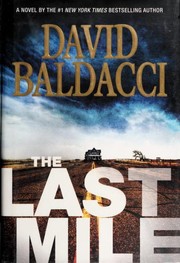
The Last Mile
Melvin Mars is hours from execution for his parents' murder when another man confesses, and FBI cold case detective Amos Decker goes looking for the trap.
2,746-word summary · 12 min read

Still Missing
A realtor is abducted at a Vancouver Island open house and held for more than a year. Told through therapy sessions, the novel follows her escape and the hunt…
2,466-word summary · 11 min read

Bad Luck and Trouble
A deposit of $1,030 summons Jack Reacher back to his old army unit, which is being picked off one name at a time.
2,366-word summary · 11 min read