
Reading options
What's inside (7 sections)
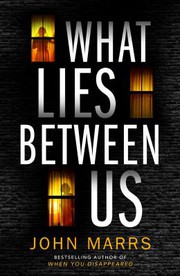
I read What Lies Between Us in one night with all lights on, not because it is gory but because it makes you doubt every narrator on the page. John Marrs's 2020 domestic thriller sets almost entirely in one house where Nina keeps mother Maggie locked upstairs. Both women tell stories about sisters, deaths, and lovers that cannot both be true. At 362 pages it moves fast through short chapters that end on gasps.
Nina upstairs, Maggie downstairs? No, reverse
Nina lives alone except for mother Maggie in an upstairs bedroom with a lock on the outside. To neighbors and a lodger, Nina says Maggie has dementia and must be kept safe from wandering. She brings trays, changes sheets, talks through doors. Maggie shouts that Nina kidnapped her years ago after family deaths and keeps her to control money and men. Who do you believe. Marrs alternates viewpoints by chapters labeled Nina and Maggie, each plausible in voice and each hiding holes you notice only later.
Nina works from home? Actually she manages through online lies while caring for mother by day and drinking by night. She tells boyfriend? No, she tells lodger and a man she dates that mother is difficult but loved. She shows photos of sister? No sister now. Dead sister mentioned in passing as accident that broke family. Maggie tells a different past where Nina was difficult child who lied, stole a sister's boyfriend, caused a death, then locked mother to hide theft. Both versions include a dead sister, a lost lover, a house that should have been sold. Details shift just enough to unnerve. Dates move. Causes change. Only the lock remains constant.
What hooked me is how Marrs uses domestic detail to sell both lies. Shopping lists, medication schedules, stair gates, commodes. Caring for an elderly parent is labor the book respects even while questioning motive. Nina knows doses, prefers certain soups, airs rooms. Maggie knows Nina's tells, prefers certain blankets, saves bread for birds. Love and control share chores here. You can lock someone kindly, the book suggests, and still lock them. That ambiguity makes the thriller queasy rather than fun. It asks readers who have cared for parents to examine their own impatience. Have you ever wished a locked door. Most will flinch and keep reading.
A fair warning is claustrophobia. Almost all scenes happen in house, garden, or nearby shop. If you need travel or police procedure, look elsewhere. The tension comes from talk and locked doors, not chases. I found that focusing increased dread. No escape to dilute. Just two women and stories that cannot both stand.
Lodger, boyfriend, and cracks
Cracks appear through outsiders who do not buy routines. A lodger renting a room to save money notices Maggie's shouts make sense and Nina's explanations change. He keeps notes though Nina warns against prying. A man Nina dates notices bruises on her arms she blames on mother and a missing sister photo she cannot produce. He likes Nina enough to overlook until inconsistencies pile. Both men function as reader proxies who ask what we would. Why is the lock outside. Why no doctor visits logged. Why does Maggie know current events if demented. Nina answers each with plausible lies that hold for chapters then collapse on reread. Marrs plants tells fairly. Pay attention to who cooks what when, who knows which song lyric, who mentions a sister's middle name right once then wrong.
Flashbacks deepen without resolving. Nina recalls a sister who drowned? Or died in fire? Maggie recalls a daughter who lied about pregnancy? Or stole money? Each flashback is labeled by narrator, reminding you memory is testimony, not fact. Marrs withholds objective chapters until very late, forcing readers to judge credibility through voice rather than evidence. Nina sounds competent and tired. Maggie sounds confused but vivid about old songs. Competence can be performance. Vividness can be lucidity breaking through fog. I switched suspects three times and was wrong twice, which is the pleasure for thriller fans who hate guessing right too early.
The house itself becomes evidence. Locked bedroom with bucket versus en suite claimed. Stair carpet worn on one side from pacing. Photographs missing from walls where nails remain. Marrs describes these through Nina's cleaning narration that tries to explain away. Bleach smell to cover urine or to clean crime. New lock to keep mother safe or to keep her in. Readers who love locked room puzzles will enjoy cataloging. Keep a list of objects. Keys, phones, medication bottles. Payoff uses them all without cheating, though one late reveal about a sister stretches coincidence. Accept it for pace and the book rewards.
What broke the family
I will keep the core truth light to preserve twists, but the shape is this. A sister died young in circumstances both women blame each other for and both caused through neglect and lies. A lover left or died after choosing between them. Money from a house sale or insurance vanished into care costs and resentments. One woman locked the other after a final fight that turned physical, then told the world a story about dementia to explain absence. Which woman started it depends on which flashback you trust until final chapters collapse timelines into one brutal night that reframes all prior chapters. Reread the first fifty pages after finishing and lies glow in plain sight. That fair play construction is Marrs at his best.
Motive is not money alone, though money matters in a house that could sell for care. It is being believed after years of being called liar, dramatic, difficult. Both Nina and Maggie were told as girls that they exaggerate. Locking becomes proof. See, I was right about her all along. The tragedy is that both needed witnessing they never got from each other or from men who passed through. Boyfriends believed whoever cried first. Doctors believed whoever paid. The system that should have helped, social services glimpsed once and gone, failed through underfunding rather than malice. That social edge gives the thriller weight beyond twist. Isolated women with no outside check can rewrite each other indefinitely. Someone must open the door from outside, but outsiders look away from domestic noise.
The final house reveal uses objects planted early. Medication that sedates or not depending on who tells. Phone with deleted calls. Sister's diary with pages missing. Marrs resolves who caged whom without absolving either of cruelty that led there. Both lied. Both hurt. One holds key at end, but holding does not mean innocent. It means surviving narrative war by telling last. That bleak view of truth as last story standing will satisfy Gone Girl fans and unsettle those wanting justice. No courtroom cleans here. Just a house quiet at last for reasons you will debate with friends. Argue away. The book wants that argument more than agreement.
Read it if you like domestic noir with dueling narrators, if you cared for an elderly parent and felt guilt about impatience, or if you want a fast thriller that respects your smarts enough to lie well. At 362 pages it fits a weekend with doors locked by choice. It will make you check on mothers and daughters in your life and listen longer before deciding who needs locking. Sometimes no one does. Sometimes both do from each other. The space between those truths is where Marrs builds his house. Enter carefully. Lock behind you only if you must.
Police, doctors, and outside eyes
Outside systems glance the house once and vanish, a failure Marrs uses to indict underfunding rather than villainy. A social worker visits after a neighbor reports shouting, sees tidy rooms and stocked fridge, and closes file though Maggie whispers something the worker mishears as confusion. A GP sees Maggie rarely because Nina cancels appointments citing transport, and notes noncompliance without flagging. Police respond to a noise complaint, hear Nina's calm explanation about dementia, and leave with a leaflet. Each professional acts reasonably in isolation while missing pattern only visible across visits. That fragmentation is how domestic cages hold in real life. No single agency sees enough to act, and privacy rules block sharing that would reveal. Marrs, who researched safeguarding reviews, shows the gap without preaching. Fund joint visits, allow info sharing with consent loopholes for risk, train workers to hear whispers as data. Until then, lodgers and boyfriends remain the only auditors, unequipped and easily lied to.
Doctors' notes, glimpsed late, add irony. Maggie's chart shows no dementia diagnosis, only anxiety and a request for memory screening Nina never booked. Nina's own records show doctor shopping for sedatives she gives Maggie to keep her quiet on visit days. Both women medicate the other through systems that prescribe without following up. Pharmacies fill. No one asks why a daughter needs so much lorazepam for a mother she claims is calm. Those paper trails, laid plain in final chapters, let readers solve before police do. Follow prescriptions, not confessions. Pills tell truths tongues hide when both narrators lie for different reasons. One to keep, one to leave. Neither to heal.
The lodger's notebook, reproduced in fragments, becomes the book's most reliable text because it lacks motive beyond rent. Times of shouts, meals served, doors locked. He records without interpreting, a habit from warehouse inventory work. That log convicts where memories blur. At 2 a.m. crying. At 7 a.m. silence. No dementia patient keeps such schedule, he notes without understanding significance. Readers will want to shake him into calling sooner. He waits because British reserve plus fear of eviction mute. When he finally calls, the line is already cut or unanswered. Delay costs little in plot terms but much in moral weight. Outsiders who see and wait share blame the book distributes widely. To see is to owe action, Marrs suggests, even when rent depends on silence.
Sister, lovers, and money
The dead sister needs a closer look because she motivates both women more than any lover. Nina recalls a girl who shared bedtime stories and stole sweaters, dead in an accident Nina blames on Maggie's inattention. Maggie recalls a girl who sided with Nina against her, dead in circumstances Maggie blames on Nina's jealousy. Photographs show two girls smiling with arms around, offering no verdict on who loved more. The sister's absence functions as original wound that made mother and daughter turn on each other for comfort that curdled to control. Grief unshared becomes accusation. Each needs the other to have caused it to avoid facing randomness. That need explains lies better than greed. To be innocent of sister's death matters more than house money, though money keeps lights on while they argue about ghosts.
Lovers pass through as tests neither woman passes cleanly. Nina's ex, kind man who left when she chose mother over weekends away, returns in messages she answers late to prove desirability. Maggie's late husband, charming drinker who favored one daughter openly, haunts through letters Maggie rereads to rewrite history. A lodger and a new boyfriend in present serve as judges who hear both stories and choose based on who cried last. Marrs shows how men in domestic thrillers often function as audiences rather than actors, applauding the version that flatters their rescue fantasies. The lodger wants to save Maggie. The boyfriend wants to save Nina. Both fail to see women saving and caging themselves without need of men except as witnesses to tell police later. That use of men as plot devices rather than saviors feels honest to houses where women have managed alone for years.
Money from house and insurance threads through without dominating. The house could sell for care home fees that would free Nina if Maggie were truly demented. Insurance from sister's death paid debts that keep roof on. Maggie's pension funds groceries both eat. None are rich enough to leave, which is why lock persists when love fails. Cannot afford separate homes, cannot afford carers, cannot afford to admit neither can afford to admit need. Economic entrapment underlies emotional entrapment in ways thrillers often ignore for twists. Marrs keeps bills on table alongside pills. Pay the electric or buy lock oil. Choose. Those choices ground the gothic in council tax reality that British readers will recognize and Americans translate to medical debt. Either way, poverty locks as surely as keys.
FAQ
When was What Lies Between Us published?
Amazon Publishing issued it in 2020. It runs 362 pages with ISBN 9781542017022.
Is it part of a series?
No. It is a standalone domestic thriller about Nina and Maggie.
Who is locked upstairs?
Nina says Maggie has dementia and must stay upstairs. Maggie says Nina kidnapped her after family deaths.
Similar books
Keep It in the Family
Mia and Finn renovate a long empty house and find seven children hidden in the attic.
2,270-word summary · 10 min read
The Chain
Rachel must kidnap another child to save kidnapped Kylie, entering a chain where parents pass crime forward.
2,021-word summary · 9 min read

Pieces of Her
After her mother kills a mall shooter with shocking skill, Andy Oliver uncovers a hidden 1980s past of radicals and wealth.
2,791-word summary · 12 min read
The Family Remains
Lucy returns to London as bones on the Thames reopen the Chelsea mansion deaths.
2,304-word summary · 10 min read
Watching You
A new wife in Bristol fixates on a charismatic neighbor while a teen boy logs every move before a murder.
2,363-word summary · 11 min read
The Good Daughter
Twenty eight years after a home invasion shattered her family, a lawyer witnesses a school shooting that reopens old wounds.
2,505-word summary · 11 min read
The Locked Door
Surgeon Nora Davis hides serial killer father while patients die.
2,465-word summary · 11 min read
The Family Upstairs
Libby Jones inherits a Chelsea mansion and a past tied to a cult house, two runaways, and a baby left waiting.
3,300-word summary · 15 min read
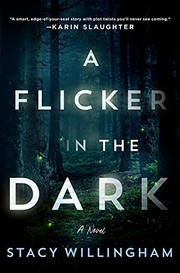
A Flicker in the Dark
Psychologist Chloe Davis faces copycat disappearances in Baton Rouge twenty years after her father confessed to murders.
3,074-word summary · 14 min read

What She Knew
Rachel lets her eight-year-old son run ahead in a Bristol park, and the nine-day search turns her into a suspect in the public eye.
2,952-word summary · 13 min read

The Beach House
A young valet is beaten to death at a Hamptons party, and his law-student brother spends a year building a case against the family that covered it up.
2,049-word summary · 9 min read

Six Years
A professor who promised to forget the woman he loved sees her husband's obituary and discovers that the wedding, the marriage, and the woman herself may never…
2,076-word summary · 9 min read

Rules of Prey
Minneapolis detective Lucas Davenport hunts a killer who leaves a new rule at every scene and treats murder as a game of wits.
1,914-word summary · 9 min read

4th of July
Lindsay Boxer shoots two armed teenagers in self-defense, faces a wrongful-death trial, and spends her leave chasing a string of throat-slashing murders in…
2,192-word summary · 10 min read

61 Hours
A bus crash strands Jack Reacher in a snowbound South Dakota town where a drug gang, a corrupt police force, and a single witness are on a collision course.
2,227-word summary · 10 min read

Still Missing
A realtor is abducted at a Vancouver Island open house and held for more than a year. Told through therapy sessions, the novel follows her escape and the hunt…
2,466-word summary · 11 min read

Bad Luck and Trouble
A deposit of $1,030 summons Jack Reacher back to his old army unit, which is being picked off one name at a time.
2,366-word summary · 11 min read

3rd Degree
The third Women's Murder Club novel follows a San Francisco terror cell and a three-day killing schedule, and it costs the club a member.
2,685-word summary · 12 min read

Worth Dying For
Reacher stops for one night in rural Nebraska and finds a family that runs the county, a missing girl and a shipment worth killing for.
2,021-word summary · 9 min read

The Best of Friends
Three lifelong friends discover their teenage sons were hiding more than anyone knew after a night that leaves one dead, one in a coma and one silent.
2,040-word summary · 9 min read

Say You're Sorry
A widowed prosecutor defends the teenager accused of killing her babysitter, uncovering a small town's secrets and a killer hiding in plain sight.
2,116-word summary · 9 min read

Echo Burning
Reacher hitches a ride with a Texas woman who wants her abusive husband killed, then has to prove she did not murder him when he comes home.
2,209-word summary · 10 min read

Girl, Forgotten
A rookie US marshal guards a judge with a stalker and ends up reopening the 1982 prom-night murder of the judge's pregnant daughter.
2,111-word summary · 9 min read

The Woods
Twenty years after two teenagers were murdered and two vanished at summer camp, prosecutor Paul Copeland identifies a fresh corpse as one of the missing.
2,490-word summary · 11 min read

The Boy from the Woods
Wilde, found feral in a New Jersey forest in 1986, hunts for a missing teenager while a senator's secrets tear a wealthy town apart.
2,270-word summary · 10 min read
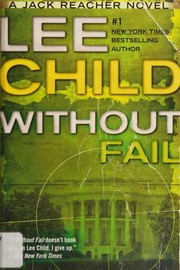
Without Fail
Reacher is asked to test vice presidential security by planning to kill.
2,084-word summary · 9 min read
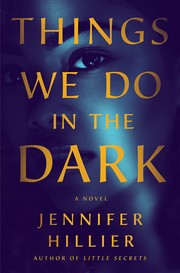
Things We Do in the Dark
A comedian kills her husband, then a podcaster digs up her teen murder past.
2,427-word summary · 11 min read

The Widow
A widow of a suspected criminal faces reporters and police while hiding what her marriage really cost.
2,599-word summary · 12 min read
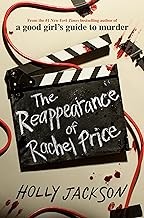
The Reappearance of Rachel Price
Bel films a doc when her missing mother walks back after years.
2,254-word summary · 10 min read
The Racketeer
A jailed lawyer trades a judge murder secret for freedom and revenge.
2,434-word summary · 11 min read