
Reading options
What's inside (8 sections)
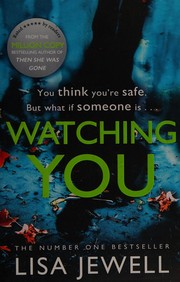
I started this one late at night and made the mistake of checking the street outside before bed. Watching You was published December 26, 2018 by Atria Books and the hardcover runs 336 pages. Lisa Jewell sets it in Bristol in a tight hilltop row called Melville Heights, all painted fronts and shared walls where everyone sees a little too much. It opens with a body on a kitchen floor and then steps back three months to show how the street got there.
The hook is simple. A young wife with a fresh marriage moves into her brother's spare room and falls hard for the man next door. A teenage boy with a camera logs every coming and going. A schoolgirl worries her teacher is too close to her best friend. Police interviews sit between chapters, so you read knowing someone will die without knowing who did what.
I liked the setup more than I expected. Jewell writes houses well. Doors that do not shut right. Kitchens that smell of other people's cooking. A spare room that feels borrowed. The street feels both pretty and airless, the kind of place where a new arrival is noticed at once.
A house on the hill and a new start
Joey Mullen is twenty six and a little lost. She spent four years working in Ibiza, married Alfie in a rush after her mother died, and came home to England without a plan. Alfie is warm and easy, good in a bar, less good with bills and quiet evenings. Joey misses her mum with a physical ache and talks to her at the graveside when no one is near.
Her older brother Jack offers a lifeline. He is a heart surgeon, steady and kind, living two doors down from the yellow house everyone admires. He lives there with his wife Rebecca, who is pregnant and trying to keep the house calm. Joey and Alfie take the spare room to save money and help out before the baby comes. Joey grew up looking up at those painted houses from the lower part of town. Living in one feels like luck she has not earned.
Two doors down live the Fitzwilliams. Tom is around fifty, tall and sure, the new head of the local school brought in to turn it around. Parents love him. Pupils repeat his phrases. His wife Nicola is much younger, slight and watchful, often out running early with her hood up. Their son Freddie is fourteen, bright in a prickly way, fluent in several languages, set on working for MI5 one day.
Jewell takes her time with the move in. Grocery runs. A kettle that whistles. Joey trying to be useful while feeling in the way. Alfie talks about babies and Joey smiles while her chest tightens. She is not sure she married for the right reasons and she is scared to say it out loud.
The street watches without meaning to at first. Curtains shift. Bins go out. Cars park in the wrong spot. Then watching turns pointed.
Three watchers
The book moves between three main views, with police transcripts tucked in. Joey watches Tom. Freddie watches everyone. Jenna watches Tom for a different reason.
Joey tells herself it is harmless. Tom says hello over the fence. He remembers her name. He asks about Ibiza and listens as if he has all day. He is twice her age and married, which should end it. Instead it sharpens it. She times her walks to pass his house. She learns his running route and his school hours. She feels guilty and thrilled in the same hour.
Freddie watches from his window with a notebook and a camera. He logs plates, times, dog walkers, delivery vans, girls from school. He wants to be a spy and practices by being exact. He photographs neighbors without asking and keeps files with dry labels. He is rude to his parents, tender with no one except in brief flashes, lonely in the way clever teens can be when they have no friend to match them.
Jenna Tripp is sixteen and lives on the same street with her mum. She studies at Tom's school with her best friend Bess. Jenna likes school but trusts her gut. Tom has taken a shine to Bess, keeping her after class, praising her work, offering lifts and extra help. Other girls would call it luck. Jenna calls it wrong. Her mum has her own fears. Divorced and frayed, she is sure the Fitzwilliams are linked to a bad holiday encounter years back and that they followed her to Bristol to keep her under watch. Jenna loves her mum and also sees the illness in the claim.
I found Freddie the hardest to sit with and the most memorable. He is snide, exact, and oddly open on the page. His logs slow the pace in the middle, but they pay off because he sees things adults miss.
Small cracks
As January turns to February, each house shows strain.
Joey and Alfie bicker about money and about a baby. Alfie wants a family soon. Joey stalls. She likes Alfie and also wonders if grief pushed her into the marriage. She drinks a little too much at street drinks. She laughs too loud at Tom's jokes. Rebecca watches with polite worry. Jack works long hours and misses the edge in the house.
Tom and Nicola fight behind closed doors. Sounds carry through old walls. Freddie hears thumps and sharp voices and finds marks he cannot explain. He starts to wonder if his father hurts his mother or if his mother hurts his father. Nicola runs more and eats less. Tom stays smooth in public, the fixer head who can calm a hall of teens, then goes flat at home. Jewell does not settle the question early. She lets both readings sit.
Jenna's home frays faster. Her mum checks locks, covers cameras she believes are hidden, asks Jenna to repeat who she spoke to and when. Jenna tries to shield Bess while managing her mum. Bess, flattered by a powerful teacher's notice, pulls away a little. That small distance hurts more than any row.
The school adds pressure. Tom's star slips as whispers start. A parent asks why Bess gets so much time. A teacher notes late detentions. Tom explains it as care for a bright girl who needs pushing. It sounds plausible and a little too smooth.
No one here is clean, which kept me turning pages even when I wanted to shake them. Joey lies to Alfie about where she goes. Freddie takes photos of girls without consent. Jenna reads her friend's messages. Nicola hides letters and boxes. Tom hides more.
The hotel plan
About midway, Joey and Tom agree to meet in a hotel. The plan grows from texts and glances and one long talk where each admits feeling trapped. Joey sees rescue. Tom sees relief. Both project a better life onto a person they barely know outside the street.
Jewell handles the scene with restraint. Joey arrives first, nervous about her dress and her reasons. She orders water she does not drink. She rehearses what she will say about Alfie and cannot make it sound kind. When Tom arrives, the air changes fast.
He is not the man from the fence. Up close he looks tired. He talks about Nicola in a way that mixes pity and fear. Joey notices marks and a story that does not line up. She starts to see strain where she had seen charm. What she had called an all consuming passion shrinks into something smaller and sadder, an itch for escape while she avoids hard choices about work, money, and marriage.
They do not go through with it. That matters for what follows. Joey leaves shaken rather than triumphant. Tom leaves exposed. Both return to houses where someone has noticed absence.
After that day Joey tries to pull back. She volunteers for extra shifts. She helps Rebecca fold baby clothes. She tells Alfie part of the truth but not the hotel. The street, though, has already filed the sightings. Freddie saw. A neighbor saw. Jenna heard. When the police later ask when she last saw Tom, her answer sounds thin even to her.
I appreciated that Jewell does not let Joey off easy. The crush had real costs before any crime. Trust thins. Alfie drinks more. Rebecca goes quiet. Jack asks if they need space. Infatuation here is not cute. It is corrosive.
A body and a set of interviews
The prologue had shown Detective Rose Pelham standing over a body in the Fitzwilliam kitchen. The middle of the book finally catches up to that morning in March. The victim is Nicola Fitzwilliam. The house is both orderly and wrong. A chair tipped. A phone left lit. No forced entry that explains itself.
From there the transcripts take more room. Short exchanges with Joey, Freddie, Jenna, Jack, Rebecca, neighbors, teachers. Dates and times. Who saw whom on which step. Who heard raised voices. Who walked past the yellow house at eight. The form suits the theme. Everyone watched a slice. No one watched the whole.
Joey becomes the clear suspect for a stretch. She had a known fixation on Tom. Phone records show contact. Her account of the hotel day wobbles. She had means to enter the street unseen and no solid alibi for the window the police care about. The suspicion felt fair on the page rather than forced. Jewell had laid the trail in plain sight.
Freddie's logs turn central. Times, photos, notes on who carried what. He had seen his parents fight. He had seen Joey near the house. He had seen strangers too. His exactness helps and also hurts, because his habit of watching girls draws anger and distracts from what his notes prove. One stretch where he refuses to share a file dragged for me, though I understood the fear behind it.
Jenna's thread tightens around Bess. Tom's attention to Bess looks worse once Nicola is dead. Did he cross a line at school. Did Bess hide it. Did Jenna misread care as threat. Jewell keeps the school material careful. She does not use cheap shock. She shows how power can look like kindness until you stand close.
The police work feels steady rather than flashy. Pelham asks plain questions and waits. She re asks about the same ten minutes. She lets silence do work. Readers who want forensics and chases may find this slow. Readers who like pressure building in kitchens and corridors will feel it.
Who did it and whether the book earns it
The answer reaches back years before Melville Heights. Nicola had once been Nikki, a schoolgirl tied to the bullying of another girl called Viva, real name Genevieve Hart. Viva died young after cutting her hair and leaving no clear note, first treated as suicide. Nicola kept a tied bundle of hair connected to that death, a keepsake that reads as guilt and trophy at once. Freddie finds it while going through his mother's boxes and brings it to Tom, who finally sees that his wife had hidden a darker past.
The killer is Rebecca. Quiet, pregnant Rebecca, who barely registers in early chapters beside Jack's warmth. She is Viva's older sister. She moved through the book in the background, folding clothes and making tea, while carrying a plan tied to that old loss. She watched Nicola as closely as anyone watched Tom. When the moment came in the yellow house, she acted.
I will not lay out each beat of the final confrontation here because the last pages land better when you meet them in order. The epilogue letter reframes a past episode and invites you to reread earlier kindness as strategy. Some readers will find it jolting in a good way. Some will find it leans on a figure the book kept soft on purpose.
That choice is my main criticism and also the point. Jewell hides the most driven person behind domestic routine. It works as misdirection, but it asks a lot. Rebecca gets fewer close chapters than Joey, Freddie, or Jenna, so her grief arrives late and fast. I believed the motive. I wanted ten more pages of her before the end to feel the weight of years rather than hearing it in summary.
Other quibbles held for me across the read. The middle sags under three full viewpoints plus transcripts plus school subplots. Freddie's voice, all sarcasm and lists, can wear. Joey repeats her loop of shame and longing a few times too many. Jenna's mum is drawn with care, but her worst moments border on plot device when the street needs a scare.
What holds is stronger. The street feels real. The marriages feel lived in. The theme never feels pasted on. Watching starts as curiosity, curdles into control, and ends with harm. Each watcher pays. Joey loses ease with Alfie and with herself. Freddie learns that seeing is not the same as knowing. Jenna learns that protecting a friend can mean doubting an adult everyone trusts.
Jewell received strong notices for this one, including starred reviews in trade outlets, and it is easy to see why. The pace stays brisk even as time jumps back and forth across three months. The third person narration lets her slide between houses without losing the thread. The ending unsettles rather than tidies, which fits a book about people who never saw the full picture.
If you liked Then She Was Gone, expect a different shape here. Less missing child ache, more neighbor pressure. No single vanished girl, but a row of girls being looked at too long. It stands alone, so you can start here. Newlyweds who married fast, parents of teens, anyone who has ever timed a walk to pass a certain house will wince in recognition.
I closed it thinking about my own street. Who I notice. Who notices me. What I assume from a lit window. That linger is what I want from this kind of thriller, even when I argued with its choices along the way.
FAQ
When was Watching You published?
Watching You was published December 26, 2018 by Atria Books. The hardcover runs 336 pages, ISBN 9781501190070.
Who tells the story?
Joey, fourteen year old Freddie, and sixteen year old Jenna carry most chapters, with police interview transcripts between them.
Is Watching You part of a series?
No. It stands alone. Lisa Jewell sets it in Bristol with no link to Then She Was Gone or The Family Upstairs.
Similar books
The Family Remains
Lucy returns to London as bones on the Thames reopen the Chelsea mansion deaths.
2,304-word summary · 10 min read
The Family Upstairs
Libby Jones inherits a Chelsea mansion and a past tied to a cult house, two runaways, and a baby left waiting.
3,300-word summary · 15 min read
Keep It in the Family
Mia and Finn renovate a long empty house and find seven children hidden in the attic.
2,270-word summary · 10 min read
What Lies Between Us
Nina keeps mother Maggie locked upstairs for years, trading lies about sisters and deaths that unravel fast.
2,062-word summary · 9 min read
The Chain
Rachel must kidnap another child to save kidnapped Kylie, entering a chain where parents pass crime forward.
2,021-word summary · 9 min read
Pieces of Her
After her mother kills a mall shooter with shocking skill, Andy Oliver uncovers a hidden 1980s past of radicals and wealth.
2,791-word summary · 12 min read
The Good Daughter
Twenty eight years after a home invasion shattered her family, a lawyer witnesses a school shooting that reopens old wounds.
2,505-word summary · 11 min read
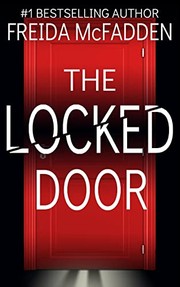
The Locked Door
Surgeon Nora Davis hides serial killer father while patients die.
2,465-word summary · 11 min read
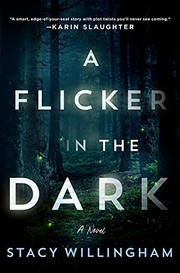
A Flicker in the Dark
Psychologist Chloe Davis faces copycat disappearances in Baton Rouge twenty years after her father confessed to murders.
3,074-word summary · 14 min read
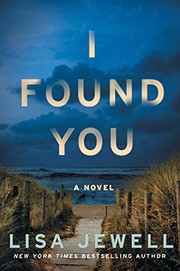
I Found You
A man with no memory on a beach, a vanished husband, and a 1993 holiday collide in a seaside town.
2,990-word summary · 13 min read
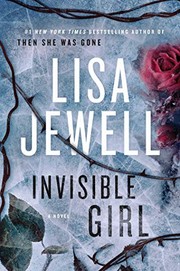
Invisible Girl
A missing teen, a strained marriage and a doxxed loner collide in London.
1,996-word summary · 9 min read
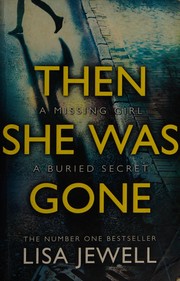
Then She Was Gone
Ten years after Ellie vanished, her mother finds a link in a new family.
1,956-word summary · 9 min read

What She Knew
Rachel lets her eight-year-old son run ahead in a Bristol park, and the nine-day search turns her into a suspect in the public eye.
2,952-word summary · 13 min read

The Beach House
A young valet is beaten to death at a Hamptons party, and his law-student brother spends a year building a case against the family that covered it up.
2,049-word summary · 9 min read

Six Years
A professor who promised to forget the woman he loved sees her husband's obituary and discovers that the wedding, the marriage, and the woman herself may never…
2,076-word summary · 9 min read

Rules of Prey
Minneapolis detective Lucas Davenport hunts a killer who leaves a new rule at every scene and treats murder as a game of wits.
1,914-word summary · 9 min read

4th of July
Lindsay Boxer shoots two armed teenagers in self-defense, faces a wrongful-death trial, and spends her leave chasing a string of throat-slashing murders in…
2,192-word summary · 10 min read

61 Hours
A bus crash strands Jack Reacher in a snowbound South Dakota town where a drug gang, a corrupt police force, and a single witness are on a collision course.
2,227-word summary · 10 min read

Still Missing
A realtor is abducted at a Vancouver Island open house and held for more than a year. Told through therapy sessions, the novel follows her escape and the hunt…
2,466-word summary · 11 min read

Bad Luck and Trouble
A deposit of $1,030 summons Jack Reacher back to his old army unit, which is being picked off one name at a time.
2,366-word summary · 11 min read

3rd Degree
The third Women's Murder Club novel follows a San Francisco terror cell and a three-day killing schedule, and it costs the club a member.
2,685-word summary · 12 min read

Worth Dying For
Reacher stops for one night in rural Nebraska and finds a family that runs the county, a missing girl and a shipment worth killing for.
2,021-word summary · 9 min read
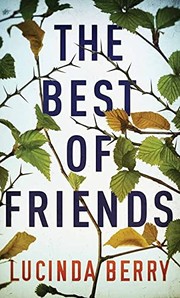
The Best of Friends
Three lifelong friends discover their teenage sons were hiding more than anyone knew after a night that leaves one dead, one in a coma and one silent.
2,040-word summary · 9 min read

Say You're Sorry
A widowed prosecutor defends the teenager accused of killing her babysitter, uncovering a small town's secrets and a killer hiding in plain sight.
2,116-word summary · 9 min read

Echo Burning
Reacher hitches a ride with a Texas woman who wants her abusive husband killed, then has to prove she did not murder him when he comes home.
2,209-word summary · 10 min read

Girl, Forgotten
A rookie US marshal guards a judge with a stalker and ends up reopening the 1982 prom-night murder of the judge's pregnant daughter.
2,111-word summary · 9 min read

The Woods
Twenty years after two teenagers were murdered and two vanished at summer camp, prosecutor Paul Copeland identifies a fresh corpse as one of the missing.
2,490-word summary · 11 min read

The Boy from the Woods
Wilde, found feral in a New Jersey forest in 1986, hunts for a missing teenager while a senator's secrets tear a wealthy town apart.
2,270-word summary · 10 min read
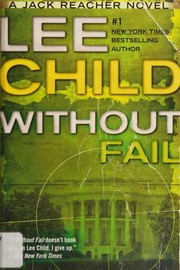
Without Fail
Reacher is asked to test vice presidential security by planning to kill.
2,084-word summary · 9 min read
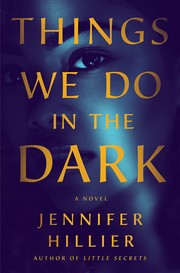
Things We Do in the Dark
A comedian kills her husband, then a podcaster digs up her teen murder past.
2,427-word summary · 11 min read