
Reading options
What's inside (4 sections)
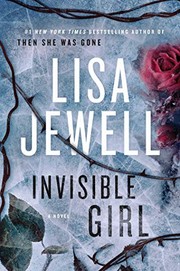
I had read Then She Was Gone and The Family Upstairs, so I knew Jewell does missing girls with domestic dread rather than police procedure. Invisible Girl, first published in 2020, Atria Books edition running 368 pages, ISBN 9781982137359, follows three people circling a disappearance in North London. Saffyre Maddox, seventeen, troubled teen in therapy after assaults. Cate Fours, mother of two who thinks her husband may be cheating. And Owen Pick, thirty something virgin who lives with his aunt and gets accused online. When Saffyre vanishes on Valentine's night after leaving Cate's house, those threads knot. It is propulsive, uncomfortable about incels and male loneliness, and better on mothers than on police.
Saffyre is the heart even when absent. Ten years old when her mother dies? Actually raised by aunt and uncle after parents? She self harms, sees therapist Roan Fours, Cate's husband, develops a crush that feels like love to her and alarm to him. Roan ends therapy appropriately but Saffyre keeps watching his house. She babysits for Cate and Roan's kids, Bronwyn and Josh, to stay close. On the night she disappears she leaves their house upset after an argument about boundaries. Jewell writes Saffyre with care not to sexualize. She is lonely, grieving, making bad choices to feel seen. A scene where she posts a photo hoping Roan likes it and watches likes accrue from strangers instead captures teen need for witness without preaching.
Cate, Roan, and a marriage under watch
Cate Fours is forty something, former teacher, now home with kids, anxious in ways that feel lived. She counts calories, checks Roan's phone, hates her body after babies. She loves Roan but fears he wants younger women. When Saffyre disappears after babysitting, Cate replays every interaction. Was Roan too kind. Did Saffyre misread. Did Cate miss signs because she was jealous. Those spirals drive the middle better than any detective. Jewell lets Cate be wrong about small things and right about big ones. She suspects Roan unfairly while correctly sensing someone near watches.
Roan is a therapist who tries to do right and gets punished for optics. He ended Saffyre's therapy when crush emerged, referred out, documented. After she vanishes, police and internet treat documentation as cover. His chapters show a good man in a impossible position. Help a troubled girl and risk accusation. Distance and risk abandonment. A scene where he deletes a voicemail from Saffyre without listening because boundaries require it, then learns she is missing, will haunt any helping professional. Did boundary kill. Jewell does not answer cleanly. She shows Roan replaying ethics codes while Cate replays marriage. Both are trying to be good with incomplete information.
Owen Pick is the riskiest creation and the reason the book stands out. Thirty three, virgin, lives with aunt Hinch? Actually with aunt in same house, works as IT support, bullied at school, posts angry forums about women under a handle. He follows Saffyre once after seeing her cry, not to hurt but from confused chivalry, then obsesses online. After she vanishes, amateur sleuths dox him. His photo spreads. He loses work. Jewell writes his loneliness without excusing misogyny. He says vile things online and is also capable of gentleness to his aunt and to a neighbor's cat. That duality is uncomfortable on purpose. Readers who want pure villain or pure victim will be frustrated. He is both a product of forums and a person making choices. A chapter where he deletes his account and then remakes it the same night felt painfully true to addiction loops.
The disappearance investigation itself is procedural light. DS Fiske? Actually detectives interview, check CCTV, search woods. Jewell keeps police in background to foreground families and suspects. That choice speeds pages but strains belief twice. CCTV that should exist does not. A search that should happen waits a day. Accept it or the book stalls. What matters is how suspicion moves online. Screenshots, hashtags, maps with Owen's house starred. Jewell, writing in 2019 before publication, predicted 2020s true crime TikTok cruelty well. Strangers decide Owen did it because he looks like type. Cate shares posts while hating herself for sharing. Roan watches reputation die by rumor. Those dynamics feel more current now than at publication.
For pacing, the first 150 pages rotate thirds steadily. Saffyre before, Cate marriage, Owen forums. After disappearance, Cate dominates while Owen hides and Roan lawyers up. Two Cate stakeouts in a row, following Roan, checking his office, blurred for me. I skimmed one because the pattern, suspect husband, find nothing, feel guilty, was clear. Then a short Owen chapter where he feeds his aunt's dog while reading threats snaps it back. Ordinary care inside panic. Jewell knows when to drop a small kindness after big suspicion.
What happened on Valentine's night
Without giving the solution, Saffyre's last walk involves more than one man and more than one failure to help. Jewell plays fair with clues about who drives which street, who texts when, who hears a scream and decides it is cats. The reveal about where Saffyre went after Cate's house reframes earlier sympathy. Someone readers trusted did something selfish that enabled worse. Someone dismissed as creepy did something brave too late. That moral mixing is the point. No one person caused everything. Many small neglects added to crime.
I guessed part of the ending halfway because Jewell telegraphs one driver's guilt through avoidance. Who looks away when Saffyre named. But the full mechanics, how she was kept and by whom, surprised me. It relies on London geography, alleys behind Cate's street, a vacant property, that rewards careful readers. Rereading early walks with a map helps. Jewell plants a jogger, a delivery van, a dog walker who matter later without highlighting. Those background figures are doing more than color. Pay attention to anyone walking a dog. Dogs notice what people miss.
For craft, Jewell's sentences are plain and fast. Short chapters, many ending on a text or a doorbell. Dialogue sounds like North London parents at school gates. If you want lyrical prose, look elsewhere. This is plot and psychology. She writes mothers' interior especially well. Cate counting bites, hating her thighs, loving her kids fiercely while resenting the life that keeps her home. Those contradictions make Cate feel real rather than worried wife type. Saffyre's posts and journals also ring true without trying too hard to sound teen. No excessive slang. Just need stated plainly.
For criticism, the incel forum material, while well researched, sometimes reads as tour. Owen lurks, reads terms, repeats them in his head with definitions attached for readers. Two glossary like paragraphs slowed momentum. Also, Saffyre's assault history, two separate attacks before disappearance, gets summarized quickly to motivate therapy. Given its importance, I wanted one more scene showing rather than telling impact, though I understand why Jewell stays restrained. And the final police resolution leans on a confession that comes fast after long dread. It works but feels rushed after careful buildup. One more interview chapter would have helped.
Still, at 368 pages it flies. I read it in two sittings, checking doors before bed. The last fifty pages, where Cate must decide whether to trust Roan with her children while police decide about Owen, are genuinely tense because both choices risk. Jewell does not let marriage or justice be clean. Cate chooses to believe Roan while still watching. Police charge while still doubting online sleuths. Those partial trusts feel adult after thriller certainties.
For who this is for. If you liked Then She Was Gone, this is less twisty but angrier about internet justice. If you want cozy mystery, look elsewhere. Teen self harm, sexual assault, virgin shaming, and missing child fear here are blunt. If you are a parent of teens, some Saffyre chapters will be hard, especially therapy boundary scenes. I am not a parent and still paused twice. I closed it thinking about Owen feeding his aunt's dog while strangers posted his address, and about Cate deleting a share button she already pressed. Jewell wants you to sit with how fast you decided who did it, and why that speed felt like care when it was consumption.
Roan's ethics files as plot engine deserve closer look because Jewell gets therapy details right in ways thrillers often botch. Intake forms, risk assessments, supervision notes, referral letters when attraction emerges. Roan documents Saffyre's crush immediately, consults a supervisor, ends treatment with a plan, keeps copies. Those dull papers become his only defense when police ask why he texted once after termination to check safety. Was that boundary crossing or aftercare. Both, depending on who reads. A scene where Roan shows his supervisor emails to detectives while Cate watches from the hall captures helping professions' dilemma. Care leaves a paper trail that looks like guilt to outsiders. Helpers learn to write defensively, which harms the next client who needs warmth. That systemic bind matters more than whodunit and Jewell knows it. She lets Roan be right on paper and still doubted in person, which is how reputations die now. Screenshots beat files.
Cate's body shame as surveillance internalized also runs deeper than jealousy plot. She measures thighs, skips meals, hates photos Saffyre takes that show her tired. When Saffyre disappears in clothes Cate lent, Cate fixates on whether the top looked good rather than where the girl is, then hates herself for vanity. Those spirals feel lived, not written for theme. Mothers in Jewell's books punish themselves for normal thoughts during crisis. Am I bad for noticing my weight while a teen is missing. Yes and no. Human brains multitask grief with vanity. Cate's honesty about that multitasking makes her sympathetic even when she shares Owen's photo online while knowing better. She wants to help and to be seen helping. Both motives coexist. Jewell does not excuse the share. She shows why a scared mother clicks. That why is the book's uncomfortable gift. You would click too, and you would hate yourself after, and the click would remain.
Owen's aunt as anchor also needs naming. She houses him after his parents died? Actually after family fracture, feeds him, defends him to neighbors while privately fearing online posts are true. Their scenes, tea made exactly, rent paid in cash, dog walked together, show interdependence that forums miss. When police search, she offers tea to officers searching her nephew's room. That politeness is not naivety. It is strategy learned from years of managing Owen's outbursts. Keep calm, cooperate, survive. After doxxing, she still shops with him so he is not alone, facing stares that could turn. That loyalty costs her friendships. Neighbors stop waving. She keeps waving first. Few thriller side characters get that much quiet heroism. She is not solving crime. She is keeping a person alive through accusation, which may be harder.
The North London street itself as pressure cooker deserves a final paragraph because Jewell maps suspicion onto pavements. Cate's road with Victorian terraces, shared alleys, basement flats, school run crowds, has eyes that know routines. Who leaves when. Which teen cuts through. Owen's house with aunt, curtains twitching, bins put out late. Saffyre walking between Roan's office and Cate's house along routes with CCTV gaps. After disappearance, those same streets fill with searchers, journalists, online mappers who never visited. Neighbors who waved become witnesses who edit. A woman who saw Saffyre at 6pm says 7pm on camera to seem helpful. That small lie wastes hours. Jewell shows how communities help and harm at once through geography. Proximity breeds care and rumor together. Cate cannot shop without hearing theories. Owen cannot walk his aunt's dog without being filmed. The street that felt safe becomes stage. Moving would help but no one can afford to move, which traps them together in dread. That economic stuckness, mortgages and rents that prevent flight, keeps thriller pressure on without extra bodies. Place as cage is cheaper than killers and scarier because real.
FAQ
Who disappears in Invisible Girl?
Saffyre Maddox, seventeen, in therapy with Roan after assaults, babysits for Cate and vanishes on Valentine's night after leaving their house upset.
When was Invisible Girl published?
Atria Books published it in 2020. The edition cited runs 368 pages with ISBN 9781982137359.
Similar books
The Family Remains
Lucy returns to London as bones on the Thames reopen the Chelsea mansion deaths.
2,304-word summary · 10 min read
I Found You
A man with no memory on a beach, a vanished husband, and a 1993 holiday collide in a seaside town.
2,990-word summary · 13 min read
Watching You
A new wife in Bristol fixates on a charismatic neighbor while a teen boy logs every move before a murder.
2,363-word summary · 11 min read
The Family Upstairs
Libby Jones inherits a Chelsea mansion and a past tied to a cult house, two runaways, and a baby left waiting.
3,300-word summary · 15 min read
Then She Was Gone
Ten years after Ellie vanished, her mother finds a link in a new family.
1,956-word summary · 9 min read

The Best of Friends
Three lifelong friends discover their teenage sons were hiding more than anyone knew after a night that leaves one dead, one in a coma and one silent.
2,040-word summary · 9 min read
The Reappearance of Rachel Price
Bel films a doc when her missing mother walks back after years.
2,254-word summary · 10 min read
Keep It in the Family
Mia and Finn renovate a long empty house and find seven children hidden in the attic.
2,270-word summary · 10 min read
What Lies Between Us
Nina keeps mother Maggie locked upstairs for years, trading lies about sisters and deaths that unravel fast.
2,062-word summary · 9 min read
The Chain
Rachel must kidnap another child to save kidnapped Kylie, entering a chain where parents pass crime forward.
2,021-word summary · 9 min read

Pieces of Her
After her mother kills a mall shooter with shocking skill, Andy Oliver uncovers a hidden 1980s past of radicals and wealth.
2,791-word summary · 12 min read
All the Little Houses
In 1980s Longview, Texas, social queen Charleigh and daughter Nellie guard mean-mom secrets when a new family threatens their empire.
2,206-word summary · 10 min read
The Girl Before
Jane moves into minimalist One Folgate Street and must face what happened to Emma before it repeats.
3,562-word summary · 16 min read

A Slow Fire Burning
A young man stabbed on a London houseboat leaves three simmering women and a stolen memoir behind.
2,074-word summary · 9 min read
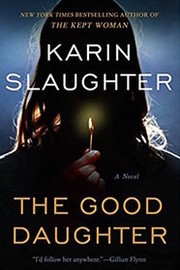
The Good Daughter
Twenty eight years after a home invasion shattered her family, a lawyer witnesses a school shooting that reopens old wounds.
2,505-word summary · 11 min read
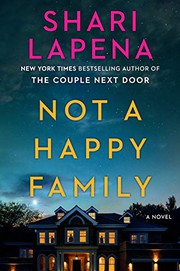
Not a Happy Family
After a bitter Easter dinner, Fred and Sheila Merton are found dead and their three adult children each hold a motive.
3,764-word summary · 17 min read
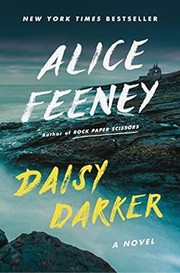
Daisy Darker
A family gathers on a tidal island for an 80th birthday and someone starts killing to a nursery rhyme.
1,917-word summary · 9 min read
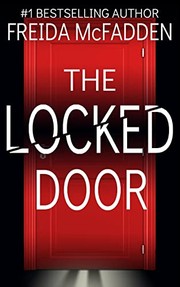
The Locked Door
Surgeon Nora Davis hides serial killer father while patients die.
2,465-word summary · 11 min read
Nine Perfect Strangers
Nine guests enter Tranquillum House for ten days while director Masha hides smoothies and motives.
2,313-word summary · 10 min read
A Flicker in the Dark
Psychologist Chloe Davis faces copycat disappearances in Baton Rouge twenty years after her father confessed to murders.
3,074-word summary · 14 min read

The Girls in the Garden
Clare moves her daughters to a gated London garden where the community feels safe; at the midsummer party, twelve-year-old Pip finds her sister bleeding in the…
1,973-word summary · 9 min read
The Night She Disappeared
Two teen moms vanish one night, and two years later a writer finds notes in the woods.
1,993-word summary · 9 min read

What She Knew
Rachel lets her eight-year-old son run ahead in a Bristol park, and the nine-day search turns her into a suspect in the public eye.
2,952-word summary · 13 min read

The Beach House
A young valet is beaten to death at a Hamptons party, and his law-student brother spends a year building a case against the family that covered it up.
2,049-word summary · 9 min read

Six Years
A professor who promised to forget the woman he loved sees her husband's obituary and discovers that the wedding, the marriage, and the woman herself may never…
2,076-word summary · 9 min read

Rules of Prey
Minneapolis detective Lucas Davenport hunts a killer who leaves a new rule at every scene and treats murder as a game of wits.
1,914-word summary · 9 min read

4th of July
Lindsay Boxer shoots two armed teenagers in self-defense, faces a wrongful-death trial, and spends her leave chasing a string of throat-slashing murders in…
2,192-word summary · 10 min read

61 Hours
A bus crash strands Jack Reacher in a snowbound South Dakota town where a drug gang, a corrupt police force, and a single witness are on a collision course.
2,227-word summary · 10 min read

Still Missing
A realtor is abducted at a Vancouver Island open house and held for more than a year. Told through therapy sessions, the novel follows her escape and the hunt…
2,466-word summary · 11 min read
Saving Noah
A seventeen-year-old swimmer confesses to molesting two girls he coached, and his mother must decide what unconditional love is worth.
2,976-word summary · 13 min read