

Reading options
What's inside (9 sections)
I picked up A Slow Fire Burning because The Girl on the Train made Hawkins a must read for me. Paula Hawkins published it in 2021 with Riverhead Books. My reading follows the 320 page hardcover. A young man is found stabbed on a London houseboat, and three women connected to him smolder with guilt and rage. It is a twisty whodunit about revenge, stolen stories, and how long secrets burn before they flame.
Daniel Sutherland, twenty three, is found dead on his houseboat on Regent's Canal, stabbed and gruesome. The police circle quickly. Laura Kilbride slept with Daniel the night he died. She is volatile, lonely, and lives with the aftermath of a childhood skull fracture that damaged her ability to regulate emotion. She feels too much and shows it too loudly, which makes her an easy suspect. Miriam Lewis lives on the neighboring boat, found the body, and pocketed a bloody key before calling anyone. She is prickly, older, and carries a horrific attack from decades ago that she wrote about in an unpublished memoir. Carla Myerson is Daniel's aunt by marriage, respectable and strained, watching her family crack.
Three women, one victim
Hawkins structures the book around Laura, Miriam, and Carla, each simmering toward Daniel for different reasons. Laura loved the attention Daniel paid and hated how quickly he withdrew it. Her chapters show a woman trying to function with a brain injury that makes every slight feel enormous. She loses jobs, alienates friends, and clings to anyone kind. When Daniel is warm one night and cold the next, her hurt curdles. Whether hurt becomes violence is the question the police ask too fast.
Miriam watches everything on the canal and trusts no one. Years ago she survived an attack that should have killed her, wrote a memoir called The One Who Got Away, and shared it with exactly one man who could help her publish. That decision poisoned her life. She is funny in a bitter way, feeds cats, argues with neighbors, and hoards secrets like blankets. Finding Daniel's body triggers old reflexes. Take what matters. Tell no one fully. Her theft of the key looks damning until you learn she steals safety wherever she finds it.
Carla holds a respectable life that is quietly buckling. Her husband Theo Myerson is a once promising novelist who built his reputation on a book that was not really his. Their toddler son died years ago in a fall at Daniel's mother's house, a loss that hollowed the marriage. Carla mothers, works, and keeps peace while resenting everyone who moved on faster. Daniel's death forces her to look at what her family buried. Respectability, Hawkins suggests, is just resentment with better curtains.
The stolen book inside the book
The novel's engine is literary theft. Decades ago Miriam gave her memoir manuscript to Theo Myerson, who used it without credit as the basis for his acclaimed novel. He changed names, kept wounds, and took prizes. Miriam got nothing but the knowledge that her worst days became his best chapters. That betrayal connects directly to Daniel because Theo is Daniel's uncle by marriage, and the families have tangled ever since the child's death.
Hawkins includes excerpts from Theo's novel and flashbacks to Miriam's youth, so readers piece together what really happened in that long ago attack and who profited. Those embedded texts slow the thriller pace deliberately. Some readers will find them rich. Others will want the canal investigation to hurry. I liked them because they show how stories get laundered. A woman's trauma becomes a man's art becomes a family's money. Everyone touches it. No one thanks her.
Theo himself is a study in entitled decay. Once bright, now blocked, drinking, and cruel in small domestic ways. He patronizes Carla, envies younger writers, and clings to Daniel as proof he matters to someone young. His chapters made my skin crawl in the way Hawkins intends. He is not a monster who kills. He is a man who takes, which the book treats as its own violence with longer fuse.
The question of who killed Daniel can not be separated from who stole Miriam's life first. Hawkins braids the two crimes until the final chapters reframe both. I will not name the hand that held the knife here beyond saying the reveal ties the key, the memoir, and the fall together, and that the coincidences some reviewers grumbled about felt to me like the point. Damaged people orbit the same canal, the same family, the same story. Of course threads cross.
Canal life and London texture
The Regent's Canal setting gives the book its damp, close atmosphere. Houseboats rock, ducks argue, neighbors hear everything through thin walls. Miriam's boat is cluttered and watchful. Daniel's was young and careless. Laura's flat is temporary and bare. Hawkins writes London as villages stacked together, each with its own gossip. The police, decent and tired, work the case without genius leaps. Interviews, phone records, and patience. That procedural modesty grounds the melodrama.
Class friction hums underneath. Daniel had prospects and a mother with a nice house. Laura has a council flat and a record of incidents. Miriam has a boat and a past no one believes. Theo has a name that opens doors his talent no longer earns. Hawkins, a journalist for fifteen years before fiction, reports these gradients without lecturing. Who gets believed. Who gets searched. Who gets to write the story. The answers track money and manners as much as facts.
Small characters add color without clutter. A detective who likes cats. A neighbor who saw nothing and says so loudly. A bookseller who remembers Theo's launch party. Those walk ons make the canal feel populated rather than staged for murder. I believed people lived here before Daniel died, which made his death interrupt something real.
What satisfies and what strains
What satisfies is character work and the slow burn structure the title promises. Hawkins lets resentment accumulate like heat before flame. Laura's impulsivity, Miriam's guardedness, and Carla's composure each get full interiority, so the late twists recontextualize rather than cheat. The final fifty pages move fast and land hard. I reread two chapters immediately to check the setup. It was there, quiet and fair.
What strains is coincidence density. The victim's uncle stole the witness's memoir, the witness lives next door, the lover's childhood injury mirrors themes of damage, the dead toddler connects all houses. As the PW review noted, the reliance on coincidence keeps it below Girl on the Train's standard for some. I noticed and mostly forgave because Hawkins writes damaged people clustering together as truth, not contrivance. Hurt folks moor near each other. Still, one reveal too many leans on a chance meeting years ago that felt engineered.
The prose is clean, propulsive, and dialogue heavy. Short chapters. Rotating close third person. Excerpts and flashbacks inset. It reads fast for a book about slow burns. That speed suits commutes and keeps dread humming. Literary readers may find it thin compared to Jonas Jonasson style whimsy or Tana French depth. Thriller readers will find it exactly calibrated. Know which you are.
Length at 320 pages suits the tale. No bloat. A few middle chapters of Theo self pity could trim, but they earn his comeuppance. The ending offers justice of a kind, though not courtroom neat. Some wounds close. Some smolder on. That remainder feels honest for a book titled as warning. Fires go out. Burns stay.
Laura's damage and Miriam's archive
Laura Kilbride deserves longer attention because Hawkins risks most with her. A childhood accident left her with frontal lobe damage that strips filters. She says what others swallow. She trusts too fast. She rages when frightened. Men use her openness and call her crazy after. Hawkins writes her without condescension or cure narrative. Laura attends programs, takes meds irregularly, and tries to hold a job while her brain misfires under stress. A scene where she rehearses a normal phone greeting three times before calling about work moved me more than any twist. Difference is daily labor most people never see.
Her night with Daniel shows both tenderness and warning. He is kind when others perform kindness for show. They talk, laugh, and sleep together without promises. In the morning he cools, busy with his own life. Laura reads abandonment into ordinary distance because her neurology amplifies. That does not make her killer. It makes her vulnerable to being read as one. Hawkins critiques that rush to blame while still letting Laura be difficult. She steals a memento. She lies about times. Those choices muddy her case realistically. Good people facing suspicion act stupidly. Laura, with fewer filters, acts stupidly louder.
Miriam's archive of the past gives the book its second spine. She kept the memoir manuscript, rejection letters, and Theo's novel with passages underlined where he lifted her sentences. Those underlined pages, shown to Carla late, detonate the respectable marriage more than any affair could. Proof of theft sits in margins. Carla, who built a life on Theo's reputation money, must decide what to do with proof that the money is stolen pain. Her choice to confront rather than bury marks her growth from peacekeeper to actor. That shift powers the finale as much as any arrest.
The toddler's death backstory also needs weight. Years ago Theo and Carla's small son died in a fall at Daniel's mother's house while adults looked away briefly. Blame scattered and stuck nowhere, which rotted all relationships. Daniel's mother never forgave. Carla never forgave herself. Theo drank through guilt into theft and spite. Daniel grew up inside that unspoken ledger. His death forces the audit. Hawkins handles the dead child with restraint, never using it for cheap tears. It appears in glimpses. A high chair stored. A birthday unmarked. Those absences ache precisely because no one monologues. Grief lives in furniture.
What finally satisfies is how the three women's resentments prove legitimate even where their actions are not. Laura was used. Miriam was robbed. Carla was abandoned to manage everyone's feelings. Daniel, charming and careless, triggered each without fully causing any. The killer's identity, when it comes, feels less like surprise than recognition. Of course it was that wound, that key, that night. Rereading shows Hawkins planted hands everywhere. Hands that take keys. Hands that type others' stories. Hands that fail to catch toddlers. The book is about hands.
Reading the reveal fairly
Hawkins plants the ending in plain sight through objects readers dismiss as texture. The bloody key Miriam pockets. The manuscript pages Theo keeps. The toddler's high chair. The houseboat's thin walls. Each gets a casual mention chapters before it matters, then returns with weight. That planting rewards rereading without cheating first timers who lack context to weigh them. Fair play mysteries should work both ways. Surprise now. Inevitability later. This one manages both for most readers, though the sheer number of damaged people in one orbit will stretch belief for some. Accept the canal as magnet for hurt and the shape holds.
What lingers after the killer's naming is not procedure but cost accounting. Laura faces consequences that treatment may soften but not erase. Miriam gains vindication without youth restored. Carla keeps a marriage redefined by ugly truth. None walk free in any real sense, even those law clears. Hawkins understands that aftermath outlasts verdicts. Neighbors remember. Bodies stay buried. Memoirs stay stolen except in moral ledger. That ledger, balanced privately if not publicly, gives the book its final satisfactions. Debts named. Hands washed or at least examined.
Who should watch it burn
Give A Slow Fire Burning to thriller readers who like character first, to Hawkins fans who want canal London after trains and rivers, to book clubs that enjoy arguing about who is worst. It suits autumn nights as the UK cover promises. Do not give it to readers who need likable heroes or hard procedural detail. Pair it with Into the Water for Hawkins' full set of damaged women and cold water.
At 320 pages I read it in three sittings, marking Miriam lines. Daniel starts adored and ends mourned by few, while three women who had reason to hate him must face what hate costs. That accounting, meticulous and human, is why the book holds past its coincidences. Revenge feels warm until it burns the holder. Hawkins knows. She shows the scars.
FAQ
When was A Slow Fire Burning published?
Riverhead Books published it in August 2021. The hardcover runs 320 pages and the ISBN is 9780735211230.
Is it part of a series?
No. It stands alone after The Girl on the Train and Into the Water, with a new cast on Regent's Canal.
Who are the three women?
Laura Kilbride, who loved him; Miriam Lewis, the neighbor who found him; and Carla Myerson, his aunt by marriage.
Similar books
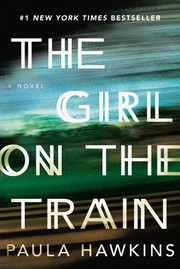
The Girl on the Train
Paula Hawkins's The Girl on the Train retold: Rachel's commute, Jess and Jason, Megan missing, and what really happened that night.
2,391-word summary · 11 min read

What She Knew
Rachel lets her eight-year-old son run ahead in a Bristol park, and the nine-day search turns her into a suspect in the public eye.
2,952-word summary · 13 min read

The Beach House
A young valet is beaten to death at a Hamptons party, and his law-student brother spends a year building a case against the family that covered it up.
2,049-word summary · 9 min read

Six Years
A professor who promised to forget the woman he loved sees her husband's obituary and discovers that the wedding, the marriage, and the woman herself may never…
2,076-word summary · 9 min read

Rules of Prey
Minneapolis detective Lucas Davenport hunts a killer who leaves a new rule at every scene and treats murder as a game of wits.
1,914-word summary · 9 min read

4th of July
Lindsay Boxer shoots two armed teenagers in self-defense, faces a wrongful-death trial, and spends her leave chasing a string of throat-slashing murders in…
2,192-word summary · 10 min read

61 Hours
A bus crash strands Jack Reacher in a snowbound South Dakota town where a drug gang, a corrupt police force, and a single witness are on a collision course.
2,227-word summary · 10 min read

Still Missing
A realtor is abducted at a Vancouver Island open house and held for more than a year. Told through therapy sessions, the novel follows her escape and the hunt…
2,466-word summary · 11 min read

Bad Luck and Trouble
A deposit of $1,030 summons Jack Reacher back to his old army unit, which is being picked off one name at a time.
2,366-word summary · 11 min read

3rd Degree
The third Women's Murder Club novel follows a San Francisco terror cell and a three-day killing schedule, and it costs the club a member.
2,685-word summary · 12 min read

Worth Dying For
Reacher stops for one night in rural Nebraska and finds a family that runs the county, a missing girl and a shipment worth killing for.
2,021-word summary · 9 min read

Say You're Sorry
A widowed prosecutor defends the teenager accused of killing her babysitter, uncovering a small town's secrets and a killer hiding in plain sight.
2,116-word summary · 9 min read

Echo Burning
Reacher hitches a ride with a Texas woman who wants her abusive husband killed, then has to prove she did not murder him when he comes home.
2,209-word summary · 10 min read

Girl, Forgotten
A rookie US marshal guards a judge with a stalker and ends up reopening the 1982 prom-night murder of the judge's pregnant daughter.
2,111-word summary · 9 min read

The Woods
Twenty years after two teenagers were murdered and two vanished at summer camp, prosecutor Paul Copeland identifies a fresh corpse as one of the missing.
2,490-word summary · 11 min read

The Boy from the Woods
Wilde, found feral in a New Jersey forest in 1986, hunts for a missing teenager while a senator's secrets tear a wealthy town apart.
2,270-word summary · 10 min read

Without Fail
Reacher is asked to test vice presidential security by planning to kill.
2,084-word summary · 9 min read

Things We Do in the Dark
A comedian kills her husband, then a podcaster digs up her teen murder past.
2,427-word summary · 11 min read

The Widow
A widow of a suspected criminal faces reporters and police while hiding what her marriage really cost.
2,599-word summary · 12 min read
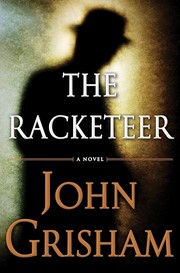
The Racketeer
A jailed lawyer trades a judge murder secret for freedom and revenge.
2,434-word summary · 11 min read

The Night Swim
A true crime podcaster covers a rape trial while probing an old drowning in a small town.
2,260-word summary · 10 min read
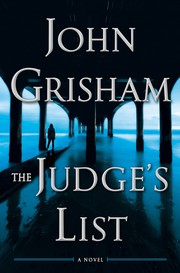
The Judge's List
Lacy Stoltz hunts a sitting judge who murders off his list.
2,513-word summary · 11 min read
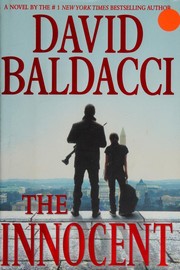
The Innocent
A government hitman refuses one kill and must protect a teenage girl at the center of a cover-up.
2,403-word summary · 11 min read
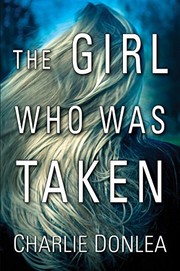
The Girl Who Was Taken
A survivor returns alone while a reporter digs for her lost sister.
2,261-word summary · 10 min read

The Club
A luxury island resort for the rich turns deadly when secrets, staff and guests collide.
2,386-word summary · 11 min read
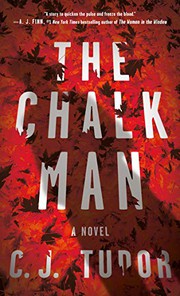
The Chalk Man
Childhood chalk codes lead to a murder that follows friends thirty years later.
2,350-word summary · 10 min read
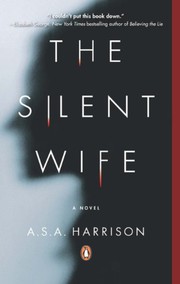
The Silent Wife
A Chicago psychologist watches her twenty-year partnership collapse when Todd leaves for Natasha, then plans murder.
2,591-word summary · 12 min read
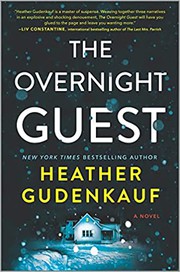
The Overnight Guest
A snowbound writer shelters a lost boy in Iowa while a twenty-year-old story of neglect closes in.
2,580-word summary · 11 min read
Running Blind
Jack Reacher must catch a killer who murders women with no forced entry and no trace.
2,008-word summary · 9 min read
Keep It in the Family
Mia and Finn renovate a long empty house and find seven children hidden in the attic.
2,270-word summary · 10 min read