
Reading options
What's inside (4 sections)
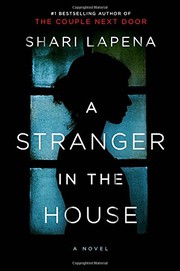
I had read The Couple Next Door and found it twisty enough to try Lapena again, though I worried about suburban thriller sameness. A Stranger in the House, first published in 2017, Doubleday Canada edition running 320 pages, ISBN 9780385686976, follows Karen Krupp, who crashes her car with no memory of why she was speeding, and her husband Tom, who may be hiding why she fled. It is domestic suspense with amnesia done fairly, short chapters, and a neighborhood where everyone watches. I finished it in two evenings and guessed half right, which is my favorite ratio for this genre. Surprised enough to admire, right enough to feel smart.
Karen wakes in hospital after crashing into a pole at high speed in a part of town she had no reason to visit. She has a concussion and gaps. Tom, her husband of two years, second marriage for both? Actually first? He is kind, worried, brings clothes, answers police. At home, Karen finds dinner half made, phone with calls she does not remember, a stain she cannot explain. She tries to reconstruct through notes and by walking routes. Tom helps and hovers. His help feels loving and controlling in turns. He does not want her driving. He does not want her talking to police alone. Is that care after trauma or management of story. Lapena lets both readings live for 200 pages, which sustains dread better than twists. Everyday kindness as possible cover. You watch Tom make tea and wonder about dosage. That suspicion of domestic care is the book's engine and why mothers especially may find it unnerving. Who makes your food when you cannot remember eating.
What Karen did that night
The investigation runs parallel through Detective Rasbach, who appeared in Couple Next Door and returns with dry patience. He interviews Karen gently, notes inconsistencies without accusing, checks traffic cameras, canvasses restaurants. His chapters are procedural calm against Karen's panic. He learns Karen visited a restaurant where a man was later found dead. Did she kill him. Did she see. Did she flee after witnessing. Karen herself does not know, which makes her sympathetic and unreliable at once. She wants truth and fears it. A scene where she finds a receipt in her coat for a place she denies visiting and hides it from Tom shows dilemma. Tell husband and risk anger. Tell police and risk arrest. Tell no one and risk memory never returning. She chooses partial telling that satisfies no one, which is very human. Trauma makes strategists of us all, usually bad ones.
Tom's point of view alternates and is where Lapena plays fairest. He loves Karen, married quickly after divorce, works in finance? Actually runs something? He has money worries he hides to seem stable. He was home that night, or says so, with phone records to prove except gaps. He searches Karen's phone when she sleeps and hates himself after. Those small betrayals, shown from inside his worry rather than as villainy, complicate dislike. When police ask about his first wife's death? Actually about past? I will keep light to avoid spoilers, but Tom has history that makes him look guilty to readers trained by thrillers to suspect husbands. Lapena knows you suspect Tom and uses it. She gives him secrets that are embarrassing rather than murderous, then one secret that is worse, timed to maximize doubt right before reveal. That timing is manipulative in the good genre sense. You suspect the wrong secret while missing the right one in plain sight.
The dead man, Robert? Actually a neighbor? He is found shot in his home, no forced entry, knew Karen slightly through community. The connection emerges through bridge games? Actually through neighborhood watch? Details matter less than pattern. Karen, Tom, victim, and victim's wife Brigid form a square of affairs, debts, and glances. Brigid, sharp and grieving, befriends Karen while watching. Their coffee scenes crackle because both perform normalcy while probing. Is your husband home nights. Did you hear shots. Those scripts sound polite and cut. Lapena writes suburban talk with ear for threat inside manners. Compliments that warn. Questions that accuse. Anyone who attends HOA meetings will recognize the tone. Nice as weapon.
For pacing, the amnesia middle could stall with repeated I don't remember. Lapena avoids by giving Karen new memories in fragments that change meaning. A flash of headlights. A song on radio. A smell of cologne. Each return reframes last chapter without retconning. Two therapy sessions in a row follow similar beats, relax, picture, flinch. I skimmed one because pattern, almost remember then headache, was clear. Then a Hypnosis? Actually a walk through the crash intersection where Karen remembers speeding because she was crying, not fleeing, snaps it back. Emotion as memory key rather than fact. She was upset about something Tom said. What exactly returns slowly across chapters. Those incremental returns keep pages turning more than twists. You read to remember alongside, not to be shocked.
Who is the stranger
Without giving solution, the title refers to more than intruder. Karen feels strange to herself after concussion. Tom feels strange as secrets emerge. The victim was strange in ways neighbors missed. The actual killer uses strangeness as cover, acting familiar to enter. That theme, familiarity as danger, runs through Lapena's suburb books. You invite in neighbors, repairmen, friends of friends. Danger does not break in. It is let in with tea. The reveal about that night uses this well. Someone Karen trusted enough to meet was dangerous enough to kill nearby. She fled and crashed not from guilt but from fear she cannot name without memory. When memory returns in full during a kitchen scene with Tom present, the danger shifts from past to present. Remembering in front of the wrong person can kill. That real time recall as climax works better than flashback exposition because bodies are in room. Tom must act on love in seconds. He does, though imperfectly, which redeems some hovering.
For craft, Lapena's sentences are plain and fast for 320 pages. Short chapters, many ending on a found object. Receipt, stain, text. If you want lyricism, look elsewhere. This is plot as house tour. Each room holds a clue about marriage. Kitchen shows who cooks. Closet shows who hides. Garage shows whose car has damage. Those domestic inventories keep suspense grounded. You learn the Krupps by shelves rather than backstory dumps. When police inventory victim's house similarly, parallels emerge. Two homes with secrets in junk drawers. Which drawer matters is the puzzle. Pay attention to phones. Who charges where tells who sleeps where.
For criticism, amnesia as device requires convenience. Karen remembers what plot needs when needed, forgets what would solve too early. A doctor explains concussion gaps plausibly, but timing still serves twists. Also, Tom's finances get summarized quickly to motivate late actions. One more scene of him at work failing would deepen pressure. As is, money worry is stated more than shown. And Brigid, vivid early, fades mid book when Karen isolates, then returns for finale needing quick reintroduction. A short check in chapter mid would help. Still, at 320 pages it flies for length. I read the last 100 pages standing in my kitchen because sitting felt too calm for crash reconstruction. The final pages, with Karen choosing what to tell police about memory versus proof, land morally gray in satisfying ways. Truth as strategy, not virtue. Tell enough to be safe, hold enough to stay married. That compromise feels adult after thriller absolutes.
For who this is for. If you liked Couple Next Door, this shares detective and suburb but stands alone fine. You need no prior. If you want cozy mystery, look elsewhere. Car crashes, shootings, and marital distrust here are blunt. If amnesia plots annoy you with repetition, know Lapena varies returns through senses rather than same questions. I almost skimmed and am glad I did not. The smell memory that breaks case is worth wait. I closed it thinking about my own kitchen as crime scene, what receipts hide in coats. Check yours kindly. Forgetting is not always innocent, but it is often human before it is guilty.
Brigid as grieving widow who investigates deserves a final paragraph because Lapena uses her to mirror Karen without merging. Brigid lost husband to violence Karen may have witnessed and cannot remember. She befriends Karen with casseroles and questions, each visit both kind and reconnaissance. She notes what Karen remembers about that night by what she avoids mentioning. Those coffees, with sugar stirred too long while listening, show widows doing detective work police cannot because friendship opens doors warrants cannot. Brigid learns Karen is hiding a receipt before police do because Karen relaxes around another wife who understands marriage fear. That trust exploitation feels queasy even as it solves. Using grief to get truth from grieving. Lapena does not excuse. She shows Brigid hating herself for manipulating while continuing because she needs answers about her husband's death more than she needs clean methods. That need as justification will divide readers. Is it okay to befriend to investigate. Police do with informants. Widows do from desperation. Both leave stains. When Brigid finally tells Karen she knew more than said, their friendship breaks in ways that hurt more than arrests. Betrayal by someone who brought soup cuts deeper than stranger danger. The book understands that domestic suspense wounds through kitchens, not alleys. Who you let in to help decides who can hurt.
Detective Rasbach as steady outsider also holds the book's ethics when marriages wobble. He appeared in Couple Next Door as patient, returns here with same dry calm, interviewing without rushing silence. He tells Karen she can stop anytime and means it, which paradoxically gets truth faster than pressure. He tells Tom he understands protecting wives while noting protection looks like obstruction on paper. Those balanced warnings give procedural credibility missing from many domestic thrillers where police barge. Rasbach waits, watches houses from car without Harassing? Actually without harassing, brings coffee to uniforms on stakeout. Small decencies that make him trustworthy to readers and characters. When he finally arrests, it feels reluctant rather than triumphant. Someone must answer for dead man. Evidence points, not moral judgment. That restraint lets Lapena end without sermon about marriage or memory. People do what they do for reasons that make sense inside houses. Law judges acts, not reasons. Living with reasons after law leaves is the real sentence Karen and Tom serve together, separately, in the same house made strange by what night hid.
Karen's concussion as physical fact that behaves like metaphor deserves a last look because Lapena researched symptoms well enough to ground twists. Headaches that spike with noise. Light sensitivity that makes grocery stores unbearable. Words that vanish mid sentence then return at 3 a.m. Those details make amnesia feel medical rather than convenient. When Karen pushes to remember faster than brain allows, symptoms worsen in ways that cost information rather than gain. Forcing recall through revisiting crash site too soon triggers vomiting that erases the day's gains. That setback teaches patience the plot needs. Truth arrives at brain speed, not reader speed. Tom learns to stop quizzing and start noting. What did you remember today without trying. Those gentle check ins yield more than interrogations. Their marriage improves through concussion protocol that forbids pressure. Rest, routine, no screens before bed. Following doctor orders together rebuilds trust better than apologies. Care as compliance with boring instructions. Take pills on time. Drive only when cleared. Those dull adherences prove love more than grand protection gestures that hide control. When Karen finally remembers fully during ordinary dishwashing rather than staged hypnosis, the ordinariness convinces. Brains return when safe and bored, not when forced on couches. Let dishes and time do work therapy started. That patience, hard for thriller pacing that wants reveals on schedule, is Lapena's quiet virtue here. Wait for brain. It knows when ready.
FAQ
Who are Karen and Tom?
Karen Krupp, who crashes speeding where she should not be, and Tom her husband who helps and hovers. Detective Rasbach interviews gently.
When was A Stranger in the House published?
Doubleday Canada published it in 2017. The paperback runs 320 pages with ISBN 9780385686976.
Similar books
The Couple Next Door
After a dinner next door, Anne and Marco find baby Cora gone and every neighbor has a motive.
2,053-word summary · 9 min read

The Widow
A widow of a suspected criminal faces reporters and police while hiding what her marriage really cost.
2,599-word summary · 12 min read
The Silent Wife
A Chicago psychologist watches her twenty-year partnership collapse when Todd leaves for Natasha, then plans murder.
2,591-word summary · 12 min read

Every Last Secret
A wealthy wife tracks a possible affair, but dinners, therapy, and a sudden death expose buried secrets across two polished suburban marriages and force her to…
2,687-word summary · 12 min read
Bring Me Back
Finn lost Layla at a French rest stop twelve years ago. Now engaged to her sister Ellen, he faces sightings, emails and Russian dolls that reopen everything.
2,912-word summary · 13 min read
The Soulmate
A cliffside fall leaves a wife doubting her husband as old abuse and buried secrets surface.
2,126-word summary · 9 min read

Strangers in the Villa
A strained couple in a Spanish villa takes in guests who refuse to leave.
2,208-word summary · 10 min read

My Husband's Wife
Artist Eden Fox returns from a run to find her key fails at Spyglass and her husband claims a stranger is his wife in Hope Falls.
2,437-word summary · 11 min read

I Found You
A man with no memory on a beach, a vanished husband, and a 1993 holiday collide in a seaside town.
2,990-word summary · 13 min read
The Wives
A woman who sees her husband only on Thursdays tracks down his other wives and learns her marriage is not what she believed.
2,454-word summary · 11 min read

The Golden Couple
A cheating wife, a watchful husband, and a rule-breaking therapist collide in a marriage repair that hides stalking, a vanished woman, and a murder plot.
2,677-word summary · 12 min read
Something in the Water
Honeymoon divers find a bag of cash and diamonds at sea, then lie until lies cost more.
1,943-word summary · 9 min read

Sometimes I Lie
Radio host Amber wakes in a coma, able to hear but not move. Her husband may not love her, and three timelines close in.
2,399-word summary · 11 min read
The Wife Upstairs
A struggling dog walker falls for a wealthy widower in Alabama, but his missing wife may still be alive upstairs.
3,255-word summary · 14 min read

The Last Mrs. Parrish
A con artist targets a rich wife, then the marriage game turns with a hidden past.
2,018-word summary · 9 min read
Before I Go to Sleep
Christine wakes each day with no memory, and her secret journal reveals her husband lies.
2,577-word summary · 11 min read
The Wife Between Us
A jealous ex-wife stalks her replacement, but nothing in this marriage is what it seems.
2,756-word summary · 12 min read

Rock Paper Scissors
Amelia and Adam spend a locked anniversary weekend at Blackwater Chapel, trading letters that hide who wrote what.
3,135-word summary · 14 min read
The Perfect Marriage
A defense lawyer defends her husband accused of killing his mistress.
2,084-word summary · 9 min read
The Last Thing He Told Me
Hannah Hall gets a note saying Protect her, then her husband vanishes and she must team with his teen daughter to find why.
2,951-word summary · 13 min read
Never Lie
Newlyweds snowed in at a missing psychiatrist's house find tapes of patients.
3,849-word summary · 17 min read
The End of Her
A sleep-deprived mother of twins faces a stranger's accusation that her husband murdered his first wife in Shari Lapena's domestic suspense novel.
2,383-word summary · 11 min read

Someone We Know
A teen burglar, two unsigned apology letters, and a murdered neighbor wife turn a quiet suburb paranoid.
2,743-word summary · 12 min read
An Unwanted Guest
Ten guests snowed in at Mitchell's Inn wake to a death on the stairs, then another, with no way to call out.
2,650-word summary · 12 min read
Not a Happy Family
After a bitter Easter dinner, Fred and Sheila Merton are found dead and their three adult children each hold a motive.
3,764-word summary · 17 min read

What She Knew
Rachel lets her eight-year-old son run ahead in a Bristol park, and the nine-day search turns her into a suspect in the public eye.
2,952-word summary · 13 min read

The Beach House
A young valet is beaten to death at a Hamptons party, and his law-student brother spends a year building a case against the family that covered it up.
2,049-word summary · 9 min read

Six Years
A professor who promised to forget the woman he loved sees her husband's obituary and discovers that the wedding, the marriage, and the woman herself may never…
2,076-word summary · 9 min read

The Trespasser
A Dublin Murder Squad detective investigates a staged dinner-party killing and finds a cover-up that reaches into her own department.
2,051-word summary · 9 min read

Rules of Prey
Minneapolis detective Lucas Davenport hunts a killer who leaves a new rule at every scene and treats murder as a game of wits.
1,914-word summary · 9 min read