

Reading options
What's inside (7 sections)
I picked this one after a week of heavy literary books when I wanted something fast and a little mean. A. R. Torre published Every Last Secret in 2020 with Thomas & Mercer, ISBN 9781542020190, a domestic thriller about rich couples who know too much about each other. The cover promised secrets and murder, and the first pages deliver a house that looks perfect from the street. I read it in two sittings, late at night with my phone face down, because the chapters kept ending right before an answer. It is not a book I admired the whole time. It is a book I finished quickly, which for this kind of story counts.
Cat Winthorpe is our guide, and she tells you at once that her life is managed. She is married to William, a successful man with easy charm, and they live in a wealthy suburb where couples have dinner on patios and remember who brought what wine. Cat does not work in the way her neighbors ask about work. She runs the house, runs the calendar, runs herself through workouts and salon visits and charity boards. She loves William with a focus that feels both romantic and watchful. Early pages show her checking his phone when he showers, then hating herself for it, then checking again.
The friend group is small and tight. Another couple, close friends who vacation with Cat and William, share babysitters and therapists and gossip. There are four seats at most dinners, sometimes six when neighbors join, but the core is those two marriages mirroring each other. One wife is looser, funnier, quicker to drink too much and say the thing. One husband is steadier, the peacemaker. Torre keeps names and roles clear enough that I never flipped back to check who was who, which I appreciated. What matters is the pattern. These people have known each other for years. They have keys to each other's houses. They know which drawer holds medicine and which closet hides gifts.
Cat starts to suspect William is having an affair. A late text. A shirt that smells wrong. A lunch he forgets to mention. She finds herself driving past his office, asking casual questions that are not casual. Torre writes suspicion well here, the way a small detail replays all day. Cat replays a dinner where William laughed too hard at another woman's joke. She replays a morning where he left early without kissing her. She tells herself she is tired. She tells her therapist a tidier version.
The perfect house on the block
The opening stretch builds the Winthorpe life brick by brick. Big house with clean counters, closet organized by color, fridge with meal plan pinned up. William comes home tired and kind, kisses Cat's neck, asks about her day. They have sex that Cat describes as still good, still frequent, which she offers as proof they are fine. They host friends for grilled fish and cold wine. They talk about schools and trips and renovations. Under it, Cat counts.
I liked how Torre shows money as both comfort and pressure. Cat does not worry about bills. She worries about being the wife who has everything and still feels sick. Her friends post photos from boats and fundraisers. Cat posts too, careful captions, careful smiles. At night she lies awake and listens to William breathe and wonders who else has listened to that sound. That image stayed with me because it was specific and sad without asking for pity.
Therapy scenes thread through this part. Cat sees a therapist alone, and later she and William go together. The therapist asks plain questions. What do you need that you are not getting. When did you last feel safe. Cat answers with polish at first, then with more truth as sessions continue. William answers with patience that sometimes feels like performance. I believed these scenes more than the dinner party banter because people drop the act faster on a couch they pay for.
The friend wife becomes a confidante and a problem. She tells Cat to relax, that all husbands look tired and guilty when work is busy. Then she tells a story about her own marriage that does not match what Cat has seen, a small lie about where her husband was one night. Cat files it away. In books like this, every small lie is a coin for later. Torre knows readers collect them, and she drops them steadily. A missing earring in a guest room. A car seen where it should not be. A phone left face down at dinner.
Cracks between two couples
The middle moves from worry to watching. Cat starts keeping notes, times and places, receipts and texts. She follows William once and loses him in traffic and sits in a parking lot crying because she feels crazy. She asks the friend husband, in a moment alone by a grill, whether William has seemed different at work. He covers too quickly. She notices. She befriends a neighbor to hear more. She replays old vacations, looking for signs she missed when everyone was tan and drunk and kind.
William, for his part, seems to try harder. Flowers without occasion. A weekend trip he plans. He tells Cat she is beautiful when she comes downstairs dressed for dinner, and Cat cannot tell if he means it or is managing her. Their talks loop. He says work is hard. She says she feels alone. He says he loves her. She says she knows but does not feel it. Torre does not make William a villain here. He is tired and fond and maybe hiding something, but he also rubs Cat's feet while they watch shows and remembers how she takes coffee. That mix kept me unsure, which is the point.
The other marriage frays in parallel. The friend couple fight louder, about money and flirting and who drinks too much. At one dinner, a joke lands wrong and silence spreads. At another, someone leaves early. Cat watches and compares. She tells herself her marriage is better because it is quieter. Her therapist suggests quiet is not the same as honest. Cat bristles, then admits the woman has a point.
Secrets surface in small bursts. Someone had a past relationship they never mentioned. Someone visited a lawyer. Someone paid for something in cash. None of it proves an affair, but together it creates a feeling that everyone in this circle edits their story. Cat starts to edit hers too, telling William she was shopping when she was following him, telling her friend she is fine when she is not, telling her therapist almost everything except the one thing she cannot say. I found this stretch slow in places, which I will address, but the slow burn does build pressure. By page one hundred something, I was sure someone would get hurt.
Torre adds outside pressure with work and money. William faces a deal that could change their standing. The friend husband leans on him. Phones ring at dinner. Laptops open after midnight. Cat feels the house tilt toward work and away from her. She plans a dinner meant to pull everyone close, cooks for hours, sets candles out. The night goes wrong in the way planned nights do when guests bring their moods with them. Someone drinks too fast. Someone checks a phone under the table. William steps outside to take a call. Cat follows with her eyes and burns the sauce.
Suspicion turns to watching
Around the halfway mark, Cat stops waiting and starts testing. She leaves her own phone out to see if William looks. She asks direct questions and watches his face instead of listening to answers. She goes through pockets, bags, car consoles. She finds nothing clear and finds everything suggestive. A receipt for a hotel bar. A matchbook. A text that says call me with no name attached. Each could be innocent. Together they hum.
She confides more in her friend, who urges caution one day and revenge the next. Their friendship, once easy, turns claustrophobic. They text all day. They meet for wine at lunch. They compare notes on husbands like teens comparing notes on boyfriends. I felt the appeal and the rot. Having someone who believes you feels good when you feel crazy. It also lets you avoid asking whether your witness is reliable.
A key scene happens at a party. Music loud, pool lit, everyone a little drunk. Cat sees William talking closely with a woman near the fence, heads bent, his hand on her arm. Cat freezes with a drink in her hand. The friend pulls her away before she can hear. Later William says it was about work, a private matter, nothing to worry about. Cat smiles and nods and spends the night replaying the hand on the arm. Torre writes that replay with patience. The hand moves in memory. It was guiding. It was tender. It was nothing. Cat cannot settle, and neither could I.
The therapist pushes Cat to speak to William without detective work. Use clear words. Say what you fear. Cat tries. The talk starts well and ends with both crying and neither clearer. William swears he loves her. Cat believes he loves her and still thinks he lies. That both and still structure is the book in small. Love and doubt can sit in the same chair.
Meanwhile the friend group keeps score. Who knew what and when. Who told whom. A lie about an alibi for one night spreads. Cat realizes the friends have been covering for each other in ways that exclude her. She feels like the only adult at the table without a full script. That loneliness pushes her to risk more. She shows up uninvited. She asks questions in front of others. She stops smoothing.
A death and the questions after
Then someone dies. I will keep this general to avoid spoiling the exact mechanics, because this book relies on surprise. The death looks at first like it could be accident or self harm, the kind of news that arrives by phone and does not make sense. Police ask routine questions. Friends gather and cry and bring food. Cat feels grief mixed with a ugly flash of relief, because now whatever was hidden may come out. She hates herself for that flash and keeps moving.
The investigation widens the cracks. Detectives ask about marriages, about fights, about who was where. Phone records matter. Timelines matter. The wealthy habit of handling things privately clashes with police procedure. Lawyers are called. Stories shift. What one person said at the kitchen table differs from what they tell police. Cat notices each shift and wonders which version is true.
Torre is good at the texture of this phase. Casseroles on porches. Group texts that go silent. A patio that was full every Friday now empty. William holds Cat at the memorial and Cat watches who does not come, who leaves early, who cries too hard or not enough. Suspicion, once focused on an affair, spreads to everything. Did the dead person know something. Did someone need them quiet. Did love turn to control.
Cat's own behavior draws attention. She was watching people before the death. She asked questions. She followed. Police notice. Friends notice. William notices and worries. Cat tries to explain that watching is what wives do when they feel shut out, but said aloud it sounds thin. She starts to doubt her memory of key nights. Did she see what she thinks she saw at the party. Did she hear a fight or dream it. Torre leans into that wobble without cheating. Cat is stressed and grieving and possibly wrong about details, but her core sense that these marriages hold secrets proves right again and again.
The friend wife becomes central here. She knows more than she said. She admits pieces slowly, a meeting here, a call there, always with a reason that almost fits. Cat presses. They fight and make up and fight again. Their talks swing between honesty and performance. I never fully trusted either woman in these scenes, which kept pages turning even when I disliked them both.
Every last secret and the twist
The final stretch stacks reveals. I will stay vague on specifics because the fun, if you like this kind, is the reframe. What looked like an affair becomes something else when you learn who arranged what. What looked like a devoted friend becomes something sharper when you learn what she wanted. What looked like Cat's paranoia becomes partly clear sight and partly self protection. Torre withholds one fact about Cat herself until late, and that fact changes earlier chapters in a way that made me flip back.
The twist asks you to rethink Cat as narrator. She told the truth about events but not always about motive. She showed you texts and receipts but not the full order of them. She described William's hand on an arm but left out where her own hands were that night. When the missing piece slots in, several scenes tilt. A therapy comment reads differently. A dinner silence means more. A kind act from William looks braver because he did not know everything Cat knew.
The death resolves in a way that fits the marriages more than the police file. Someone made choices that led to that night, choices built from jealousy and money and fear of losing status. No one is innocent in the sense of having clean hands. Guilt spreads. William learns things about Cat that scare him. Cat learns things about William that steady her in a strange way. The friends learn they never knew each other as well as they claimed over wine. Torre ends not with a courtroom but with a house, quieter, with fewer guests, where two people decide whether they can live with what they now know.
That choice, to end intimate rather than procedural, worked for me. The last pages between Cat and William are tense and tired. They speak more plainly than they have in years. They do not forgive everything. They measure what remains. A reader who needs punishment may feel shorted. A reader who likes marriage stories may find this the most honest part.
Now fair criticism, because this book annoyed me as often as it hooked me. The cast is hard to like for long stretches. Cat is sharp and often sympathetic, but she lies and snoops and pities herself. William charms and withholds. The friends drink and posture and wound each other for sport. Wealth cushions every blow, private therapists and lawyers and houses to retreat to, which can make their pain feel staged. If you need someone to root for, you may struggle. I stayed for curiosity more than care.
The setup runs slow. Dinners and texts and suspicion circle for a long time before the death changes the stakes. Torre repeats beats, another party, another late text, another talk that ends unclear, and about a third of the way in I wanted someone to act. Readers who like fast thrillers may skim. The twist, when it comes, stretches belief. It reframes Cat in a clever way, but it asks you to accept selective memory and well timed silence that feel built for surprise more than character. I bought the emotion more than the mechanics.
Still, I understand why this book finds fans. Torre writes smooth, readable prose with short chapters that pull you forward. She knows how suspicion feels in a marriage, how a phone face down can ruin a night, how friends can hold a group together and rot it at once. The 2020 Thomas & Mercer edition captures that glossy suburb world well, with its patios and fundraisers and quiet competition. If you like domestic suspense about marriage and secrets, with an unreliable edge and a final reframe, pour wine and start. Just do not expect to like these people. Expect to watch them, the way Cat watches William, until every last secret stops looking like love.
FAQ
When was Every Last Secret published?
A. R. Torre published it in 2020 with Thomas & Mercer. The edition carries ISBN 9781542020190.
Is it part of a series?
No. It stands alone with no series, focused on Cat, William, and their close friends.
What kind of thriller is it?
It is domestic suspense about marriage and secrets with an unreliable edge. Expect slow setup, then a late reframe.
Similar books
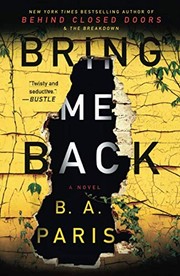
Bring Me Back
Finn lost Layla at a French rest stop twelve years ago. Now engaged to her sister Ellen, he faces sightings, emails and Russian dolls that reopen everything.
2,912-word summary · 13 min read

Six Years
A professor who promised to forget the woman he loved sees her husband's obituary and discovers that the wedding, the marriage, and the woman herself may never…
2,076-word summary · 9 min read

The Best of Friends
Three lifelong friends discover their teenage sons were hiding more than anyone knew after a night that leaves one dead, one in a coma and one silent.
2,040-word summary · 9 min read

Girl, Forgotten
A rookie US marshal guards a judge with a stalker and ends up reopening the 1982 prom-night murder of the judge's pregnant daughter.
2,111-word summary · 9 min read

The Boy from the Woods
Wilde, found feral in a New Jersey forest in 1986, hunts for a missing teenager while a senator's secrets tear a wealthy town apart.
2,270-word summary · 10 min read

The Widow
A widow of a suspected criminal faces reporters and police while hiding what her marriage really cost.
2,599-word summary · 12 min read
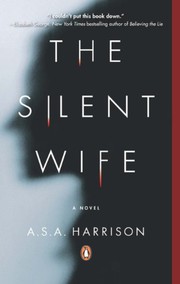
The Silent Wife
A Chicago psychologist watches her twenty-year partnership collapse when Todd leaves for Natasha, then plans murder.
2,591-word summary · 12 min read
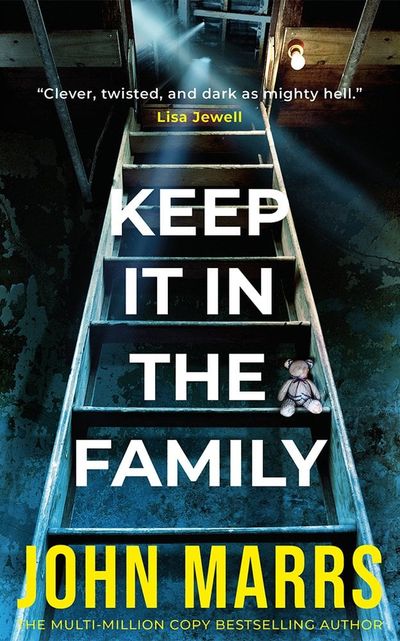
Keep It in the Family
Mia and Finn renovate a long empty house and find seven children hidden in the attic.
2,270-word summary · 10 min read

The Other Mrs.
A Chicago family inherits a house on a Maine island, then a neighbor is found murdered. Kubica's 2020 thriller builds to a final reframe.
2,267-word summary · 10 min read

Reconstructing Amelia
A grieving lawyer mother reopens her teen daughter's alleged suicide at an elite Brooklyn school, uncovering bullying and secrets.
2,032-word summary · 9 min read

Pieces of Her
After her mother kills a mall shooter with shocking skill, Andy Oliver uncovers a hidden 1980s past of radicals and wealth.
2,791-word summary · 12 min read

Strangers in the Villa
A strained couple in a Spanish villa takes in guests who refuse to leave.
2,208-word summary · 10 min read

My Husband's Wife
Artist Eden Fox returns from a run to find her key fails at Spyglass and her husband claims a stranger is his wife in Hope Falls.
2,437-word summary · 11 min read

Anatomy of an Alibi
Two Louisiana women swap lives for twelve hours to spy on a husband, then he turns up murdered and only one of them has an alibi.
2,278-word summary · 10 min read

All the Little Houses
In 1980s Longview, Texas, social queen Charleigh and daughter Nellie guard mean-mom secrets when a new family threatens their empire.
2,206-word summary · 10 min read
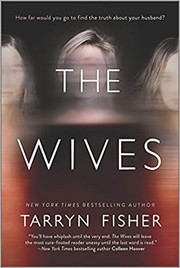
The Wives
A woman who sees her husband only on Thursdays tracks down his other wives and learns her marriage is not what she believed.
2,454-word summary · 11 min read
The Golden Couple
A cheating wife, a watchful husband, and a rule-breaking therapist collide in a marriage repair that hides stalking, a vanished woman, and a murder plot.
2,677-word summary · 12 min read
Something in the Water
Honeymoon divers find a bag of cash and diamonds at sea, then lie until lies cost more.
1,943-word summary · 9 min read

Sometimes I Lie
Radio host Amber wakes in a coma, able to hear but not move. Her husband may not love her, and three timelines close in.
2,399-word summary · 11 min read
The Wife Upstairs
A struggling dog walker falls for a wealthy widower in Alabama, but his missing wife may still be alive upstairs.
3,255-word summary · 14 min read

The Last Mrs. Parrish
A con artist targets a rich wife, then the marriage game turns with a hidden past.
2,018-word summary · 9 min read
The Wife Between Us
A jealous ex-wife stalks her replacement, but nothing in this marriage is what it seems.
2,756-word summary · 12 min read

Rock Paper Scissors
Amelia and Adam spend a locked anniversary weekend at Blackwater Chapel, trading letters that hide who wrote what.
3,135-word summary · 14 min read
The Perfect Marriage
A defense lawyer defends her husband accused of killing his mistress.
2,084-word summary · 9 min read
The Couple Next Door
After a dinner next door, Anne and Marco find baby Cora gone and every neighbor has a motive.
2,053-word summary · 9 min read

Never Lie
Newlyweds snowed in at a missing psychiatrist's house find tapes of patients.
3,849-word summary · 17 min read
The Good Lie
A psychiatrist and a grieving lawyer reopen a closed serial killer case in California and find the profile points somewhere painful.
2,964-word summary · 13 min read

What She Knew
Rachel lets her eight-year-old son run ahead in a Bristol park, and the nine-day search turns her into a suspect in the public eye.
2,952-word summary · 13 min read

The Beach House
A young valet is beaten to death at a Hamptons party, and his law-student brother spends a year building a case against the family that covered it up.
2,049-word summary · 9 min read

Rules of Prey
Minneapolis detective Lucas Davenport hunts a killer who leaves a new rule at every scene and treats murder as a game of wits.
1,914-word summary · 9 min read