
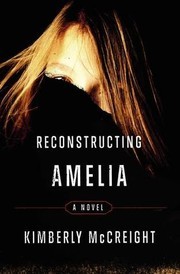
Reconstructing Amelia
2,032-word summary 9 min read 400 pages in the book
- First published
- 2013
- Publisher
- Harper
- Pages
- 400
- ISBN
- 9780062225436
Reading options
What's inside (9 sections)
I picked up Reconstructing Amelia expecting a standard private school mystery and found something sadder about mothers who work too much and daughters who hide too much. It follows Kate Baron, a high powered lawyer in Brooklyn, after her fifteen year old daughter Amelia falls from the roof at Grace Hall. Police call it suicide. A text says she did not jump. What follows moves between Kate now and Amelia before, with blog posts that show how fast girl cruelty travels online.
Kate and the call
Kate is a single mother and associate partner at a big firm, good at briefs and bad at bedtime. She loves Amelia fiercely and shows it by paying tuition, buying the right coat, and missing dinners for closings. Amelia is a scholarship honor student who loves Virginia Woolf, runs cross country, and keeps her head down among richer girls.
The day starts with a plagiarism charge. Amelia supposedly copied a Woolf paper. Kate is called to pick her up, runs late because a partner dumps work on her, and arrives to sirens. Amelia is dead on the pavement. The school offers condolences and a story. Overworked girl, caught cheating, jumped. Kate nods because grief leaves no room for doubt at first.
Back at work days later, numb and medicated, Kate gets a text from Amelia's number. She did not jump. She thinks it is cruel spam until a second detail arrives that only someone at school could know. She hires no one yet. She starts asking herself, walking the school, rereading Amelia's Facebook messages with a lawyer's eye for gaps.
What works here is Kate's guilt as engine. Every missed recital, every late pickup, every time she told Amelia to handle it herself now reads as failure. McCreight does not make Kate a villain. She makes her recognizable. A woman who thought money and school would protect a girl who needed time more.
Amelia in her own words
Chapters alternate between Kate now and Amelia before, plus posts from a school blog called gRaCeFULLY. Amelia's voice is strong. Funny about teachers, tender about her best friend Sylvia, shy about a boy named Ben she texts late. She describes Grace Hall as beautiful and airtight. Old building, new money, girls who smile while ranking you.
Amelia and Sylvia vow not to join the Magpies, a secret society of senior girls who trade favors and humiliations as tradition. When Amelia is invited alone, she breaks the pact and hides it. Initiation tasks start small. Deliver a note, skip a class, wear something daring to a party. Then they grow. Pose for photos in underwear, steal an exam, lie to a friend. Each step is filmed or logged as insurance.
She also falls into a tender romance with Dylan, a fellow Magpie who is kind in private and cold in public to keep status. They meet in library stacks and on roofs to talk. Amelia, unsure about labels, cares for Dylan deeply and fears telling Sylvia, who is dealing with her own boyfriend cheating. The secrecy isolates her exactly when she needs witnesses.
The blog posts add chorus. Anonymous girls cheer falls and mourn performatively. McCreight captures teen online cruelty without turning it into lecture. Likes pile on a photo Amelia begs to delete. Comments call her names she repeats in her head at night. It is 2013 social media, primitive by now, but the shame mechanics feel current.
The Magpies and the bullying
Zadie, the Magpie leader, runs the group through charm and fear. Rich, pretty, broken home polished into jokes. She chooses Amelia because Amelia is bright and therefore useful, then turns when Amelia hesitates. Small punishments become public. A swapped paper that triggers the plagiarism charge. A letter to Dylan forwarded to the whole school to out her. A text to Sylvia implying Amelia slept with Sylvia's boyfriend Ian.
Teachers see pieces and miss pattern. The headmaster wants secret societies gone and pressures Amelia to name names, promising protection he cannot give to Dylan, who is vulnerable at home. The counselor means well and pushes Amelia to tell Sylvia everything at the worst moment, when Sylvia is raw about Ian. Good intentions misfire in ways that felt true to schools I know.
Kate's investigation maps this slowly. She befriends officer Lew, a decent cop who lost a child himself and gives her files off the record. She interviews girls who lie with polished faces, mothers who defend daughters by attacking Amelia's memory, and a teacher who kept notes but feared suing parents. Each interview costs Kate sleep and billable hours. Her firm threatens to demote her. She keeps going because the alternative is accepting a lie on a stone.
A fair note is that the cast is large and some girls blur. I kept a list. Zadie leader, Dylan love, Sylvia best, Ian cheat, Ben texter. That core holds. The rest are uniforms with sharp lines. McCreight keeps momentum by ending chapters on texts or cliff notes, which can feel engineered but works for thriller pace.
Ben, Jeremy, and adult mess
The Ben thread surprised me. Amelia texts nightly with Ben, a gay teen who gets her jokes and calms panic. He seems safe because he wants nothing. Kate discovers Ben is actually Jeremy, her own boss and Amelia's biological father from a one night stand years earlier during her internship. He recognized Amelia by a genetic eye condition that runs in his family and inserted himself as confidant rather than declaring himself.
Jeremy is powerful, married, careful with image. He helped Kate's career while hiding paternity, then helped Amelia with homework chats while hiding identity. When Kate confronts him, he weeps and offers money and lawyers. She wants to hit him and also needs his access to school donors to get records. Their scenes crackle with disgust and use. He is not a monster. He is a coward whose secrecy left a girl with a false friend when she needed a father.
Other adults fail in smaller ways. Kate's ex Daniel, who thought he was father for years, drifts and drinks. Zadie's mother Adele pushes Zadie to recruit Amelia to settle old scores with Jeremy, turning teen hazing into proxy revenge. The headmaster cares more about reputation than girls. Only Lew and Sylvia's mother show steady adult care, bringing soup, rides, and blunt talk.
This adult rot matters because the book argues bullying needs permission. Magpies thrive because parents donate, alums protect tradition, and the school fears lawsuits more than girls. Kate, a lawyer, sees the machine from inside. She used to draft the very policies that now block her. That irony gives the middle chapters bite beyond whodunit.
What happened on the roof
I will keep the roof detail light to preserve suspense, but the shape is this. Amelia goes up to meet Sylvia to explain, bringing proof she did not sleep with Ian. Sylvia arrives primed by a Magpie text to believe the worst. They argue about Dylan, about the Magpies, about years of small lies between best friends. Sylvia shoves in anger, not plan. Amelia falls. Sylvia runs, then lies from panic, then lives with it.
Kate learns this last, after suspecting Zadie and confronting her in a scene that almost turns violent. The reveal lands as tragedy rather than twist. No serial killer, no grand plot. Two girls with no adult in reach, a phone buzzing with lies, a ledge too close. McCreight handles it without excusing. Sylvia is guilty of a push and of silence, and also a child failed by the same system.
The plagiarism truth follows the same pattern. Amelia did not cheat. Her real Woolf paper was swapped for a copied one as punishment for pulling back from the Magpies. Kate finds the original in a laptop cache with timestamps. Clearing her daughter's academic name becomes as important as clearing the death ruling. A mother can do that much.
The final chapters show consequences without neat healing. The Magpies disband under threat of expulsion and lawsuits. Zadie is sent to a school for troubled girls where she may or may not change. Sylvia confesses and faces juvenile process. Kate leaves the firm for smaller work with sane hours. She visits Amelia's grave with Sylvia, not as friends yet but as mourners who owe each other honesty.
Lew, Sylvia's mother, and steady help
Officer Lew gives the book its steadiest adult hand. Widowed himself, working juvenile cases to stay near kids he can still help, he shares files with Kate off the record because procedure failed her. He drives her to interviews, waits in cars while she cries, and tells her when she chases noise. He does not flirt or fix. He witnesses. His presence lets Kate keep lawyering without becoming a vigilante. When he finally says the department will reopen the case on his word, the win feels procedural and human at once.
Sylvia's mother also helps by refusing to defend her daughter blindly. She brings Kate Amelia's borrowed sweater found in Sylvia's room, admits Sylvia lies when scared, and asks Kate to tell her the worst straight. That honesty between mothers, both tired and both afraid of raising girls who hurt, cuts through school polish. They drink tea that goes cold while comparing notes about curfews and phones. No competition, just shared fear that vigilance cannot fully protect.
These helpers matter because Kate's firm offers only pressure. Partners demand hours while offering condolences as performance. An assistant covers for Kate twice then reports her absence to save herself. The office, all glass and late light, looks powerful and feels empty after Amelia. Kate quits the partnership track for smaller family law work where she can leave at six. The pay cut is real and so is the relief. McCreight, herself a lawyer, writes those office scenes with tired accuracy. Emails at midnight, praise that costs sleep, maternity leave judged as weakness.
School culture gets damning detail in these chapters. Grace Hall sells sisterhood in brochures while alumnae protect the Magpies as tradition. Donor mothers call the headmaster to bury complaints. Teachers on short contracts fear grading donor daughters honestly. Kate, who once advised schools as counsel, sees her own memos quoted back to block her. The machine she helped oil now grinds her. That reversal gives the novel bite beyond a single death. It asks who profits when girls police each other for adult amusement.
Kate's grief logistics also ring true. Choosing a coffin while answering work email, forgetting to eat then bingeing cereal, finding Amelia's hair in the shower drain and sitting on tile to cry. Friends bring casseroles she freezes and never eats. Sylvia leaves flowers that Kate cannot throw but cannot keep. Small objects carry unbearable weight. A retainer, a running shoe, a library book overdue. McCreight lets those details do mourning work that speeches cannot.
Why it holds despite flaws
The book invites comparison to Gone Girl and Jodi Picoult. It has Flynn's marital rot in Kate and Jeremy's office games, and Picoult's ripped from headlines school pain. McCreight's voice is less sleek than Flynn, more earnest than Picoult at her hardest. I liked the earnestness. Kate cries in elevators, eats cereal for dinner, forgets to charge her phone. Grief is logistical as well as emotional.
Criticism is fair on two fronts. The mystery leans on withheld texts and alternating timelines that sometimes repeat. You will reread the same roof from three angles. Also, Amelia's saintliness can grate. Honor student, loyal friend, kind to outsiders, Woolf lover. Zadie gets more edge in fewer pages. Still, Amelia's diary humor about teachers and running keeps her human enough to mourn.
Read it if you like school mysteries with heart, if you parent a teen glued to a phone, or if you want a thriller where the detective is a tired mother with a briefcase, not a cop with a badge. It will make you check your kid's messages and then, better, ask about them face to face. The last line about beginning to come to terms with grief earned its quiet. No cure, just room to breathe around loss.
FAQ
When was Reconstructing Amelia published?
Harper published the hardcover on April 2, 2013. It runs 400 pages and was McCreight's debut novel.
Did Amelia commit suicide?
No. Amelia's fall from the school roof was first ruled suicide, but Kate finds texts and bullying that point to a pushed fall during a fight.
Is it like Gone Girl or Jodi Picoult?
Yes, in tone. It follows mothers and daughters, school pressure, and social media cruelty with a mystery spine.
Similar books

Six Years
A professor who promised to forget the woman he loved sees her husband's obituary and discovers that the wedding, the marriage, and the woman herself may never…
2,076-word summary · 9 min read

The Best of Friends
Three lifelong friends discover their teenage sons were hiding more than anyone knew after a night that leaves one dead, one in a coma and one silent.
2,040-word summary · 9 min read

Girl, Forgotten
A rookie US marshal guards a judge with a stalker and ends up reopening the 1982 prom-night murder of the judge's pregnant daughter.
2,111-word summary · 9 min read

The Boy from the Woods
Wilde, found feral in a New Jersey forest in 1986, hunts for a missing teenager while a senator's secrets tear a wealthy town apart.
2,270-word summary · 10 min read
The Reappearance of Rachel Price
Bel films a doc when her missing mother walks back after years.
2,254-word summary · 10 min read
Keep It in the Family
Mia and Finn renovate a long empty house and find seven children hidden in the attic.
2,270-word summary · 10 min read

Kill Joy
Pip hosts a 1920s murder mystery party with her friends, solves the fake case, and feels a real scare that points toward A Good Girl's Guide to Murder.
2,537-word summary · 11 min read

Every Last Secret
A wealthy wife tracks a possible affair, but dinners, therapy, and a sudden death expose buried secrets across two polished suburban marriages and force her to…
2,687-word summary · 12 min read
Bring Me Back
Finn lost Layla at a French rest stop twelve years ago. Now engaged to her sister Ellen, he faces sightings, emails and Russian dolls that reopen everything.
2,912-word summary · 13 min read
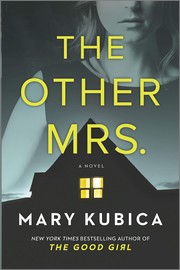
The Other Mrs.
A Chicago family inherits a house on a Maine island, then a neighbor is found murdered. Kubica's 2020 thriller builds to a final reframe.
2,267-word summary · 10 min read
The Cousins
Three cousins work at their rich grandmother island resort while digging into why their parents were cut off.
2,565-word summary · 11 min read

Pieces of Her
After her mother kills a mall shooter with shocking skill, Andy Oliver uncovers a hidden 1980s past of radicals and wealth.
2,791-word summary · 12 min read
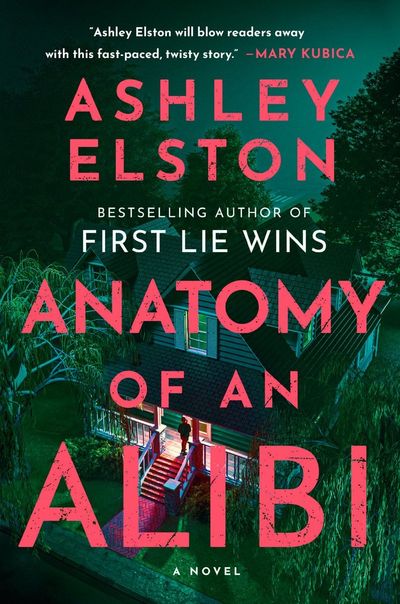
Anatomy of an Alibi
Two Louisiana women swap lives for twelve hours to spy on a husband, then he turns up murdered and only one of them has an alibi.
2,278-word summary · 10 min read

All the Little Houses
In 1980s Longview, Texas, social queen Charleigh and daughter Nellie guard mean-mom secrets when a new family threatens their empire.
2,206-word summary · 10 min read
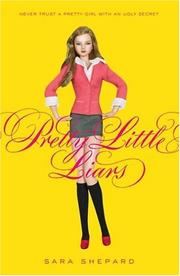
Pretty Little Liars
Four girls get texts from dead Alison a year after she vanished, and secrets start leaking.
1,922-word summary · 9 min read
One of Us Is Next
A year after Simon's death, a copycat texter drags Maeve, Knox and Phoebe into a cruel Truth or Dare game in Bayview.
2,348-word summary · 10 min read

What She Knew
Rachel lets her eight-year-old son run ahead in a Bristol park, and the nine-day search turns her into a suspect in the public eye.
2,952-word summary · 13 min read

The Beach House
A young valet is beaten to death at a Hamptons party, and his law-student brother spends a year building a case against the family that covered it up.
2,049-word summary · 9 min read

Rules of Prey
Minneapolis detective Lucas Davenport hunts a killer who leaves a new rule at every scene and treats murder as a game of wits.
1,914-word summary · 9 min read

Ace of Spades
Two Black seniors at an elite academy are celebrated by day and hunted by an anonymous texter in this YA thriller about institutional racism.
2,066-word summary · 9 min read

4th of July
Lindsay Boxer shoots two armed teenagers in self-defense, faces a wrongful-death trial, and spends her leave chasing a string of throat-slashing murders in…
2,192-word summary · 10 min read

61 Hours
A bus crash strands Jack Reacher in a snowbound South Dakota town where a drug gang, a corrupt police force, and a single witness are on a collision course.
2,227-word summary · 10 min read
The Girls in the Garden
Clare moves her daughters to a gated London garden where the community feels safe; at the midsummer party, twelve-year-old Pip finds her sister bleeding in the…
1,973-word summary · 9 min read

Still Missing
A realtor is abducted at a Vancouver Island open house and held for more than a year. Told through therapy sessions, the novel follows her escape and the hunt…
2,466-word summary · 11 min read

Bad Luck and Trouble
A deposit of $1,030 summons Jack Reacher back to his old army unit, which is being picked off one name at a time.
2,366-word summary · 11 min read

3rd Degree
The third Women's Murder Club novel follows a San Francisco terror cell and a three-day killing schedule, and it costs the club a member.
2,685-word summary · 12 min read

Worth Dying For
Reacher stops for one night in rural Nebraska and finds a family that runs the county, a missing girl and a shipment worth killing for.
2,021-word summary · 9 min read

Tinker, Tailor, Soldier, Spy
Retired spymaster George Smiley is brought back to find a Soviet mole inside British intelligence, and the trail leads through old friends, old betrayals, and…
2,092-word summary · 9 min read
The Vanishing Stair
Stevie Bell returns to Ellingham Academy under a secret bargain, chasing the truth about a 1936 kidnapping while a new death makes the school feel smaller and…
2,026-word summary · 9 min read

Say You're Sorry
A widowed prosecutor defends the teenager accused of killing her babysitter, uncovering a small town's secrets and a killer hiding in plain sight.
2,116-word summary · 9 min read