
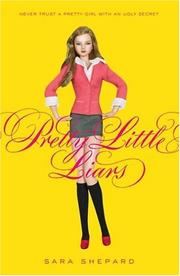
Pretty Little Liars
1,922-word summary 9 min read 286 pages in the book
- First published
- 2006
- Publisher
- HarperTeen
- Pages
- 286
- ISBN
- 9780060887308
- Series
- Pretty Little Liars (#1)
Reading options
What's inside (6 sections)
I came for the show nostalgia and stayed for how much darker and smaller the first book feels. Pretty Little Liars by Sara Shepard was first published October 3, 2006 by HarperTeen, a 286 page hardcover with ISBN 9780060887308. It is book one of Pretty Little Liars. Four girls get texts from A a year after their leader Alison vanished. I read it in two evenings, marveling at how much plot Shepard packs into short chapters built for passing periods.
Aria, Spencer, Hanna, and Emily were best friends in seventh grade because Alison chose them. Alison was beautiful, cruel, and magnetic. She knew secrets and kept them as leverage. The night she disappeared from a sleepover, the group shattered. A year later they are in high school, barely speaking, each with a new life that looks fine and leaks. Then phones buzz with messages only Alison knew. Did you miss me. I am still here and I know everything.
Aria narrates pieces from Iceland return. Her family spent a year abroad after her father affair with a student. Now back in Rosewood, she meets Ezra in a bar with no idea he will be her English teacher Monday. Their flirtation turns into a secret that could ruin both. Aria likes his attention because home feels false. Her mother cries. Her father lies smoothly. Her brother Mike acts out. Ezra listens like no adult does, which is exactly the problem.
Four girls, four secrets
Spencer is the overachiever with a perfect sister to beat. Melissa, older, golden, and engaged to Wren, a med student Spencer kisses to prove she can win once. Spencer studies until nosebleeds, steals a paper idea, and lies to parents who grade children like essays. A texts threaten to expose the kiss and the theft. Spencer response is to work harder, which helps grades and ruins sleep. Her chapters show pressure as performance. Smile. Achieve. Hide.
Hanna is the makeover girl. Once chubby and funny, now thin and shoplifting with Mona as best friend. Her father left for a new family and buys love with credit cards. Her mother dates and drinks to cope. Hanna steals sunglasses she could buy to feel something besides hunger. A knows. Hanna purges after binges and lies about it with skill that scares. Shepard writes eating disorders without glamour. The thrill of stealing fades fast. The shame after stays. Hanna friendship with Mona is real and toxic at once. They enable and protect in turns.
Emily is the swimmer with a secret she barely names to herself. She loved Alison more than friends should, or so Rosewood rules say. Now she likes a new girl, Maya, who moved into Alison house and is kind in ways Alison never was. Emily parents, especially her conservative mother, watch her closely. A threatens to out her before she is ready. Emily chapters are tender and tense. Stolen kisses in photo booths. Prayers after. The pool as the only place she breathes freely. Of the four, her secret feels most dangerous because home may not hold it.
Alison haunts every page without appearing alive. Flashbacks show her games. Truth or dare that went too far. A barn pact. A joke about a dead girl that now reads differently. Each friend remembers Alison differently. Aria remembers fun. Spencer remembers cruelty. Hanna remembers inclusion. Emily remembers love. Those competing memories mean A can weaponize nostalgia. Remember when you. The girls cannot ask Alison what she meant. They can only fear who else listened.
A fair note. Early chapters rush through four setups in quick cuts that can blur. Who is dating whom. Who lives where. Keep a list of girls and secrets for fifty pages. It sticks. Once A texts escalate from teasing to threats, voices sharpen. Spencer sounds like Spencer, all plans and panic. Hanna sounds like hunger and humor. You will stop checking the list.
A texts and Rosewood rot
The middle runs on A escalation that is clever about 2006 tech. Texts, not apps. Photos from angles that mean someone was there. Notes in lockers. A knows about Aria and Ezra after seeing them kiss. Knows about Spencer and Wren after a car window steam. Knows about Hanna shoplifting after a mall camera blind spot. Knows about Emily and Maya after a library kiss. Each reveal is timed to maximum damage at school events. A pep rally. A birthday party. A swim meet. Rosewood wealth means everyone watches and no one helps.
Parents add rot beneath gloss. Aria father lies about the affair with smooth academic language. Spencer parents hire lawyers before asking daughters what happened. Hanna mother flirts with a cop to make a charge vanish. Emily mother prays for a phase to pass. None are monsters. All protect image first when scared. That pattern teaches girls to hide, which gives A power. Secrets need shame to work. Rosewood supplies shame wholesale.
The girls reconnect through fear before friendship. They meet in bathrooms to compare texts. They swear not to tell adults who failed before. They test each other loyalty with small confessions. I liked these scenes more than mystery twists because they show how trauma bonds form. Shared dread creates closeness faster than shared fun. Are you getting these too becomes are you okay in a way no parent asks. That bond, forged in panic, will carry the series even as A identities change.
Shepard writes cliffhangers with discipline. Short chapters end on buzzes. A new text. A car following. A photo developing. You say one more chapter and read ten. The prose is plain on purpose. No lyric fog. Just what happened, what was worn, what was feared. That plainness suits teens narrating under stress. They notice shoes, not sunsets, when scared.
If there is a flaw, it is Ezra. A teacher dating a student is presented as romantic with brooding poetry and worried looks. Modern readers will flag the power gap faster than 2006 did. Shepard does not fully interrogate it here. Aria enjoys being chosen by an adult who listens. The book frames it as love against rules rather than grooming. I struggled with those chapters most on reread. Know going in that the series later wrestles more, but book one romanticizes. Read with clear eyes.
What book one sets up
The ending does not solve Alison. It deepens. The girls find pieces. A barn receipt. A broken bracelet. A memory of a fight the night she vanished that each remembers slightly differently. They go to police with half truth and are dismissed as dramatic teens. That dismissal pushes them back to each other. If adults will not listen, they will watch themselves. The final A text, promising this is just the start, lands because they believe it. So do we.
What stays with me is not whodunit but how secrets work in rich suburbs. Everyone has cameras. Everyone has lawyers. Everyone has something to lose by telling. A does not create secrets. A harvests them. Alison taught the method. A perfected it with technology. The girls must learn the opposite skill to survive. Telling first, to each other if not to parents, before texts tell for them. That lesson starts here in small admissions. I stole. I kissed. I lied. Saying aloud loosens A grip a notch.
Rosewood adults and the cost of image
The parents deserve closer attention because their failures power A more than any phone plan. Aria father, Byron, is an academic who frames an affair with a student as a private mistake rather than an abuse of power. He asks Aria to keep it from her mother to protect the family, which parentifies her instantly. Aria complies for months and hates herself for it. When A threatens to tell, the fear is not only about divorce. It is about being made complicit in a lie she never chose. That burden shows how adult secrets become kid weights.
Spencer Hastings parents run a house like a firm. Best grades. Best colleges. Best appearances at fundraisers. When Spencer kisses Wren, her sister fiance, they treat it as PR crisis first and heartbreak second. Lawyers before listening. That response teaches Spencer to hide rather than to repair. Her theft of Melissa paper idea comes from the same pressure. Win at any cost because love feels conditional on winning. A exploits this perfectly by threatening to tell Melissa and parents at once. Maximum shame for maximum control.
Hanna Marin mother is loving and overwhelmed, working extra shifts while dating a man who likes Hanna a little too much for comfort. She solves Hanna shoplifting charge by flirting with a cop, which teaches Hanna that looks can fix legal trouble. That lesson curdles into Hanna using looks to get out of everything, then hating herself for it. Her father, remarried with a new daughter, sends checks instead of time. Hanna shoplifts partly to feel something she can control when affection feels purchased. The book never excuses stealing but it explains the hunger underneath without glamour.
Emily Fields parents, especially her mother, police affection out of fear disguised as faith. Emily loves swimming because water does not ask who she loves. Her mother times laps and church attendance with equal rigor. When A threatens to out Emily, the terror is homelessness of the heart. Will home hold if she tells truth. The book treats that question with care rare for 2006. Emily does not get a simple coming out triumph here. She gets small breaths. A kiss held longer. A friend who does not flinch. Those breaths matter more than slogans at this stage. A scene where Emily sits in her car outside Maya house, unable to go in and unable to leave, captures closeted ache better than any speech. Engine running. Hands shaking. Love and fear idling together. Maya patience through it, waving from the window without pressuring, shows what allyship looks like at sixteen. Wait without leaving. That image stayed with me longer than any A text. Fear in a parked car is something many readers know from their own driveways. Emily later pays that patience forward by sitting with Hanna after a shoplifting scare without lecturing. Just company and fries. The girls learn care by receiving it first from people outside the four. Kindness transfers. Hanna later sits with Emily after a swim meet disaster without asking for details. Just towels and quiet. Spencer covers for Aria with a hall pass lie that costs her detention. Those small covers build the trust that A tries to break. The series runs on that economy. Secrets spent to protect each other rather than to wound. Book one starts the account with small deposits that later books will need. Watch for the first time each girl lies to protect another instead of herself. Aria covers Spencer study lie. Spencer covers Hanna theft scare. Those covers cost detentions and groundings. Paying them anyway marks the turn from fear bond to friendship. A harvests secrets. The girls learn to spend them kindly first.
Read it if you like fast YA mysteries with messy girls. Start here, not with the show, because the show expands and softens. The book is meaner and tighter. Four voices, one ghost texter, and a town that watches. Keep the list of secrets handy. Watch for who benefits when each leaks. And after, text a friend something true before someone else texts it for you. The girls learn that late. You can learn early.
FAQ
When was Pretty Little Liars published?
HarperTeen published it October 3, 2006. It runs 286 pages and the hardcover ISBN is 9780060887308.
Is it part of a series?
Yes. It is book one of Pretty Little Liars, followed by Flawless. The show expands it greatly.
Similar books
More from Pretty Little Liars first, then related titles.
The Cousins
Three cousins work at their rich grandmother island resort while digging into why their parents were cut off.
2,565-word summary · 11 min read
Reconstructing Amelia
A grieving lawyer mother reopens her teen daughter's alleged suicide at an elite Brooklyn school, uncovering bullying and secrets.
2,032-word summary · 9 min read
What Lies in the Woods
Naomi returns after Olivia vanishes to face what happened in the woods at eleven.
2,213-word summary · 10 min read
The Last House Guest
A year after her best friend dies in Littleport, Maine, a local woman finds a hidden phone that reopens the case.
2,596-word summary · 12 min read
One of Us Is Next
A year after Simon's death, a copycat texter drags Maeve, Knox and Phoebe into a cruel Truth or Dare game in Bayview.
2,348-word summary · 10 min read

Six Years
A professor who promised to forget the woman he loved sees her husband's obituary and discovers that the wedding, the marriage, and the woman herself may never…
2,076-word summary · 9 min read

Ace of Spades
Two Black seniors at an elite academy are celebrated by day and hunted by an anonymous texter in this YA thriller about institutional racism.
2,066-word summary · 9 min read

Heist Society
A teenage art thief gets expelled from boarding school, then has two weeks to steal five paintings back from a London museum and clear her father.
2,781-word summary · 12 min read
The Vanishing Stair
Stevie Bell returns to Ellingham Academy under a secret bargain, chasing the truth about a 1936 kidnapping while a new death makes the school feel smaller and…
2,026-word summary · 9 min read

The Best of Friends
Three lifelong friends discover their teenage sons were hiding more than anyone knew after a night that leaves one dead, one in a coma and one silent.
2,040-word summary · 9 min read

One of Us Is Dead
In Buckhead, Atlanta, five women narrate a murder among manicures, fundraisers, and social warfare. Jeneva Rose's 2022 thriller is a gossipy revenge fantasy…
2,471-word summary · 11 min read

Girl, Forgotten
A rookie US marshal guards a judge with a stalker and ends up reopening the 1982 prom-night murder of the judge's pregnant daughter.
2,111-word summary · 9 min read

The Boy from the Woods
Wilde, found feral in a New Jersey forest in 1986, hunts for a missing teenager while a senator's secrets tear a wealthy town apart.
2,270-word summary · 10 min read
The Reappearance of Rachel Price
Bel films a doc when her missing mother walks back after years.
2,254-word summary · 10 min read
Killer Instinct
Teen profiler Cassie Hobbes rejoins the FBI Naturals to stop a copycat repeating Dean Redding father murders.
2,600-word summary · 12 min read
Keep It in the Family
Mia and Finn renovate a long empty house and find seven children hidden in the attic.
2,270-word summary · 10 min read
Kill Joy
Pip hosts a 1920s murder mystery party with her friends, solves the fake case, and feels a real scare that points toward A Good Girl's Guide to Murder.
2,537-word summary · 11 min read
Every Last Secret
A wealthy wife tracks a possible affair, but dinners, therapy, and a sudden death expose buried secrets across two polished suburban marriages and force her to…
2,687-word summary · 12 min read
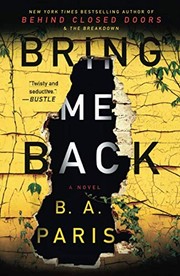
Bring Me Back
Finn lost Layla at a French rest stop twelve years ago. Now engaged to her sister Ellen, he faces sightings, emails and Russian dolls that reopen everything.
2,912-word summary · 13 min read
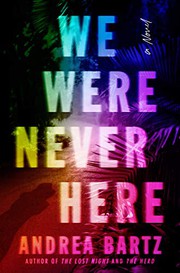
We Were Never Here
Best friends Emily and Kristen hide a backpacker death in Chile, then face another in Vietnam with trust cracking.
2,076-word summary · 9 min read
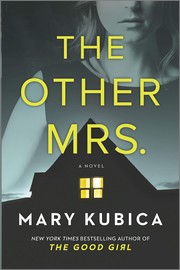
The Other Mrs.
A Chicago family inherits a house on a Maine island, then a neighbor is found murdered. Kubica's 2020 thriller builds to a final reframe.
2,267-word summary · 10 min read
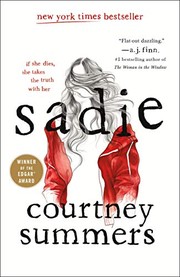
Sadie
Sadie hunts sister killer while podcast chases her in split narrative thriller.
2,091-word summary · 9 min read

Pieces of Her
After her mother kills a mall shooter with shocking skill, Andy Oliver uncovers a hidden 1980s past of radicals and wealth.
2,791-word summary · 12 min read
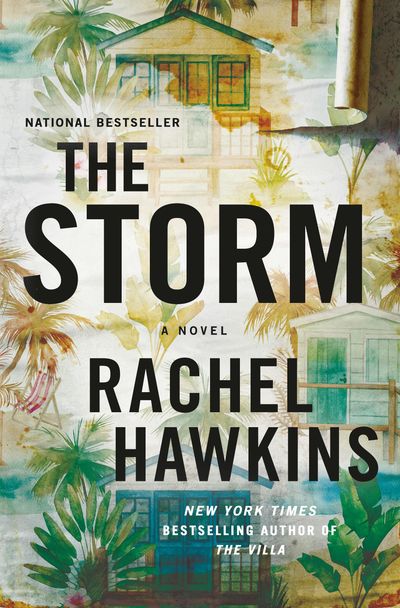
The Storm
A struggling innkeeper, a returning murder suspect, and a true crime writer collide as another hurricane bears down on the Alabama coast.
2,349-word summary · 10 min read

The Raven King
Gansey's fated death nears as Glendower wakes and the ley wakes hungry.
2,477-word summary · 11 min read
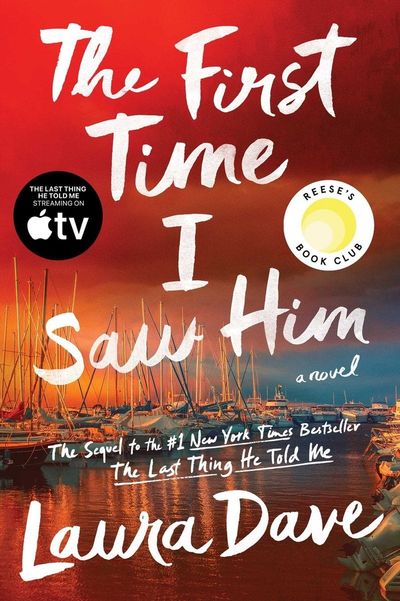
The First Time I Saw Him
Five years after Owen vanished, Hannah and Bailey have rebuilt in California until Owen walks into her exhibition and danger returns.
2,407-word summary · 11 min read
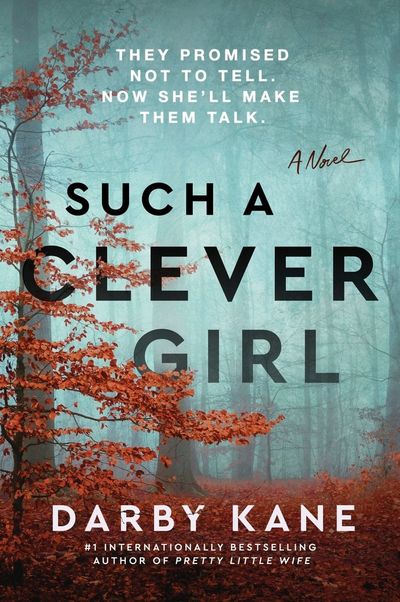
Such a Clever Girl
Fifteen years after the Tanners vanished, Aubrey returns at 30 as a new disappearance forces three women to face old secrets.
2,203-word summary · 10 min read
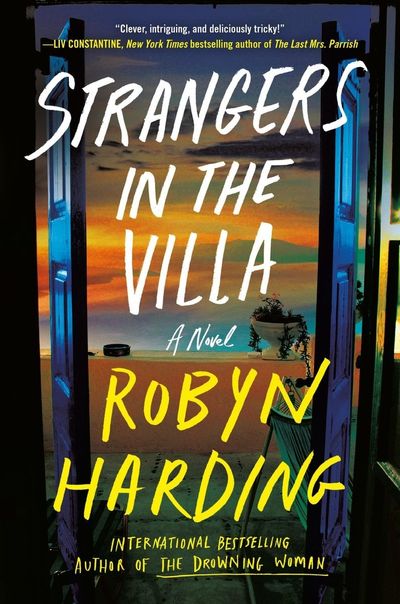
Strangers in the Villa
A strained couple in a Spanish villa takes in guests who refuse to leave.
2,208-word summary · 10 min read
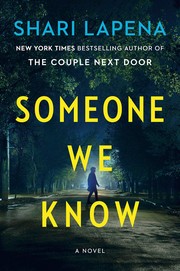
Someone We Know
A teen burglar, two unsigned apology letters, and a murdered neighbor wife turn a quiet suburb paranoid.
2,743-word summary · 12 min read
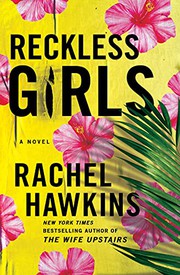
Reckless Girls
Six young travelers chase paradise on remote Meroe Island, where old lies, smashed radios and hidden cash turn sun and sand deadly.
2,703-word summary · 12 min read