
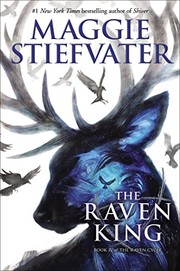
The Raven King
2,477-word summary 11 min read 439 pages in the book
- First published
- 2016
- Publisher
- Scholastic Press
- Pages
- 439
- ISBN
- 9780545424981
- Series
- The Raven Cycle (#4)
Reading options
What's inside (8 sections)
I came back to Henrietta with a tight chest. I had lived with Blue Sargent and the Aglionby boys through three books, and I knew what the story had promised from the start. Blue will kiss her true love and he will die. Richard Gansey III had seen that death on the corpse road. The books never let you forget it. This is The Raven King by Maggie Stiefvater, published in 2016 by Scholastic Press, 439 pages in the edition cited here. It is book four of The Raven Cycle, after The Raven Boys, The Dream Thieves, and Blue Lily, Lily Blue.
I read it in five days, fast and then slow, because I did not want it to end. Spoilers follow. This is a finale, so I will give a full account of the plot threads and keep some reveals general where the exact mechanics blur for me. I would rather say I am unsure than state a wrong rule about dreaming or ley lines as fact.
Coming back to Henrietta for the last time
Henrietta, Virginia sits on a ley line, a current of power that wakes strange things. Above it stands the living forest Cabeswater, which speaks in fragments and asks prices. Below it sleeps Owain Glyndwr, the Welsh king called Glendower, whom Gansey has hunted since boyhood. Around them gather the people I had come to love. Blue Sargent, daughter of the psychic Maura Sargent, who amplifies power at 300 Fox Way. Gansey, rich and driven and dying. Adam Parrish, poor and proud, who gave his free will to Cabeswater to keep the search alive. Ronan Lynch, who can pull objects from dreams. Noah Czerny, who has been dead for years and stays because the line holds him.
The Raven King opens with that family fraying. Gansey knows his time is short. Blue knows her kiss may kill him. Adam owes the forest more than he can pay. Ronan dreams too deep and too wild. Noah fades in and out like a weak signal. The adults at Fox Way argue about how to protect children who will not be protected. Henrietta itself feels hungry, as if the line has woken and wants feeding.
What I love about Stiefvater's writing here is the texture. Cars and sweaters and Latin jokes and gas station food sit beside old magic. The boys bicker like brothers. Blue watches and steadies them. Small scenes carry weight. A hand on a steering wheel. A shared look in a hallway at Aglionby. A phone left ringing. I marked a dozen quiet lines because they told me more than any speech about love.
If you have not read the earlier books, start there. This finale assumes you know the past sacrifices and debts.
Gansey and the death that waits
Gansey's thread is the spine. Since The Raven Boys we have known he is meant to die. Stiefvater found him as a boy stung by hornets and saved by a voice that named Glendower. He has spent years hunting the sleeping king to repay that debt. Now the debt comes due. He coughs. He tires. He hides fear behind plans and lists and long drives.
His search for Glendower narrows to caves and old marks under Henrietta. He studies journals and maps with Adam and Ronan while Blue tries to keep him in the present. He wants to finish the quest before his body finishes him. That urgency makes him sharp and careless in turns. He gives orders. He apologizes. He makes jokes that do not land because everyone hears what he will not say.
Blue's part in this hurts most. She was told she will kill her true love with a kiss. She loves Gansey. They have held back for three books, trading looks and almost touches. Here holding back starts to feel like its own kind of loss. Blue wants a normal senior year and knows she will not get one. She wants to save him and knows saving may not be allowed. Stiefvater writes their restraint with care. A hand almost held. A kiss delayed. A promise made sideways. I ached through those scenes more than through any battle.
Henry Cheng enters wider here and I was glad. He is clever and funny and lonely in a different way from Gansey. He becomes a true friend rather than a rival, driving and translating and standing watch. His ease with money and status lets him see Gansey clearly without worship. Their friendship gave me some of the book's best laughs, which I needed against the dread.
Should Gansey die. The book keeps that question lit on every page. I will not spoil the exact shape of the end here beyond calling it bittersweet, because the final chapters land better when you meet them unguarded. Know that Stiefvater honors the promise and the hope at once. Death is real in this book. So is return, after a fashion. The ley asks and gives and the friends pay in ways that change them.
The search wakes hungry things
The hunt for Glendower wakes more than a king. The ley line under Henrietta has been stirred for three books by dreaming and sacrifice and use. In The Raven King it feels awake and hungry. Lights fail. Time slips. Caves breathe. Cabeswater, the living forest that thinks in broken speech, grows weak and strange as something else drinks from the line.
That something has a name in whispers. Readers meet the Orphan Girl, a figure tied to old violence and old bargains, who serves as vessel or voice for a demon that feeds on the line. I will keep the exact rules general, because Stiefvater mixes dream logic with Latin and I do not trust my memory on every term. The shape is clear. A creature that was sealed or starved long ago finds cracks. It borrows a child's form. It wants use of power without paying the old prices. Where Cabeswater asks and trades, this thing takes.
This is why the middle of the book feels crowded. Every use of power feeds two forests at once, one living and one rotten. Ronan dreams and the demon listens. Adam asks Cabeswater for help and the line shivers. Noah, tied to the line by his long ago murder as a failed offering, feels the pull worst. The caves under Henrietta become a mouth. The friends must decide what to wake and what to leave sleeping, knowing that leaving Glendower may kill Gansey and waking him may feed worse.
I liked this pressure even when it confused me. Stiefvater writes magic as weather rather than code. You feel damp and static before you grasp cause. Some readers will want firmer rules. I came to accept the haze as intent. Ley power in these books has always answered feeling as much as form. Here feeling runs hot with fear, so the magic runs hot too.
Piper Greenmantle and her husband Colin Greenmantle, collectors of strange things, push into this mess with money and cruelty. Piper wants power and beauty and notice. She has a hunger that matches the demon's, which makes her easy to use. Colin wants control and proof. They hire and threaten and dig where they should not. I found Piper vile and sad at once. She wants to be seen so badly that she lets herself be hollowed. Her thread adds crime and greed to a book already full of ghosts, and it keeps the plot moving when the cave scenes turn inward.
Noah, Ronan, and Adam
Noah Czerny broke my heart in this book. We learned in The Raven Boys that he died seven years before the story, killed by Latin teacher Barrington Whelk as a failed sacrifice to wake Glendower. He stayed because the ley held him. Here he decays. He misses time. He repeats. He fades from mirrors and texts. His friends pretend not to notice and then cannot pretend.
Stiefvater writes his loss in small beats rather than one big farewell. A joke half finished. A seat left empty and then sat in by mistake. Blue reaching for him and finding cold air. I cried twice, which I did not expect for a character who was always half gone. That is the trick. Noah was the group's memory of cost. Watching him thin tells you what the line takes even when it gives.
Ronan Lynch carries the loudest magic and the heaviest grief. He is a dream thief who can pull objects from sleep, a gift tied to his family and to Cabeswater. In this book he dreams bigger and more dangerously. He pulls wonders and weapons. He hides creatures on the family farm. He loves Adam and will not say it cleanly. He loves Gansey like a brother and fears losing him. He loves his lost father and dead brother in ways that leak into every dream.
His thread also brings the found family I love most. Ronan, Adam, and Gansey sleep in shifts and drive through nights. They argue about money and pride. They share food and silence. Ronan's dreams show what words cannot. A field made safe. A monster caged. A boy held without question. Stiefvater lets Ronan be cruel and tender in the same page, which feels true to a teenager with too much power and too little sleep.
Adam Parrish has the quietest and hardest arc. Poor among rich boys at Aglionby, he gave his free will to Cabeswater in an earlier book so the search could continue. Here he pays. The forest speaks through him. It borrows his eyes and hands. He tries to keep school and work and friends while something old rides him. He loves Blue and Ronan and Gansey in tangled ways and tries to be worthy of all three without losing himself.
I admired how Stiefvater refuses to make Adam a martyr. He gets angry at being used. He sets terms. He fails and tries again. His scenes with Cabeswater have a strange courtesy. The forest does not hate him. It needs him. Need can be as heavy as hate. By the end he must choose what kind of servant and friend and man he will be, and the choice costs him comfort but returns him to himself.
Henry Cheng weaves through all three with humor and steady driving, and by the last third I counted him as one of the boys in full.
Fox Way and the adults
The psychics at 300 Fox Way ground the book when the caves spin. Maura Sargent, Blue's mother, vanished in the prior book into a cave that should not exist. Here the family seeks her while trying to keep Blue alive. Calla and Persephone and Jimi argue about method and blame. Mr. Gray, the hitman turned protector, moves through with his strange honor. Their love is loud and cluttered and real.
I liked how the adults fail usefully. They cannot fix the ley. They cannot lift Blue's curse. They can feed boys who show up hungry. They can read cards and tell hard truths. They can stand in a cave mouth and refuse to leave. Stiefvater gives them humor and fear in equal parts. A kitchen scene with tea and bickering settled me after a long cave sequence, the way a deep breath settles you before bad news.
Maura's thread matters because Blue needs her mother and resents needing her. Blue has spent books as the only non psychic in a house of seers, valued as amplifier but set apart. Here she must act as reader and decider herself. She learns what her mother knew. Power answers attention. Attention has cost. Love does not remove cost, but it tells you which costs are worth paying.
Blue alone in a car, practicing how to say goodbye without saying it. Just a girl breathing and gripping the wheel.
A crowded and tender ending
Let me say plainly what tries patience here, because this finale is not tidy. The book is crowded. Caves, forests, demons, collectors, psychics, school, farms, dreams, and kisses all press for room in 439 pages. Viewpoints shift often. Blue, Gansey, Ronan, Adam, Noah, Henry, Piper, and the Fox Way women each pull focus. Just as a cave scene builds dread, we cut to a car ride. Just as a kiss nears, we cut to a dream. If you like single thread drive, you will fidget.
The magic also stays loose. Dream rules bend. Ley rules bend. Cabeswater speaks in fragments that read as poetry more than instruction. The demon's limits blur for me across chapters. I finished unsure of one bargain's exact terms, and I have seen readers argue about it since. If you need firm systems, this will frustrate you. I made peace by reading for feeling and result rather than code.
Stiefvater repeats phrases and images, and a few lines I loved in book one felt worn by book four. Tighter cave passages would have helped.
And yet the ending moved me deeply. Without spoiling the exact turns, I can say the friends face Glendower and the demon and the price together. No one is saved by a trick alone. Each pays something real. Noah's farewell lands. Ronan's choice lands. Adam's release lands. Gansey and Blue get pages that honor three books of restraint without cheating the early promise. It is bittersweet in the true sense. Sweet because love holds. Bitter because holding costs.
Multiple points of view help that end land. We see the same hour from cave and car and forest, and each angle adds ache. Stiefvater has always written friendship as magic beside magic. Here friendship is the magic that works when old kings and demons fail. The boys who started as a joke about privilege become brothers by care. Blue, who started as helper, becomes center by will.
Should you read it. If you finished Blue Lily, Lily Blue and need to know how the kiss and the king resolve, yes, at once. If you struggled with loose magic or crowded cuts in book three, know book four stays crowded and strange, with repeating phrases and dream logic throughout. Give yourself room. Read slowly near the end. Let the confusion pass without guilt. The farewells matter, the forest answers, and the people you love move through death and dream toward a morning that feels earned.
I closed my copy sad and full, the way I feel after leaving good friends at a station. Not every passage sang. Enough did that I sat quiet for a long time. For all its sprawl, The Raven King ends The Raven Cycle with care for cars and sweaters and tired boys, and it shows that even a fated death can be met with love, and lived past in the ways that count.
FAQ
Where does The Raven King fit in The Raven Cycle?
It is book 4, published in 2016 by Scholastic Press after Blue Lily, Lily Blue, and the cited edition runs 439 pages. It closes the hunt for the sleeping Welsh king Glendower.
Why do Blue and Gansey hold back from kissing?
Blue was told she will kill her true love with a kiss, and Gansey saw his own death on the corpse road. Their restraint across all four books comes from that promise.
What does it mean that Ronan is a dream thief?
Ronan can pull objects from his dreams, a gift tied to his family and Cabeswater. In this finale he dreams bigger and more dangerously as the ley line wakes hungry.
Similar books
More from The Raven Cycle first, then related titles.
The Raven Boys
Blue Sargent joins four Aglionby boys hunting a Welsh king on a Virginia ley line.
2,537-word summary · 11 min read
The Dream Thieves
Ronan pulls things from dreams while Gansey hunts a dead king and Blue tries to stay alive by staying apart.
1,922-word summary · 9 min read

Blue Lily, Lily Blue
Blue searches for her missing mother while the Raven Boys wake a sleeper in the caves who is not the king they sought.
2,983-word summary · 13 min read

Heist Society
A teenage art thief gets expelled from boarding school, then has two weeks to steal five paintings back from a London museum and clear her father.
2,781-word summary · 12 min read

The Hazel Wood
Alice Proserpine has spent her life running from bad luck. When her mother vanishes, she follows a trail of fairy-tale clues to her grandmother's estate and…
2,064-word summary · 9 min read
House of Salt and Sorrows
Annaleigh Thaumas investigates her sister's death in a cursed island manor where the balls are illusions and the sea god is always listening.
2,025-word summary · 9 min read
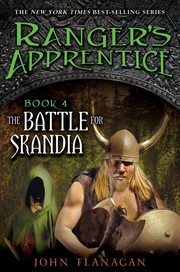
The Battle for Skandia
Will and Evanlyn are still hiding in the Skandian mountains when Halt and Horace arrive with word of a Temujai invasion that could roll on to Araluen next.
2,248-word summary · 10 min read
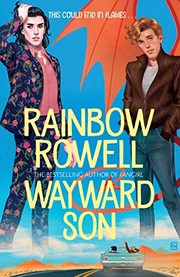
Wayward Son
Simon and Baz road trip America after the war to decide what normal means.
2,505-word summary · 11 min read
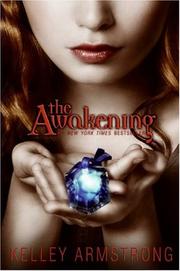
The Awakening
Chloe Saunders flees Lyle House with Derek, Simon and friends while her necromancy wakes fully and the Edison Group hunts them.
2,428-word summary · 11 min read

The Reckoning
Necromancer Chloe Saunders and her gifted friends raid Edison labs in the Darkest Powers finale, chasing rescue and freedom together as hidden powers break…
2,955-word summary · 13 min read

Belladonna
Poison-immune orphan Signa Farrow hunts a gothic killer at Thorn Grove with Death as ally and suitor, while cousin Blythe fades and her ghost mother asks for…
2,868-word summary · 13 min read
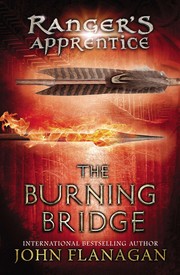
The Burning Bridge
Will and Horace burn Morgarath's secret bridge, meet Evanlyn, and face capture and a duel that decides a war.
2,412-word summary · 11 min read
Lord of Shadows
Emma and Julian face faerie war and forbidden love as the Cohort rises.
2,496-word summary · 11 min read

Blue Bloods
At an elite Manhattan school, Schuyler Van Alen learns she is a forbidden half-vampire as someone starts killing her kind.
2,725-word summary · 12 min read
The Ruins of Gorlan
Small orphan Will becomes Ranger Halt's apprentice and helps hunt the Kalkara at Gorlan.
2,109-word summary · 9 min read

I Am the Messenger
Nineteen year old Ed stops a robbery, then gets playing cards sending him to help strangers.
2,124-word summary · 9 min read

The Summoning
Chloe Saunders sees ghosts and lands in Lyle House, a group home for troubled teens with hidden powers and a secret tied to the Edison Group.
2,579-word summary · 11 min read

I'd Tell You I Love You, But Then I'd Have to Kill You
Cammie Morgan trains at a secret spy school and falls for a town boy she can never tell the truth.
2,179-word summary · 10 min read

Bloodlines
Alchemist Sydney Sage hides Moroi princess Jill in Palm Springs, where tattoo shops and old vampires test every rule she was taught.
2,622-word summary · 12 min read
A Deadly Education
El can level mountains with a word, but surviving magic school takes allies, control, and a hard choice about power.
2,959-word summary · 13 min read

Pretty Little Liars
Four girls get texts from dead Alison a year after she vanished, and secrets start leaking.
1,922-word summary · 9 min read
Lady Midnight
Emma and Julian hunt killer echoing old murders while parabatai love grows.
1,982-word summary · 9 min read

The Blood of Olympus
Seven demigods stop Gaia waking while Reyna brings Athena statue.
2,196-word summary · 10 min read
Turtles All the Way Down
Aza Holmes lives with intrusive thoughts while chasing a missing billionaire with Daisy.
2,007-word summary · 9 min read

Vampire Academy
Dhampir Rose guards her vampire best friend Lissa after they are dragged back to St. Vladimir's Academy.
2,047-word summary · 9 min read

Paper Towns
Quentin chases clues after Margo vanishes, learning the girl he imagined was never the whole story.
2,198-word summary · 10 min read
Miss Peregrine's Home for Peculiar Children
Jacob Portman finds his grandfather dead in the woods, follows a cryptic letter to a ruined orphanage in Wales, and meets children living inside a repeating…
2,331-word summary · 10 min read
Harry Potter and the Chamber of Secrets
Chamber of Secrets: Dobby's warning, the flying car, polyjuice potions, and the diary of Tom Riddle. What the second Harry Potter book does differently and how…
2,172-word summary · 10 min read
Harry Potter and the Prisoner of Azkaban
Prisoner of Azkaban, the mature third book: Sirius Black on the run, dementors at the gates, Remus Lupin's secrets, and the time-turner finale that rewrites…
2,053-word summary · 9 min read

The Scorpio Races
Two riders risk deadly water horses in an island race for money and freedom.
2,352-word summary · 10 min read