
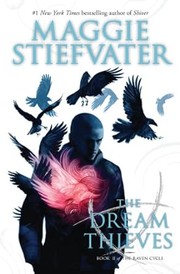
The Dream Thieves
1,922-word summary 9 min read 448 pages in the book
- First published
- 2013
- Publisher
- Scholastic Press
- Pages
- 448
- ISBN
- 9780545424943
- Series
- The Raven Cycle (#2)
Reading options
What's inside (6 sections)
Book two is where this series gets weird in the best way. The Dream Thieves by Maggie Stiefvater was first published in August 2013 by Scholastic Press, a 448 page hardcover with ISBN 9780545424943. It is book two of The Raven Cycle, after The Raven Boys. Gansey still hunts a dead Welsh king. Blue still cannot kiss her boy without killing him. Ronan starts pulling objects from dreams. I read it in three nights, dreaming oddly after, which felt appropriate.
Ronan Lynch takes center. In book one he was the angry rich kid with a raven named Chainsaw. Here we learn why he is angry and what his anger powers. He can take things from dreams into waking. A watch. A monster. A forest. His father taught him before dying violently. His mother disappeared into dreams and may still be reachable. Ronan drinks, fights, and hides his gift because using it thins the wall between worlds in ways that scare even him.
Gansey, Blue, Adam, and Noah orbit that gift while carrying their own quests. Gansey coughs up wasps and hides it. Blue works shifts and tries not to touch Gansey. Adam works three jobs to escape his abusive father and bargains with a magic forest for help. Noah fades in and out, literally, as the group learns he died years ago and lingers because they needed him. Henrietta, Virginia, with its ley lines and old money, holds them all like a bowl.
Ronan dreams
Ronan chapters are visceral and sad. He dreams of a night horror, a sharp beaked creature that protects him, and brings it out with blood on his hands. He dreams of his mother alive in a field and wakes crying too angry to admit it. He dreams of a forest called Cabeswater that is also dreaming him. Stiefvater writes dreams as places with rules, not fog. To take, you must know you dream while staying inside it. To keep, you must pay attention after waking. Ronan learns control through failure. A dream gun that will not stop firing. A dream friend who follows him to school.
His brothers complicate everything. Declan, older, polished, and lying about their father death for reasons that seem protective and feel controlling. Matthew, younger, sweet, and possibly not what he seems. Family dinners in the Lynch mansion, empty since their father murder, are minefields of old jokes and new silences. Ronan loves them and cannot live with them. He sleeps in the barn with Chainsaw rather than in his childhood bed. That detail tells you more than any fight.
The Greywaren, a hitman who collects dream objects for a Collector, hunts Ronan with polite menace. He does not shout. He offers deals. Your mother location for your mirror. Ronan refuses and pays in blood and sleeplessness. Their cat and mouse through Henrietta streets, with dream forests bleeding into parking lots, gives the book its thriller spine. It is not just teens searching. Someone competent wants what Ronan can make.
A fair note. Ronan cruelty early can alienate. He mocks Adam poverty. He endangers friends with dream weather. Stick through. His cruelty is armor over grief that has nowhere to go in a town that worships his dead father and ignores his living pain. When he finally tells Gansey the truth about dreaming, the relief is physical. Shoulders drop. Breathing slows. Secrets cost more than monsters here.
Gansey, Blue, Adam, Noah
Gansey quest continues but sours with illness he hides. He was stung by wasps as a child and died briefly, hearing Glendower voice. Now wasps return in coughs and dreams. He researches in libraries while spitting blood into handkerchiefs he burns. He does not tell Blue because he does not want pity to change her touch rules. He does not tell Ronan because leaders do not bleed in front of troops. That silence nearly kills him and the search. Stiefvater shows how heroism curdles into control when fear runs it.
Blue works at a restaurant, counts tips, and tries to stay useful without being used. Her curse, that kissing her true love will kill him, makes every glance at Gansey loaded. She likes him and hates the script. She flirts with Adam to prove choice, then feels guilty for using him. Her mother Maura and the psychic aunts argue about how to protect her. Neeve, a darker psychic, offers to remove the curse for a price. Blue refuses to trade friends for safety. That refusal defines her more than any kiss avoided.
Adam storyline is the hardest and best. Poor, proud, and beaten by his father, he works himself sick to pay for school and to escape. Cabeswater, the sentient forest on the ley line, offers him a bargain. Sacrifice something precious for power to find Glendower. Adam, who has nothing spare, offers his free will in small doses. He becomes the forest eyes and hands, seeing ley lines as fire, speaking Latin he never learned. The cost shows in nosebleeds and distance from friends. Power helps and hollows at once. Anyone who worked through school on no sleep will recognize the trade.
Noah fades beautifully and terribly. Pale, quiet, and sometimes invisible in photos, he is revealed as a boy murdered years ago on the ley line, kept half here by Gansey need for a friend group of four. When the group learns, they must decide whether to let him go or to keep using his ghost for company. A scene where they each tell Noah a truth to anchor him made me cry. You are our friend even if you are dead. That acceptance, without fixing, is the series heart. Found family includes the gone if you remember kindly.
If there is a sag, it is the middle research loop where Gansey chases Glendower clues through libraries and caves that yield symbols not answers. Necessary for myth building, but two cave trips blur. I skimmed one Latin inscription debate and missed nothing. The payoff, when Cabeswater speaks directly through Adam, needs the slow buildup. Still, tighter by thirty pages would have helped momentum between dream heists.
What the book says about taking
The finale pairs a dream heist with a real world reckoning. Ronan must pull his mother from a dream that fights back. Gansey must admit illness and let friends carry maps. Blue must choose whether to kiss or to wait when Gansey collapses. Adam must decide if forest power is worth self loss. Noah must decide whether to stay faded or to flare once to save them. Each choice costs. No one gets magic free, which is Stiefvater rule. Dreams give, then invoice.
The Greywaren confrontation in a dream forest that overlaps a parking garage is wonderfully staged. Concrete pillars with bark. Fluorescent lights with fireflies. Ronan learns to dream lucidly under pressure, naming what he holds to keep it. He saves friends by taking responsibility for what he makes, not by bigger monsters. That growth, from thief to keeper, sets up later books without closing his arc. He still drinks. He still fights. But he sleeps a little easier knowing his gift can shelter, not only scare.
What stays with me is the book argument about gifts. Ronan dream taking, Gansey money, Blue amplification, Adam work ethic, Noah memory. Each useful. Each costly when hoarded. The group works when they pool. Ronan dreams a fix. Adam reads the forest. Blue amplifies. Gansey funds gas. Noah remembers what the living forget. That teamwork, with fights about credit and care, feels like real friendship among talented teens. No one is the chosen one. All are needed.
Cabeswater, Greywaren, and Henrietta texture
Cabeswater forest deserves its own focus because it is a character with moods, not a backdrop. A sentient forest on the ley line that speaks in Latin fragments, shows visions to those it trusts, and bargains like an old power. Adam deal gives the book its ethical spine. He offers his free will in pieces for the ability to help Gansey find Glendower. The forest accepts with tree roots that feel like handshakes. After, Adam sees ley lines as burning threads and hears trees arguing about humans. That sight helps searches and isolates him from friends who cannot see. Power that separates even as it serves is classic Stiefvater cost. She never lets magic stay free.
The Greywaren, the Collector hitman, works as a mirror to Ronan rather than a simple hunter. Polite, patient, and curious about dream things, he offers Ronan money and mother location for cooperation. He collects for a worse man, Mr Gray, actually the Grey Man from book one grown stranger. Their scenes in diners and parking lots have noir calm. Coffee. Questions. Veiled threats about brothers. Ronan refuses not from heroism but from disgust at being collected. That refusal solidifies his shift from thief to keeper. He will not sell what he dreams, even to buy back his mother faster.
Henrietta town texture fills gaps between quests with life that makes magic believable. Aglionby Academy with its uniforms and old money rot. Blue waitress job with regulars who tip in advice. Gansey battered Camaro with a name. Churches with choirs that practice while ley lines hum under floors. Stiefvater loves Virginia small town contradictions. Pious and haunted. Polite and broke. Those details keep the book from floating into dream logic entirely. Real rent comes due even when forests talk.
Declan and Matthew Lynch add family pressure that explains Ronan better than any dream log. Declan, polished and lying about their father death, tries to control Ronan by controlling money and story. He withholds the will. He stages press. He claims it is protection. Matthew, sweet and possibly unnatural in ways later books explore, loves Ronan without understanding him. A scene where Matthew asks Ronan to dream him a dinosaur and Ronan says no to protect him broke me. Love as refusal is hard for kids. Ronan manages it once, which shows growth.
Blue family adds grounding that magic books sometimes skip. Maura, her mother, runs a psychic shop with truth and bills to pay. The aunts argue about how much to tell Blue about her father and her curse. Neeve, darker and ambitious, offers shortcuts that Maura refuses. Those kitchen table debates about ethics versus rent feel real for families with gifts. How to charge for readings without exploiting grief. When to tell a child a hard truth about kisses that kill. Blue navigates these talks with humor that hides fear. She jokes about being a walking murder weapon because the alternative is crying in front of customers. A late scene where Maura finally tells Blue the full story of her father, with shaking hands and no mystic candles, grounds the magic in choice. Love who you want, but know the cost first. That honesty lets Blue choose Gansey with eyes open rather than fate closed. I marked that page because parents in YA rarely admit they withheld to protect, not to control. Maura does both and owns it. That nuance keeps the family real.
Read it after The Raven Boys, not alone. Keep a list of who knows what about Glendower, Cabeswater, and Ronan power, because dramatic irony runs high. Watch for wasps, mirrors, and ravens. When Chainsaw screams, pay attention. The loudest bird in the book often signals the quietest truth. And after, check your own dreams for what you brought back. We all carry something out. Stiefvater just asks what it costs to keep.
FAQ
When was The Dream Thieves published?
Scholastic Press published it in August 2013. It runs 448 pages and the hardcover ISBN is 9780545424943.
Is it part of a series?
Yes. It is book two of The Raven Cycle after The Raven Boys, before Blue Lily, Lily Blue.
Similar books
More from The Raven Cycle first, then related titles.
The Raven Boys
Blue Sargent joins four Aglionby boys hunting a Welsh king on a Virginia ley line.
2,537-word summary · 11 min read

Blue Lily, Lily Blue
Blue searches for her missing mother while the Raven Boys wake a sleeper in the caves who is not the king they sought.
2,983-word summary · 13 min read
The Raven King
Gansey's fated death nears as Glendower wakes and the ley wakes hungry.
2,477-word summary · 11 min read
A Deadly Education
El can level mountains with a word, but surviving magic school takes allies, control, and a hard choice about power.
2,959-word summary · 13 min read

Inkdeath
The final Inkworld novel sends Mo into the land of the dead, leaves Meggie choosing between two boys, and ends the Adderhead's immortality with three written…
2,062-word summary · 9 min read
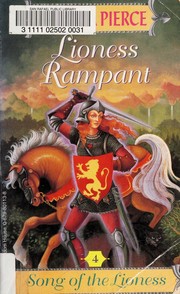
Lioness Rampant
Alanna searches for the Dominion Jewel with the Shang Dragon, then returns to Tortall to face Duke Roger at Jonathan's coronation.
2,478-word summary · 11 min read

The Siren
Saved from a shipwreck in 1930, Kahlen becomes a siren who sings men to their deaths for the Ocean, until a boy in a college library makes her want a life she…
2,369-word summary · 11 min read
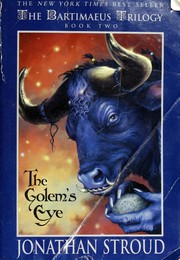
The Golem's Eye
Two years after The Amulet of Samarkand, Nathaniel is a rising bureaucrat, Bartimaeus is his unwilling servant again, and something made of clay is tearing…
2,299-word summary · 10 min read
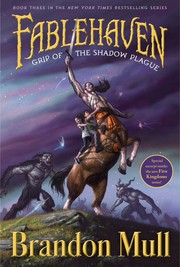
Grip of the Shadow Plague
A plague turns Fablehaven's creatures of light into shadows while Kendra hunts an artifact in Arizona and Seth races to find the cause.
2,131-word summary · 9 min read

The Rose & the Dagger
Shahrzad is pulled from her Caliph husband and left in a desert camp of rebels, needing to break his curse and end a war before it ends her.
2,520-word summary · 11 min read
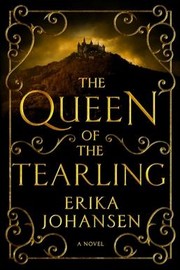
The Queen of the Tearling
Nineteen-year-old Kelsea leaves the woods to take her throne, ends a shipment of human captives, and draws the Red Queen's revenge.
2,357-word summary · 10 min read

We Hunt the Flame
In a fractured Arabia-inspired world, a disguised huntress and a prince-assassin race to find a magic-restoring book and confront an ancient evil.
2,195-word summary · 10 min read
The Magician
Sophie and Josh flee to Paris with Nicholas Flamel, where John Dee, Machiavelli, and an awakened god close in on the missing pages of the Codex.
2,162-word summary · 10 min read

The Hazel Wood
Alice Proserpine has spent her life running from bad luck. When her mother vanishes, she follows a trail of fairy-tale clues to her grandmother's estate and…
2,064-word summary · 9 min read
In the Hand of the Goddess
Alanna, still disguised as a boy, survives war, court plots, and a death duel as the Goddess's chosen warrior in the second Song of the Lioness book.
2,018-word summary · 9 min read

Blue Moon
Ever Bloom tries to save her immortal boyfriend, Damen, from a mysterious illness while a new student named Roman quietly takes control of her school and her…
1,998-word summary · 9 min read
An Enchantment of Ravens
Isobel, a mortal artist in the fairy town of Whimsy, paints a portrait of the autumn prince and falls in love with him, breaking the laws of her craft.
2,087-word summary · 9 min read
The Battle for Skandia
Will and Evanlyn are still hiding in the Skandian mountains when Halt and Horace arrive with word of a Temujai invasion that could roll on to Araluen next.
2,248-word summary · 10 min read

The Bane Chronicles
Eleven stories across five centuries follow Magnus Bane from a ban in Peru to his first date with Alec in this illustrated Shadowhunter companion.
2,470-word summary · 11 min read

The Indigo Spell
Sydney Sage hunts an aging witch, learns forbidden magic, and finally admits she loves Adrian, while the Alchemist tattoo on her cheek may be controlling her.
2,604-word summary · 12 min read

Wayward Son
Simon and Baz road trip America after the war to decide what normal means.
2,505-word summary · 11 min read
The Last Graduate
El must survive graduation when the school feeds seniors to monsters.
2,232-word summary · 10 min read

Rebel Angels
Gemma returns to the realms to bind magic while facing Circe and London season.
2,708-word summary · 12 min read
Furies of Calderon
Furyless Tavi defends Calderon Valley when the Marat return and lords scheme.
2,587-word summary · 11 min read

A Winter's Promise
Ophelia reads objects and is sent to marry Thorn on a cold ark.
2,502-word summary · 11 min read
Three Dark Crowns
Three triplet queens must kill each other for the crown, but love and gifts get in the way.
2,134-word summary · 9 min read
Every Heart a Doorway
Nancy returns from the Halls of the Dead to a school for travelers, where a murder forces portal children to face grief, belonging and the price of going home.
2,400-word summary · 11 min read

The Golden Lily
Sydney Sage guards Jill at Amberwood Prep in Palm Springs, studies forbidden magic, favors Adrian over Brayden, and faces Alchemist custody in this second…
2,988-word summary · 13 min read
Lirael
A Sightless Clayr girl and a prince afraid of Death join the Dog and Mogget to stop necromancers from waking the Destroyer Orannis at the Red Lake while old…
2,692-word summary · 12 min read
Edgedancer
Hungry street thief Lift and her vine-like friend Wyndle cross the Herald Nale in Tashikk when a child emperor shows Radiant signs and she refuses to step…
2,328-word summary · 10 min read