
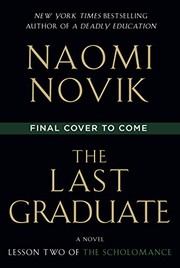
The Last Graduate
2,232-word summary 10 min read 416 pages in the book
- First published
- 2021
- Publisher
- Del Rey
- Pages
- 416
- ISBN
- 9780593128886
- Series
- The Scholomance (#2)
Reading options
What's inside (5 sections)
I read The Last Graduate in a rush because El screams off pages and I could not look away. First published in 2021 by Del Rey at 416 pages in paperback, it is book two in The Scholomance series after A Deadly Education. El Higgins, with affinity for mass destruction, and Orion Lake, hero who saves everyone alone, must survive graduation when the school itself feeds seniors to monsters. The Scholomance is a wizard school that tries to kill students to feed itself, with no teachers, only maleficaria. Seniors plan to fight through the hall together instead of running solo. Prophecy says El will destroy enclaves. She refuses while trying to save friends. I found it furious, funny, and romantic about cooperation. At 416 pages it races and thinks.
El starts lonelier despite friends. After book one where she bonded with Orion, Aadhya, Liu, she still expects rejection because dark reputation precedes. She snarls to push away before hurt. That snarl charms readers who know it shields kindness. She shares mana generously, fixes wards, plans graduation that saves all not just powerful. Orion wants to save everyone single handedly, diving into monsters, refusing rest. His hero complex exhausts and endangers. He loves El but does not listen when she says let others fight. That dynamic, savior boy and angry girl, flips tropes delightfully. She strategizes collective. He martyrs solo. She is right and he learns slowly. Their romance builds through arguments about tactics, not just kisses. Do you trust me to fight beside, not behind. He learns yes. That yes matters more than love declarations. Equality in battle as love language. Good.
Scholomance as school deserves detail for how it inverts Hogwarts. No teachers, only schedules that drop you into monster filled rooms. Cracks that eat. Vents that poison. Graduation is gauntlet seniors must run while monsters pour. Enclaves, wizard communities, pay for spots and take best graduates, leaving independents to die. That system critiques elite education and capitalism without speeches. Pay to live. Poor die. El, from small enclave? Actually from outside with famous mother, refuses enclave destiny to destroy them all per prophecy. She wants to save everyone, not rule. That refusal drives plot and theme. Will she fulfill prophecy by destroying to save. Can you dismantle systems without becoming monster. She tries by building alternative senior plan requiring trust and mana sharing across enclaves and independents. That organizing is harder than spells. Meetings, grudges, logistics. Novik writes meetings thrillingly, which is feat. Who brings mana batteries. Who guards rear. Those details matter as much as fire. Cooperation as magic stronger than affinity. Take note for real organizing. Share resources, trust outsiders, plan together. School as metaphor for world that feeds seniors to sustain itself? Actually feeds students to sustain magic? Hmm. Either way, graduate by changing rules, not winning rigged run. Good.
Friends and prophecy
Friends carry middle with humor and heart. Aadhya, artificer with calm hands, builds weapons and friendships. Liu, with small bird? Actually with...? She heals and translates. New allies from other enclaves join uneasily. Orion's mother? Actually Orion's past with enclaves complicates. El's mother Gwyn, hippie healer famous, sends advice by letters that embarrass and help. Those letters, warm and odd, remind El she is loved even when feared. Mother who named her Elphaba? Actually El full name? She owns dark name with pride. That owning reclaims. Call yourself monster to disarm. Then prove kind through acts. That arc will resonate with girls labeled difficult. Own label, act kindly, let others catch up. El does, slowly winning trust she pretends not to need. She needs desperately and hates needing. That push pull feels true to lonely teens. Want friends, snap when offered. Learn to accept mana and help without keeping score. Hard lessons in a school that keeps score lethally. Practice with her. Accept help. Say thanks gruffly. Enough.
Orion's arc about letting go of solo heroism needs emphasis. Raised as hero, praised for saves, he believes only he can protect. That belief isolates and endangers because he burns out and others never learn. El challenges by refusing rescue. Fight beside, not for. He resists, dives alone into maw, returns bloody. She yells, heals, demands partnership. Slowly he shares plans, asks for backup, rests. That rest as growth subverts masculine hero tropes. Strongest boy learns to nap while friends guard. Charming and important. Boys reading learn strength includes trust. Girls reading see heroine not rescued but rescuing rescuer from himself. Mutual rescue as romance. Good.
Prophecy that El will destroy all enclaves looms. School whispers, enclaves fear and court her. She refuses destiny while using its fear as leverage to unite seniors. If you think I will destroy, help me save instead and I will spare? Actually she says I will not destroy if you share. That negotiation with fate intrigues. Can prophecy be refused. Novik suggests yes through collective action that changes conditions. If enclaves stop hoarding, destruction unneeded. Fate as warning, not sentence. That philosophy empowers without denying patterns. Systems push toward ruin unless changed. Change systems, change fate. Apply beyond fantasy. Climate prophecies, school pipelines. Act together to avert. El models. Do not accept destroyer role. Build savior plan that saves all, including enclaves. Generous rage. Furious at injustice, generous with solutions. That combination defines her voice. Snarling while sharing mana. Perfect.
What shines is voice and pace. El narrates in first person, furious, funny, footnoting with rants about enclaves, spells, boys. Sentences run long with asides that delight. At 416 pages it never sags because graduation countdown drives. seniors train, gather mana, argue, love. Action sequences in halls with maleficaria swarms thrill. Tactics clear. Who holds shields. Who pours mana. You follow despite magic jargon because stakes are friends living. Humor balances dark academia dread. School that feeds on students is bleak. Jokes about homework killing literally keep bearable. Romance between El and Orion earns through fights, not just kisses. They bicker about heroics, make up by sharing power. That sharing is intimacy more than sex, though attraction simmers with consent and humor. Good for YA. Heat without explicit linger. Longing glances while covered in monster goo. Charming.
What strains is jargon and crowded cast. Scholomance terms, enclaves, mana, affinities, maleficaria types blur if you forgot book one. Reread summaries or dive and trust context. About 30 pages of planning meetings with many names could confuse. Keep list of friends and enclaves. Focus on El, Orion, Aadhya, Liu. Others orbit. Accept blur for momentum. Also, El's snarl can grate if you prefer kind heroines. She insults to push away. Stick past first hundred pages. Kindness emerges through acts, not words. She shares last mana while cursing. That gruff care wins. If you need sweet, look to Orion's earnestness to balance. Together they work. Alone either tires. Read as pair.
Content is YA dark with weight. Death of teens by monsters shown without gore linger, grief real. Language strong, some swears. No explicit sex beyond kissing and longing. Good for ages fourteen and up who like dark academia with cooperation themes. Pair with book one in order. Do not start here. You need school rules and El's reputation to feel stakes. At 416 pages it ends on cliffhanger to book three The Golden Enclaves. Expect to continue immediately. Have next ready. You will need.
Who should graduate
Read it if you loved A Deadly Education and want payoff with more heart and strategy. Read it for El's voice alone, worth price. At 416 pages it satisfies.
Skip it if you need standalone or dislike school stories. This is deep series water with jargon. Start at book one or skip. Skip if snarky narrators tire. El snarls constantly, lovingly. If that grates, try other fantasies.
For me, the image that stays is seniors linking hands in the hall, mana flowing between enclaves and independents, El snarling directions while crying because people trust her enough to follow into teeth. Found family as graduating class. At 416 pages, The Last Graduate argues schools that feed on students can be survived by students feeding each other. Share mana, share plans, share blame. Graduate together or not at all. That lesson, furious and generous, held me after monsters faded. I closed it ready for final book, trusting El to refuse destroyer fate by building better. Refuse assigned ruin. Build shared escape. Leave no one to feed school. That refusal, shouted while sharing power, is why series matters since 2020. Graduate all. Or burn school trying together. Either beats solo survival. Choose together.
Mana, enclaves, and sharing
I want to say more about mana sharing, because magic economy carries theme. In Scholomance, mana comes from effort, pain, life. Enclave kids arrive with batteries full from protected childhoods. Independents scrape by doing chores for mana. That gap mirrors wealth gaps in schools. Rich arrive resourced. Poor work to stay. Graduation run costs huge mana for shields and weapons. Solo runners hoard and die. Group runners share and live, if trust holds. El, who generates huge mana through dark affinity but hates taking, learns to give freely. She pours into shared pool that Aadhya manages fairly. That pooling requires accounting and faith. Who gave what. Who takes when hurt. Cheating possible. They do not. They track openly, forgive shortfalls, cover gaps. That commons works because built with rules and care, not just goodwill. El insists on ledgers. Kindness needs bookkeeping to survive stress. Take note for real collectives. Share resources with transparent logs. Trust but verify kindly. That balance lets seniors attempt impossible. All graduate or none. Bold plan only possible because mana shared. Without sharing, only enclave kids with batteries survive while independents feed school. Sharing changes outcome from triage to solidarity. Choose solidarity even when scary. It costs more upfront, saves more in hall. Good.
Enclaves as gated communities hoarding safety deserve critique that resonates beyond fantasy. Wizard enclaves take best graduates, leave independents to die, then claim superiority proves merit. Actually superiority proves resources. El, prophesied to destroy enclaves, refuses while using fear to force cooperation. If you do not share, I will destroy? Actually she says help me save all or watch. That leverage works because enclaves fear her power. Fear as organizing tool is tricky. Use sparingly and with love, or become tyrant you oppose. El walks line. She threatens enclaves to share while genuinely wanting to save enclave kids too. Her rage at injustice fuels, generosity directs. That combination, furious and generous, defines voice and politics. Be furious at systems, generous with people inside, even enclave kids who benefit. They did not choose birth. Invite, do not shame. Many join senior plan when asked respectfully. Those who refuse still get saved? Actually plan saves all in hall regardless. That unconditional saving proves El differs from enclaves that triage. Save all, even refusers. That ethic costs extra mana and lives? Possibly, but holds morally. Would you save those who would not save you. El does. That choice moved me most. Generosity beyond reciprocity defines heroism here, not power. Practice in life. Help even those who would not help you, if you can without dying. That giving breaks cycles. Good.
Orion's mother issues and hero burden need more attention. Raised as savior, praised for saves, he believes only he can protect. That belief isolates and endangers because he burns out and others never learn. El challenges by refusing rescue. Fight beside, not for. He resists, dives alone into maw, returns bloody. She yells, heals, demands partnership. Slowly he shares plans, asks for backup, rests. That rest as growth subverts masculine hero tropes. Strongest boy learns to nap while friends guard. Charming and important. Boys reading learn strength includes trust. Girls reading see heroine not rescued but rescuing rescuer from himself. Mutual rescue as romance. Good. His love for El grows through respecting her strategy, not just protecting her body. He listens to senior plan even when it risks her. That listening is love. He hates it and does it. That tension, love versus fear, drives their banter. I want to keep you safe by locking away. I need you beside in danger. Negotiate each mission. Sometimes he wins, sometimes she does. That negotiation models healthy partnership under stress. Talk, decide, back each other. Even when scared. Especially then. Take notes.
If you reread, watch for prophecy language. School whispers El will destroy enclaves. Enclaves hear destroyer and court or fear. El hears and refuses while using fear as leverage. She never says I will destroy if you do not share, but implication hangs. Is that manipulation. Partly yes, for good ends. Does end justify. Book asks without answering cleanly. Using fear to force sharing works but risks becoming what you oppose. El worries. Friends reassure by holding her accountable. Call out when snarl becomes threat. That accountability circle prevents tyranny. Need friends who check power, even prophesied. Build such circles in activism. Power, even for good, needs checks. El accepts checks from Aadhya, Liu, Orion. That acceptance distinguishes her from villains who refuse. Practice accepting checks when leading. Invite noes. Thank challengers. That humility keeps destroyer from destroying. At 416 pages, the book practices what it preaches through El's arc. Rage checked by friends becomes building. Unchecked rage would burn enclaves and self. Choose checked rage. Share mana. Graduate all.
FAQ
When was The Last Graduate published?
It was first published in 2021 by Del Rey at 416 pages. It is book two in The Scholomance series.
What is the setup?
El Higgins, destructive affinity, and Orion Lake must stop the school from devouring the senior class.
Similar books
More from The Scholomance first, then related titles.
A Deadly Education
El can level mountains with a word, but surviving magic school takes allies, control, and a hard choice about power.
2,959-word summary · 13 min read
Queen of Faces
Anabelle Gage is dying in a body that is not hers. To live, she must steal a new face and kill for the school that caught her.
2,103-word summary · 9 min read

Inkdeath
The final Inkworld novel sends Mo into the land of the dead, leaves Meggie choosing between two boys, and ends the Adderhead's immortality with three written…
2,062-word summary · 9 min read

Lioness Rampant
Alanna searches for the Dominion Jewel with the Shang Dragon, then returns to Tortall to face Duke Roger at Jonathan's coronation.
2,478-word summary · 11 min read

The Siren
Saved from a shipwreck in 1930, Kahlen becomes a siren who sings men to their deaths for the Ocean, until a boy in a college library makes her want a life she…
2,369-word summary · 11 min read

The Golem's Eye
Two years after The Amulet of Samarkand, Nathaniel is a rising bureaucrat, Bartimaeus is his unwilling servant again, and something made of clay is tearing…
2,299-word summary · 10 min read

The Rose & the Dagger
Shahrzad is pulled from her Caliph husband and left in a desert camp of rebels, needing to break his curse and end a war before it ends her.
2,520-word summary · 11 min read

The Queen of the Tearling
Nineteen-year-old Kelsea leaves the woods to take her throne, ends a shipment of human captives, and draws the Red Queen's revenge.
2,357-word summary · 10 min read

We Hunt the Flame
In a fractured Arabia-inspired world, a disguised huntress and a prince-assassin race to find a magic-restoring book and confront an ancient evil.
2,195-word summary · 10 min read
The Magician
Sophie and Josh flee to Paris with Nicholas Flamel, where John Dee, Machiavelli, and an awakened god close in on the missing pages of the Codex.
2,162-word summary · 10 min read

The Hazel Wood
Alice Proserpine has spent her life running from bad luck. When her mother vanishes, she follows a trail of fairy-tale clues to her grandmother's estate and…
2,064-word summary · 9 min read
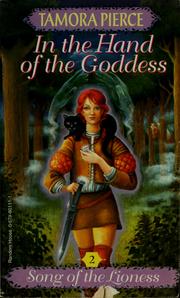
In the Hand of the Goddess
Alanna, still disguised as a boy, survives war, court plots, and a death duel as the Goddess's chosen warrior in the second Song of the Lioness book.
2,018-word summary · 9 min read

Blue Moon
Ever Bloom tries to save her immortal boyfriend, Damen, from a mysterious illness while a new student named Roman quietly takes control of her school and her…
1,998-word summary · 9 min read
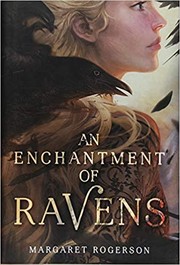
An Enchantment of Ravens
Isobel, a mortal artist in the fairy town of Whimsy, paints a portrait of the autumn prince and falls in love with him, breaking the laws of her craft.
2,087-word summary · 9 min read

The Bane Chronicles
Eleven stories across five centuries follow Magnus Bane from a ban in Peru to his first date with Alec in this illustrated Shadowhunter companion.
2,470-word summary · 11 min read

The Indigo Spell
Sydney Sage hunts an aging witch, learns forbidden magic, and finally admits she loves Adrian, while the Alchemist tattoo on her cheek may be controlling her.
2,604-word summary · 12 min read

Rebel Angels
Gemma returns to the realms to bind magic while facing Circe and London season.
2,708-word summary · 12 min read
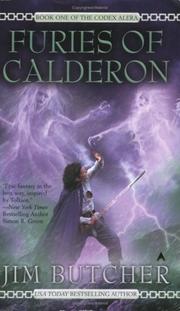
Furies of Calderon
Furyless Tavi defends Calderon Valley when the Marat return and lords scheme.
2,587-word summary · 11 min read
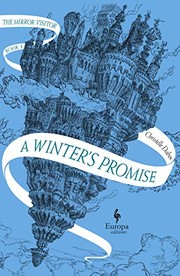
A Winter's Promise
Ophelia reads objects and is sent to marry Thorn on a cold ark.
2,502-word summary · 11 min read
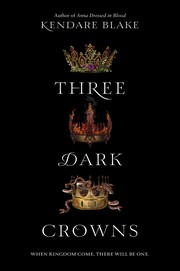
Three Dark Crowns
Three triplet queens must kill each other for the crown, but love and gifts get in the way.
2,134-word summary · 9 min read

Every Heart a Doorway
Nancy returns from the Halls of the Dead to a school for travelers, where a murder forces portal children to face grief, belonging and the price of going home.
2,400-word summary · 11 min read

The Golden Lily
Sydney Sage guards Jill at Amberwood Prep in Palm Springs, studies forbidden magic, favors Adrian over Brayden, and faces Alchemist custody in this second…
2,988-word summary · 13 min read
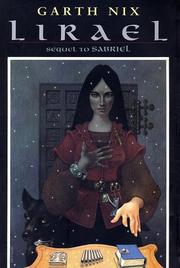
Lirael
A Sightless Clayr girl and a prince afraid of Death join the Dog and Mogget to stop necromancers from waking the Destroyer Orannis at the Red Lake while old…
2,692-word summary · 12 min read
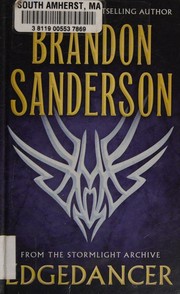
Edgedancer
Hungry street thief Lift and her vine-like friend Wyndle cross the Herald Nale in Tashikk when a child emperor shows Radiant signs and she refuses to step…
2,328-word summary · 10 min read
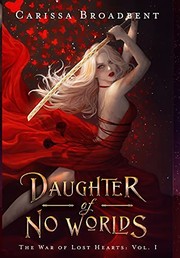
Daughter of No Worlds
A former slave with rare magic hires exiled warrior Max to train her for a daring rescue, sparking slow burn love and wider war in this big 520-page fantasy…
2,529-word summary · 11 min read
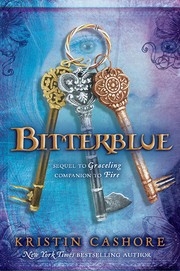
Bitterblue
Eighteen-year-old Queen Bitterblue sneaks out to learn why Monsea still suffers after Leck, facing court lies, ciphers, and trials in Cashore's rich third…
2,686-word summary · 12 min read
The Tombs of Atuan
Priestess Arha guards dark Tombs until wizard Ged comes to steal back ring.
2,043-word summary · 9 min read

The Amulet of Samarkand
Boy magician Nathaniel summons djinn Bartimaeus to steal the Amulet and stop Lovelace's coup in London.
2,350-word summary · 10 min read
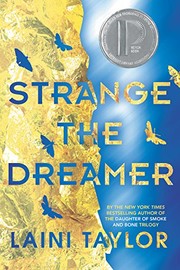
Strange the Dreamer
Orphan librarian Lazlo Strange joins a quest to the lost city of Weep, where blue-skinned godspawn haunt dreams.
2,221-word summary · 10 min read
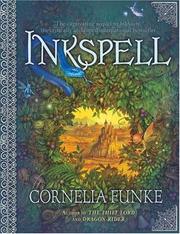
Inkspell
Meggie and Farid read themselves into the Inkworld, where Mo is wanted as the Bluejay and words can wound.
2,406-word summary · 11 min read