

Rebel Angels
2,708-word summary 12 min read 548 pages in the book
- First published
- 2005
- Publisher
- Delacorte Press
- Pages
- 548
- ISBN
- 9780385733410
- Series
- Gemma Doyle (#2)
Reading options
What's inside (7 sections)
I returned to Rebel Angels after loving A Great and Terrible Beauty, and the middle book deepened everything I liked. First published in 2005 by Delacorte Press at 548 pages in hardcover, it is book two in the Gemma Doyle series set in Victorian England with magic realms. Gemma, Felicity, Pippa, and Ann return to Spence Academy for a new term while the realms need binding. Circe still threatens, magic released in book one spreads, and London season pressures marriage. I found it darker and richer than the first, with friendship tested by power. At 548 pages it earns length through character, not just plot.
Gemma Doyle starts changed. She killed? Actually she released magic by defeating Circe? She carries guilt about her mother and about Pippa, who stayed in realms. She has visions, headaches, power surges. At Spence, new term means new rules. Girls prepare for London season, dances, callers, marriage prospects. Gemma, Felicity bold, Pippa sweet, Ann clever but poor, navigate. Felicity wants freedom and love on her terms. Pippa, trapped between worlds after eating fairy fruit? Actually Pippa stayed in realms and cannot leave? She longs for London season she will miss. Ann writes plays and loves acting. Each wants different futures that magic complicates. Their sleepovers in dorms, whispering about realms, feel like real teen friendship with stakes. Who tells what to whom. Who trusts. Those talks carry 548 pages as much as battles.
The realms need binding. Magic released spreads wild, tearing veils between worlds. The Order, women who guarded magic, split. Circe, exiled, schemes to seize. Gemma as new priestess? Actually as one who holds magic must bind with friends. She visits realms through doorways in caves and mirrors, with Pippa guiding. Landscapes shift. Rivers, forests, temples. Creatures beg and threaten. To bind, three girls must join hands and will it? Actually need sacrifice? I will avoid specifics that spoil, except that binding requires choice about sharing power, not hoarding. Gemma learns priestess power tempts to control. Circe offers easy rule. Friends offer hard sharing. That choice mirrors season choices. Marry for safety or live for self. Both require binding promises. Which promises free. Ask while reading. Good books ask, not tell.
Season and realms
London season chapters dazzle and suffocate. Dresses, balls, calling cards, chaperones. Gemma dreads being paraded for husbands while grieving mother and hiding magic. Felicity flirts to defy, then fears being caught with women? Actually Felicity loves Pippa? Their bond deepens beyond friendship into love that Victorian London forbids. Pippa, stuck in realms, misses season she dreamed of as girl. Ann fears poverty will force governess life, not stage. Each girl's season plot intertwines with realm quests. A ball where Gemma must dance while sensing realm tear. A caller who is also a spy for Order. That doubling exhausts and thrills. You feel corsets and spells both tight. Bray researched Victorian debutante rituals well. Coming out, presentations, seasons. Those details ground fantasy. Magic feels stranger against strict manners. Girls who must not run in streets run through realms at night. That contrast liberates. Night selves freer than day. Which self true. Both, painfully. Growing up means integrating. Gemma struggles most. At school she must be proper. In realms she must be powerful. Neither allows full grief for mother. She hides tears in both. That hiding costs. Friends notice and give space, then demand honesty. Friendship as mirror, not escape. Good.
Pippa's fate aches most. Having eaten fairy fruit? Actually having stayed, she cannot leave realms without fading? She longs for London season, for dances, for mortal food. Gemma promises to take her? Actually promises to find way. Pippa follows into balls as spirit? She possesses? Details blur without rereading, but feeling remains. Best friend lost to magic while others move on. Survivor guilt for Gemma. What if she had pulled Pippa back. Could she. Should she. Those questions drive middle. Pippa grows bitter sweet, loving friends and resenting their mortal futures. That resentment feels true to grief. Love the living while missing the lost who linger. Do not leave me, Pippa begs in dreams. Gemma cannot stay in realms forever. She must choose. That choice between worlds mirrors every teen leaving childhood friends for adult paths. Painful and necessary. Bray honors without easy fix. Some friends stay in realms. Others graduate. Love persists across veils, changed. Keep loving even when paths split. That message helped me more than magic rules.
Felicity and Pippa love deserves emphasis for 2005 YA bravery. Felicity bold, Pippa sweet, bond deepens into romantic love neither names fully in Victorian terms. Glances, touches, jealousy. Society forbids. Realms allow freer? Actually realms also have rules. Their love faces danger from both worlds. Bray writes with tenderness, not titillation. Hand holding in dorms, dancing together when boys absent, promises to run. It ends heartbreakingly as Pippa fades? Actually Pippa's choice to stay seals. Felicity must mourn living girl she cannot marry or save. That grief, queer and Victorian, moved me more than straight romances. Representation matters, especially historical where erasure common. Bray insists girls loved then too. Remember when reading. Love existed despite bans. Honor by witnessing. Felicity's later fierceness grows from this loss. She will not be tamed after loving freely. That fierceness carries to book three. Good.
Ann's playwriting gives meta joy. Poor scholarship girl who loves theater writes plays where friends star, using realm adventures as material disguised. Rehearsals in dorms, costumes from curtains, laughter till matron knocks. Those scenes lighten dark middle. Art as processing. Ann turns fear into lines, giving friends roles to practice courage. That practice helps in realms. Saying brave words on stage makes brave acts easier. Bray, who loves theater, shows its power without preaching. Make art from trouble. Share with friends. You will survive better. That lesson applies beyond Victorian boarding schools. Write, act, draw your realms. They will bind magic in you. I dog eared those pages for young artists. Your play matters. Stage it even in dorms.
What binds and what strains
What binds is friendship and prose. Bray writes lush Victorian sentences with modern clarity. Fog, gaslight, silk, mud. Realms with vine temples, black suns, hungry magic. You smell both. Dialogue crackles with period wit without stiffness. Girls tease about bustles and spells in same breath. That blend keeps 548 pages moving. Short chapters alternating school and realms propel. Cliffhangers at chapter ends pull. A ball interrupted by vision. A realm meeting interrupted by matron. That crosscutting builds tension better than single plot. You worry in both worlds at once. No safe place. Growing up feels so. School and magic both demand. Friends are only safe harbor, and even they fray. Hold tight.
Power and temptation themes deepen. Gemma can shape realms with will. That power tempts to fix friends' problems by magic. Make Ann rich. Make Pippa mortal. Make Felicity free. Each fix has costs the book explores. Magic adheres to emotion. Angry shaping twists. Fearful shaping fades. To bind wild magic, girls must balance intentions. That rule mirrors season promises. Marry for money to save family and lose self. Use magic to save friend and lose realms. Quick fixes corrupt. Slow work sustains. Gemma learns to ask before shaping, to share power rather than wield alone. That sharing is binding ritual's true meaning. Not one priestess ruling, but circle holding. Feminist magic done right. Power shared, not hoarded. Take note for real groups. Share microphones, credit, decisions. Circles hold better than stars. The book practices what it preaches through four girls, not one heroine alone. Yes, Gemma leads, but needs all. That need is strength, not weakness. Remember when tempted to solo. Invite circle.
What strains is length and gloom. At 548 pages, middle sags with balls and realm meetings repeating. About fifty pages could trim. Season suitors blur. Realm creatures with similar warnings blur. If you need fast plot, you may skim descriptions of dresses and vines. I skimmed a little and still followed. Gloom deepens from book one. Mothers dead, friends lost, futures narrow. No easy wins. Binding succeeds partly at cost that hurts. Pippa's fate especially divides readers. Some find it beautiful tragedy. Others find it fridging queer girl for straight growth. Both readings have merit. Sit with discomfort. Did Pippa have agency in staying. Partly yes, partly enchanted. Could Bray have saved her. Maybe, but then less ache. Ache teaches about choices with incomplete info. We choose with what we know, live with results. That lesson stings. Accept sting as part of growing, like Gemma must.
Content is teen appropriate with weight. Death, grief, eating disorders hinted? Actually Pippa's fading echoes anorexia? Possibly. Same sex love handled tenderly, no explicit scenes beyond kisses and longing. Language clean. Good for ages fourteen and up ready for Victorian gender constraints and magic consequences. Pair with book one in order. Do not start here. You need Circe backstory and mother loss to feel weight. At 548 pages it rewards invested readers, not newcomers. Commit or skip.
Who should enter realms
Read it if you loved A Great and Terrible Beauty and want deeper, darker middle. Read it for boarding school magic with history, like Harry Potter with corsets and consequences. Read it for friendship that frays and holds. At 548 pages it immerses.
Skip it if you need standalone or dislike middle book blues. This ends with binding incomplete and loss fresh. Book three needed for closure. Skip if Victorian gender roles frustrate beyond interest. They constrain throughout by design. That design is point but can weary. Take breaks with modern books between.
For me, the image that stays is four girls holding hands in a realm temple while London ball music faintly plays through veil, trying to bind wild light with wills that shake. Dresses dirty, hair loose, proper manners dropped. Circle, not line. At 548 pages, Rebel Angels argues magic like debutante season requires binding promises to hold. Promise to share power, to tell truth, to let friends go when they choose realms. Keep promises even when hearts break. That keeping, not winning, defines rebels. They rebel against hoarding, not order itself. angels in title ironic. They are girls, not angels, choosing messy loyalty over pure obedience. That choice, repeated nightly in dorms and realms, held me after last page. I closed it missing Spence though never attended, trusting Gemma to keep trying to bind what she unleashed. Try with her. Hold hands. Bind kindly. Let go when must. Angels watch, perhaps. Girls act. Enough.
Spence and London
I want to say more about Spence Academy and London season, because school and society mirror realms. Spence is boarding school with strict matrons, cold dorms, lessons in deportment. Girls sneak out at night to realms through caves, returning tired for morning prayers. That double life exhausts. Teachers notice fading attention, suspect illness or love. Friends cover with excuses. Menstrual cramps, headaches, homesickness. Lies pile to protect magic. Lying to authorities to protect friends feels necessary and corrosive. When does protection become habit of secrecy that harms. Gemma lies so often she forgets truth with Felicity. That forgetting strains most. Best friends should tell all, but magic forbids. Choose loyalty to friends over Order rules? Actually Order demands secrecy. Friends demand honesty. Torn both ways, Gemma half tells, creating mistrust. That halfness hurts more than full lie or truth. Learn to choose fully or not at all. Hard lesson for teens who live double lives for many reasons. Boarding school, queer identity, family expectations. All require masks. Masks chafe. Take off with trusted circle. Keep on outside. That balance is survival, not dishonesty. Name it kindly.
London season details dazzle with historical accuracy that grounds fantasy. Presentation at court, balls with dance cards, callers with gloves, chaperones watching. Gemma dreads being paraded for husbands while grieving mother and hiding magic. Every dance is performance where misstep costs prospects. Felicity plays game brilliantly while hating it. She flirts to gain freedom to choose later? Actually to delay marriage by being too wild? No, to attract power to use. Her strategy is clever and sad. Use season rules against themselves. Be sought after to have choices, then choose none till ready. That playing works short term but exhausts. Ann, poor and clever, watches from sidelines, writing plays about season absurdities. Her outsider eye sees clearly. Marriage market as theater where girls act modesty while calculating. That theater mirrors realm rituals where girls act power while fearing. Both require costumes. Dresses and cloaks. Learn lines. Improvise when magic surges or suitors press. Those skills transfer. A girl who can improvise a reel can improvise a binding. Bray respects feminine social intelligence as real intelligence, not frivolity. Good.
Miss Moore? Actually teachers at Spence, Miss Lippincott? They enforce manners while missing magic under noses. Their blindness is willful. They were girls once with secrets. They choose not to see to preserve order. That adult blindness parallels Order's blindness to girls' needs. Power structures protect themselves by ignoring. Girls learn to work around, not through. Sneak, lie, bind in secret. That workaround succeeds partly but leaves structures intact. Will they change Spence and season after binding realms. Partly, in book three. Here they survive within. Survival is victory when young and female in Victorian England. Do not dismiss as small. Staying alive and friends through season and Circe is huge. Celebrate.
Circe and binding
Circe as villain deserves nuance beyond evil exiled. Once Order member who wanted more power, she tempts Gemma with easy binding through domination. Kill rivals, take magic, rule realms. That offer appeals when friends fight and season pressures. Why share difficult power when you could hold all and fix. Gemma tempted briefly, imagines ordering Pippa back, making Felicity free, making Ann rich. Fantasy of control to help. Circe whispers that sharing fails. History proves. Look at Order split. Take all to do good. That logic seduces good people into tyranny. Recognize in politics now. Strong leaders promise to fix by taking power. Do not. Gemma learns by seeing Circe lonely despite power. Hoarded magic corrodes holder. Faces harden. Friends flee. Realms wither when one holds. Binding requires circle, not crown. That lesson applies to friend groups, movements, families. Share microphones, credit, magic. Hoarding kills. Practice sharing even when scared. It is harder and kinder. Choose harder.
Binding ritual itself, three girls joining hands and willing wild light into pattern, works as metaphor for female friendship as magic. Not romantic love saving, not lone heroine, but circle. Each brings different strength. Gemma sight, Felicity daring, Pippa heart? Actually Ann? Who binds. Three of four? Details blur without rereading, but feeling remains. Hands sweaty, wills shaking, light resisting. They breathe together, speak intentions aloud. That speaking matters. Name what you bind for. Peace, not power. Friendship, not rule. Speaking aligns wills. In life, say intentions before hard tasks. We bind to protect, not control. That framing prevents Circe path. Language shapes magic as it shapes season promises. Vows in church versus vows in temple. Both bind. Choose words carefully. Mean them. Keep them even when hearts break. That keeping defines rebels more than fighting. They keep promises to each other across veils. Pippa stays? Actually Pippa chooses realms? That choice tests promises. Let go while loving. Hardest binding is release. Learn to release friends to paths you cannot follow. Love persists across veils, changed. Keep loving. That is enough and everything.
If you reread, watch for mirrors. Season mirrors realms. Balls mirror rituals. Corsets mirror bindings. All restrict and shape. Girls learn to breathe inside both, then loosen laces slightly. Small freedoms matter. Unbuttoned collar, secret meeting, shared look. Those cracks let air. Do not demand shattering all at once. Loosen gradually, hold hands while doing. At 548 pages, the book practices patience revolutionary romances often skip. No storming of Parliament. Just girls binding magic to share and choosing husbands slowly or not at all. That slow revolution lasts. Take heart if your rebellions feel small. Hands held in temples change worlds as surely as speeches. Keep holding. Bind kindly. Let go when must. Angels may watch. Girls act. Enough to keep reading to Sweet Far Thing for end.
FAQ
When was Rebel Angels published?
It was first published in 2005 by Delacorte Press at 548 pages. It is book two in the Gemma Doyle series.
What is the setup?
Gemma Doyle and friends from Spence return to the realms to defeat Circe and bind released magic.
Similar books
More from Gemma Doyle first, then related titles.
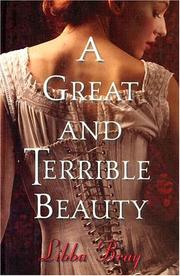
A Great and Terrible Beauty
Sent to a Victorian boarding school after her mother death, Gemma finds a magic realm tied to it.
2,016-word summary · 9 min read

Inkdeath
The final Inkworld novel sends Mo into the land of the dead, leaves Meggie choosing between two boys, and ends the Adderhead's immortality with three written…
2,062-word summary · 9 min read
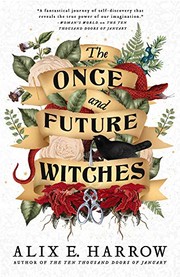
The Once and Future Witches
Three estranged sisters bring witchcraft back to an 1893 city where magic hides in nursery rhymes and the fight for the vote is also a fight for power.
2,132-word summary · 9 min read

Lioness Rampant
Alanna searches for the Dominion Jewel with the Shang Dragon, then returns to Tortall to face Duke Roger at Jonathan's coronation.
2,478-word summary · 11 min read

The Siren
Saved from a shipwreck in 1930, Kahlen becomes a siren who sings men to their deaths for the Ocean, until a boy in a college library makes her want a life she…
2,369-word summary · 11 min read
The Golem's Eye
Two years after The Amulet of Samarkand, Nathaniel is a rising bureaucrat, Bartimaeus is his unwilling servant again, and something made of clay is tearing…
2,299-word summary · 10 min read

The Rose & the Dagger
Shahrzad is pulled from her Caliph husband and left in a desert camp of rebels, needing to break his curse and end a war before it ends her.
2,520-word summary · 11 min read

The Queen of the Tearling
Nineteen-year-old Kelsea leaves the woods to take her throne, ends a shipment of human captives, and draws the Red Queen's revenge.
2,357-word summary · 10 min read

We Hunt the Flame
In a fractured Arabia-inspired world, a disguised huntress and a prince-assassin race to find a magic-restoring book and confront an ancient evil.
2,195-word summary · 10 min read
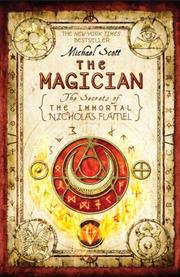
The Magician
Sophie and Josh flee to Paris with Nicholas Flamel, where John Dee, Machiavelli, and an awakened god close in on the missing pages of the Codex.
2,162-word summary · 10 min read
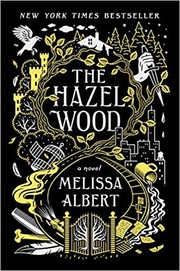
The Hazel Wood
Alice Proserpine has spent her life running from bad luck. When her mother vanishes, she follows a trail of fairy-tale clues to her grandmother's estate and…
2,064-word summary · 9 min read
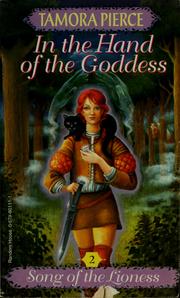
In the Hand of the Goddess
Alanna, still disguised as a boy, survives war, court plots, and a death duel as the Goddess's chosen warrior in the second Song of the Lioness book.
2,018-word summary · 9 min read
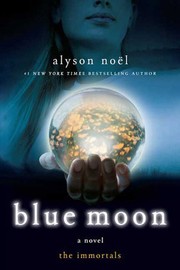
Blue Moon
Ever Bloom tries to save her immortal boyfriend, Damen, from a mysterious illness while a new student named Roman quietly takes control of her school and her…
1,998-word summary · 9 min read
An Enchantment of Ravens
Isobel, a mortal artist in the fairy town of Whimsy, paints a portrait of the autumn prince and falls in love with him, breaking the laws of her craft.
2,087-word summary · 9 min read

The Bane Chronicles
Eleven stories across five centuries follow Magnus Bane from a ban in Peru to his first date with Alec in this illustrated Shadowhunter companion.
2,470-word summary · 11 min read

The Indigo Spell
Sydney Sage hunts an aging witch, learns forbidden magic, and finally admits she loves Adrian, while the Alchemist tattoo on her cheek may be controlling her.
2,604-word summary · 12 min read
The Last Graduate
El must survive graduation when the school feeds seniors to monsters.
2,232-word summary · 10 min read
Grave Mercy
Convent assassin Ismae spares Gavriel and hunts traitors in Brittany.
2,357-word summary · 10 min read
Furies of Calderon
Furyless Tavi defends Calderon Valley when the Marat return and lords scheme.
2,587-word summary · 11 min read
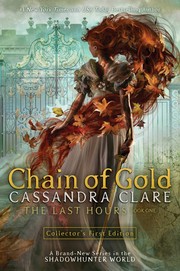
Chain of Gold
Cordelia and James hunt demons in Edwardian London while hearts tangle.
2,364-word summary · 11 min read
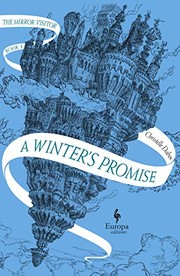
A Winter's Promise
Ophelia reads objects and is sent to marry Thorn on a cold ark.
2,502-word summary · 11 min read
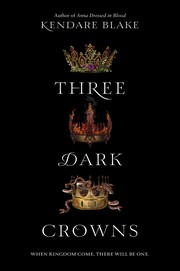
Three Dark Crowns
Three triplet queens must kill each other for the crown, but love and gifts get in the way.
2,134-word summary · 9 min read
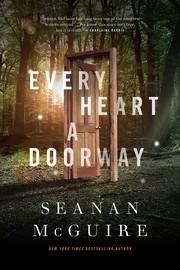
Every Heart a Doorway
Nancy returns from the Halls of the Dead to a school for travelers, where a murder forces portal children to face grief, belonging and the price of going home.
2,400-word summary · 11 min read
The Rules of Magic
Franny, Jet, and Vincent Owens test strict family rules and a love curse in 1960s Manhattan and Massachusetts in Alice Hoffman's warm prequel about love, loss,…
2,686-word summary · 12 min read
The Golden Lily
Sydney Sage guards Jill at Amberwood Prep in Palm Springs, studies forbidden magic, favors Adrian over Brayden, and faces Alchemist custody in this second…
2,988-word summary · 13 min read
Lirael
A Sightless Clayr girl and a prince afraid of Death join the Dog and Mogget to stop necromancers from waking the Destroyer Orannis at the Red Lake while old…
2,692-word summary · 12 min read
Edgedancer
Hungry street thief Lift and her vine-like friend Wyndle cross the Herald Nale in Tashikk when a child emperor shows Radiant signs and she refuses to step…
2,328-word summary · 10 min read
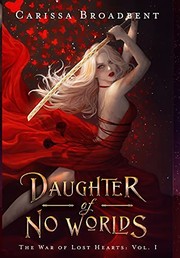
Daughter of No Worlds
A former slave with rare magic hires exiled warrior Max to train her for a daring rescue, sparking slow burn love and wider war in this big 520-page fantasy…
2,529-word summary · 11 min read
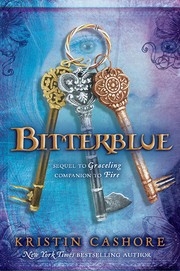
Bitterblue
Eighteen-year-old Queen Bitterblue sneaks out to learn why Monsea still suffers after Leck, facing court lies, ciphers, and trials in Cashore's rich third…
2,686-word summary · 12 min read