
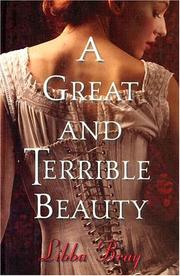
A Great and Terrible Beauty
2,016-word summary 9 min read 403 pages in the book
- First published
- 2003
- Publisher
- Delacorte Press
- Pages
- 403
- ISBN
- 9780385730280
- Series
- Gemma Doyle (#1)
Reading options
What's inside (12 sections)
I read A Great and Terrible Beauty on a rainy weekend that matched its boarding school gloom. Libba Bray published it with Delacorte Press in 2003, a 403 page opener to the Gemma Doyle trilogy with ISBN 9780385730280. Gemma, sixteen, watches her mother die by suicide in India after a vision warns her, then is sent to Spence Academy in London where corsets are tight and rules are tighter. She finds a diary, gathers three friends, and opens a magic otherworld tied to her mother past. Victorian repression meets Celtic otherworld with corset strings cut. Dark, lush, and at times overstuffed, it hooked me despite flaws.
Gemma opens the book sighted and grieving. Visions come unasked. A stranger in the market. A fire that has not happened. Her mother death in Bombay, which Gemma foresaw and could not stop, leaves guilt that drives every choice after. Her father, dazed with laudanum and grief, ships her to Spence to become marriageable. Gemma arrives angry, colonially ignorant, and raw. Spence girls sort her fast. Felicity, beautiful and cruel, daughter of an admiral who ignores her. Pippa, sweet and doomed to marry a mill owner. Ann, poor scholarship girl mocked for size and accent. Gemma, drawn to all three for different needs, forms a circle that is part friendship and part power grab.
Spence rules
Spence Academy runs on routine designed to make girls small. Morning prayers. French. Deportment. Walks in pairs. Gossip as currency. The headmistress Mrs. Nightwing watches for impropriety while hiding her own past with the otherworlds. Teachers enforce hems and hymns. Gemma chafes immediately. She smokes. She talks back. She asks about India in ways that embarrass. Bray captures Victorian girl policing without lectures. Who sits with whom at tea. Whose mother visits. Whose dowry is thin. Ann bears the worst of it, mocked for charity status, and Gemma defense of her is inconsistent in ways that feel true to teen hierarchy. Brave one day. Silent the next.
The diary changes everything. Mary Dowd, a student twenty years earlier, wrote about the Order, women who entered the otherworlds to channel magic, and about Circe, who corrupted it. Gemma realizes her mother was in the Order with her friend Sarah. The otherworlds are reached through caves behind the school, entered by joining hands and speaking. Inside, beauty and rot coexist. Gardens that grant wishes. Ruins that whisper. Creatures that bargain. Bray writes the otherworld with sensory excess. Honeyed air. Rotten fruit. Music that makes you dance until feet bleed. Each visit costs something in the real world. A headache. A nosebleed. A friend acting stranger.
The four
The four girls bind themselves with blood and ribbon, promising to share visions and power. Felicity wants beauty and control to escape a father who sells her marriage. Pippa wants love without a mill owner husband. Ann wants art and a voice that is heard. Gemma wants her mother back and answers without guilt. Their sessions start as escapism. Gorgeous dresses. Balls with handsome spirits. Flirtations with a young gypsy boy Gemma likes. Then wishes turn. Pippa eats faerie food and cannot leave the otherworlds without dying in the real world. Felicity uses glamour to humiliate rivals. Ann paints futures that scare her. Gemma lies to all three about what her mother did. Power reveals character faster than school does.
Gemma mother mystery drives the plot. Was she Circe, the corruptor, or her victim. Visions show her laughing with Sarah, then arguing, then running. Gemma fears she inherited rot. The truth, when it comes, is sadder than villainy. Her mother tried to close the otherworlds to protect her daughter and failed. Circe, still alive in the otherworlds as a beautiful hunger, wants Gemma as vessel. Mary Dowd journals, read in pieces between chapters, fill gaps without info dumping. Girls who wanted more than corsets allowed and paid for it. That lineage gives the fantasy feminist weight. Magic here is not escape from patriarchy but a mirror of it. Who controls doors. Who pays for wishes.
Pippa and the price
Pippa fate is the book wound and Bray does not soften it. Tricked into eating berries, bound to the otherworlds, Pippa withers in bed while her spirit dances. Her parents plan a wedding she will not survive. Her friends visit with lies about recovery. Gemma must choose between forcing Pippa back to a body that will die anyway or letting her stay in illusion that consumes. She chooses honestly and late. Pippa stays. It reads as both mercy and failure. Readers who want rescue will ache. That ache is the point. Wishes in the otherworlds work like Victorian marriage bargains. Pretty terms. Hidden costs. Bray trusts teens to sit with unfairness rather than fixing it with a spell.
Felicity and Ann get less complete arcs by design, setting up sequels. Felicity cruelty masks terror of being sold. She softens just enough to stay in the circle without losing edge. Ann art blooms in the otherworlds where no one mocks her hands. Her final choice to keep visiting despite danger feels brave rather than foolish. Both will matter more in Rebel Angels. Here they function as facets of girlhood under pressure. Beauty. Sweetness. Poverty. Sight. Four ways to be caged. One door out that may be another cage.
What works and what strains
What works is atmosphere and honesty about girl power dynamics. Bray writes mean girls without caricature. Felicity is awful and wounded. Pippa kindness is real and insufficient. Ann shame is physical. Gemma narration is prickly and funny about corsets, hymns, and suitors. The India opening, though brief, respects colonial complexity better than many YA of its time. Gemma unlearns slurs slowly. Servants have names and grief. Her mother opium use is tied to guilt rather than exoticism. The otherworlds scenes pulse with dread that never fully leaves even at tea.
The strain is bloat and borrowing. At 403 pages with diary excerpts and four girl backstories, the middle sags between otherworld visits. School scenes repeat. Mean girl pranks. Scoldings. Night visits. Readers will feel the formula. The magic system is vague in ways that frustrate. What can Gemma actually do. Rules shift to serve plot. Influence from Harry Potter and His Dark Materials shows. Boarding school plus otherworld is familiar ground. Bray walks it with style but not surprise. The love interest, a gypsy boy named Kartik who watches Gemma for the Order, broods more than he acts until late.
Who it is for
Read it if you like Victorian fantasy about girls, or want boarding school books with teeth. It starts the trilogy, so expect setup over resolution. Content notes include parent suicide on page, self harm ideation discussed, eating disorder behaviors, bullying, racist slurs in historical context challenged in text, and sexual pressure handled at young adult level. Suitable for older teens and up.
I finished admiring the gloom more than the plot. Gemma stands at her mother grave in the otherworlds with dirt on her boots and no clean answer about inheritance. That image holds. Beauty and terror braided. Bray named the book well. Great and terrible. Most fantasies pick one. This one insists on both, corsets and all. For a trilogy opener that trusts girls with darkness, that is enough to follow into book two. Tie your shoes. Bring friends. Do not eat the berries.
Mrs. Nightwing and Miss Moore
The teachers hold more than discipline and the book rewards noticing. Mrs. Nightwing, headmistress, was once in the Order herself and lost friends to Circe hunger. She polices girls harshly because she fears what happens when they open doors. Her surveillance is both cruelty and warning. Do not go where I went. Miss Moore, young and kind, teaches literature with real passion and harbors her own connection to the otherworlds through family. She encourages Gemma reading while reporting her movements. Both women embody Victorian double binds. Educate girls but keep them small. The novel never resolves whether they protect or betray. They do both, like most adults guarding dangerous knowledge. Students who distrust teachers will recognize the type. Power that pities you while punishing you.
Kartik and the Order
Kartik, the gypsy boy assigned to watch Gemma, improves on reread. First approach frames him as exotic love interest. Later chapters reveal a boy raised by the Order to kill Gemma if Circe takes her. His brooding comes from that order, not romance. He follows her through London fog, warns in riddles, and fails to stop door openings he was sent to prevent. His bond with Gemma grows through shared secrets rather than charm. She tells him about visions. He tells her about brothers lost to duty. Their almost romance stays chaste because duty blocks it on both sides. She must close doors. He must close her if she fails. That mutual threat makes their tenderness sharper than any kiss. Some readers find him thin. I found him sadder the second time, a boy weaponized like the girls, choosing disobedience as slowly as they do.
The Order history
The Order backstory deserves a straight telling because the diary pieces scatter it. Decades earlier, women who could enter the otherworlds organized to guard the veil between worlds. They recruited girls with sight, trained them in secret at schools like Spence, and used power to heal and to influence. Corruption entered through Circe, once a guardian who wanted the magic for herself rather than for balance. She turned wishes into traps, feeding on girls who asked for love and beauty. Mary Dowd and Sarah, Gemma mother friend, split over how to stop her. One chose binding. One chose burning. Both failed and died with the truth half told. Gemma inherits that unfinished fight without a manual. Her advantage is youth that questions rules the Order obeyed. Why guard a veil that starves both sides. Why bind girls to schools that cage them. Those questions annoy Nightwing because they are right. Power shared beats power hoarded. The trilogy will test whether sharing can survive Circe hunger. This book only opens the door. Doors, once opened, rarely close on request.
Pippa parents
Pippa family pressure deserves a closer look because it explains her fatal choice. Promised to a mill owner twice her age for money, Pippa sees marriage as burial with menus. Her parents, kind in manners and hard in economics, frame it as duty. Girls marry. Mills fail. Love follows, they claim, or at least comfort does. Pippa, sweet and biddable at school, rages privately to Gemma about being sold. The otherworlds offer an alternative where she is adored without bills. Of course she eats the berries. Who would not choose endless balls over a mill owner bed. Bray refuses to judge her for it. The book instead judges the market that made berries rational. Victorian marriage plots killed slowly. Faerie food kills fast and pretty. Both take girls from themselves. Pippa picks the prettier cage. The novel mourns rather than scolds. That mourning is feminist work often missing in fantasy that punishes girls for wanting.
Ann story closes the circle on class. Scholarship girl mocked for size and accent, Ann finds in the otherworlds a place where her art matters more than her purse. She paints futures that frighten her teachers and delights her friends. Returning to Spence halls, she carries that confidence into classrooms that still sneer. Her decision to keep visiting despite knowing costs models a different courage than Gemma power. Stay soft where you were mocked. Make art where you were graded. Bray, who taught teens, writes Ann with particular tenderness. Poor girls in rich schools survive by disappearing. Ann learns to appear instead, brush first. Her first exhibited painting at the end earns a nod from teachers who once mocked her hands..
Series note
Gemma Doyle order is A Great and Terrible Beauty, Rebel Angels, The Sweet Far Thing. Read in order. Diaries and Circe plot carry across all three. Skipping ahead spoils Pippa fate and Gemma mother truth. The trilogy completes Gemma arc fully.
FAQ
When was A Great and Terrible Beauty published?
Delacorte Press published it in 2003. The hardcover runs 403 pages and the ISBN is 9780385730280.
Who are the main characters?
Gemma Doyle, Felicity, Pippa, Ann, and Circe and Mary Dowd.
Is it part of a series?
Yes. It is book one in the Gemma Doyle trilogy, followed by Rebel Angels.
Similar books
More from Gemma Doyle first, then related titles.

Rebel Angels
Gemma returns to the realms to bind magic while facing Circe and London season.
2,708-word summary · 12 min read

Inkdeath
The final Inkworld novel sends Mo into the land of the dead, leaves Meggie choosing between two boys, and ends the Adderhead's immortality with three written…
2,062-word summary · 9 min read
The Once and Future Witches
Three estranged sisters bring witchcraft back to an 1893 city where magic hides in nursery rhymes and the fight for the vote is also a fight for power.
2,132-word summary · 9 min read

Lioness Rampant
Alanna searches for the Dominion Jewel with the Shang Dragon, then returns to Tortall to face Duke Roger at Jonathan's coronation.
2,478-word summary · 11 min read

The Siren
Saved from a shipwreck in 1930, Kahlen becomes a siren who sings men to their deaths for the Ocean, until a boy in a college library makes her want a life she…
2,369-word summary · 11 min read
The Golem's Eye
Two years after The Amulet of Samarkand, Nathaniel is a rising bureaucrat, Bartimaeus is his unwilling servant again, and something made of clay is tearing…
2,299-word summary · 10 min read

The Rose & the Dagger
Shahrzad is pulled from her Caliph husband and left in a desert camp of rebels, needing to break his curse and end a war before it ends her.
2,520-word summary · 11 min read

The Queen of the Tearling
Nineteen-year-old Kelsea leaves the woods to take her throne, ends a shipment of human captives, and draws the Red Queen's revenge.
2,357-word summary · 10 min read

We Hunt the Flame
In a fractured Arabia-inspired world, a disguised huntress and a prince-assassin race to find a magic-restoring book and confront an ancient evil.
2,195-word summary · 10 min read
The Magician
Sophie and Josh flee to Paris with Nicholas Flamel, where John Dee, Machiavelli, and an awakened god close in on the missing pages of the Codex.
2,162-word summary · 10 min read
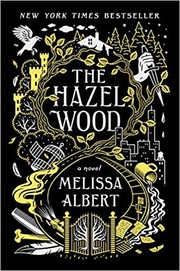
The Hazel Wood
Alice Proserpine has spent her life running from bad luck. When her mother vanishes, she follows a trail of fairy-tale clues to her grandmother's estate and…
2,064-word summary · 9 min read
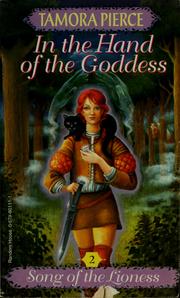
In the Hand of the Goddess
Alanna, still disguised as a boy, survives war, court plots, and a death duel as the Goddess's chosen warrior in the second Song of the Lioness book.
2,018-word summary · 9 min read
Blue Moon
Ever Bloom tries to save her immortal boyfriend, Damen, from a mysterious illness while a new student named Roman quietly takes control of her school and her…
1,998-word summary · 9 min read
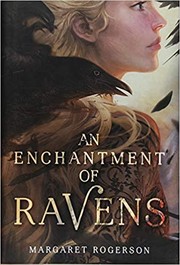
An Enchantment of Ravens
Isobel, a mortal artist in the fairy town of Whimsy, paints a portrait of the autumn prince and falls in love with him, breaking the laws of her craft.
2,087-word summary · 9 min read

The Bane Chronicles
Eleven stories across five centuries follow Magnus Bane from a ban in Peru to his first date with Alec in this illustrated Shadowhunter companion.
2,470-word summary · 11 min read

The Indigo Spell
Sydney Sage hunts an aging witch, learns forbidden magic, and finally admits she loves Adrian, while the Alchemist tattoo on her cheek may be controlling her.
2,604-word summary · 12 min read
The Last Graduate
El must survive graduation when the school feeds seniors to monsters.
2,232-word summary · 10 min read
Grave Mercy
Convent assassin Ismae spares Gavriel and hunts traitors in Brittany.
2,357-word summary · 10 min read
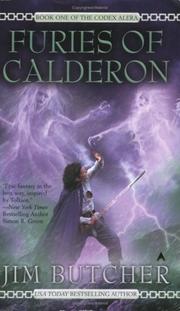
Furies of Calderon
Furyless Tavi defends Calderon Valley when the Marat return and lords scheme.
2,587-word summary · 11 min read
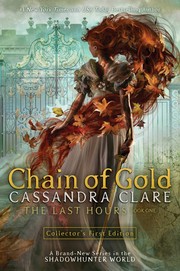
Chain of Gold
Cordelia and James hunt demons in Edwardian London while hearts tangle.
2,364-word summary · 11 min read
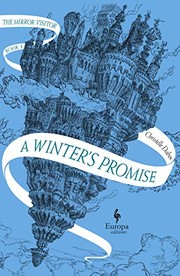
A Winter's Promise
Ophelia reads objects and is sent to marry Thorn on a cold ark.
2,502-word summary · 11 min read
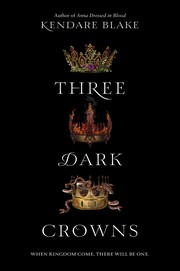
Three Dark Crowns
Three triplet queens must kill each other for the crown, but love and gifts get in the way.
2,134-word summary · 9 min read
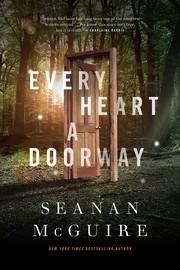
Every Heart a Doorway
Nancy returns from the Halls of the Dead to a school for travelers, where a murder forces portal children to face grief, belonging and the price of going home.
2,400-word summary · 11 min read
The Rules of Magic
Franny, Jet, and Vincent Owens test strict family rules and a love curse in 1960s Manhattan and Massachusetts in Alice Hoffman's warm prequel about love, loss,…
2,686-word summary · 12 min read
The Golden Lily
Sydney Sage guards Jill at Amberwood Prep in Palm Springs, studies forbidden magic, favors Adrian over Brayden, and faces Alchemist custody in this second…
2,988-word summary · 13 min read
Lirael
A Sightless Clayr girl and a prince afraid of Death join the Dog and Mogget to stop necromancers from waking the Destroyer Orannis at the Red Lake while old…
2,692-word summary · 12 min read
Edgedancer
Hungry street thief Lift and her vine-like friend Wyndle cross the Herald Nale in Tashikk when a child emperor shows Radiant signs and she refuses to step…
2,328-word summary · 10 min read
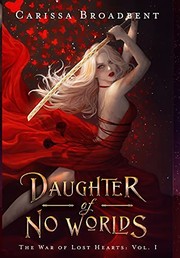
Daughter of No Worlds
A former slave with rare magic hires exiled warrior Max to train her for a daring rescue, sparking slow burn love and wider war in this big 520-page fantasy…
2,529-word summary · 11 min read
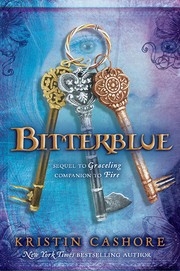
Bitterblue
Eighteen-year-old Queen Bitterblue sneaks out to learn why Monsea still suffers after Leck, facing court lies, ciphers, and trials in Cashore's rich third…
2,686-word summary · 12 min read