
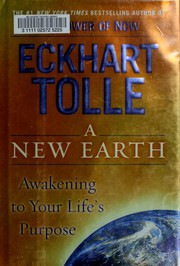
A New Earth
1,909-word summary 8 min read 336 pages in the book
- First published
- 2005
- Publisher
- Dutton
- Pages
- 336
- ISBN
- 9780525948025
Reading options
What's inside (5 sections)
I picked this up skeptical of enlightenment bestsellers and finished calmer than I started, which is annoying to admit. A New Earth by Eckhart Tolle was first published in 2005 by Dutton, a 336 page hardcover with ISBN 9780525948025. Tolle, author of The Power of Now, argues that ego identification causes most suffering and that presence can loosen it. Oprah picked it. Millions read it. I read it slowly with a pencil, arguing in margins, which the book invites by being simple on surface and stubborn underneath.
The core claim is plain enough to fit on a card. You are not your thoughts, roles, or possessions. Suffering comes from mistaking those for self. The ego needs enemies, comparison, and more. Presence, watching this moment without naming everything, reveals a quieter identity underneath noise. From there, action becomes response rather than reaction. Tolle calls the shift inner purpose versus outer purpose. Outer changes. Inner steadies. Both matter, but order matters more.
What surprised me is how practical parts are buried in cosmic language. Between passages about consciousness evolution are concrete tools. Name the emotion without story. Feel the inner body while waiting. Let a difficult person be as they are for one minute before fixing. I tried three during a bad week. Two helped. One felt silly in traffic. That hit rate beats most self help I have tried, so I kept reading past the parts about flowers having enlightenment.
Ego and roles
The early chapters map ego with unflattering accuracy that stung in useful ways. Ego as voice that narrates everything. I am right. They disrespected me. I need more to be safe. Tolle lists its strategies. Comparison. Complaint. Being right. Roles played hard at home and work. Parent. Expert. Victim. Helper. Each role needs applause or pity to survive. I saw my own meeting behavior annotated. Explaining at length to prove worth. Checking likes after posting. That recognition itched in the way true things do before they help.
Role playing gets a full chapter that office workers should read with coffee. Tolle argues roles are functional until identified with fully. Parenting as task is fine. Parent as identity that needs children to need you forever is prison for both. Same for job titles, politics, and even spiritual seeker, which becomes another costume for superiority. His test is simple. Can you drop the role when it is not needed. Play with kids without teaching. Listen without fixing. If not, the role wears you. I tried dropping expert in one call. It felt like falling. Then the call went better. Annoying. True.
The pain body concept follows and divides readers. Tolle claims old hurt forms an energy field that feeds on drama and provokes fights to survive. It sounds mystical. Read psychologically, it describes patterns anyone in families knows. Bad mood seeks triggers. A critical parent voice replays at midnight. A bad day needs an argument to feel complete. Whether or not energy fields exist, the advice works. Notice the shift to hungry mood. Name it as past, not present. Do not feed it with stories. Wait. That protocol saved me one stupid fight with a landlord. I named the heat as old rent panic, not present insult. We solved the leak instead. Good enough.
A fair critique. Tolle states neuroscience loosely and history broadly. Brain claims lack citations. Civilization summaries skip complexity. Readers who need footnotes will fume. I did in two chapters about flowers and ducks that overreach. Skim the cosmic bits. Keep the practices. The book works better as manual with metaphysics than as science. Take what steadies. Leave the rest on the shelf with other grand theories.
Presence practices
The middle gives tools that sound too simple until tried under pressure, so they deserve specifics. Watching the thinker means noticing thoughts without following each one. Tolle suggests starting with breath while waiting. Feel air. Hear room. When thought pulls, label thinking and return. No battle. Just return. I practiced in grocery lines instead of scrolling. Boredom changed texture. Less itch. More noticing of carts and kids. Small win. Repeatable.
Inner body awareness means feeling aliveness in hands and feet while doing dishes or walking. Not visualizing light. Just sensing tingling that is always there under attention. Tolle claims this anchors presence when emotions storm. I tested it during a delayed flight with announcements lying. Hands buzzing. Feet heavy. Breath slow. The delay stayed bad. My reaction stayed mine rather than the gate agent problem. That distinction saved an evening. Practice, not perfection. Some flights still win. Fewer than before.
Allowing what is gets a chapter that readers mistake for passivity, so read carefully. Tolle does not say accept injustice and nap. He says see the moment clearly before acting, without adding mental movies about what it means for your story. Traffic is traffic, not disrespect. A rude email is words on screen, not verdict on worth. From that clarity, action becomes cleaner. Fix the tire. Answer the email short. Leave the job that harms. Presence improves doing by removing rehearsal. Athletes will recognize the zone. Parents will recognize the pause before yelling that saves mornings.
Relationships get the most useful pages for my life. Tolle argues most fights are pain bodies meeting plus egos defending roles. He suggests presence as listening without preparing rebuttals. Try it once in a real disagreement. Listen fully. Feel feet. Notice the urge to interrupt as ego hunger. Let silence sit. Then speak from what is needed now, not from ten years of score. I tried it with a sibling about holidays. Awkward pause. Better plan. Less residue after. Not enlightenment. Just less damage. I will take it.
If there is a drag, it is repetition. Presence, ego, pain body cycle through chapters with new examples but same moves. Necessary for teaching, but veterans of Power of Now will skim. I skimmed one flower meditation and missed nothing. The payoff, when Tolle applies tools to work and war late, needs the reps. Still, tighter by thirty pages would have helped momentum before the purpose chapters.
Purpose and a new earth
The closing reframes purpose in ways ambitious readers may resist and need. Outer purpose is what you do. Jobs. Projects. Family roles. Inner purpose is how awake you are while doing them. Tolle claims outer fails without inner. Success without presence becomes new ego food. More money, same hunger. He is right enough to sting. Promotions I chased felt empty within weeks. Presence during ordinary work felt better than titles after. That comparison changed how I plan days. Less chasing. More attending. Work still gets done. Enjoyed more.
The new earth vision is modest despite the title. Not utopia by Friday. Just more people awake enough to stop feeding conflict spirals. Tolle cites moments when crowds chose calm. Rare. Possible. He does not promise politics will heal through breathing alone. He suggests inner work makes outer work saner. Meditate, then organize. Listen, then legislate. Skeptics will call this naive. Practitioners will call it necessary but insufficient. I landed in the middle. Breathe first. Then call the rep. Both matter. Order helps.
What stays with me is not cosmic consciousness but small interrupts. Name the role before it drives. Feel hands before replying. Let the difficult person be for one minute. Those moves fit in pockets and work in lines, meetings, and kitchens. The grand claims about species evolution can wait for scholars. Daily presence cannot. Try one tool for a week. Note what shifts. Keep what steadies. That experiment beat my skepticism enough to finish the book with a pencil worn down. Annoying. Useful. True enough to use.
Read it if you are tired of being narrated by worry. Pair with walks without podcasts. Do not expect science or system change alone. Expect practices that lower volume enough to hear rooms again. By the last page you will either shelve it as beautiful nonsense that helped anyway, or keep it near the bed like millions did. I shelved it near, not on, the nightstand. Close enough to reach on bad mornings. That placement is the review. Work applications deserve one more pass with concrete scenes. Meetings where ego defends slides instead of solving problems. Tolle suggests feeling feet under the table while listening fully, then speaking from need rather than rank. Emails answered after a breath instead of instantly with heat. Commutes used for inner body sense instead of rehearsing grievances. None of this guarantees promotion. All of it reduces residue that follows workers home. Presence at work looks like listening without preparing rebuttals and leaving on time without guilt theater. Try one meeting like that this week. Note what shifts in the room when you stop performing importance. Usually decisions get shorter and kinder both. Parenting applications deserve their own honest paragraph since Tolle fans often test tools on kids first. Presence with children looks like getting low, making eye contact, and listening past whining to need. Tired. Hungry. Overstimulated. Tolle suggests feeling your own feet before answering a scream with a scream. Pause one breath. The pause will not spoil them. It models regulation they borrow for years. I tried it during a toy war that usually ends with threats. Feet. Breath. Kneel. The fight deflated faster than usual. Not perfect. Better. Kids learn presence by watching, not by lectures about ego. Be the calm you want to see in small people, even when faking it at first. Faking calm often becomes real calm by the third breath. That is practice, not hypocrisy.
Aging and illness get brief but useful pages worth naming for older readers. Pain as teacher that forces presence when bodies fail. Tolle writes about his own back pain and hospital waits with the same tools. Feel the sensation without the story of ruined plans. Breathe around it. Let doctors do their jobs while you do yours, which is staying. That advice will not cure, but it reduces second suffering heaped on first. Younger readers may skim these pages. Keep them in memory for later. Bodies eventually demand presence through pain if not through practice. Start practice now while comfort allows. Easier to learn feet sensing at a desk than in a ward, though both count.
Oprah effect deserves a note on reception that helps calibrate expectations. Millions read it as a book club pick with webinars and workbooks. Some found community that sustained practice. Others found hype that faded by March. Both outcomes say more about habits than content. A book read together gets discussed. A book read alone gets shelved. If you try it, find one person to compare notes with weekly. What worked. What felt silly. That shared testing beats solitary belief. My margin arguments improved when a friend argued back over coffee. Presence loves company, ironically for a book about inner space.
Critics from psychology and religion raise fair points worth holding alongside benefits. No controlled trials prove pain bodies. Christian readers hear Buddhism with Jesus sprinkled late. Secular readers hear quantum words used loosely. Tolle answers few of these directly, preferring experience over evidence. Take him as a teacher of attention, not a theorist of everything. The attention lessons stand without cosmic claims. Watch thoughts. Feel hands. Allow minutes. Those three survive peer review of daily life even if flowers enlightenment does not. Use the tools. Shelve the cosmology if needed. The book still pays.
FAQ
When was A New Earth published?
Dutton published it in 2005. It runs 336 pages and the hardcover ISBN is 9780525948025.
Is it part of a series?
No. It stands alone, following The Power of Now without requiring it.
Similar books
The Road Less Traveled: A New Psychology of Love, Traditional Values and Spiritual Growth
M. Scott Peck argues that maturity begins with accepting difficulty, then builds discipline, love, and spiritual growth through honest, often painful work.
2,200-word summary · 10 min read
The Untethered Soul
Singer names the noisy inner voice and shows how watching thoughts, loosening old hurt, and keeping the heart open through surrender can ease daily suffering…
2,752-word summary · 12 min read
The Art of Happiness
The Dalai Lama and psychiatrist Howard Cutler link lasting happiness to training the mind, human warmth, compassion, and basic spiritual values for daily life.
3,394-word summary · 15 min read

The Courage to Be Disliked: The Japanese Phenomenon That Shows You How to Change Your Life and Achieve Real Happiness
A philosopher and an angry young man argue over five nights about Adlerian psychology, trauma, approval, and the freedom to be disliked.
2,054-word summary · 9 min read
Four Thousand Weeks: Time Management for Mortals
Oliver Burkeman turns the whole productivity project on its head, arguing that a human lifespan of roughly four thousand weeks is not a problem to optimize…
2,447-word summary · 11 min read
10% Happier
An ABC newsman panics on air, then finds meditation without losing his edge.
2,590-word summary · 12 min read
12 Rules for Life
Twelve essays on responsibility from posture to truth to petting cats.
2,045-word summary · 9 min read
The Power of Now
Tolle argues pain comes from mind chatter and peace from full attention to now.
2,354-word summary · 10 min read

What Happened to You?
Oprah Winfrey and psychiatrist Bruce Perry explain how early experience shapes the brain, and why asking what happened to someone works better than asking what…
2,238-word summary · 10 min read

Moonwalking with Einstein: The Art and Science of Remembering Everything
A journalist spends a year training for the U.S. Memory Championship and discovers that extraordinary memory is mostly technique, attention, and a lot of…
2,027-word summary · 9 min read

The Total Money Makeover: A Proven Plan for Financial Fitness
Dave Ramsey lays out seven Baby Steps, from a $1,000 starter fund to a paid-off house, with the debt snowball at the center.
2,663-word summary · 12 min read
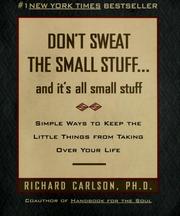
Don't Sweat the Small Stuff ... and It's All Small Stuff: Simple Ways to Keep the Little Things from Taking Over Your Life
Richard Carlson’s 1997 bestseller offers one hundred short chapters on lowering the volume on daily irritations, and it is more pragmatic than its title…
2,502-word summary · 11 min read

Made to Stick: Why Some Ideas Survive and Others Die
The Heath brothers break down why some ideas vanish on contact while others lodge in memory, tracing six traits that make a message stick.
2,527-word summary · 11 min read
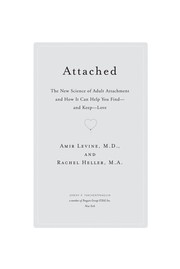
Attached
A psychiatrist and a psychologist explain adult attachment styles and show how anxious, avoidant, and secure patterns shape dating, conflict, and the search…
2,157-word summary · 10 min read
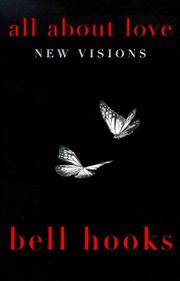
All About Love: New Visions
bell hooks borrows a definition of love as an action rather than a feeling, then spends thirteen chapters showing how hard it is to practice.
2,385-word summary · 11 min read
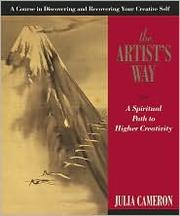
The Artist's Way: A Spiritual Path to Higher Creativity
A twelve week course with morning pages and artist dates to recover creativity.
2,345-word summary · 10 min read
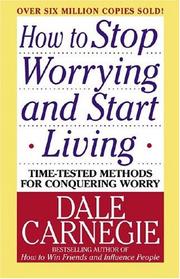
How to Stop Worrying and Start Living
Carnegie offers day-tight routines for worry built from interviews and worker stories.
2,505-word summary · 11 min read
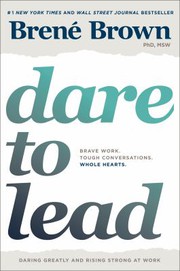
Dare to Lead
Research on courage shows how leaders build trust through vulnerability and clear values.
2,442-word summary · 11 min read
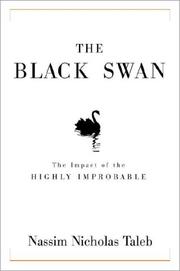
The Black Swan
Taleb argues rare shocks shape history more than models admit, and urges safer exposure over prediction.
2,588-word summary · 12 min read
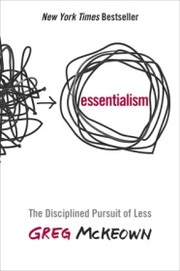
Essentialism
McKeown argues for less but better: discern the vital few, refuse the trivial many, and use buffers, small wins, and steady routines so key work gets done well…
2,421-word summary · 11 min read
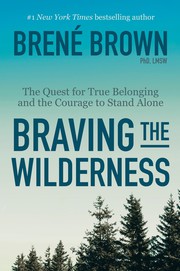
Braving the Wilderness: The quest for true belonging and the courage to stand alone
Belonging to yourself first lets you stand alone and still stay close to others.
2,004-word summary · 9 min read
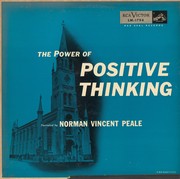
The Power of Positive Thinking
Peale's 1952 guide to faith, affirmations, picturing success, prayer, and worry control, retold chapter by chapter with stories, limits, and small daily habits…
2,742-word summary · 12 min read
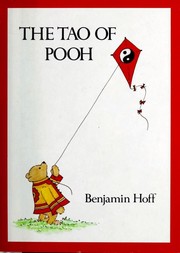
The Tao of Pooh
Hoff explains Taoism through Pooh, Piglet, and Eeyore in gentle chats.
2,006-word summary · 9 min read
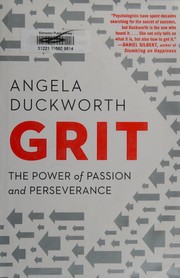
Grit
A psychologist argues sustained passion plus perseverance beats raw talent, and shows how grit can be grown.
2,432-word summary · 11 min read
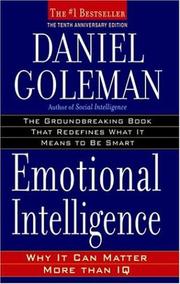
Emotional Intelligence
Goleman argues self awareness and empathy shape success more than IQ alone.
2,026-word summary · 9 min read
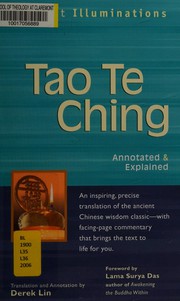
Tao Te Ching: Annotated & Explained
Eighty one brief verses on the Way and effortless action, with Lin's translation and facing notes.
2,140-word summary · 10 min read
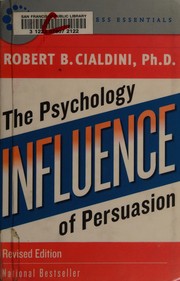
Influence: The Psychology of Persuasion
Six levers plus unity explain why people say yes, learned undercover in salesrooms and labs.
2,030-word summary · 9 min read
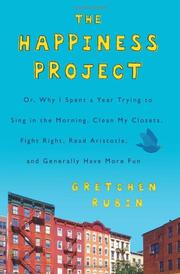
The Happiness Project
Gretchen Rubin spends a year testing monthly resolutions on energy, marriage, work, parenting, and play, tracking small habits to build a happier ordinary…
3,516-word summary · 16 min read
The Gifts of Imperfection
Shame research turned into ten guideposts for dropping perfectionism and living with courage and connection.
2,799-word summary · 12 min read
Think and Grow Rich
Hill teaches desire, faith and autosuggestion, distilling lessons from Carnegie interviews into thirteen principles for success.
2,458-word summary · 11 min read