
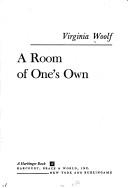
A Room of One's Own
2,001-word summary 9 min read 117 pages in the book
- First published
- 1929
- Publisher
- Harcourt Brace Jovanovich
- Pages
- 117
- ISBN
- 9780156787321
Reading options
What's inside (13 sections)
I read A Room of One's Own in one sitting on a library floor, which felt appropriately disobedient. Virginia Woolf published it with Hogarth Press in 1929, an extended essay of 117 pages in the Harcourt edition I cite with ISBN 9780156787321. It began as lectures at Cambridge women's colleges about women and fiction. Woolf turns the occasion into an argument that still structures debate. A woman must have money and a room of her own to write. Five hundred a year and a lock on the door. From there she tours history, imagines Shakespeare sister, and closes by urging living women to write for the dead ones who could not. Witty, angry, and deliberately unfinished in all the right places.
The narrator, who calls herself Mary Beton or Mary Seton as suits, opens with an insult that sets method. She is barred from an Oxbridge library without a male escort. She is shooed from the grass where only Fellows walk. Lunch at the men college is sole and wine. Dinner at the women college is soup and prunes. The contrast is not complaint but evidence. Who has leisure. Who has meat. Who is allowed on grass. Fiction needs more than genius. It needs time unbroken by bells, doors that lock against interruption, and money that is not begged from fathers or husbands. Woolf inherited money from an aunt and names the bequest as the hinge of her freedom. Before it she angled for work she hated. After it she could think. That candor about cash still embarrasses literary talk that prefers muses to rents. Woolf insists on rents.
Judith Shakespeare
The famous thought experiment arrives early and still stings. What if Shakespeare had a sister as gifted, Judith, kept home from school, taught chores, beaten for reading, married off, fled to London, mocked on stage, and killed herself pregnant and unknown. No one can prove Judith existed. Woolf point is that she could not have survived to write. A genius girl in 1600 had no school, no stage, no room, and a body that belonged to father then husband. The experiment works because Woolf writes Judith life in concrete detail. Lessons missed. Books borrowed in secret. A manager who pities and uses her. Readers who dismiss feminism as modern should sit with Judith. Talent distributed evenly. Opportunity did not. Graves hold the difference.
History gets a brisk, biased tour that Woolf admits is partial. From Behn, who made writing pay, through Burney, the Brontës, Austen writing in sitting rooms where servants interrupted, to Eliot managing scandal by a male name, women wrote against odds that shaped their forms. No war epics from mothers of six. Novels of drawing rooms because drawing rooms were allowed. Anonymous publication because names cost safety. Woolf praises Austen sentences written between interruptions and notes the anger leaking through Brontë endings. She is sharpest on Charlotte, whose rage at dependence mars Jane Eyre genius in Woolf view. Modern feminists argue with that judgment, and should. Woolf tastes are Bloomsbury and narrow. Her framework outlasts her examples. Ask of any era. Who had rooms. Who knocked.
The androgynous mind
The essay swerves into theory about creative minds needing both masculine and feminine currents, unblocked by self consciousness. Coleridge cited. Shakespeare praised as androgynous. Woolf suggests great writing happens when the writer forgets sex and writes as pure perception. This passage divides readers most. Some hear wisdom about flow states. Others hear evasion that lets male genius stay universal while women must still earn rooms. Both readings fit because Woolf is thinking aloud rather than legislating. The lectures were spoken. The essay keeps spoken rhythms. Questions. Asides. Contradictions left standing. Take the provocation as invitation. When do you forget yourself while making. What room, money, or lock made that forgetting possible. Who lacks it now.
The closing peroration addresses living women directly. Write, Woolf urges, for Judith who died unknown. Write in all genres, good and bad, until quantity forces quality to be recognized. The final image of Shakespeare sister living on in readers who prepare the way still moves rooms when read aloud. It worked on me on that library floor. I closed the book and wrote for an hour without checking the door. That is the essay test. Does it send you to work. This one does, even while you argue with its blind spots about class, empire, and lesbian life it codes but does not name. Woolf knew rooms cost more for some. She gestures at servants, colonial fortunes, and working women without fully facing them. Later writers took up those threads. The room expanded because she named the lock.
Style and use
Woolf prose here is her most accessible. Long sentences that breathe, short jokes that bite, fictional scenes inside argument. The Oxbridge beadle. The Manx cat without a tail that prompts thoughts about sexless writing. Students can imitate the moves. Start with a barred door you met. Follow the money behind it. Imagine the sister who did not get through. End by asking readers to work. Teachers assign it because it models essay as walk rather than wall. Follow thoughts where they lead. Let lunch menus argue. That looseness is deliberate craft masking steel. Every anecdote serves the lock and the five hundred. No digression wastes.
Who it is for
Read it if you write, or love someone who does, or wonder why canons look the way they do. It pairs well with Three Guineas for politics and with Tillie Olsen Silences for class. Content notes are mild. Discussion of suicide in the Judith invention, sexist slurs quoted from historical dons to condemn, and colonial wealth mentioned without full reckoning. Suitable for teens and up, most useful for writers setting up first rooms.
I finished thinking about doors. My own first room was a closet with a curtain, then a kitchen table after midnight, then an office with a lock I use less than I should. Woolf would laugh at the lock unused. Use it, she would say. The five hundred matters less now than the habit. Close the tab. Close the door. Write the bad draft that prepares the good one Judith never got to write. For a 117 page lecture almost a century old, that push still lands like a hand on the back. Gentle. Firm. Toward the desk.
A note on text
Hogarth Press 1929 first edition is short and elegant. Harcourt editions reprint it with minor corrections. The 117 page count fits the Harvest paperback. Later annotated versions add context on the Cambridge lectures and the women colleges. Any complete text works. Avoid excerpts that cut Judith or the closing call. Those are the engine and the wheels. You need both to travel.
The lunch menus
The two lunches deserve a closer look because Woolf built her argument from food. At the men college: sole, partridge, wine, coffee with cigars. Talk flows. Fellows linger. Ideas get time. At the women college: soup, beef with greens, prunes and custard. Talk hurries. No lingering. The contrast is not about appetite but about endowment. Rich colleges feed thinking with protein and leisure. Poor colleges feed bodies quickly between classes. Woolf, who ate both meals as guest lecturer, never moralizes the cooks. She counts the cost in sentences. Who can afford to think after prunes. That question extends beyond 1928. Residencies with stipends produce books. Jobs with double shifts produce exhaustion. Fund the soup better and more Judiths survive. It is not subtle. It does not need to be. Menus are budgets made edible. Read them before mission statements.
Behn and the first living
Aphra Behn gets the book founding honor as the first woman who made writing pay, and Woolf salutes her with relief that still moves. Middle class widow. Spy. Playwright. Novelist. Buried in Westminster with poets who mocked her morals. Behn proved money could come from pages rather than patrons or pillows. That proof let Burney, Austen, and the Brontës imagine the same. Woolf lingers on Behn grave because canons forget earners while praising muses. Remember who cashed first. Honor the hack work that funded art. Behn wrote to eat. Eating let her write Oroonoko. That chain, need to page to book, is the whole essay in one life. Support living writers the way Behn lacked. Buy their books. Fund their rooms. The lock needs a landlord paid.
Anger and art
Woolf judgment on Charlotte Brontë anger deserves arguing with because it reveals her limits. She claims Brontë genius warps where Jane Eyre turns from story to sermon against men. Why did women suffer. Look at field laborers. That outburst, Woolf says, breaks the novel spell. Modern readers often cheer the break rather than mourn it. Anger at dependence is data, not flaw. Woolf, who had rooms and money by then, could afford serenity she asks of writers. Brontë, governess poor, wrote with a roof leaking. Of course she scolds. Later feminists from Showalter onward defended the scold as theory. Keep both views while reading. Woolf right that uninterrupted minds make smoother books. Brontë right that smooth is not the only good. Some books should scorch. The essay room holds both if you leave the door open. Write calmly when you can. Write angrily when you must. Just write, the closing urges. Quantity will sort quality in time.
The Manx cat
The tailless Manx cat that crosses Woolf path mid essay earns its famous paragraph through strangeness. Seeing it, Woolf thinks about minds without clear sex, blending currents the way the cat blends cat and not cat. Critics split on whether the passage charms or dodges. Read it as breather rather than thesis. Long arguments need air. Woolf steps outside, watches an odd animal, and lets thought wander before returning to Judith. That wandering models the essay method better than any rule. Follow curiosity. Note the cat. Return to money. Students imitating Woolf should copy the walk structure, not the cat. Start with a door. Wander to an animal. Come back with more questions than answers. Locks and cats both teach. One keeps the world out. The other slips through regardless.
Three Guineas bridge
Three Guineas, Woolf later companion, extends the room argument into war and work. Where this essay asks for money and space to write, the later book asks what to do with money and space once held. Refuse war funds. Support unknown daughters through school. Stay outside patriarchal processions while sending sisters in. Readers who finish Room hungry for politics should read Guineas next, though its pacifism and difficulty divide. Together the pair maps a life. First get the room. Then decide what the room is for. Woolf chose writing that questions rooms themselves. Students can follow the same path on smaller budgets. Claim an hour. Then spend it asking who cleans the building where you claim it. That second question keeps the first honest.
The narrator Mary
The shifting Mary names, Beton, Seton, Carmichael, deserve a note because they model collective voice. Woolf is not one woman lecturing but many women thinking. I is convenient, she says, but convenient lies. Real thinking happens across lunches, walks, and library refusals shared by thousands. The Marys let her be young and old, married and single, angry and amused in one essay. That multiplicity invites readers in rather than lecturing down. You are a Mary too, the form implies. Your barred door counts. Bring it to the page. Classrooms that assign the essay as argument alone miss its fiction. Teach the Marys as characters who disagree across pages. Let students pick which Mary they are today. Rooms differ. So do Marys. All need locks. All need supper first. Feed the body. Then lock the door. Then write the sentence you were afraid to write yesterday. Judith waits in every draft. Write toward her with the door locked and the rent paid. She will meet you halfway. Bring tea. Stay past doubt.
FAQ
When was A Room of One's Own published?
Hogarth Press published it in 1929. The Harcourt edition runs 117 pages and the ISBN is 9780156787321.
Who is in A Room of One's Own?
No cast. Woolf, her narrator Mary, Judith Shakespeare, and Oxbridge dons.
Is it part of a series?
No. It stands alone, extended later by Three Guineas.
Similar books

Infidel
Ayaan Hirsi Ali's memoir of a Somali childhood, a forced marriage, a Dutch asylum claim, and the political fight that followed the murder of Theo van Gogh.
2,041-word summary · 9 min read
Year of Yes: How to Dance It Out, Stand in the Sun and Be Your Own Person
Shonda Rhimes takes her sister’s accusation seriously and spends a year saying yes to the things that frighten her, from live television to her own reflection.
2,585-word summary · 11 min read

Dear Girls: Intimate Tales, Untold Secrets & Advice for Living Your Best Life
Ali Wong's debut collects fourteen letters to her daughters, covering sex, money, work, marriage, Vietnam, and being a working Asian American mother.
2,266-word summary · 10 min read
Why I'm No Longer Talking to White People About Race
Reni Eddo-Lodge traces black British history and shows how institutions, culture, and everyday assumptions keep producing racial inequality.
2,071-word summary · 9 min read
Lucky
Alice Sebold's memoir of the 1981 rape she survived as a college freshman, the courtroom that followed, and a conviction later proven to be a case of mistaken…
2,091-word summary · 9 min read
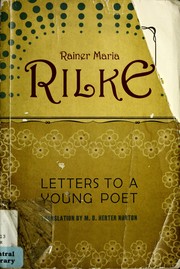
Letters to a Young Poet
Rilke's ten letters to a young officer cadet refuse easy criticism and ask whether he must write, offering patience and solitude as a way of life.
2,530-word summary · 11 min read
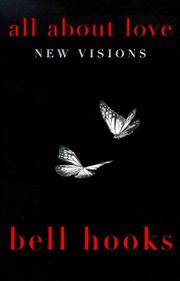
All About Love: New Visions
bell hooks borrows a definition of love as an action rather than a feeling, then spends thirteen chapters showing how hard it is to practice.
2,385-word summary · 11 min read
Erotic Stories for Punjabi Widows
A London law school dropout teaches a writing class that becomes an erotic storytelling group for Sikh widows, and uncovers the truth about a young wife's…
2,004-word summary · 9 min read
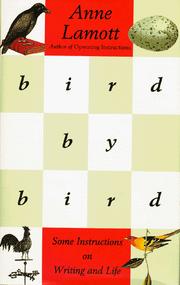
Bird by Bird
Anne Lamott's 1994 book on writing and life: shitty first drafts, the one-inch picture frame, and quieting the inner critic so you can take it bird by bird.
2,592-word summary · 12 min read
The War of Art
Pressfield names Resistance and urges daily professional work.
2,565-word summary · 11 min read
The History of the Hobbit, Part One: Mr. Baggins
Rateliff traces every draft of Bilbo from 1930 notes to print.
2,410-word summary · 11 min read
The Artist's Way: A Spiritual Path to Higher Creativity
A twelve week course with morning pages and artist dates to recover creativity.
2,345-word summary · 10 min read
How to Be a Woman
Moran mixes girlhood and work stories into plain feminist advice.
2,600-word summary · 12 min read
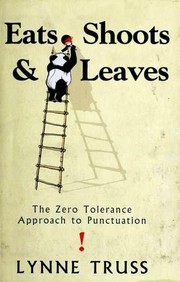
Eats, Shoots & Leaves
Truss defends commas with jokes about pandas and posters.
2,423-word summary · 11 min read
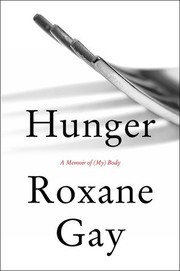
Hunger
Roxane Gay traces how assault at twelve shaped her body, appetite, and daily life as a fat Black woman refusing shame.
2,583-word summary · 11 min read
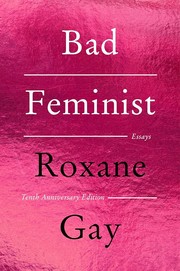
Bad Feminist
Gay mixes memoir and pop culture criticism to argue for imperfect feminism, from Sweet Valley to Django to Fifty Shades.
2,493-word summary · 11 min read
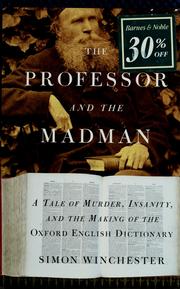
The Surgeon of Crowthorne
James Murray built the Oxford dictionary with Broadmoor inmate William Minor, whose thousands of slips shaped this 1998 HarperCollins story of murder, madness…
2,775-word summary · 12 min read
Understanding Comics
McCloud explains comics in comics form, from icons to closure between panels.
2,091-word summary · 9 min read
Not That Kind of Girl: A Young Woman Tells You What She's Learned
Girls creator Lena Dunham's essays on work, bodies, love, and family, frank and funny with uneven edges.
2,156-word summary · 10 min read
Invisible Women: Data Bias in a World Designed for Men
Data treating men as default harms women in medicine, work, transit, and design, with fixes from studies worldwide.
2,316-word summary · 10 min read
Reading Lolita in Tehran: A Memoir in Books
Seven women meet in secret in Tehran to read Lolita, Gatsby, and Austen while revolution presses in.
2,916-word summary · 13 min read
Three Women
Three American women tell years of desire, grooming, marriage and arrangement.
1,983-word summary · 9 min read
What I Talk About When I Talk About Running
Murakami connects daily running to writing novels, from his jazz club years to marathons and a 62-mile ultramarathon, with frank notes on aging. A quiet memoir…
3,100-word summary · 14 min read
Orange Is the New Black: My Year in a Women's Prison
A Smith graduate serves a year in Danbury for an old drug crime and learns how women share, fight and survive inside.
2,583-word summary · 11 min read
Know My Name
Chanel Miller reclaims her story after the Stanford assault case, tracing family support, trial strain, her viral 2016 statement, and leaving Emily Doe for her…
3,092-word summary · 14 min read
Lean In
Sit at the table, negotiate, share home load, and change offices while knowing advice skews elite.
2,005-word summary · 9 min read
We Should All Be Feminists
Adichie turns her 2012 TEDx talk into a short sharp essay on gender, using stories from Lagos and America to argue equality helps everyone.
2,625-word summary · 12 min read
Mrs. Dalloway
Clarissa Dalloway gives a London party across one June day while veteran Septimus Smith faces shell shock in the same city.
2,935-word summary · 13 min read
Violeta
A woman born in 1920 writes her life story to her grandson, from one pandemic to another, through wealth, ruin, passion, and dictatorship in South America.
2,555-word summary · 11 min read
The Zookeeper's Wife: A War Story
The directors of the Warsaw Zoo hid roughly three hundred Jews in empty cages and outbuildings after the German invasion, while Jan worked for the resistance.
2,065-word summary · 9 min read