
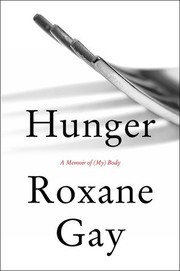
Hunger
2,583-word summary 11 min read 306 pages in the book
- First published
- 2017
- Publisher
- Harper
- Pages
- 306
- ISBN
- 9780062362599
Reading options
What's inside (8 sections)
I picked up Hunger because Bad Feminist had made me a fan of Gay's directness. I expected more of that same funny, sharp cultural criticism. This book is different. It is quieter and heavier and far more personal. It reads like someone deciding in real time how much to tell and how much to keep. I finished it in three sittings and kept putting it down to stare out the window, not because it was confusing but because it asks you to sit with discomfort instead of rushing past it.
Hunger is a memoir about living in a fat body after sexual violence. Gay was assaulted at twelve by a boy she trusted and his friends, told almost no one, and began eating to make herself larger and less vulnerable. She writes about that response with painful clarity. She wanted a body that would keep men away. She got what she asked for, in a way, and then had to live inside the result for decades, through stares and jokes and waiting rooms and airplane seats and family dinners.
What stayed with me is how little interest she has in a redemption story. There is no chapter where the right diet or therapist fixes everything. She eats. She diets. She gains. She loses some and gains it back. She wants to change and resents being told she must change. She defends her humanity and hates what the world does to her because of her size. Both feelings sit side by side without forced resolution.
The book is built in short fragments, some only a page or two. That form fits the subject. Memory after trauma arrives in flashes and repetitions. You will see her circle the same ideas, food as comfort and punishment, visibility and invisibility, control and surrender. At times the circling feels musical. At times it feels repetitive, which I will address later. Still, the shape makes sense for a story about a body that has been both refuge and prison.
What happened when she was twelve
Gay grows up in a loving, high achieving family. Her parents immigrated from Haiti, worked hard, and pushed their three children toward education and manners and success. She describes a childhood that felt safe, full of books and school and summers with her brothers. Then at twelve, during time in the woods with a boy she thought was her boyfriend, everything breaks.
She does not dwell on physical specifics, and I will not either. What matters is the shape of it. A boy she trusted brought his friends. They assaulted her. She was a child, outnumbered, far from help. She told no one at first. She went back to school and tried to act normal while carrying something no child should carry alone.
This part is hard to read because of the aftermath she describes. She withdraws, does poorly in school, grows angry, eats in secret. Her parents know something is wrong but cannot get her to name it. She is sent to boarding school in New England, which sharpens the loneliness. She writes about that period in flat, plain sentences. She ate because food was there. She ate because it dulled the noise. She ate because gaining weight felt like doing something when everything else felt out of control.
She keeps the assault secret for years. When she finally tells her parents as an adult, their pain becomes part of hers. Gay is clear that silence protected no one, least of all herself, but she is also clear about why silence felt necessary when she was twelve and trying to be good in a respectable family.
Building a body that could keep her safe
The central idea in Hunger is that Gay made herself large for protection, even if protection is too tidy a word for what a grieving teenager does. She began to link thinness with vulnerability and size with safety. If men desire small women, she would not be small. If she took up more space, people would leave her alone. It was not a plan so much as a survival response from a kid with few tools.
She returns to the image of armor throughout the book. Fat as padding between her and the world. Fat as a way to be seen and unseen at once. People stare, but they approach differently. Men who might harass a thin woman on the street often treat a very fat woman as invisible or as a joke. That invisibility wounds her, and she says so, but she admits part of her welcomed it. Better to be mocked from a distance than touched without permission.
This is where the book gets complicated in a good way. Gay refuses the easy equation that trauma explains her weight and healing it would change her body. She pushes back against being turned into a case study. People eat for many reasons. Thin people live through violence too. Her body reflects years of habit, genetics, environment, pleasure, grief, and choice tangled together. No single cause covers it.
I liked how she writes about hunger in both senses. She loves food. She describes rich family meals, Haitian dishes, late night snacks, relief after a hard day. She also describes eating past comfort, eating to punish herself, eating to fill a hollow feeling food cannot fill. The same meal can bring joy and shame within an hour. Anyone who has eaten for reasons apart from an empty stomach will recognize that swing, even if the scale differs.
She wanted control. Food gave it to her. Then food took control away, and that reversal mirrors the original loss she suffered at twelve. She never states the parallel too neatly, which is to her credit.
Moving through the world in a fat body in public
Some of the strongest pages cover daily logistics thin readers rarely consider. Airplane seats and seatbelt extenders. Chairs with arms that bruise hips. Booths she cannot slide into. Stores where nothing above a certain size exists, as if fat women do not deserve decent clothes. Doctor visits where a cold or sprained ankle turns into a lecture about weight. She writes about these moments with dry anger rather than self pity, and that tone lands.
Dating takes up much of this stretch. Gay writes as a queer woman who desires and is desired, and who has absorbed the message that fat people should accept any attention. She describes kind partners and partners who treated her as a fetish or a secret. She describes the sting of being told she has a pretty face, as if praise needs an apology for the rest of her. She writes about sex with frankness, not for shock but to insist that fat people have erotic lives worth taking seriously.
The public cruelty she records is relentless. Strangers offer diet advice in grocery lines. Men shout insults from cars. Colleagues smile while making cutting remarks about health. After Bad Feminist made her famous, comment sections filled with strangers diagnosing her. People acted as if her body were public property.
What stuck with me is her account of constant calculation. She scans rooms for sturdy chairs. She arrives early to check seating. She wonders if she will fit, if she will need help, if asking will invite humiliation. That math is exhausting, and she conveys the fatigue well. The world is not built for bodies like hers, and she makes clear the failure is structural rather than personal.
Work brings its own version. Conferences, readings, green rooms, photo shoots. People assume a fat woman lacks discipline or authority. She must work harder to be taken seriously, then gets labeled difficult when she insists on respect. Race sharpens this. As a Black woman she already faces stereotypes about attitude and excess. Add fatness and queerness and she navigates several expectations at once. She shows this through scenes, what a flight attendant said, how a seatmate sighed, what a doctor skipped over, and lets the pattern speak.
Family, Haiti, and the pressure to hold it together
Her parents loom large here, and her love for them is plain even when she describes hurt. Her father is an engineer, exacting and proud, a man who built an American life through work and rules. Her mother is warm and steady, the center of the house. They raised their children with Haitian values around faith, education, presentation, and respect. Good grades. Clean clothes. Company manners. No excuses.
That background shaped her silence. In a family that prized achievement and control, losing control felt like failure. She did not want to burden her parents with what happened at twelve, and she did not want to disappoint them with her weight. So she performed competence while struggling inside. She earned degrees. She built a teaching career. She published books. And she carried weight her family worried over, prayed over, and commented on, sometimes in the same conversation.
There are tender scenes. Trips to Haiti where she felt both tied and foreign. Meals where her mother cooked with love and urged restraint in the same breath. Gay never paints her parents as villains. She shows people doing their best with limited tools, loving a daughter they could see was suffering without knowing how to reach her.
Haiti appears less as travel writing and more as inheritance. Pride in endurance. Catholic guilt. A belief that pain should be borne quietly. A focus on respectability as safety in a racist country. Gay links that inheritance to her instinct to stay quiet after the assault. When your family survived hardship by holding together and pushing forward, admitting brokenness can feel like betrayal. She had to learn that telling the truth was not disloyalty.
Her brothers appear with affection. She writes about closeness and teasing, about being the only daughter, about how size changed her place in family photos and outings. These passages lighten the book. You see her as a sister and daughter, not only as a subject. You see laughter alongside grief.
Faith threads through as atmosphere rather than doctrine. Guilt, confession, penance, the body as a site of shame. Gay does not stage a break with the church so much as show how early lessons stuck. Food became both comfort and sin. Hunger felt both holy and humiliating.
Writing hunger and telling the story in fragments
By the time Harper published Hunger in 2017, Gay was known as a feminist essayist with a wide audience. She had written for years about bodies and rape culture. This book asked her to turn the lens on herself without the shield of cultural argument. She names that difficulty. Analyzing media images of fat women is one task. Describing the scale or a doctor visit or a cruel comment aimed at you is another.
The fragmentary form does much of the work. Chapters run from a paragraph to a few pages. Some read like journal entries. Some read like short essays. Some read like unsent letters. The effect builds rather than marches forward. You do not get a straight line from wound to healing. You get waves. A childhood memory. A scene from last week. A reflection on language, why she prefers fat to obese or overweight, why euphemism feels dishonest. Then another memory, slightly altered.
I found the language chapters especially strong. She rejects clinical terms that turn people into problems. She claims fat as a plain descriptor. She is impatient with backhanded praise that starts with you would be so pretty if. She is impatient with health talk that masks disgust. These sections give thin readers a vocabulary without reading like a glossary.
Appetite runs through as a larger theme. Hunger for food, hunger for love, hunger for safety, hunger for success, hunger to be left alone. Gay admits to large appetites. She likes rich meals and good sex and ambition and nice things. She refuses to apologize for wanting much in a culture that tells women, and especially fat Black women, to shrink. That refusal gives the book its spine.
A fair criticism belongs here. Fragments have costs. Some chapters repeat earlier points in near identical terms. An airplane scene or doctor scene lands hard once and softer the third time. Readers who like memoir with plot may grow restless in the middle. I did, around the halfway mark of the 306 pages. I wanted her to stay longer inside a single scene instead of cutting away.
Context is also thin in places. She gestures toward diet culture and medical bias but offers little history of those systems. That fits a memoir, and I respect the choice to stay personal. Still, readers new to these debates may want more background on why diets fail for most people or how weight bias shapes care. You may need to bring that knowledge or find it elsewhere.
A reckoning that refuses a clean ending
The closing section offers no transformation. Gay tries to eat differently. She moves her body more. She works with doctors. She loses some weight and regains some. She wonders what change would mean and whether wanting it betrays self acceptance. She lands nowhere simple, and that feels honest. She wants to live longer with less pain. She also wants to exist right now without apology.
She writes about responsibility without self hatred, a hard balance. She owns her habits. She does not blame the assault for every meal decades later. She also refuses to call her body a moral failure. She can seek health and reject shame together. That stance will frustrate readers who want a program to follow. This is not that kind of manual, and it does not pretend to be.
Relationships shift in these pages. She allows herself to be loved without performing gratitude for scraps. She sets limits with family around food talk. She describes therapy, friendship, and steady work with more calm. The assault does not vanish. It recedes and returns, as old injuries do. She writes about loosening its hold rather than erasing it. Not pardon for those who harmed her, which she does not owe, but a freer way to live with memory.
I closed the book thinking about care. Gay asks for something modest and firm. Believe fat people when they describe their lives. Stop assuming you know their past or health from a glance. Stop passing cruelty off as concern. Make seats and clothes and medical care that fit real bodies. Listen longer than comfort allows. Those asks live in concrete scenes, a nurse who listens, a partner who is tender, a stranger who holds back judgment.
Hunger will not suit every taste. Readers who want linear memoir may chafe at the structure. Readers who want triumph may find the ending too open. Readers who want research may want more background. But readers willing to sit with contradiction will find a memoir that is brave where it counts. It tells an unsparing personal story without turning pain into inspiration. It insists that a fat Black queer woman deserves attention and respect, not as a problem to fix but as a life to witness.
I suggest reading it slowly, a few fragments at a time. Notice which scenes stay. For me it was the small logistics, the chair check, the seatbelt, the booth, the scale. Those details taught me more than any argument could. They showed how much energy Gay spends each day moving through spaces I cross without thought.
FAQ
When was Hunger published and how long is it?
Harper published it in 2017, and the standard hardcover runs 306 pages. The memoir is told in short fragments rather than long chapters.
Is Hunger a weight loss memoir?
No. Gay describes diets and body change without offering a program or a triumph ending. The focus stays on safety, appetite, family, and living with contradiction.
Does Hunger describe sexual violence in graphic detail?
She names assault at twelve as the central wound but avoids lingering on physical specifics. The emphasis falls on aftermath, secrecy, and decades of life in public.
Similar books
In Order to Live: A North Korean Girl's Journey to Freedom
A young North Korean girl crosses the Yalu, survives trafficking in China, and rebuilds her life in Seoul in this unsparing memoir.
2,027-word summary · 9 min read

Infidel
Ayaan Hirsi Ali's memoir of a Somali childhood, a forced marriage, a Dutch asylum claim, and the political fight that followed the murder of Theo van Gogh.
2,041-word summary · 9 min read

Dear Girls: Intimate Tales, Untold Secrets & Advice for Living Your Best Life
Ali Wong's debut collects fourteen letters to her daughters, covering sex, money, work, marriage, Vietnam, and being a working Asian American mother.
2,266-word summary · 10 min read
Lucky
Alice Sebold's memoir of the 1981 rape she survived as a college freshman, the courtroom that followed, and a conviction later proven to be a case of mistaken…
2,091-word summary · 9 min read
How to Be a Woman
Moran mixes girlhood and work stories into plain feminist advice.
2,600-word summary · 12 min read
Not That Kind of Girl: A Young Woman Tells You What She's Learned
Girls creator Lena Dunham's essays on work, bodies, love, and family, frank and funny with uneven edges.
2,156-word summary · 10 min read
A Stolen Life
Kidnapped at eleven in 1991, Jaycee Dugard survived eighteen years in an Antioch backyard and tells her own story of endurance and motherhood.
2,807-word summary · 12 min read

Reading Lolita in Tehran: A Memoir in Books
Seven women meet in secret in Tehran to read Lolita, Gatsby, and Austen while revolution presses in.
2,916-word summary · 13 min read

In the Dream House
Machado retells an abusive same-sex relationship through haunted house tropes. A daring memoir about harm, memory, and queer silence.
2,903-word summary · 13 min read
Know My Name
Chanel Miller reclaims her story after the Stanford assault case, tracing family support, trial strain, her viral 2016 statement, and leaving Emily Doe for her…
3,092-word summary · 14 min read
Bad Feminist
Gay mixes memoir and pop culture criticism to argue for imperfect feminism, from Sweet Valley to Django to Fifty Shades.
2,493-word summary · 11 min read
Sybil
A 1973 case study of a woman treated for multiple personalities, and the book that made dissociative identity disorder a household phrase.
2,054-word summary · 9 min read

Long Walk to Freedom
Mandela's account of a Thembu childhood, a law practice, a banned movement, twenty-seven years in prison, and the negotiation that ended apartheid.
2,454-word summary · 11 min read

What Happened to You?
Oprah Winfrey and psychiatrist Bruce Perry explain how early experience shapes the brain, and why asking what happened to someone works better than asking what…
2,238-word summary · 10 min read
Too Much and Never Enough: How My Family Created the World's Most Dangerous Man
Mary L. Trump's 2020 memoir traces how a cold, zero-sum Queens household shaped her uncle, and uses family tax documents to challenge his self-made story.
2,059-word summary · 9 min read
Same Kind of Different as Me
An art dealer and a formerly homeless sharecropper tell the story of the friendship that began at a Fort Worth mission and the woman who insisted on it.
2,023-word summary · 9 min read
Down and Out in Paris and London
Orwell's account of washing dishes in Paris hotels and tramping through London does not ask for pity, only for a clear look at how poverty actually works.
2,282-word summary · 10 min read
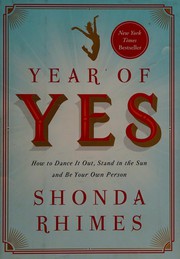
Year of Yes: How to Dance It Out, Stand in the Sun and Be Your Own Person
Shonda Rhimes takes her sister’s accusation seriously and spends a year saying yes to the things that frighten her, from live television to her own reflection.
2,585-word summary · 11 min read
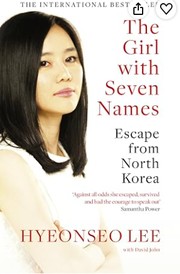
The Girl with Seven Names: A North Korean Defector's Story
Hyeonseo Lee crossed the frozen Yalu River at seventeen, spent years hidden in China, escaped to South Korea, and later returned to rescue her family.
2,404-word summary · 11 min read
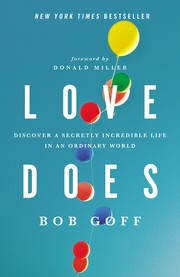
Love Does
A lawyer and activist tells stories of saying yes, showing up, and loving people through ordinary, often ridiculous actions.
2,411-word summary · 11 min read
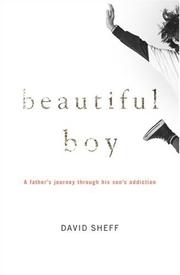
Beautiful Boy: A Father's Journey Through His Son's Addiction
David Sheff recounts watching his son Nic slide into meth addiction, and his own desperate, humbling search for how to help without destroying them both.
2,076-word summary · 9 min read
Columbine
Ten years of reporting on the 1999 school massacre, including a journalist's correction of the myths he helped create in the first hours.
2,232-word summary · 10 min read
The Magnolia Story
How Chip and Joanna Gaines met, closed their first shop, nearly lost everything in a housing development, and built Fixer Upper.
2,994-word summary · 13 min read
Lone Survivor: The Eyewitness Account of Operation Redwing and the Lost Heroes of SEAL Team 10
Marcus Luttrell's account of the 2005 SEAL mission in Afghanistan that killed three of his team and left him alone.
2,144-word summary · 10 min read
Life
The Rolling Stones guitarist tells his own story: a Dartford childhood, the band's first gigs, the drug raids, the tax years and Patti Hansen.
2,761-word summary · 12 min read
Dry
A memoir of drinking, rehab and relapse, and the strange business of getting sober one morning at a time.
2,643-word summary · 12 min read

Why I'm No Longer Talking to White People About Race
Reni Eddo-Lodge traces black British history and shows how institutions, culture, and everyday assumptions keep producing racial inequality.
2,071-word summary · 9 min read
Travels with Charley
Steinbeck drives across America with his poodle Charley, looking for the country he remembers and finding a place that has changed.
2,039-word summary · 9 min read
Smoke Gets in Your Eyes: And Other Lessons from the Crematory
A young medieval history graduate takes a job at an Oakland crematory and becomes a mortician, confronting the physical reality of death and the funeral…
2,003-word summary · 9 min read

Scrappy Little Nobody
Anna Kendrick's essays trace her path from a Portland childhood and Broadway to Hollywood, with jokes, anxiety, and a refusal to pretend fame fixed her.
2,092-word summary · 9 min read