
Reading options
What's inside (9 sections)
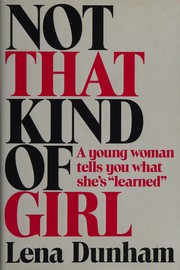
I watched Girls in my twenties with a mix of recognition and irritation, so I came to Lena Dunham's 2014 memoir essays curious and wary. Not That Kind of Girl is a collection of stories, lists, and emails about work, bodies, sex, family, and making art in New York. It is frank to a fault, funny in bursts, and uncomfortable in ways both intended and clumsy.
Growing up Dunham
Dunham grows up in Manhattan as daughter of artist Carroll Dunham and photographer Laurie Simmons, Patch? No, privileged but odd. Private school, famous parents' friends, eating disorders and anxiety early, a sister Cyrus who becomes a close confidante. She describes childhood with novelist's eye for shame. Stealing money from her grandmother's purse, lying about virginity to friends, envying girls with simpler families. The tone is confessional without asking for absolution. I did this, I thought that, I still cringe.
Oberlin years bring freedom and mess. Bad diets, worse boyfriends, a student film that embarrasses and teaches. She writes about wanting to be liked by cool girls while despising herself for wanting it. That double bind will fuel Girls later. Parents pay rent when they can, withhold when they think she must learn. She resents and thanks them in the same paragraph. Family here is loving, art soaked, and boundary light in ways that later controversy about sibling passages will echo. Read now, those passages about examining Cyrus as kids read as oversharing at best. Dunham later apologized for wording, but the discomfort remains and should be named.
What works in these early chapters is specificity. Names of thrift stores, exact cost of Plan B when broke, the smell of dorm radiators. Dunham notices class even while living inside privilege. She knows her safety net exists and names it, which is more than many memoirists do, though naming does not erase it. Readers without nets may still bristle at lessons learned from mistakes they cannot afford. That gap is the book's central tension. Wisdom bought with backup.
Work, Girls, and being the boss
Work essays are the strongest for me. Internships that pay in exposure, temp jobs answering phones for rude men, writing Tiny Furniture on no budget with friends as crew. Dunham describes hustle without glamour. Carrying equipment on subways, begging locations, editing on laptops that die. When Girls sells to HBO after a bidding war for the book proposal itself famously topped $3.5 million, the tone shifts from scrappy to scrutinized. Suddenly every hire is a statement, every firing a headline.
She writes about being a young female boss with unusual candor. Crying in front of crew, over apologizing, underpaying herself to pay others, sleeping with someone she supervises and regretting the blur. There are smart bits on likability. Women bosses must be warm but not weak, decisive but not cold. Dunham fails the test publicly and writes about failing while still failing, which is either brave or premature depending on patience. I found it refreshingly unpolished after lean in manuals. She does not know and says so.
Lists break up prose with jokes that land unevenly. What I would tell a new intern, foods I ate on set, emails to a dealer about a used car. Some read as filler. Others reveal. A list of things she has not done by thirty, including fix a flat and forgive an ex, says more than an essay could. The form suits a TV writer who thinks in scenes and tags. Readers wanting sustained argument may skim. Readers who like voice will stay for asides.
Bodies, sex, and illness
Body chapters are frankest and most divisive. Dunham details endometriosis pain that folds her on bathroom floors, OCD that counts cracks, diets that swing from starvation to binge, tattoos chosen drunk and regretted sober. She writes about sex with humor and hurt. Losing virginity to a boyfriend who does not call, casual encounters that feel empty, a long relationship with Jack Antonoff that steadies without curing insecurity. Consent is discussed explicitly, with Dunham insisting on asking and being asked, a stance that reads well beside later controversies about boundaries with her sister. The two conversations sit uneasily together and the book does not resolve them.
Health writing stands out for clarity. Endometriosis, often dismissed in young women, is described as stabbing and exhausting rather than bad cramps. Doctor visits where pain is minimized ring true for many readers. Dunham uses fame to demand scans and surgery, acknowledging privilege while urging others to push. Those pages help more than any career advice here. Illness as full time job that no boss respects.
Sex writing aims for destigmatizing and sometimes lands as overshare. Threesomes that disappoint, condoms that break, UTI remedies traded like recipes. Dunham wants to be the friend who tells everything. At times I wanted less. Not from prudery but from pacing. One explicit anecdote teaches. Five in a row numb. The best sex essay is quietest, about holding a boyfriend's hand during a scare and realizing care matters more than performance. That could have anchored the louder stories with more reflection.
Family, Nora, and controversy
Family essays honor parents and sister while admitting envy. Mother Laurie, brilliant and anxious, teaches style as armor. Father Carroll, gruff and tender, teaches work as identity. Sister Cyrus, now Grace, gets the most complicated portrait. Childhood closeness with blurred boundaries that Dunham describes with jokes about candy for kisses and masturbation beside a sleeping sibling. Child psychologists later said such behavior falls within norms, but the joking predator language Dunham used was rightly criticized as insensitive. She apologized for wording. The passages remain hard to read now with clearer lens on consent even among kids. Include that discomfort in any recommendation. Do not hand this to teens without context.
Dedication to Nora Ephron frames ambition. Dunham wants Ephron's mix of funny and wise, Jewish New York voice, recipes and romance and work. She falls short in range but captures longing. Emails with Nora before her death show mentorship cut early. Dunham grieves a guide she barely had. That grief explains some grasping in the book. Seeking mothers in bosses, sisters in friends, approval in reviews.
Reception was mixed and commercial. Number two on bestseller lists, praised by Crosley for humor, panned by Wolcott for callowness, debated for narcissism versus honesty. Rereading in 2026, the Girls era glow has faded and Dunham's later work and apologies color pages. Some jokes about race and class land worse. Some honesty about anxiety and illness lands better. The book feels like a time capsule of early 2010s overshare feminism, valuable as record even when uncomfortable as guide.
Read it if you liked Girls or want a primary source on millennial creative ambition, but read critically. Take the work ethic and body candor seriously. Question the boundaries and blind spots openly. Dunham set out to tell what she learned. The most honest lesson, buried in lists, is that learning is unfinished at twenty eight. The book's best promise is not expertise but company for readers muddling through work, sex, and family with humor that sometimes fails and humanity that mostly shows.
Lists, emails, and form
The book's mixed form deserves attention because it shapes how confession lands. Essays carry narrative weight while lists and emails provide breath and jokes. A diet log from age nine to twenty six shows disorder better than an essay could. An email exchange with a landlord about mice shows New York renting absurdity in real time. A how to list for getting dressed for a party that might have an ex reveals anxiety through planning. Dunham, a TV writer, thinks in segments that cut before heaviness settles. That pacing keeps pages turning but can also dodge depth when a scene ends on punchline rather than feeling.
Some lists fail. Favorite foods on set, petty thefts from hotels, quotes from Uber drivers. They read as notebook sweepings to hit page count after a $3.5 million advance demanded bulk. Readers sense padding and forgive or not depending on affection for voice. I forgave half and skimmed half. The best list, things I have not done, works because omission confesses more than achievement. Never fixed a flat, never fired someone kindly, never told mother the whole truth about money. Those nevers map a life still forming at an age when memoirs usually claim formation done.
Emails with Nora Ephron, included with permission before her death, show mentorship in miniature. Nora advises on necklines and endings with equal care. Write through fear, reheat leftovers without shame, do not marry someone who hates your dog. Dunham soaks advice while missing that Nora earned authority through decades Dunham has not lived. The gap is poignant rather than presumptuous. A young writer borrowing an older woman's lines to sound grown, then growing enough to hear how young she sounds. That arc, unintentional but real, gives the collection shape it otherwise lacks. Start hungry for blurbs, end hungry for time to earn them.
Money, looks, and likability
Money talk is refreshingly specific for a memoir that could have hidden behind art. Dunham lists salaries from temp jobs, prices of apartments shared with roommates and roaches, costs of therapy not covered, and the $3.5 million advance that changed everything while changing nothing inside. She knows readers will do math and judge. She does math first to disarm. Yes, I had help. Yes, I still worried about rent when HBO paid late. No, I do not think money solves anxiety, though lack makes it worse. That candor helps more than humblebragging would, though it cannot fully bridge to readers without nets. Acknowledgment is not redistribution, a limit the book feels but cannot fix.
Looks get similar blunt treatment. Dunham writes about being told she is brave for showing a normal body on TV, a compliment that insults by implying normal needs courage. She details styling for premieres where sample sizes do not fit, photographers who pose her behind thinner co stars, comments that praise confidence while urging diets. She answers by posting unretouched photos and by refusing to lose weight for roles, choices that cost jobs and win fans. The stance is feminist and also brand savvy in ways she half admits. Confidence sells when packaged as relatability. She sells while questioning selling, a loop Girls itself dramatized about art and commerce.
Likability as trap runs through work chapters. Dunham wants to be liked by crew, critics, boyfriends, parents, readers, and knows wanting undermines authority. She describes apologizing before giving notes, laughing at jokes that offend to keep peace, and staying too long at parties to avoid seeming difficult. Then she describes deciding, in small increments, to stop. Say cut without sorry. Fire someone kindly but clearly. Leave early to sleep. Those micro decisions accumulate into a professional self that can hold a set without collapsing. Readers managing similar binds in offices far from sets will recognize the homework. Practice one unsmiling no a day until muscle builds.
Girls on set and off
Making Girls provides the book's most sustained workplace story beyond lists. Dunham details casting friends in apartments, writing dialogue from overheard fights, directing sex scenes while fully clothed and anxious, and handling criticism that the show is too white, too naked, too privileged. She answers some charges with changes in later seasons and deflects others as misunderstanding. What reads best now is exhaustion. Showrunning at twenty six with endometriosis flaring, panic attacks before table reads, and Twitter dissecting bodies each Monday. Success as grind rather than glow. Young readers dreaming of auteur life get a useful corrective. Dream plus scheduling plus pain management.
Off set friendships fray under fame's asymmetry. Old friends want the old Lena who split cabs. New friends want access. Boyfriends must audition for public roles they never sought. Dunham writes about losing two close friends to neglect and jealousy on both sides with unusual accountability for a memoirist her age. She names times she chose work over funerals and jokes over listening. No one is villain. Everyone is tired. That ordinariness makes the loss ache more than scandal would. Fame did not ruin friendships through betrayal. It starved them of time while feeding self importance that felt like work ethic.
The book's final essays about getting older at twenty eight now read poignantly at forty. Promises to be kinder to assistants, to call mother more, to save money despite windfalls. Some she kept, judging later interviews. Some she broke publicly. Reading promises with hindsight invites generosity rather than gotcha. Who keeps all vows made at twenty eight. The value is in writing them down to be held to later, which Dunham did by publishing. Accountability through print is risky and rare. Most memoirists revise past to flatter present. She left past raw enough for present to be judged against. That choice honors readers more than polish would.
FAQ
When was Not That Kind of Girl published?
Random House published the hardcover on September 30, 2014. It runs 265 pages.
Is it part of a series?
No. It is a standalone memoir essay collection about her twenties in New York.
What form does it take?
Essays, lists, and emails about jobs, sex, health, parents, and making Girls, ending with promises kept and broken.
Similar books

Dear Girls: Intimate Tales, Untold Secrets & Advice for Living Your Best Life
Ali Wong's debut collects fourteen letters to her daughters, covering sex, money, work, marriage, Vietnam, and being a working Asian American mother.
2,266-word summary · 10 min read
How to Be a Woman
Moran mixes girlhood and work stories into plain feminist advice.
2,600-word summary · 12 min read
Scrappy Little Nobody
Anna Kendrick's essays trace her path from a Portland childhood and Broadway to Hollywood, with jokes, anxiety, and a refusal to pretend fame fixed her.
2,092-word summary · 9 min read
My Horizontal Life: A Collection of One-Night Stands
Handler turns dating disasters and family chaos into brash comic essays about single life in Los Angeles.
2,304-word summary · 10 min read
Bad Feminist
Gay mixes memoir and pop culture criticism to argue for imperfect feminism, from Sweet Valley to Django to Fifty Shades.
2,493-word summary · 11 min read
The Girl with the Lower Back Tattoo
Amy Schumer mixes raunchy jokes with frank essays on family, dating, body image, and the shooting that pushed her into gun control advocacy.
2,259-word summary · 10 min read
Calypso
Sedaris buys a Carolina beach house, grieves his sister Tiffany, tends his aging father, and turns illness and marriage into dry family comedy.
2,835-word summary · 13 min read
Are You There, Vodka? It's Me, Chelsea
Handler mines family, jail, dating, and travel for brash essays where oversharing is both joke and shield.
2,186-word summary · 10 min read
Naked
Growing up odd in Carolina, working bad jobs, and learning to watch people closely and kindly.
2,020-word summary · 9 min read
Dress Your Family in Corduroy and Denim
Sedaris on snow days, rental houses, Dutch Christmas, and the family that made him funny.
3,098-word summary · 14 min read
Bossypants
Tina Fey moves from Pennsylvania childhood through improv and SNL to 30 Rock in this funny 2011 memoir. Expect backstage stories, jokes about work and…
2,301-word summary · 10 min read

Infidel
Ayaan Hirsi Ali's memoir of a Somali childhood, a forced marriage, a Dutch asylum claim, and the political fight that followed the murder of Theo van Gogh.
2,041-word summary · 9 min read
Dry
A memoir of drinking, rehab and relapse, and the strange business of getting sober one morning at a time.
2,643-word summary · 12 min read
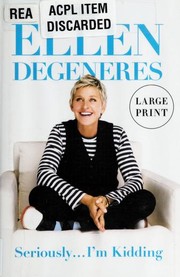
Seriously...I'm Kidding
DeGeneres strings show stories and home jokes into light life advice.
2,292-word summary · 10 min read
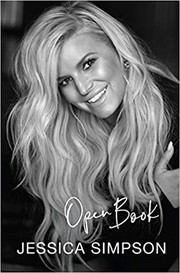
Open Book
Simpson replays pop fame, love and drink through recovery work.
2,552-word summary · 11 min read
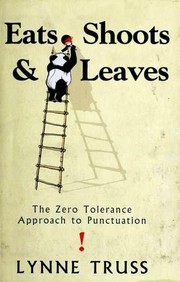
Eats, Shoots & Leaves
Truss defends commas with jokes about pandas and posters.
2,423-word summary · 11 min read
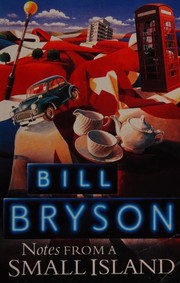
Notes from a Small Island
Bill Bryson's 1995 farewell tour of Britain, funny and fond, from Dover to London, the north, Scotland and Wales.
2,301-word summary · 10 min read
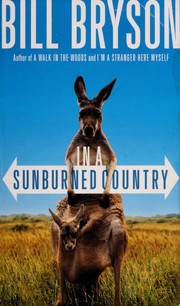
In a Sunburned Country
Bryson revisits Australia by city walks and long trains, with reef trips, critter comedy, and explorer history.
2,387-word summary · 11 min read
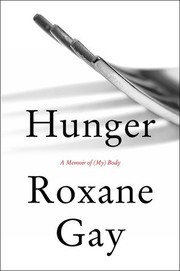
Hunger
Roxane Gay traces how assault at twelve shaped her body, appetite, and daily life as a fat Black woman refusing shame.
2,583-word summary · 11 min read
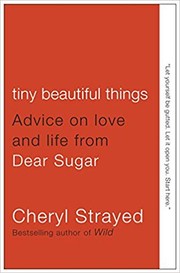
Tiny Beautiful Things: Advice on Love and Life from Dear Sugar
Dear Sugar answers letters on love, grief, and work with tough empathy drawn from her own losses.
2,253-word summary · 10 min read
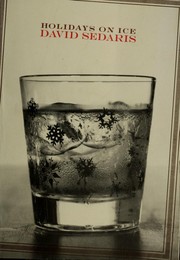
Holidays on Ice
Six Christmas pieces, from a Macy's elf stint to a feral family newsletter. Sedaris at his sharpest and most sentimental.
2,410-word summary · 11 min read
The Anthropocene Reviewed: Essays on a Human-Centered Planet
John Green reviews ordinary parts of human life on a five-star scale, turning geese, keyboards, and sunsets into a warm memoir about attention.
2,982-word summary · 13 min read
Talking as Fast as I Can: From Gilmore Girls to Gilmore Girls
Lauren Graham looks back on broke actress years, Parenthood, and playing Lorelai Gilmore twice in this funny 2016 memoir.
2,701-word summary · 12 min read

Reading Lolita in Tehran: A Memoir in Books
Seven women meet in secret in Tehran to read Lolita, Gatsby, and Austen while revolution presses in.
2,916-word summary · 13 min read
Let's Explore Diabetes with Owls
Sedaris gets French dental work, feeds a kookaburra in Australia, shops for a stuffed owl in London, and survives China, airports and a colonoscopy.
2,538-word summary · 11 min read
Sh*t My Dad Says
A comedy writer moves home and writes down his blunt fathers funniest lines with love.
1,961-word summary · 9 min read
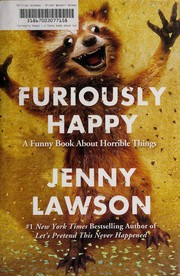
Furiously Happy: A Funny Book About Horrible Things
Jenny Lawson mixes blunt talk about depression with wild stunts and taxidermy to argue for grabbing joy on purpose.
2,963-word summary · 13 min read
Let's Pretend This Never Happened: A Mostly True Memoir
The Bloggess turns a strange Texas childhood and anxious adult life into a funny, warm memoir about family.
2,479-word summary · 11 min read
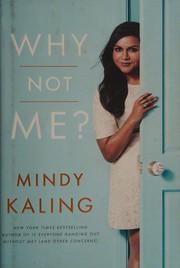
Why Not Me?
Essays on work, dating, and body image from the Office writer learning to ask for bigger rooms.
2,000-word summary · 9 min read
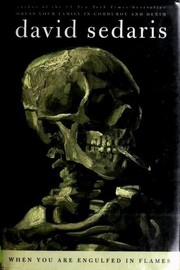
When You Are Engulfed in Flames
In twenty two essays Sedaris tries to quit smoking in Japan, buys a skeleton, fights spiders in Paris, and files dry reports from France on family, country…
2,974-word summary · 13 min read