
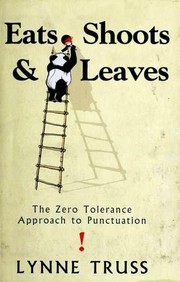
Eats, Shoots & Leaves
2,423-word summary 11 min read 209 pages in the book
- First published
- 2003
- Publisher
- Profile Books
- Pages
- 209
- ISBN
- 9781861976123
Reading options
What's inside (8 sections)
I picked up Eats, Shoots & Leaves because a coworker kept sticking apostrophes where they did not belong and then telling me language changes so I should relax. Eats, Shoots & Leaves by Lynne Truss was first published in 2003 by Profile Books, a 209 page hardcover with ISBN 9781861976123. Truss, a British writer and radio columnist who had spent years subediting and fuming quietly, wrote it as a rallying cry for people who care about commas. I read it in three sittings with a pencil, laughing at first, then wincing at my own emails.
The premise is simple. Punctuation matters because it tells the reader how to breathe and what belongs to what. Get it wrong and you change meaning. Get it very wrong in public, on signs and posters, and you make the rest of us walk around twitching. Truss calls herself a stickler, a word she wears with pride. She is not writing a school textbook. She is writing for people who already notice and want company, plus a few guilty sinners she hopes to recruit.
The famous joke is on the cover. A panda walks into a cafe, orders a sandwich, eats it, then pulls out a gun and fires. When asked why, he tosses over a wildlife guide. Panda: large black and white mammal native to China. Eats, shoots and leaves. With one comma removed or added, a description of diet becomes a crime report. That is the whole book in one gag. Small marks steer big meaning.
The panda and the stickler
Truss opens by admitting she is the kind of person who talks to the television when a colon is abused. She grew up loving books, worked with print, and watched standards slip in shops and newspapers.
She gives a quick history of punctuation to show it was always messy. Marks started as breathing guides for reading aloud, then printers regularized them, then style guides argued about what was correct. Even the experts changed their minds. The Victorians loved heavy semicolons. Modern journalists strip them out.
What I liked here is her honesty about motive. She is not claiming punctuation will save souls. She says it is about courtesy to the reader. If you write a sign that says DO NOT USE THE LIFTS IN CASE OF FIRE BREAK GLASS, people have to guess where the pause goes.
She also sets up the structure. Chapters on the apostrophe, the comma, the colon and semicolon, and the lighter marks. Each gets lore, correct use, and a gallery of abuses.
Apostrophes gone wild
The apostrophe section is the longest and angriest, for good reason. This one mark causes daily public damage. Truss explains the two proper jobs: showing possession, as in the dog's dinner, and showing omission, as in don't for do not. That is almost all of it. Plurals do not take apostrophes. You sell apples, not apple's. You were born in the 1960s, not the 1960's.
She walks through greengrocer signs with patient horror. Potato's, carrot's, gateaux's. She quotes competition rules that say the judges decision is final, when it should be the judges' decision if there is more than one judge, or the judge's decision if there is one. She dwells on its and it's, the trap that catches careful writers too. It's means it is or it has. Its means belonging to it. If you can expand the sentence to it is and it still makes sense, use the apostrophe. If not, leave it out.
She also covers names ending in s, where even style guides fight. Is it Dickens's novels or Dickens' novels? Truss leans toward adding the s for speech rhythm in most cases, while admitting newspapers often drop it to save space. What matters is picking a pattern and staying with it, not switching mid page.
The funny bits land because they are specific. She describes the Apostrophe Protection Society and ordinary people who carry correction fluid or chalk. She tells of a man in Boston who climbed ladders at night to paint out bogus apostrophes on shop fronts. She half admires him and half worries he will fall. I laughed, then remembered proofreading a church flyer that advertised a sale of mince pie's. Someone had tried to be fancy and added a mark that made the pies possessive of nothing.
A fair criticism is that she can sound fierce about errors that come from dyslexia or rushed shift work. A tired shop assistant writing a sign at midnight is not the same as a national newspaper printing errors in headlines. Truss knows this in calmer passages but forgets it when she is on a roll. The scolding can feel personal if you left school unsure about grammar and never got a second chance to learn it.
Still, this chapter taught me a usable test. When in doubt about possession, flip the phrase around. The girl's shoes becomes the shoes of the girl. The girls' shoes becomes the shoes of the girls. Hearing the difference makes the placement obvious. I use that flip weekly now.
Commas that change dinner
If apostrophes are about ownership, commas are about timing. Truss loves commas fiercely and hates seeing them starve or multiply. She explains their main work: joining, listing, marking off extra comment, and preventing misreading. A comma tells you to pause just long enough to sort who did what to whom.
Her best examples involve eating people by accident. Let's eat Grandma needs a comma after eat if you do not want to suggest cannibalism. A teacher who writes those who can, teach misses the intended praise entirely. Newspaper headlines that drop commas to fit narrow columns create small puzzles. Truss collects those with glee.
She spends good pages on direct address. Dear John, I want a divorce reads differently from Dear John I want a divorce in tone if not in law, but clearer cases bite harder. Come on, kids, dinner's ready is an invitation. Come on kids dinner's ready sounds like you plan to cook the children. That single pair of commas marks who you are talking to.
She also explains the listing comma and the Oxford comma without turning it into war. In a list like red, white and blue, British style often skips the last comma before and. American style often keeps it. Truss is British and generally sparing, but she shows places where the extra comma prevents trouble, as in dedications to my parents, Ayn Rand and God. Without that final comma, your parents sound like an odd couple. With it, you honor three separate parties. Her advice is practical. Use the extra comma when it clears doubt. Leave it out when the list is clean.
Another strong passage covers commas that set off extra information. My brother, who lives in Leeds, is a plumber tells you I have one brother and by the way he lives in Leeds. My brother who lives in Leeds is a plumber suggests I have more than one brother and I mean the Leeds one. That pair of commas carries family census data. Once you see it, you cannot unsee it.
My own weak spot showed up here. I splice commas between full sentences when I type fast. I went to the shop, it was closed. That should be two sentences or a join with and or a semicolon. Truss calls this out with examples from letters and news copy. Reading them felt like being caught leaving socks on the floor. Easy to fix once noticed.
If there is a drag, it is length of quoted bad prose. She reprints a few tortured sentences from official leaflets to dissect, and two of them run so long I had to read twice to find the verb. The dissection is worth it, but the setup tests patience. A shorter sample would have made the same point.
Colons, semicolons and air
The middle chapters on heavier stops were my surprise favorite. I expected dry rules. I got personality profiles. The colon, Truss says, is a gate that promises delivery. It introduces a list, an explanation, or a punch. The forecast was simple: rain. Remove the colon and the sentence sags. Keep it and the reader leans forward.
The semicolon gets real affection. It links two closely related full thoughts when a full stop would feel too cold and a comma would be wrong. I love Paris; it smells of bread. Two sentences could do that work, but the semicolon shows the thoughts arrived together. Truss admits this mark is fading in British newspapers, where editors replace it with a dash or a stop for pace. She mourns the loss without pretending young writers must revive it in texts. Use it where it fits. Let it rest where it does not.
She gives clear tests. If both sides of the semicolon could stand alone as sentences, and the ideas clearly belong together, the semicolon is allowed. If one side is a fragment, pick a colon or a comma or rewrite. That test cleared up years of guessing for me. I had been using semicolons as fancy commas. They are not.
Exclamation marks get a comic warning. One per book is plenty unless you write comics. Truss quotes novelists who spray them across dialogue to force excitement. What a surprise! Really! Wow! She argues the words should carry the feeling. Save the bang for true shock. The same goes for capitals and italics used as shouting. A page full of emphasis emphasizes nothing.
Question marks get a shorter, kinder treatment, plus a note on rhetorical questions that are really orders. Would you mind moving your bag? That mark is doing polite work far beyond grammar. Parentheses get love as asides for the reader who likes footnotes in the middle of chat. Dashes get a caution because they tempt writers to interrupt themselves constantly, which I do in drafts and then must clean.
The criticism here is light but real. Truss adores certain marks and rushes others. The hyphen, which decides between a man eating chicken and a man-eating chicken, deserves more than the brisk pages it gets. Hyphens settle so many small confusions, from small business owner to re-sign versus resign, that I wanted extra examples. Still, what she gives is accurate and memorable.
Signs, emails and radar
Later chapters move off the page into the street. Truss tours shop signs, posters, council notices, and broadcast captions. VIDEO'S SOLD HERE. CHILDRENS WEAR 50% OFF. MIND YOUR HEAD'S. Each photo she describes made me laugh and then check my own front door note. My building once posted NOTICE: BIN'S WILL BE EMPTIED TUESDAY'S. Two errors in six words is impressive in a sad way.
She argues email made things worse because speed rewards carelessness and spellcheckers ignore apostrophes. A manager who writes its great to see you're report will still pass spellcheck. Both errors are wrong in ways software misses. You're means you are, so you're report claims the report is actively being you. Its great misses the contraction for it is. Truss is not asking for ornate prose in quick notes. She asks for one reread before sending, especially for signs that will hang for years.
This is where her stickler army idea appears. She urges readers to politely return letters with corrections, to write to shops and councils, to carry a marker for truly public howlers. Some readers found this bossy when the book came out. I read it as theater with a point. She does not really want midnight paint raids. She wants people to feel allowed to care in public instead of swallowing irritation.
She is sharp on why institutions should care more than individuals. A school handout full of errors teaches children that accuracy is optional. A council form that misplaces commas can confuse bin days. A newspaper that drops possessives trains millions of eyes to accept the wrong shape.
A fair pushback she partly answers is about change. Language does shift. The greengrocer's apostrophe may one day become standard through sheer weight of use, the way some spellings simplified over centuries. Truss says fine, let change happen through reading and choice, not through tired typing at midnight. That line won me over. It respects living language while defending shared signals we still need.
My practical gain from this part was a street habit. I now photograph funny signs instead of fuming. I have a small album: FRESH EGG'S, STAFF ONLY BEYOND THIS POINT EXCEPT FOR STAFF'S, and my favorite, a cafe board that read EAT HERE GET GAS. No comma crimes there, just missing guidance that changed the offer entirely.
Who it suits and where it creaks
Stepping back, the book succeeds as entertainment with instruction smuggled inside. The rules are sound for standard British publishing of its time. Possession and omission for apostrophes. Pause and separate for commas. Promise and link for colons and semicolons. Restraint for bangs. Anyone who writes at work will find three or four fixes to adopt at once.
The voice is the reason it sold millions rather than sitting on a teacher shelf. Truss is funny about herself, brisk with pompous officials, tender toward careful printers and proofreaders. She tells stories about authors and editors, from Kingsley Amis grumbling to modern subeditors fighting headline widths. Those names give texture without showing off. You feel you are in a print shop listening to someone who loves the trade.
The limits are worth naming. This is not a full grammar. It skims sentence structure and says little about paragraphs. Readers who need ground-up teaching may want a workbook alongside it.
Time has dated a few jokes. References to fax cover sheets feel quaint. The core complaints look fresh because signs still err and emails still rush. Phones made the comma rarer and the stray apostrophe more common through autocorrect.
Who should read it now. If you write signs, newsletters, CVs, or customer emails, read the apostrophe and comma chapters and apply them the same day. If you teach, steal her examples for the board. The panda, the grandma dinner, the parents dedication. Students remember those.
I closed it with a pencil worn down and a kinder eye. I still notice errors everywhere. I correct fewer strangers and more of my own drafts. That seems like the right trade. For a 209 page book from Profile Books that started as a columnist's pet peeve, that is a solid return.
FAQ
When was Eats, Shoots & Leaves published?
Profile Books published it in 2003. The first hardcover runs 209 pages with ISBN 9781861976123.
Is Eats, Shoots & Leaves a textbook?
No. It is a funny guide for general readers, with history, rules, and sign examples, not school exercises.
Does it cover American style?
Partly. British habits dominate, so Americans should check a local guide for quotes and serial commas.
Similar books

Dear Girls: Intimate Tales, Untold Secrets & Advice for Living Your Best Life
Ali Wong's debut collects fourteen letters to her daughters, covering sex, money, work, marriage, Vietnam, and being a working Asian American mother.
2,266-word summary · 10 min read
Scrappy Little Nobody
Anna Kendrick's essays trace her path from a Portland childhood and Broadway to Hollywood, with jokes, anxiety, and a refusal to pretend fame fixed her.
2,092-word summary · 9 min read
My Horizontal Life: A Collection of One-Night Stands
Handler turns dating disasters and family chaos into brash comic essays about single life in Los Angeles.
2,304-word summary · 10 min read
How to Be a Woman
Moran mixes girlhood and work stories into plain feminist advice.
2,600-word summary · 12 min read
Bad Feminist
Gay mixes memoir and pop culture criticism to argue for imperfect feminism, from Sweet Valley to Django to Fifty Shades.
2,493-word summary · 11 min read
The Girl with the Lower Back Tattoo
Amy Schumer mixes raunchy jokes with frank essays on family, dating, body image, and the shooting that pushed her into gun control advocacy.
2,259-word summary · 10 min read
Not That Kind of Girl: A Young Woman Tells You What She's Learned
Girls creator Lena Dunham's essays on work, bodies, love, and family, frank and funny with uneven edges.
2,156-word summary · 10 min read
Calypso
Sedaris buys a Carolina beach house, grieves his sister Tiffany, tends his aging father, and turns illness and marriage into dry family comedy.
2,835-word summary · 13 min read
Are You There, Vodka? It's Me, Chelsea
Handler mines family, jail, dating, and travel for brash essays where oversharing is both joke and shield.
2,186-word summary · 10 min read
Naked
Growing up odd in Carolina, working bad jobs, and learning to watch people closely and kindly.
2,020-word summary · 9 min read
Dress Your Family in Corduroy and Denim
Sedaris on snow days, rental houses, Dutch Christmas, and the family that made him funny.
3,098-word summary · 14 min read
Dry
A memoir of drinking, rehab and relapse, and the strange business of getting sober one morning at a time.
2,643-word summary · 12 min read
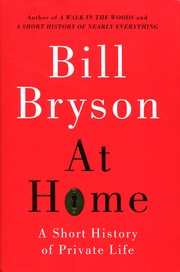
At Home: A Short History of Private Life
Bill Bryson tours his own Norfolk rectory room by room to explain how private life and the modern home got built.
2,334-word summary · 10 min read
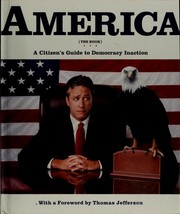
America (The Book): A Citizen's Guide to Democracy Inaction
Jon Stewart and the Daily Show writers turn a high school civics textbook inside out, with a foreword from beyond the grave.
2,511-word summary · 11 min read
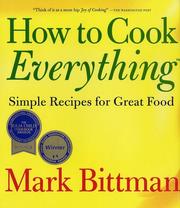
How to Cook Everything: Simple Recipes for Great Food
Bittman's 1998 doorstop taught a generation that dinner is a technique, not a recipe, with master recipes and variations instead of rigid instructions.
2,027-word summary · 9 min read
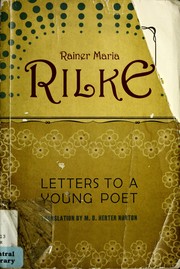
Letters to a Young Poet
Rilke's ten letters to a young officer cadet refuse easy criticism and ask whether he must write, offering patience and solitude as a way of life.
2,530-word summary · 11 min read
What the Dog Saw and Other Adventures
Nineteen New Yorker essays on pitchmen, ketchup, Enron, profiling, late bloomers and the limits of prediction, arranged in three parts.
2,049-word summary · 9 min read
Bird by Bird
Anne Lamott's 1994 book on writing and life: shitty first drafts, the one-inch picture frame, and quieting the inner critic so you can take it bird by bird.
2,592-word summary · 12 min read
The War of Art
Pressfield names Resistance and urges daily professional work.
2,565-word summary · 11 min read
The History of the Hobbit, Part One: Mr. Baggins
Rateliff traces every draft of Bilbo from 1930 notes to print.
2,410-word summary · 11 min read
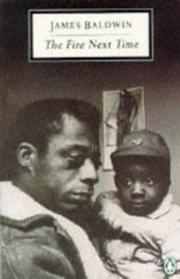
The Fire Next Time
Baldwin writes his nephew and faith on race in America.
2,463-word summary · 11 min read
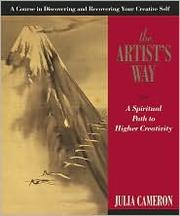
The Artist's Way: A Spiritual Path to Higher Creativity
A twelve week course with morning pages and artist dates to recover creativity.
2,345-word summary · 10 min read
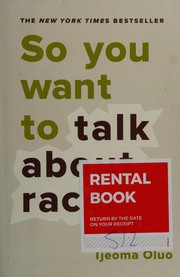
So You Want to Talk About Race
Oluo gives plain rules for talking about race at work and home.
2,597-word summary · 12 min read
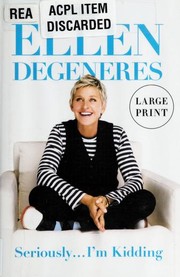
Seriously...I'm Kidding
DeGeneres strings show stories and home jokes into light life advice.
2,292-word summary · 10 min read
Open Book
Simpson replays pop fame, love and drink through recovery work.
2,552-word summary · 11 min read
Notes from a Small Island
Bill Bryson's 1995 farewell tour of Britain, funny and fond, from Dover to London, the north, Scotland and Wales.
2,301-word summary · 10 min read
In a Sunburned Country
Bryson revisits Australia by city walks and long trains, with reef trips, critter comedy, and explorer history.
2,387-word summary · 11 min read
The Surgeon of Crowthorne
James Murray built the Oxford dictionary with Broadmoor inmate William Minor, whose thousands of slips shaped this 1998 HarperCollins story of murder, madness…
2,775-word summary · 12 min read
Understanding Comics
McCloud explains comics in comics form, from icons to closure between panels.
2,091-word summary · 9 min read
Tiny Beautiful Things: Advice on Love and Life from Dear Sugar
Dear Sugar answers letters on love, grief, and work with tough empathy drawn from her own losses.
2,253-word summary · 10 min read