
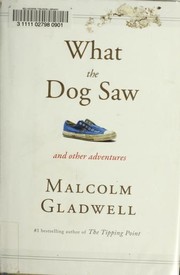
What the Dog Saw and Other Adventures
2,049-word summary 9 min read 432 pages in the book
- First published
- 2009
- Publisher
- Little, Brown and Company
- Pages
- 432
- ISBN
- 9780316075848
Reading options
What's inside (8 sections)
Malcolm Gladwell's books sell because of the arguments, but the essays are where the craft lives. What the Dog Saw collects nineteen of them from The New Yorker, all handpicked by Gladwell, all published between 1996 and 2008, and arranges them in three parts. It arrived in 2009, after Blink and Outliers had made him a man with his own shelf at the airport, and it was a number three bestseller within a week. The book has no thesis, which is precisely why I like it more than some of his later work.
The title comes from the Cesar Millan essay, and it tells you the collection's method. Gladwell is not interested in the dog whisperer's advice. He is interested in what happens in the second before a dog moves, the fraction of time in which Millan perceives something the rest of us miss. Every essay here is a version of that question: what does expertise, prediction, or character actually look like when you slow it down?
Part one: obsessives, pioneers, and minor genius
The first part profiles people who are exceptional at something narrow. The Pitchman is about Ron Popeil, whose family line of pitchmen sold the Veg-O-Matic, the Pocket Fisherman and the Showtime Rotisserie on American television, and whose signature phrase, but wait, there's more, is analyzed here as a machine of language. The essay traces pitchmanship back to Asbury Park kitchens and the KwiKi-Pi, and it is the single best thing written about why infomercials work.
The Ketchup Conundrum starts from a puzzle: why does mustard come in dozens of varieties while ketchup is basically Heinz, and has been for a century. Gladwell brings in Howard Moskowitz, the food scientist who discovered that people do not want the best ketchup, they want their ketchup, and whose work on spaghetti sauce convinced Prego to chase variety over universality. The piece introduced Moskowitz to a general audience, and his phrase about the platonic dish of ketchup appears in a shocking number of marketing decks to this day.
Blowing Up is the one that aged hardest, in the best way. It profiles Nassim Taleb before The Black Swan, explaining how he built an investing career on the inevitability of disaster, tail risk, naked puts, and the spectacular blowup of Victor Niederhoffer as the counterexample. Reading it now, after a decade of books explaining black swans to airport bookstores, the essay is a time capsule of the moment before the idea became a brand, and Gladwell is generous with the mechanics rather than the mythology.
True Colors tells the story of Shirley Polykoff, the copywriter who created the Clairol campaign and the line, does she or doesn't she, and smuggled a generation of American women into salon hair dye. It is the least famous essay in the book and one of the most complete, because it takes a campaign everyone knows and shows you the economics and the shame underneath it. John Rock's Error revisits the co-inventor of the birth control pill, a devout Catholic who believed the Vatican would see the pill as natural, and what his misunderstanding cost women. And What the Dog Saw closes the section with Millan, in what is really an essay about attention. The dog is almost incidental.
Part two: theories, predictions, and diagnoses
The second part is the strongest, and it is where the collection earns its keep for readers who come for the ideas. Open Secrets is about Enron, and Gladwell's argument is that Enron was a mystery rather than a puzzle, meaning the answer was sitting in plain sight in the company's own filings and nobody wanted to do the arithmetic. Jonathan Weil's early reporting, Jim Chanos's short position, Bethany McLean's Fortune piece, and a group of Cornell students who simply read the statements all get their due, along with the wartime analysts who counted V-1 rockets and the lesson about what kind of secret corporate fraud really is.
Million-Dollar Murray is the best essay in the book. It follows Murray Barr, a chronically homeless man in Reno whose emergency room visits, jail stays and detox bills ran into the hundreds of thousands of dollars, and makes the case that some social problems are cheaper to solve than to manage. The math is simple, the implications are not, and the piece has been cited in housing policy fights for fifteen years.
The Picture Problem examines mammography and military imaging together, the Zapruder film and the Rodney King tape, to argue that seeing more does not settle what you are seeing. The mammography section in particular has aged into an argument of its own, because the ambiguity Gladwell identifies in reading a scan has since become part of the public conversation about screening and overtreatment. Something Borrowed is a plagiarism story involving the psychologist Dorothy Lewis and the playwright Bryony Lavery, whose play Frozen borrowed Lewis's life and words, and the essay that emerged asks when influence becomes theft in art. Gladwell does not declare a winner, and the piece is stronger for its messiness.
Connecting the Dots takes on intelligence reform after 9/11, with the Yom Kippur War, Baruch Fischhoff's creeping determinism, the Shelby report and the Rosenhan experiment, in which sane people checked themselves into psychiatric hospitals and were diagnosed anyway, and concludes that the appetite for perfect prediction is itself the problem. The Art of Failure contrasts Jana Novotna's collapse against Steffi Graf at Wimbledon in 1993 with ordinary panic, and explains why choking and panicking are opposite failures: the choker thinks too much, the panicker stops thinking at all. Blowup closes the section with the Challenger disaster and Diane Vaughan's idea of the normalization of deviance, the slow acceptance of small anomalies that turns a warning into a launch. That essay, from 1996, remains the one people cite when another institution explains away its own warning signs, and it has not lost any of its chill.
Part three: personality, character, and intelligence
The final part is about how badly we judge people. Late Bloomers asks why we equate genius with precocity, using David Galenson's split between conceptual geniuses like Picasso and experimental ones like Cézanne, and ending with the novelist Ben Fountain's long apprenticeship, a story that has since become a small legend in writing circles for reasons the essay makes plain. Most Likely to Succeed attacks the way institutions hire, from NFL scouts evaluating quarterbacks to school districts evaluating teachers, and lands on the uncomfortable finding that the criteria everyone uses predict almost nothing. The quarterback section alone, with scouts rating one college prospect above better ones who went on to better careers, is a useful inoculation against confident hiring advice.
Dangerous Minds is the criminal profiling essay, and it is a demolition job. James Brussel's Mad Bomber profile, the legend of the double-breasted suit, John Douglas and the BTK killer, the organized and disorganized typology, the Liverpool studies that undermined the whole field, and a trip through the techniques of cold reading. If you have ever been impressed by a profiler on television, this essay will fix that. The Talent Myth takes on McKinsey's war for talent, Enron's rank and yank culture, and Carol Dweck's research on fixed versus malleable intelligence, with the World War II Tenth Fleet as evidence that systems beat stars. The New-Boy Network dismantles the job interview, from Nalini Ambady's two-second thin slices to Frank Bernieri's handshake study, and explains the fundamental attribution error in the language of hiring. Troublemakers, the last essay, uses Ontario's pit bull ban and a Denver study of dog bites to argue that breed tells you less than owner behavior does, which is a lesson about crime as much as dogs.
How the pieces were made
One thing this collection exposes is Gladwell's actual working method, which is more interesting than his public image suggests. These are magazine pieces, written for an editor at The New Yorker with a fixed word count and a fact checker, and the reporting is substantial in a way that is easy to miss when the argument is smooth. He flies to Reno and follows a homeless man for weeks. He sits with stock traders and describes the specific instrument that blew up. He tracks down the psychologist who worked on profiling and reads the studies that debunk it. The signature move, a small human story opening into a big idea, is a craft developed over hundreds of assignments, and the essays that still work are the ones where the reporting keeps the idea honest.
What the format also does is flatter. A New Yorker essay can introduce a field, question it and exit before the experts get their full reply, and Gladwell's critics are correct that this is a structural advantage he uses well. Part of the pleasure of the collection is watching a master essayist work the form. Part of the frustration, especially if you know the fields involved, is watching the form win fights the evidence would have lost.
The collection as a whole
Read cover to cover, the book has a rhythm problem. The pieces were written for a magazine across twelve years, and some of them show their era. The essays about Enron and Challenger have been overtaken by whole libraries, and the endings sometimes strain for a neat turn that the middle did not quite earn. Gladwell's critics have a point when they say his mode is the confident anecdote plus the surprising study, and the collection makes the pattern visible because you see it nineteen times in a row.
The most famous objection came from Steven Pinker, in a New York Times review, who catalogued real errors, including a misheard eigenvalue rendered as igon value, and named the habit of setting up a straw consensus in order to knock it down. Gladwell answered the review on the paper's blog and mostly conceded the small errors. Pinker also called Something Borrowed and Dangerous Minds masterpieces of the essay form, which is worth remembering. The best parts of this book are not the big claims. They are the reporting.
Who it is for
If you have never read Gladwell, this is a good sampler and a better one than his later, more thesis-driven books. If you have read him and soured on the formula, the New Yorker pieces here are still excellent, and some of them, particularly Million-Dollar Murray, The Picture Problem and Dangerous Minds, stand with the best magazine journalism of their decade. If you only have time for one, start there. If you only have time for half an hour, read The Ketchup Conundrum, which is the purest demonstration of what he does and the least dependent on his conclusions being right.
There is also a format argument to make. This is Gladwell's most rereadable book because nothing in it depends on a single sustained argument, which means the failure of any one essay cannot take the others down with it. You can disagree with Connecting the Dots and still be delighted by The Pitchman in the same sitting. Few contemporary nonfiction books offer that kind of per-chapter independence, and it is the reason the collection has quietly outlasted some of the more celebrated titles it was published between. It spent sixteen weeks on the Times list and showed up on more than one business book of the year list. Read it in pieces, one essay at a time, and skip the temptation to treat any single chapter as settled science. Content notes: frank discussion of death and disaster, including 9/11 and the Challenger explosion, and the Enron and crime material is dry rather than graphic.
The final piece of advice is about spacing. Read the whole book in a week and the pieces blur, the same three beat structure recurring, the same surprise study, the same closing turn. Read them over a month and the range becomes obvious, from the pitchmen to the rocket engineers to the dog. The collection is not a thesis and it should not be consumed like one. Treat it like a magazine subscription that happened to arrive bound, and it keeps giving, one issue at a time.
FAQ
Are the essays in What the Dog Saw new?
No. All nineteen were previously published in The New Yorker between 1996 and 2008, and Gladwell selected and arranged them for this collection.
What is the Igon Value Problem?
It is Steven Pinker's name for the factual errors in Gladwell's essays, taken from a chapter in which an expert's mention of an eigenvalue was rendered as igon value.
Which essay in What the Dog Saw should I start with?
Million-Dollar Murray is the best single piece, while The Pitchman and The Ketchup Conundrum make lighter, funnier starting points.
Similar books
Talking to Strangers
Gladwell asks why we misread strangers, from spies and frauds to traffic stops, and why good intentions still fail.
2,836-word summary · 13 min read
The Tipping Point: How Little Things Can Make a Big Difference
How tiny shifts push ideas and products past a tipping point into epidemics.
2,014-word summary · 9 min read
Outliers: The Story of Success
Success comes from practice, timing, and hidden chances more than talent alone.
1,934-word summary · 9 min read
Made to Stick: Why Some Ideas Survive and Others Die
The Heath brothers break down why some ideas vanish on contact while others lodge in memory, tracing six traits that make a message stick.
2,527-word summary · 11 min read
Cultish: The Language of Fanaticism
Amanda Montell argues that the real machinery of a cult is its vocabulary, and she traces how loaded language from 1960s communes to modern wellness brands and…
2,087-word summary · 9 min read
Columbine
Ten years of reporting on the 1999 school massacre, including a journalist's correction of the myths he helped create in the first hours.
2,232-word summary · 10 min read
Behind the Beautiful Forevers: Life, Death, and Hope in a Mumbai Undercity
Life in a Mumbai slum near the airport, where families hustle for a better future.
2,406-word summary · 11 min read
PostSecret
Warren curates anonymous postcard secrets into art about love and shame.
2,001-word summary · 9 min read
The Psychopath Test
A journalist scores CEOs and Broadmoor men on the Hare checklist.
1,937-word summary · 9 min read
David and Goliath: Underdogs, Misfits, and the Art of Battling Giants
Gladwell argues disadvantages can become advantages, from biblical sling to dyslexia and class size.
3,197-word summary · 14 min read
Blink: The Power of Thinking Without Thinking
Fast judgments can beat analysis, and fail hard, in Gladwell's 2005 book on snap thinking.
2,008-word summary · 9 min read
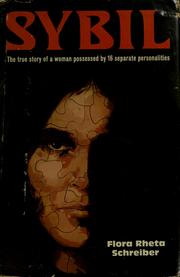
Sybil
A 1973 case study of a woman treated for multiple personalities, and the book that made dissociative identity disorder a household phrase.
2,054-word summary · 9 min read
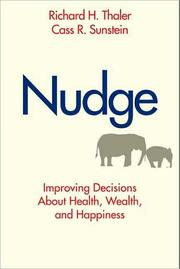
Nudge: Improving Decisions About Health, Wealth, and Happiness
Thaler and Sunstein show how defaults, framing, and social cues steer choices, and argue for choice architecture with an opt-out.
3,146-word summary · 14 min read
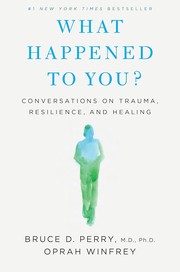
What Happened to You?
Oprah Winfrey and psychiatrist Bruce Perry explain how early experience shapes the brain, and why asking what happened to someone works better than asking what…
2,238-word summary · 10 min read

The Courage to Be Disliked: The Japanese Phenomenon That Shows You How to Change Your Life and Achieve Real Happiness
A philosopher and an angry young man argue over five nights about Adlerian psychology, trauma, approval, and the freedom to be disliked.
2,054-word summary · 9 min read
Nothing to Envy
Barbara Demick follows six defectors from Chongjin through the North Korean famine, showing how ordinary people lived, believed, and finally left.
2,068-word summary · 9 min read

Too Much and Never Enough: How My Family Created the World's Most Dangerous Man
Mary L. Trump's 2020 memoir traces how a cold, zero-sum Queens household shaped her uncle, and uses family tax documents to challenge his self-made story.
2,059-word summary · 9 min read

Moonwalking with Einstein: The Art and Science of Remembering Everything
A journalist spends a year training for the U.S. Memory Championship and discovers that extraordinary memory is mostly technique, attention, and a lot of…
2,027-word summary · 9 min read
The Total Money Makeover: A Proven Plan for Financial Fitness
Dave Ramsey lays out seven Baby Steps, from a $1,000 starter fund to a paid-off house, with the debt snowball at the center.
2,663-word summary · 12 min read
Don't Sweat the Small Stuff ... and It's All Small Stuff: Simple Ways to Keep the Little Things from Taking Over Your Life
Richard Carlson’s 1997 bestseller offers one hundred short chapters on lowering the volume on daily irritations, and it is more pragmatic than its title…
2,502-word summary · 11 min read

Four Thousand Weeks: Time Management for Mortals
Oliver Burkeman turns the whole productivity project on its head, arguing that a human lifespan of roughly four thousand weeks is not a problem to optimize…
2,447-word summary · 11 min read
Beautiful Boy: A Father's Journey Through His Son's Addiction
David Sheff recounts watching his son Nic slide into meth addiction, and his own desperate, humbling search for how to help without destroying them both.
2,076-word summary · 9 min read

Dear Girls: Intimate Tales, Untold Secrets & Advice for Living Your Best Life
Ali Wong's debut collects fourteen letters to her daughters, covering sex, money, work, marriage, Vietnam, and being a working Asian American mother.
2,266-word summary · 10 min read
The Road Less Traveled: A New Psychology of Love, Traditional Values and Spiritual Growth
M. Scott Peck argues that maturity begins with accepting difficulty, then builds discipline, love, and spiritual growth through honest, often painful work.
2,200-word summary · 10 min read
Smoke Gets in Your Eyes: And Other Lessons from the Crematory
A young medieval history graduate takes a job at an Oakland crematory and becomes a mortician, confronting the physical reality of death and the funeral…
2,003-word summary · 9 min read
Scrappy Little Nobody
Anna Kendrick's essays trace her path from a Portland childhood and Broadway to Hollywood, with jokes, anxiety, and a refusal to pretend fame fixed her.
2,092-word summary · 9 min read
Catch and Kill: Lies, Spies, and a Conspiracy to Protect Predators
Ronan Farrow recounts how NBC killed his Harvey Weinstein reporting, then how The New Yorker published it and helped ignite #MeToo.
2,057-word summary · 9 min read

Attached
A psychiatrist and a psychologist explain adult attachment styles and show how anxious, avoidant, and secure patterns shape dating, conflict, and the search…
2,157-word summary · 10 min read
All About Love: New Visions
bell hooks borrows a definition of love as an action rather than a feeling, then spends thirteen chapters showing how hard it is to practice.
2,385-word summary · 11 min read
The Stranger Beside Me
Ann Rule's classic memoir of her friendship with Ted Bundy, written by the true-crime author who knew him long before the world learned what he had done.
2,481-word summary · 11 min read