
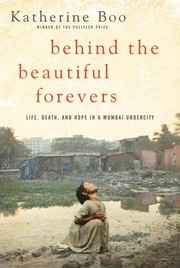
Behind the Beautiful Forevers: Life, Death, and Hope in a Mumbai Undercity
2,406-word summary 11 min read 256 pages in the book
- First published
- 2012
- Publisher
- Random House
- Pages
- 256
- ISBN
- 9781400067558
Reading options
What's inside (7 sections)
I read Behind the Beautiful Forevers slowly because every chapter hurt and mattered. First published in 2012 by Random House at 256 pages in hardcover, it won the National Book Award for Nonfiction. Katherine Boo, a journalist, spent years in Annawadi, a slum by Mumbai airport, following families who sort trash, sew, teach, and hustle under the shadow of luxury hotels and billboards that say beautiful forever. No heroes, no villains, just people trying. I finished angry at systems and tender toward individuals, which is exactly what good reporting should do.
Annawadi sits on airport land, shacks with tin roofs, open sewers, pigs and rats, planes roaring above to places residents will never see. Behind a wall advertising Italian tile as beautiful forever, families live in one room. Abdul Husain, a teenager, sorts garbage with his family, buying and selling recyclables to survive. His mother is tired and fierce. His father is quiet. His brother Mirchi wants more. Across the lane lives Asha, a political fixer who trades favors to lift her family, and her daughter Manju, studying to be the first graduate, teaching younger kids. Nearby, Sunil scavenges, Kalu dreams, Fatima, called One Leg for her disability, drinks and fights.
Boo follows without explaining too much at first. You learn by living alongside. How trash sorting works. Buy bottles here, clean, sell there, margins thin. How police take cuts. How schools demand fees. How hospitals turn away without bribes. How elections bring promises and liquor. Daily life is work and waiting. Water taps run briefly. Toilets scarce. Monsoon floods. Fire from cooking spreads. Planes drown talk. Yet kids play cricket with broken bats, girls braid hair, boys tease. Joy persists inside scarcity. That persistence moved me more than misery. People are not victims waiting. They act.
A fire and a false case
The center is a fire and accusation. Fatima sets herself on fire, or is set, after a fight with the Husains. She names them before dying. Police arrest Abdul, his father, his sister. The family, already poor, must pay lawyers, bribes, court fees. Abdul sits in jail, scared, thinking about trash prices falling while he rots. His mother sells everything to free them. The case drags. Witnesses lie for money or fear. Fatima's story shifts. Was it suicide to frame. Was it accident. Was it murder. Boo does not solve like a thriller. She shows process. How poor must prove innocence while rich pay to avoid charge. How a single accusation can destroy years of sorting and saving.
Abdul's chapters are quiet and devastating. He is thoughtful, anxious, good at sorting but bad at school. He wants to marry, to build a better hut, to breathe without airport fumes. Jail teaches him how little he counts. Guards beat, lawyers delay, judges skim files. His mother begs, borrows, works. His father ages. When they finally get bail, debt remains. Freedom costs more than jail. That math stayed with me. Justice is priced. If you cannot pay, you wait. Boo reports this without preaching. She lets receipts speak. Fees for papers, for signatures, for seeing. Corruption is not dramatic. It is daily small payments that bleed.
Asha's thread shows other survival. She joins a political party, Shiv Sena offshoot, to get work and power. She brokers jobs, settles fights, takes cuts. She wants Manju to graduate and get a proper job, to lift family out. She is not kind in simple ways. She manipulates, threatens, flatters. She also helps neighbors when it serves and sometimes when it does not. I judged her, then understood. In a system where rules bend for money, playing clean loses. She plays to win for her daughter. Manju studies late by dim bulbs, teaches kids for rupees, navigates boys who mock an educated girl. Her hope is fragile and real. Will a degree matter without connections. She tries anyway. That trying is the book's heartbeat.
Sunil and Kalu show boyhood on edge. Scavenging metal, dodging police, dreaming of Dubai jobs. Kalu, ostentatious and kind, dies early in a way that warns. Sunil keeps going, thinner, warier. Their friendship, teasing and sharing food, lightens. Then loss darkens. Boys learn early that bodies are cheap in Annawadi. A fall, a beating, a fever can end. No safety net. Boo does not sentimentalize. She records. That restraint makes grief hit harder. No speech about poverty. Just a missing laugh at cricket.
Reporting that listens
Boo's method matters. She lived nearby for years, with translators, notebooks, court records. She lets people speak in their own logic. No hero narrator saving. She appears rarely. That humility respects subjects. Critics debated whether narrative nonfiction invents thoughts. Boo cites tapes and notes. I trusted because details are too specific to invent. What soap costs, how trash smells when wet, what a judge eats during recess. Such texture comes from time, not imagination. The book reads like a novel but earns truth through work. That work shows in afterword about method. Read it. It answers doubts.
What shines is attention without pity. Boo does not call residents resilient to feel good. She shows calculation, jealousy, cruelty alongside generosity. Asha schemes. Fatima lies. Neighbors envy Abdul's slightly better hut and cheer his fall. Poor do not become saints. They become human under pressure. That humanity respects more than pity. I cared because they were real, not symbols. Abdul's anxiety about trash prices felt as urgent as any thriller. Manju's exam felt as high as any final. Small stakes are huge when margin is zero.
Prose is clear and beautiful without showing off. Short sentences for work. Longer for dreams. Dialogue in present tense pulls you in. You hear planes. You smell sewers and frying. You feel monsoon mud. Boo avoids exoticism. Mumbai is not backdrop. It is system of airport, hotels, police, courts, NGOs, all pressing on Annawadi. Beautiful forevers billboard looms ironically. Forever for whom. Not here. That irony is quiet, not hammered. Title does work.
What weighs is hopelessness without solutions. Boo diagnoses but does not prescribe. After 256 pages, you want fix. Better courts, schools, jobs. She offers none, because none simple. Some readers will feel helpless or guilty. I did. Then I thought about what helps. Support journalism, NGOs that work with residents not for photos, policies that price justice fairly. The book does not tell you, but pushes to ask. That asking is enough for reporting. Action is ours.
Length at 256 pages feels right. Dense but not bloated. Each family gets enough to matter. No chapter wastes. If you want data tables, look elsewhere. This is stories that show data. Literacy rates in Manju's struggle. Corruption in Abdul's receipts. Gender in Asha's bargaining. You learn by living, not charts. That learning sticks longer. I remember Abdul's hands sorting more than any statistic about slums.
Content is heavy but not graphic. Fire death, jail beatings, poverty, illness, child labor. No explicit sex. Language mild. Suitable for older teens and adults ready to face inequality. Classrooms use it with care. It pairs with discussions about global cities, migration, and aid. Bring tissues and questions. Do not read for inspiration alone. Read to witness and reconsider.
Who should read it
Read it if you like narrative nonfiction like Evicted or Random Family, or novels about Mumbai like Shantaram but want truth. Read it to understand how slums work from inside, not from flyover. Read it slowly, one family at a time.
Skip it for now if you need hope or cannot sit with injustice without fix. This will ache and not resolve. Cases drag, debts remain, planes still fly. Hope exists in Manju studying, Abdul sorting, but no triumph. That honesty is gift and burden.
For me, the image that stays is Abdul sorting trash at dawn while planes lift above, hands quick, eyes tired, calculating what plastic will buy. Behind him a billboard promises beautiful forever. In front, sewers run. He works anyway. At 256 pages, Behind the Beautiful Forevers argues dignity persists inside indignity, not by ignoring but by hustling with care. Boo watched for years to tell that clearly. I closed it grateful for her time and ashamed of how little I knew about airport shadows. Planes will keep flying. People will keep sorting. Remember Annawadi when you land. Look down. Someone is working while you arrive. That seeing, steady and unsentimental, is why the book won and lasts. Do not look away. Learn names. Abdul, Asha, Manju. Carry them.
Women negotiating power
I want to say more about Asha and Manju, because mother daughter ambition drives much hope here. Asha is in her forties, sharp, political, unafraid to flirt with power to get a toilet fixed or a job promised. She joins the party, attends meetings, offers liquor at elections, takes notes on who owes whom. She wants her daughter Manju to be the first graduate, to get a government teacher job, to marry well but not be owned. That dream is specific and costly. School fees, exam bribes, clothes to look respectable, time away from earning. Asha pays by brokering. She settles disputes for cuts. She passes information. She sleeps little. Some call her corrupt. Boo shows calculation without condemnation. In a system where officials demand cuts, refusing means losing. Asha plays to win for her girl. That love is fierce and compromised. I judged, then admired, then worried. What will Manju owe for this lift. Can education free when entry required bending. No easy answer. Ask anyway.
Manju studies by dim bulbs while neighbors party, teaches younger kids for rupees, navigates boys who see an educated girl as threat or prize. She loves her mother but fears becoming her. She wants a love marriage, not arranged for advantage, yet knows advantage matters. She befriends Abdul's sister? Actually she keeps distance from Husains after fire, torn between loyalty to truth and to her mother's alliances. That torn loyalty aches. Doing right could cost her degree if Asha loses favor. Doing wrong costs sleep. She chooses small honesties. Teaching an extra hour free. Telling a reporter what she saw. Those small choices build self separate from mother. I rooted for her more than any exam result. Growth is not just passing. It is deciding who to be when mother watches and when she does not.
Fatima, called One Leg, deserves careful memory. Disabled, Muslim, funny, angry, drinking, fighting with Husains over walls and water. She sets herself on fire after a fight, names Husains, dies. Was it suicide to frame, accident, pressure. Boo reconstructs without sensationalizing. Fatima lived with pain and humiliation, husband absent, neighbors mocking limp. Fire as protest and revenge both. Naming powerful neighbors as cause ensures police listen, which they would not for a poor disabled woman's pain alone. That terrible logic indicts system more than Fatima. She used the only leverage she had. Her body. I sat with that long. What does it mean when self harm is rational to be heard. Do not pity quickly. Understand costs that make fire seem like voice. Then work to change costs so no one must burn to be believed.
Other women weave through. Abdul's mother, who begs police and sells pots to free sons. Sunil's mother, who sorts alongside. Teachers who demand fees but also stay late. Nurses who ask bribes but also hold hands. No saints. All negotiating. Boo respects negotiation as intelligence, not corruption alone. When you have little, every interaction is bargain. Smile to get water. Pay to see file. Withhold to keep job. That constant math exhausts. Men drink to forget math. Women calculate through. Gendered burden shows without speech. Manju studying while cooking, Asha politicking while mothering. Double shifts everywhere. Remember that when counting resilience. It is work, not trait.
Courts, schools, and air
Courts deserve more attention for how they process poor. Abdul's case drags through adjournments, missing files, paid witnesses. Lawyers ask for fees at each step. Police beat to extract confessions that judges ignore or accept depending on bribes. The Husains spend savings meant for a better hut on bail and copies. Each payment documented by Boo with receipts. Justice priced per signature. That pricing is not unique to Mumbai. Anyone who faced US cash bail recognizes. Difference is scale of poverty. Ten dollars can mean eating or filing. Abdul learns law not as justice but as weather to survive. Show up, pay, wait, hope judge ate well. Cynicism grows to protect. He still hopes, which breaks more. Hope without power hurts. Boo lets that hurt sit without fixing. Courts do not reform in book. They grind. Families adapt by borrowing more. Debt becomes second sentence.
Schools promise lift and deliver partly. Manju's college demands English she barely has, fees that rise, teachers who favor connected students. She studies late, passes some, fails some. A degree may still not get a job without bribes or English fluency. Yet she persists because alternative is marriage now and dependence. Education as narrow bridge over sewage. It might hold. It might rot. She walks anyway. Younger kids she teaches adore her. That adoration fuels more than job prospects. Being seen as didi who knows gives purpose now, not later. Boo shows schooling as both scam and salvation. Pay for papers that may not pay back, but learn to read contracts that cheat. Literacy protects even without diploma. That dual truth complicates simple build schools slogans. Build fair hiring too. Otherwise graduates sort trash with certificates.
Air itself is character. Airport fumes, burning trash, open sewers, monsoon mold. Abdul coughs. Babies wheeze. Fatima's leg festers in damp. Manju studies through smoke. Boo notes who gets sick and who gets care. Private hospitals for tourists nearby refuse slum patients without cash. Public clinics run out. Health is wealth made breath. When planes lift, they stir dust that settles on food. Beautiful forevers billboard promises Italian tile while lungs fill. That contrast is not metaphor alone. It is epidemiology. Proximity to growth without share harms. Annawadi borders prosperity and chokes on exhaust. Remember that border when praising growth. Who breathes what. Who pays with lungs for others' flights. Those questions linger after last page more than any verdict. They should. Breathe and ask. Then act where you can. Support clinics, schools, fair courts. Small, steady, like sorting. That is all Boo asks. Notice, remember names, do not look away when landing.
FAQ
When was Behind the Beautiful Forevers published?
It was first published in 2012 by Random House at 256 pages. It won the National Book Award for Nonfiction.
Who does it follow?
Abdul, Asha, Manju and others in Annawadi fight poverty, corruption and a false accusation after a fire.
Similar books
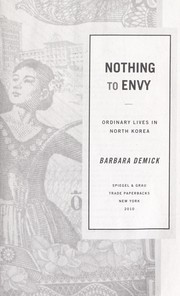
Nothing to Envy
Barbara Demick follows six defectors from Chongjin through the North Korean famine, showing how ordinary people lived, believed, and finally left.
2,068-word summary · 9 min read
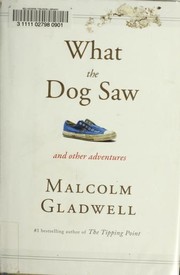
What the Dog Saw and Other Adventures
Nineteen New Yorker essays on pitchmen, ketchup, Enron, profiling, late bloomers and the limits of prediction, arranged in three parts.
2,049-word summary · 9 min read
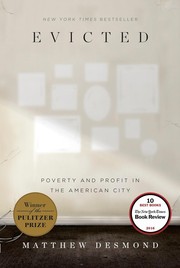
Evicted: Poverty and Profit in the American City
Desmond follows eight Milwaukee families and two landlords through a year of evictions, showing how losing a home causes poverty rather than just reflecting it.
2,032-word summary · 9 min read
Same Kind of Different as Me
An art dealer and a formerly homeless sharecropper tell the story of the friendship that began at a Fort Worth mission and the woman who insisted on it.
2,023-word summary · 9 min read

Down and Out in Paris and London
Orwell's account of washing dishes in Paris hotels and tramping through London does not ask for pity, only for a clear look at how poverty actually works.
2,282-word summary · 10 min read
Made to Stick: Why Some Ideas Survive and Others Die
The Heath brothers break down why some ideas vanish on contact while others lodge in memory, tracing six traits that make a message stick.
2,527-word summary · 11 min read
Cultish: The Language of Fanaticism
Amanda Montell argues that the real machinery of a cult is its vocabulary, and she traces how loaded language from 1960s communes to modern wellness brands and…
2,087-word summary · 9 min read
Columbine
Ten years of reporting on the 1999 school massacre, including a journalist's correction of the myths he helped create in the first hours.
2,232-word summary · 10 min read

The Blind Side: Evolution of a Game
Michael Lewis traces how the left tackle became a premium position and tells the story of Michael Oher, a homeless Memphis teenager whose size and speed made…
2,038-word summary · 9 min read
Catch and Kill: Lies, Spies, and a Conspiracy to Protect Predators
Ronan Farrow recounts how NBC killed his Harvey Weinstein reporting, then how The New Yorker published it and helped ignite #MeToo.
2,057-word summary · 9 min read

The Stranger Beside Me
Ann Rule's classic memoir of her friendship with Ted Bundy, written by the true-crime author who knew him long before the world learned what he had done.
2,481-word summary · 11 min read
Maid: Hard Work, Low Pay, and a Mother's Will to Survive
Stephanie Land's memoir of cleaning houses as a single mother on the poverty line, and of the paperwork that made every step forward cost something else.
2,039-word summary · 9 min read
Invisible Women: Data Bias in a World Designed for Men
Data treating men as default harms women in medicine, work, transit, and design, with fixes from studies worldwide.
2,316-word summary · 10 min read
The Psychopath Test
A journalist scores CEOs and Broadmoor men on the Hare checklist.
1,937-word summary · 9 min read
White Fragility: Why It's So Hard for White People to Talk About Racism
DiAngelo's 2018 bestseller on why cross-racial talk about racism stalls, and what white readers can practice instead.
2,904-word summary · 13 min read

Nickel and Dimed: On (Not) Getting By in America
A journalist works waitress, cleaning, retail, and care jobs undercover to test whether full-time work keeps a person housed and fed.
2,328-word summary · 10 min read

Modern Romance
A comedian and a sociologist combine interviews, focus groups, and Reddit stories to explain why dating feels harder now.
2,322-word summary · 10 min read
Fast Food Nation
Fries, burgers, and meatpacking traced from stands to slaughterhouses show cheap food true price.
1,938-word summary · 9 min read
Talking to Strangers
Gladwell asks why we misread strangers, from spies and frauds to traffic stops, and why good intentions still fail.
2,836-word summary · 13 min read
Fear and Loathing in Las Vegas
Raoul Duke and Gonzo binge Vegas covering Mint 400 and drug conference.
2,443-word summary · 11 min read
The Tipping Point: How Little Things Can Make a Big Difference
How tiny shifts push ideas and products past a tipping point into epidemics.
2,014-word summary · 9 min read
Outliers: The Story of Success
Success comes from practice, timing, and hidden chances more than talent alone.
1,934-word summary · 9 min read

In Cold Blood
Capote reconstructs the Clutter murders and the killers' flight in the book that invented true crime.
1,965-word summary · 9 min read

The Glass Castle
Jeannette Walls's memoir of a childhood spent hungry and moving, from a stove fire at three to a Bronx apartment and parents on the street.
2,255-word summary · 10 min read

The Zookeeper's Wife: A War Story
The directors of the Warsaw Zoo hid roughly three hundred Jews in empty cages and outbuildings after the German invasion, while Jan worked for the resistance.
2,065-word summary · 9 min read
The E-Myth Revisited
Gerber argues that most small businesses are run by technicians who own a job rather than a business, and that the fix is a system that runs without them.
2,169-word summary · 10 min read
Sybil
A 1973 case study of a woman treated for multiple personalities, and the book that made dissociative identity disorder a household phrase.
2,054-word summary · 9 min read
Nudge: Improving Decisions About Health, Wealth, and Happiness
Thaler and Sunstein show how defaults, framing, and social cues steer choices, and argue for choice architecture with an opt-out.
3,146-word summary · 14 min read

Long Walk to Freedom
Mandela's account of a Thembu childhood, a law practice, a banned movement, twenty-seven years in prison, and the negotiation that ended apartheid.
2,454-word summary · 11 min read

1491: New Revelations of the Americas Before Columbus
Charles C. Mann gathers archaeology, ecology, and demography to argue that the Americas before Columbus were older, fuller, and more deliberately shaped than…
2,712-word summary · 12 min read