
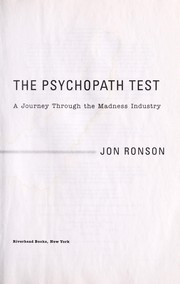
The Psychopath Test
1,937-word summary 9 min read 275 pages in the book
- First published
- 2011
- Publisher
- Riverhead Books
- Pages
- 275
- ISBN
- 9781594488016
Reading options
What's inside (4 sections)
I had read Ronson before and knew his mix of humor and dread when entering strange subcultures, so The Psychopath Test, first published in 2011 by Riverhead Books, 275 pages in hardcover, ISBN 9781594488016, sounded right. It follows Ronson chasing a mystery about a book sent to neurologists, learning the Hare checklist for psychopathy, interviewing a death squad leader in Broadmoor, a legendary CEO, and a prisoner who insists he is sane. It is gonzo nonfiction that asks whether normal is just undiagnosed and whether the madness industry creates the madness it treats. I finished it laughing uncomfortably and checking my own score, which is exactly the response Ronson wants. Amuse, unsettle, implicate.
The hook is genuinely strange. Someone sends a mysterious book to top neurologists around the world. Ronson, curious journalist with anxiety about his own sanity, tracks the sender to find a hoax about a hidden message in a book. That investigation leads to textbook author? Actually to researchers who study psychopaths, and to the checklist itself. Twenty items. Glibness. Grandiosity. Lack of empathy. Need for stimulation. Ronson learns to score like a pro in an afternoon and immediately diagnoses everyone, including himself, which is the joke and the warning. Checklists empower amateurs to pathologize eccentricity. Those early chapters, with Ronson scoring friends over dinner, are funny until you realize real decisions about release, parole, and leadership use the same list with higher stakes. Laughter curdles helpfully. Are we all a little psychopathic when scored by rivals. Probably, if items are vague enough. Grandiosity in CEOs looks like confidence until it bankrupts. Need for stimulation in journalists looks like curiosity until it harms sources. Ronson includes himself in scoring to show instrument limits. He scores mid range on some items by his own admission. That honesty keeps book from smug debunking. He is inside the madness industry as both reporter and potential patient. We all are, increasingly, as normal expands to include billing codes.
Broadmoor, CEOs, and the checklist
Tony, the Broadmoor patient, anchors the book's ethical core. Young man who faked madness to avoid prison for assaults? Actually for grievous bodily harm, then found Broadmoor harder to leave than prison because sanity must be proven to system that profits from doubt. He insists he is sane now, learned psychopath language in therapy to fake, then cannot convince doctors he faked because faking proves insight that looks like manipulation. That catch drives middle better than any CEO interview. Try to prove sanity to people paid to doubt. Every calm answer reads as rehearsed. Every angry outburst confirms diagnosis. Tony's file grows with each appeal. Ronson believes him enough to advocate, then doubts when Tony shows flashes of coldness about victims. Those doubts are left unresolved in ways that frustrate readers wanting verdict. Is Tony psychopath who learned script or normal man trapped by label. Both fit at different pages. That ambiguity is point, not flaw. Labels stick beyond evidence when institutions need beds filled or emptied for budgets. Broadmoor costs more than prison. Release saves money but risks headlines if wrong. Those economics decide more than checklists admit. Follow money behind madness industry to understand diagnoses as resource decisions disguised as science. Ronson shows without preaching through Tony's years. Each review costs. Each transfer denied saves. Numbers decide while doctors sign.
The CEO chapters provide dark comedy with real bite. Ronson interviews Al Dunlap? Actually a legendary CEO known as Chainsaw for layoffs, who agrees to be scored. Dunlap charms, brags about firings, shows no remorse in ways that tick boxes rapidly. Ronson scores high and wonders what that means about capitalism rewarding psychopathic traits. Grandiosity, ruthlessness, charm under pressure. Boardrooms select for checklist items that prisons punish. Same traits, different suits. Those parallels could feel glib. Ronson grounds through specifics. Dunlap's office with Tough? Actually with armor? Details like desk arrangement to intimidate visitors show traits in action rather than theory. When Dunlap enjoys describing layoffs as art, discomfort rises beyond checklist game. Is this illness or evil or business as usual that rewards both. Ronson does not answer cleanly, which honors complexity. Systems promote certain madness while pathologizing same in poor. That structural insight lands harder than any single score. Who gets called psychopath depends on whether firings happen in boardrooms or streets. Remember that disparity when scoring neighbors. Context decides diagnosis more than checklist admits.
For pacing, the book moves episodically through encounters. Hoaxer, checklist author Robert Hare? Actually Hare interviews, Broadmoor visits, CEO lunch, Scientology? Actually David Shayler? Chapters about Shayler and about Rebecca Riley (child medicated to death) broaden from psychopathy to pathologizing normal. Two late chapters in a row about over diagnosis in children and activists follow similar beats, system labels inconvenient as ill. I skimmed one because pattern, label to control, was clear. Then a return to Tony awaiting decision snaps it back. Abstract critique becomes person waiting years for hearing. Those returns to Tony structure the book better than theme alone. Keep one man in mind while touring industry. Will he get out. At what cost to certainty. That suspense sustains through digressions that could otherwise float as essays. Ronson knows to anchor systemic critique in single face readers remember. Tony smiling hopefully before reviews, then flat after denials. Watch face change across visits. That change indicts more than statistics about Broadmoor costs. Faces beat figures for memory, though figures follow to satisfy skeptics. Both present. Feel then count. That order respects how minds change. Story first opens, numbers confirm. Use both in that sequence when arguing about madness industry with friends after reading. Start with Tony. End with budgets.
What checklists do and who should try it
The book's argument lands in questions rather than answers, which suits Ronson's style and frustrates readers wanting takeaways. Should checklist exist. Yes, for dangerous decisions needing structure over gut. Should amateurs use it on bosses and exes. No, as Ronson demonstrates by misdiagnosing friends for laughs before showing real misuse in courts. Should psychopathy excuse. No, but explain to calibrate response. Those nuances get lost in meme versions that reduce book to quiz. Am I psychopath. Take test online. Ronson anticipates by scoring himself publicly and finding borderline traits we all share. Need for stimulation in journalists. Grandiosity in authors promoting books about madness. Those admissions disarm self righteousness that quizzes breed. We are all a little mad by checklist light. Systems that sort mad from sane for confinement and corner offices should admit fuzziness while deciding anyway because decisions cannot wait for certainty. That humility rarely appears in forensic reports that state scores as facts. Demand confidence intervals with scores. Ask who profits from cutoff placement. Those questions improve justice more than abolishing tests. Reform instruments rather than romanticizing madness or dismissing science. Ronson threads that needle well for popular book. Experts will quibble about Hare details. Lay readers will get gist without misusing worse than before. Hopefully.
For craft, Ronson's voice is anxious and funny with British self deprecation that never feels false. Short chapters ending on uncomfortable jokes. If you like Louis Theroux, you will feel home. Dialogue carries pages with verbatim tics. Um, you know, long pauses shown as dashes. Those textures keep interview chapters moving when theory threatens to stall. Footnotes? Actually asides in parentheses that confess bias. I scored him high because I disliked his office. Those confessions model honesty about scoring subjectivity that book demands from professionals. Admit dislike shapes diagnosis. Adjust or recuse. That ethic applies beyond forensics to hiring, dating, reviewing books. Notice who you want to fail before scoring. Recuse from judgment when possible. When impossible, state bias plainly like Ronson does about CEOs he finds charming despite fear. Charm should not lower scores. Fear should not raise. Those cautions help readers use book responsibly after finishing with urge to diagnose everyone at work Monday. Resist. Or score silently and keep to self as party trick that harms if shared. Ronson shares his own score to show risk. Follow his restraint more than his curiosity.
For criticism, the book cherry picks colorful cases over representative samples. Death squad leader, chainsaw CEO, famous fraudster. Everyday psychopathy in domestic violence or wage theft gets less space because less cinematic. That selection skews toward entertaining extremes that confirm checklist drama. Also, Scientology and Shayler chapters, while fun, stretch madness industry definition to include anyone Ronson finds odd. Conflation risks equating eccentricity with illness the book elsewhere warns against. A tighter focus on forensics versus boardrooms would strengthen. As is, middle wanders before Tony return refocuses. Still, at 275 pages it reads fast for ideas. I finished in two evenings with highlighter, which is rare for nonfiction that makes me laugh. Mark passages about checklist items to test friends kindly. Do not actually test. Just notice traits in self first. That inward turn is the book's gift beyond industry critique. How am I a little mad in ways systems reward or punish depending on suit. Ask gently. Answer honestly. Adjust where harmful. Accept where harmlessly odd. That self audit beats any diagnosis of others for improving life after reading.
For who this is for. If you like gonzo journalism with heart, try Ronson from here or Them. If you are new to psychology, this is gentle entry that entertains while warning against self diagnosis. If you want textbook, look elsewhere. This is stories that question textbooks without replacing. Pair with Hare's own writing for balance if motivated. I closed it thinking about Tony still waiting and about my own checklist score that Ronson would probably rate moderate on stimulation seeking. Keep writing books about strange subcultures to satisfy need without harming. Channel traits prosocially. That advice, implicit in Ronson's career, helps more than fearing labels. Be curious kindly. Score systems, not souls, when deciding fates. Remember faces behind files. Visit if possible. Tony waited years for visitor who listened without clipboard. Be that visitor for someone. Listen first. Score later, if at all, with humility about error.
The hoax book mystery that opens deserves a last look because it frames everything about madness industry as constructed narrative that rewards investigation. Someone mailed a strange book to neurologists with hidden messages. Ronson chases sender through shipping records and internet forums to find an author playing elaborate game about responsibility. That chase teaches methods he applies to psychopathy itself. Follow paper trails. Interview true believers. Ask who profits from story believed. The hoaxer profits through attention and book sales from puzzle created. checklist authors profit through consulting fees when courts adopt. Broadmoor profits through beds filled with Tony. CEOs profit through layoffs framed as tough leadership. Everyone feeds madness industry while claiming to treat or expose. Ronson includes himself honestly in profit chain. Book advances for writing about psychopaths incentivize finding them everywhere, including mirror. Those incentives do not invalidate findings but contextualize urgency. Would this book exist without market for freaks. Probably not in this form. Acknowledge market while delivering value inside it. Entertain to fund investigation that questions entertainment motives. That recursion could paralyze. Ronson keeps moving through self awareness rather than purity. No pure outside position exists from which to judge madness industry cleanly. All observers participate by observing with instruments that shape observed. Admit participation. State funding. Continue carefully. Those ethics beat objectivity claims that hide stakes. Show advance check alongside checklist scores. Let readers decide if money biased scoring. Trust them with conflict disclosed rather than hidden behind authority voice. That disclosure models responsible gonzo better than predecessors who hid deals while exposing others.
FAQ
Who are Tony and the CEO?
Tony in Broadmoor who faked madness then cannot prove sanity, and a chainsaw CEO who charms while ticking boxes. Both test checklist limits.
When was The Psychopath Test published?
Riverhead Books published it in 2011. The hardcover runs 275 pages with ISBN 9781594488016.
Similar books
Columbine
Ten years of reporting on the 1999 school massacre, including a journalist's correction of the myths he helped create in the first hours.
2,232-word summary · 10 min read
What the Dog Saw and Other Adventures
Nineteen New Yorker essays on pitchmen, ketchup, Enron, profiling, late bloomers and the limits of prediction, arranged in three parts.
2,049-word summary · 9 min read
The 48 Laws of Power
Robert Greene turns court history into 48 blunt power laws, each taught through stories like Fouquet and Louis XIV, plus reversals that show when each law…
2,846-word summary · 13 min read

Sybil
A 1973 case study of a woman treated for multiple personalities, and the book that made dissociative identity disorder a household phrase.
2,054-word summary · 9 min read
Nudge: Improving Decisions About Health, Wealth, and Happiness
Thaler and Sunstein show how defaults, framing, and social cues steer choices, and argue for choice architecture with an opt-out.
3,146-word summary · 14 min read
What Happened to You?
Oprah Winfrey and psychiatrist Bruce Perry explain how early experience shapes the brain, and why asking what happened to someone works better than asking what…
2,238-word summary · 10 min read
The Courage to Be Disliked: The Japanese Phenomenon That Shows You How to Change Your Life and Achieve Real Happiness
A philosopher and an angry young man argue over five nights about Adlerian psychology, trauma, approval, and the freedom to be disliked.
2,054-word summary · 9 min read

Nothing to Envy
Barbara Demick follows six defectors from Chongjin through the North Korean famine, showing how ordinary people lived, believed, and finally left.
2,068-word summary · 9 min read

Too Much and Never Enough: How My Family Created the World's Most Dangerous Man
Mary L. Trump's 2020 memoir traces how a cold, zero-sum Queens household shaped her uncle, and uses family tax documents to challenge his self-made story.
2,059-word summary · 9 min read
Moonwalking with Einstein: The Art and Science of Remembering Everything
A journalist spends a year training for the U.S. Memory Championship and discovers that extraordinary memory is mostly technique, attention, and a lot of…
2,027-word summary · 9 min read
The Total Money Makeover: A Proven Plan for Financial Fitness
Dave Ramsey lays out seven Baby Steps, from a $1,000 starter fund to a paid-off house, with the debt snowball at the center.
2,663-word summary · 12 min read
Don't Sweat the Small Stuff ... and It's All Small Stuff: Simple Ways to Keep the Little Things from Taking Over Your Life
Richard Carlson’s 1997 bestseller offers one hundred short chapters on lowering the volume on daily irritations, and it is more pragmatic than its title…
2,502-word summary · 11 min read
Made to Stick: Why Some Ideas Survive and Others Die
The Heath brothers break down why some ideas vanish on contact while others lodge in memory, tracing six traits that make a message stick.
2,527-word summary · 11 min read
Four Thousand Weeks: Time Management for Mortals
Oliver Burkeman turns the whole productivity project on its head, arguing that a human lifespan of roughly four thousand weeks is not a problem to optimize…
2,447-word summary · 11 min read
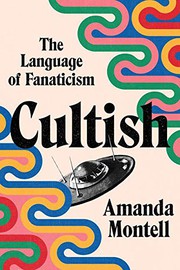
Cultish: The Language of Fanaticism
Amanda Montell argues that the real machinery of a cult is its vocabulary, and she traces how loaded language from 1960s communes to modern wellness brands and…
2,087-word summary · 9 min read
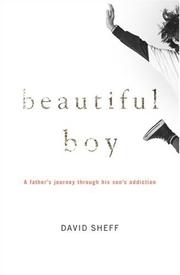
Beautiful Boy: A Father's Journey Through His Son's Addiction
David Sheff recounts watching his son Nic slide into meth addiction, and his own desperate, humbling search for how to help without destroying them both.
2,076-word summary · 9 min read
The Road Less Traveled: A New Psychology of Love, Traditional Values and Spiritual Growth
M. Scott Peck argues that maturity begins with accepting difficulty, then builds discipline, love, and spiritual growth through honest, often painful work.
2,200-word summary · 10 min read
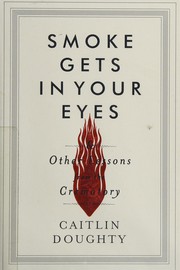
Smoke Gets in Your Eyes: And Other Lessons from the Crematory
A young medieval history graduate takes a job at an Oakland crematory and becomes a mortician, confronting the physical reality of death and the funeral…
2,003-word summary · 9 min read
Prisoners of Geography: Ten Maps That Tell You Everything You Need to Know About Global Politics
Tim Marshall explains how mountains, rivers, coasts, and resources shape the choices of nations, from Russia's flat borders to the chokepoints of the South…
2,328-word summary · 10 min read
Catch and Kill: Lies, Spies, and a Conspiracy to Protect Predators
Ronan Farrow recounts how NBC killed his Harvey Weinstein reporting, then how The New Yorker published it and helped ignite #MeToo.
2,057-word summary · 9 min read

Attached
A psychiatrist and a psychologist explain adult attachment styles and show how anxious, avoidant, and secure patterns shape dating, conflict, and the search…
2,157-word summary · 10 min read

Beyond Good and Evil: Prelude to a Philosophy of the Future
A guide to Friedrich Nietzsche's Beyond Good and Evil: its attack on moral prejudice, the will to power, master and slave morality, and the philosopher of the…
2,597-word summary · 12 min read
All About Love: New Visions
bell hooks borrows a definition of love as an action rather than a feeling, then spends thirteen chapters showing how hard it is to practice.
2,385-word summary · 11 min read
The Stranger Beside Me
Ann Rule's classic memoir of her friendship with Ted Bundy, written by the true-crime author who knew him long before the world learned what he had done.
2,481-word summary · 11 min read
The Choice
Auschwitz survivor and therapist turns prison into a guide for healing.
2,472-word summary · 11 min read
How to Stop Worrying and Start Living
Carnegie offers day-tight routines for worry built from interviews and worker stories.
2,505-word summary · 11 min read
Dare to Lead
Research on courage shows how leaders build trust through vulnerability and clear values.
2,442-word summary · 11 min read
Behind the Beautiful Forevers: Life, Death, and Hope in a Mumbai Undercity
Life in a Mumbai slum near the airport, where families hustle for a better future.
2,406-word summary · 11 min read
10% Happier
An ABC newsman panics on air, then finds meditation without losing his edge.
2,590-word summary · 12 min read
Think Again
Adam Grant argues for holding views loosely and testing them like a scientist, moving past preacher, prosecutor, and politician habits at work and in debate.
3,204-word summary · 14 min read