
Reading options
What's inside (4 sections)
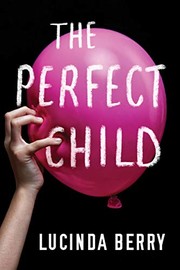
I had heard this described as the adoptee thriller that goes further than most dare, and that warning holds. The Perfect Child, first published in 2019 by Thomas & Mercer, 370 pages in hardcover, ISBN 9781542040549, follows Christopher and Hannah Bauer, who adopt six year old Janie after years of infertility, only to learn she survived extreme neglect and may be manipulating them. It is told partly as thriller, partly as parenting memoir from hell, and it asks uncomfortable questions about love having limits. I finished it disturbed and thinking about it for days, which is more than many thrillers manage, though parts felt exploitative in ways worth naming.
Christopher is an emergency doctor, steady and optimistic, who bonds fast with Janie. Hannah is a nurse? Actually works with children? She wants motherhood fiercely and tries therapeutic parenting while working. Janie arrives small, silent, hoarding food, flinching at touch. Early chapters are heartbreaking in their patience. Night lights, picture schedules, food always available, therapy appointments. Berry, a psychologist herself, writes attachment work with specific detail that rings true. How to offer choices without overwhelm. How to narrate feelings for a child who dissociates. Those pages help readers understand why adoptive parents keep trying long after others would quit. Love as method, not just feeling.
When love does not fix
The turn comes slowly, which makes it effective. Janie lies about small things, then larger. Food disappears and reappears in odd places. Pets get hurt. Hannah's belongings break. Christopher explains each as trauma response. Hannah starts documenting because nursing trained her to chart. That documentation creates marital rift. He sees a wounded child. She sees patterns that scare her. Berry does not pick a side quickly. Both readings fit for 150 pages. Trauma causes lying, hoarding, aggression. So does emerging conduct disorder. How to tell which in a six year old who survived cages. Professionals in the book disagree, which feels honest to real cases. One therapist urges more holding. Another urges firmer boundaries. The Bauers try both and Janie adapts to defeat each, which frightens Hannah more than any single act.
The thriller engine starts when Janie targets Hannah specifically while charming Christopher. She cries for daddy when mommy sets limits. She hugs him after hurting her. She tells teachers half truths that make Hannah look unstable. Those manipulations, written from Hannah's close point of view, had me doubting Hannah along with others. Is sleep deprivation making her paranoid. Is she competing with a child for husband love. Berry risks making readers distrust a mother reporting abuse, which mirrors how real mothers get dismissed. When Hannah records Janie threatening, I felt relief at proof and shame at needing proof against a child. That ambivalence is the book's power. You want to believe children are innocent and you watch evidence mount that this one may harm.
Christopher's chapters balance with denial that reads as love rather than stupidity. He works long ER shifts, misses incidents, hears Janie's sweet voice on phone while Hannah describes cruelty he did not see. He chooses to trust the child present over the wife reporting, partly from optimism, partly from guilt about working so much during bonding months. A scene where he reviews Hannah's video and explains it as play out of context shows motivated reasoning in real time. He loves both and cannot hold both truths. That failure costs more than any Janie act. Marriages break not on abuse alone but on disagreement about what abuse is. The Bauers stop sleeping together, stop eating together, communicate through notes about Janie. Those domestic details hurt more than thriller scares because they show love eroding through exhaustion and fear.
For pacing, the first 150 pages of bonding then doubting move steadily. Daily routines, therapy, school meetings. Two school conferences in a row follow similar beats, hope then incident report. I skimmed one because pattern, Janie charms teacher, Hannah warns, teacher dismisses, was clear. Then a harm to a pet snaps it awake and the book shifts to thriller speed. Incidents escalate. Poisoned food? Actually tampered medication. A fire. A fall down stairs that may not be accident. Short chapters, cliffhangers about monitors. I read the last 150 pages in one night with doors locked, which I rarely do. Berry knows when to stop explaining psychology and start showing danger. That shift works because groundwork made Janie capable in readers' minds. You believe she could plan because you watched her learn systems to defeat them.
What Janie wants and what the book says
Without giving the ending, Janie wants a mother entirely, without sharing, without limits, and will remove obstacles including Hannah. Whether that want comes from trauma, neurology, or evil is left deliberately tangled. Berry includes a real disorder discussion, reactive attachment versus emerging psychopathy, through professionals who hedge. No one will diagnose a six year old definitively. That hedge frustrates readers wanting answers and feels responsible. Real clinicians hedge too. The book's position seems to be that cause matters less than safety once harm is proven. Love cannot fix everything. Boundaries must hold even for wounded children. That message will anger those who believe love conquers trauma narratives. It comforted me as someone who has seen caregiving break good people. Limits are love too, for self and other kids and even Janie, who needs containment she cannot provide herself.
The final chapters involve police, hospitals, and a choice about whether Janie stays. I will keep specifics light, but the resolution refuses neat redemption or damnation. Someone is hurt badly. Someone lies to protect. The Bauers must decide what family means after proof. Christopher finally sees video he cannot explain away. That seeing costs his optimism, which had been his best trait. Hannah finally feels believed, which does not heal as much as she hoped because belief came too late to save marriage shape. They end changed rather than healed. That honesty elevates above shock. Many thrillers use evil kids for fun. This one asks what parents owe themselves when love fails. The answer, not everything, is hard and necessary.
For criticism, the book risks exploiting real adoptive struggles for thrills. Parents of children with attachment disorders may find Janie as composite monster painful rather than illuminating. Berry, as psychologist, includes resources in author's note, which helps, but narrative still uses a traumatized child as horror device. Also, Hannah's infertility backstory gets summarized quickly to motivate adoption. One more chapter of trying and failing would deepen why she holds on past safety. As is, her determination can read as stubbornness rather than grief. And Christopher's ER competence contrasts with home blindness in ways that strain. Brilliant diagnosticians miss patterns at home, true, but he misses a lot for long. A colleague should have confronted sooner.
Still, at 370 pages it reads fast for weight. Short chapters alternating Bauer perspectives with Janie drawings? Actually with incident reports. I finished disturbed and called a friend who fostered to ask if it rang true. She said partly, which is high praise for thriller. The best scares come from systems failing, schools that do not share records, therapists who disagree, courts that favor reunification optics. Those failures enable harm more than any child plan. Berry knows and shows without preaching. Pay attention to paperwork. Gaps kill.
For who this is for. If you like Baby Teeth or We Need to Talk About Kevin but want more clinical grounding, try it. If you are an adoptive parent, know it may trigger and also validate. The doubt, documentation, marital strain depicted are real even when Janie extremes are not. If you want cozy mystery, look elsewhere. Children and animals are harmed here bluntly. I am not a parent and still paused twice to breathe. I closed it thinking about limits as love. Keeping everyone safe sometimes means admitting you cannot keep one child home. That admission, made with grief rather than relief, is the book's hard gift. Not every perfect child stays. Not every love fixes. Choose safety and mourn.
The school system as enabler deserves a final paragraph because Berry shows how institutions fail gifted manipulators and tired parents together. Janie's teacher sees charming girl who hugs and shares, dismisses Hannah's warnings as new mom anxiety. Principal cites privacy when Hannah asks for records from prior placements. Those records, sealed or lost in moves, hide patterns that would have warned. When Janie hurts a classmate, school frames as accident to avoid liability. Hannah must fight for assessment while working and caring, filling forms that ask the same questions differently. That paperwork exhaustion is real for parents of difficult children and rarely shown in thrillers that skip to action. Berry, as psychologist, knows forms decide fates more than feelings. Who gets services depends on boxes checked correctly by exhausted mothers at midnight. Hannah checks correctly and still waits months. Those months cost. A child escalates while queue holds. The book indicts waits without preaching. Show the waitlist number. Show the calendar. Let readers feel time as danger. When help finally arrives, it helps partially, which is honest. No expert fixes Janie in one session. They offer plans that require consistency the Bauers no longer have as couple. Systems assume stable homes to implement plans. Homes break under strain plans ignore. That catch loops families until someone gets hurt enough to qualify for crisis help that should have come earlier.
Hannah's nursing knowledge as double edged sword also needs naming. She recognizes signs faster than lay parents, charts behaviors with clinical precision, suggests diagnoses that alienate professionals who dislike being told. Her competence helps Janie get seen sooner and hurts credibility when she sounds like colleague rather than mother. Doctors hear competition. Teachers hear accusation. Christopher hears coldness where he wants maternal softness. Those misreadings isolate Hannah precisely when she needs allies. Berry writes professional mothers with care here. Knowing too much reads as feeling too little to outsiders. Hannah loves fiercely and documents fiercely at once. Both are love. Systems that punish documentation as paranoia fail families they claim to serve. When Hannah finally stops charting and simply holds boundaries without explaining to everyone, she reclaims motherhood from case management. That shift, from proving to protecting, saves her even as marriage cracks. Proof matters for courts. Presence matters for self. She chooses presence late, which is growth, not surrender.
Christopher's ER work as contrast to home helplessness deserves emphasis because Berry uses professional competence to heighten domestic failure. At work he intubates crashing kids calmly, orders labs, comforts parents with clear plans. At home he cannot get six year old to bed without negotiation that fails. That gap shames him into denial. If he is good with sick kids at work, his struggles at home must be wife exaggerating, not child manipulating. Colleagues reinforce by praising his patience without seeing nights. A scene where a nurse asks his advice about foster parenting and he gives textbook answers while his own home burns captures hypocrisy he senses but cannot name. He preaches attachment while practicing avoidance through shifts. Volunteering for extra nights to escape Janie's stares. Those choices read as dedication to outsiders and flight to Hannah. When he finally admits work feels easier than home because protocols exist for crashes but not for a child who smiles while hurting, the confession breaks his hero narrative usefully. Competence has limits. Love does not confer skill with disordered attachment. Needing help is not failure, but refusing help to protect image is. His growth starts when he asks a colleague for referral rather than handling alone to prove goodness. Asking as strength after chapters of solo fixing. That turn saves him more than any twist.
FAQ
Who are the Bauers?
Christopher and Hannah Bauer, who adopt six year old Janie after infertility. He bonds fast in ER optimism, she charts patterns nursing training flags.
When was The Perfect Child published?
Thomas & Mercer published it in 2019. The hardcover runs 370 pages with ISBN 9781542040549.
Similar books
The Soulmate
A cliffside fall leaves a wife doubting her husband as old abuse and buried secrets surface.
2,126-word summary · 9 min read
Dear Debbie
Advice columnist Debbie Mullen loses her job, tracks her husband's secrets, and decides it is time for payback against those who wronged her.
2,432-word summary · 11 min read
The Last Thing He Told Me
Hannah Hall gets a note saying Protect her, then her husband vanishes and she must team with his teen daughter to find why.
2,951-word summary · 13 min read
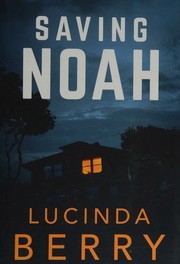
Saving Noah
A seventeen-year-old swimmer confesses to molesting two girls he coached, and his mother must decide what unconditional love is worth.
2,976-word summary · 13 min read

The Best of Friends
Three lifelong friends discover their teenage sons were hiding more than anyone knew after a night that leaves one dead, one in a coma and one silent.
2,040-word summary · 9 min read

Too Much and Never Enough: How My Family Created the World's Most Dangerous Man
Mary L. Trump's 2020 memoir traces how a cold, zero-sum Queens household shaped her uncle, and uses family tax documents to challenge his self-made story.
2,059-word summary · 9 min read

Howards End
Forster's 1910 novel follows two families, a house in Hertfordshire, and a burned note, asking whether money and feeling can ever be connected.
2,187-word summary · 10 min read
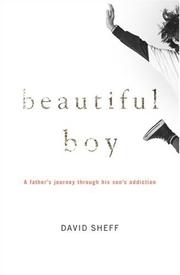
Beautiful Boy: A Father's Journey Through His Son's Addiction
David Sheff recounts watching his son Nic slide into meth addiction, and his own desperate, humbling search for how to help without destroying them both.
2,076-word summary · 9 min read

Two by Two
Sparks's twentieth novel turns from first love to a marriage breaking up: Russell Green loses his wife and his job, then rebuilds his life around his…
2,192-word summary · 10 min read

Sing You Home
A music therapist, her new wife and an evangelical ex-husband end up in court over three frozen IVF embryos.
2,952-word summary · 13 min read

At First Sight
Jeremy and Lexie are married and expecting a baby when anonymous emails tell him the child may not be his.
2,317-word summary · 10 min read

A Spool of Blue Thread
Four generations of the Whitshank family in Baltimore, and the silences, resentments and quiet love they hand down without ever saying so.
2,408-word summary · 11 min read

2 States: The Story of My Marriage
A Punjabi boy from Delhi and a Tamil Brahmin girl from Chennai meet at IIM Ahmedabad, and turn a love marriage into a campaign to convince two families.
2,634-word summary · 12 min read

Where We Belong
Marian's orderly New York life cracks when the daughter she gave up for adoption arrives, and the search for the father forces her to tell the truth.
2,056-word summary · 9 min read
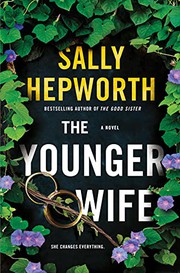
The Younger Wife
A Melbourne surgeon announces he is divorcing his wife, who has Alzheimer's, to marry a woman his daughters' age, and the family's buried violence surfaces.
2,127-word summary · 9 min read
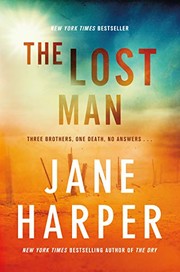
The Lost Man
A man is found dead at a lone grave in the Queensland outback, his car stocked and kilometres away. His brother works out the last day and the family behind it.
2,036-word summary · 9 min read

The Widow
A widow of a suspected criminal faces reporters and police while hiding what her marriage really cost.
2,599-word summary · 12 min read
The Reappearance of Rachel Price
Bel films a doc when her missing mother walks back after years.
2,254-word summary · 10 min read
The Most Fun We Ever Had
Four Sorenson sisters orbit perfect parents hiding old cracks.
2,590-word summary · 12 min read
The Silent Wife
A Chicago psychologist watches her twenty-year partnership collapse when Todd leaves for Natasha, then plans murder.
2,591-word summary · 12 min read

The Perfect Nanny
A trusted nanny kills two children, and the book traces how love and class hid warning signs.
2,200-word summary · 10 min read

Rose Madder
After fourteen years of abuse, Rosie Daniels flees her cop husband and finds a painting that opens into a dangerous mythic world.
2,349-word summary · 10 min read
Keep It in the Family
Mia and Finn renovate a long empty house and find seven children hidden in the attic.
2,270-word summary · 10 min read

We Begin at the End
Thirteen-year-old Duchess Day Radley shields her little brother Robin after their mother dies, as freed killer Vincent King returns and sick chief Walk tries…
2,956-word summary · 13 min read

The Deep End of the Ocean
A three year old vanishes at a Chicago hotel reunion, and nine years later the Cappadoras must face his return as a teen raised by someone else while grief…
2,951-word summary · 13 min read
Long Bright River
Philadelphia officer Mickey patrols Kensington amid the opioid crisis, hunts a killer of vulnerable women, and searches for her missing addict sister Kacey…
2,986-word summary · 13 min read
Every Last Secret
A wealthy wife tracks a possible affair, but dinners, therapy, and a sudden death expose buried secrets across two polished suburban marriages and force her to…
2,687-word summary · 12 min read
Bring Me Back
Finn lost Layla at a French rest stop twelve years ago. Now engaged to her sister Ellen, he faces sightings, emails and Russian dolls that reopen everything.
2,912-word summary · 13 min read
What Lies Between Us
Nina keeps mother Maggie locked upstairs for years, trading lies about sisters and deaths that unravel fast.
2,062-word summary · 9 min read
The Cousins
Three cousins work at their rich grandmother island resort while digging into why their parents were cut off.
2,565-word summary · 11 min read