
Reading options
What's inside (8 sections)
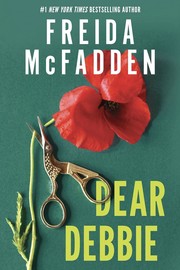
I opened Dear Debbie by Freida McFadden expecting a fast nasty little thriller and got one with a mean streak of humor. It was first published January 27, 2026 by Poisoned Pen Press, a 336 page paperback with ISBN 9781464249624. Debbie Mullen writes an advice column called Dear Debbie for wives across New England. For years she told other women how to handle husbands who ignore them, belittle them, or worse. Then her own life slides off the table. She loses her job. Her teenage daughters start acting strange. Her husband starts keeping secrets, at least according to the tracking app she put on his phone. Debbie decides she is done being reasonable. She will start taking her own advice. Payback time.
That premise is catnip for McFadden readers. The author page calls it a biting, subversive thriller about what happens when women finally take justice into their own hands, with killer results. The cover line says you will be cheering good for her. Shari Lapena calls it a perfectly plotted, diabolically fun revenge story and calls Debbie an endearing psychopath she could not stop reading. I get both labels. Debbie is warm on the page and alarming in her choices, and the book wants you to sit in that discomfort and enjoy it.
The setup is simple on purpose. Debbie built an identity around being sensible. Neighbors wrote in. She answered with sympathy and neighborly common sense. Do not scream. Document. Leave if you must. Talk to someone you trust. Now the sensible woman is sleeping badly, snapping at people she loves, and refreshing a dot on a map to see where her husband goes. McFadden writes that slide with a light touch. No long spiral into sadness. Just a working woman noticing the gap between the advice she gives and the life she lives, and getting angry about it.
Dear Debbie the column
The column is the best device McFadden has used in a while. Dear Debbie is not a big city brand. It reads like a regional paper feature that older readers clip and younger readers find online. Wives write about cold marriages, money fights, chores that never get shared, flirting that crossed a line,.names left out of invitations. Debbie answers the way a good neighbor would. Firm. Kind. Practical. She has heard from countless women who feel small in their own homes, and she tries to point them the right way.
What makes it work is that we see the cost of that role. Debbie absorbs other people trouble all day and brings the mood home. She knows the patterns by heart because she reads them every week. The husband who says he is working late. The husband who jokes about your cooking in front of friends. The husband who handles the bills so you stop asking. When those patterns show up in her own house, she spots them fast, maybe too fast. Is she seeing clearly because she is trained, or is she projecting because she is tired. The book never lets that question fully leave.
I also liked the New England texture around the column. Church suppers. School pickup lines. Snow that makes driving a chore. Small offices where everyone knows who got cut. Debbie is not rich and not poor. She is the kind of middle class striver who keeps a clean house and a careful budget and worries about college costs while pretending she does not. That ordinariness is load bearing. When she starts thinking about payback, the contrast does the scare work. This is not a spy or a cop. This is the advice lady. If she can break, anyone can.
A small gripe already. I wanted more of the actual letters. The idea is so good that the few we get feel like samples. Two or three full exchanges, with Debbie voice shifting from public kindness to private fury, would have deepened the theme without slowing much. As it stands, the column frames the story more than it drives it. Fine, but a missed chance to let readers argue with her advice before she starts breaking her own rules.
A life coming apart
McFadden stacks Debbie problems fast, which is her house style. Job gone. That one hurts most because work meant identity and routine as much as income. Debbie liked being needed by strangers. Losing the post leaves her at home with her thoughts, which is the worst place for her right now. Then the daughters. Teenage girls with locked phones, new friends, inside jokes that stop when mom enters. Nothing proved, everything felt. Any parent of teens will recognize the specific ache of being managed by your own kids.
Then the husband. The book keeps his secrets blurry on purpose in the early stretch. Late nights. Vague answers. A location dot that does not match the story he told. Debbie installed the tracking app, which tells you how far trust has already fallen. McFadden does not ask you to approve of the spying. She asks you to understand it. Debbie spent years telling other wives to trust evidence over promises. Now she follows her own checklist and hates what she finds.
The anger builds in a believable domestic rhythm. Not one big betrayal scene. A pile of small ones. A forgotten errand. A laugh that sounds wrong. A receipt that raises a question. A friend who says you look tired in a way that means something else. Debbie tries being the bigger person for about a minute. Then she stops. The line about being done being reasonable and practical lands because McFadden earned it with chores and slights, not speeches. I believed this woman would start keeping score even if I did not yet know what she planned to do with the total.
If there is a weakness here, it is that the daughters and the job loss stay a bit sketchy. We get mood more than mechanics. Which boss cut her. What severance. Which daughter did what. The book gestures rather than specifies, saving pages for the revenge engine. I missed the solidity of McFadden workplace books like The Coworker, where the office had rules and smells. Here home is the office, and home is messier to map. Still, the emotional math adds up even when the logistics blur.
Payback as structure
The turn from victim to planner is the heart of the book. Debbie decides to take her own advice, except she reads it back with new eyes. All those columns about boundaries and consequences start to sound like permission. If a husband lies, what do you owe him. If a friend uses you, how long do you keep smiling. If a system shrugs at women complaints, what fixes it. Debbie answers those questions more bluntly than her readers ever expected.
McFadden structures this without turning Debbie into a cartoon. She still makes dinner. She still worries about school forms. She still writes in a voice that could soothe a stranger. Then she does something cold and goes back to folding laundry. That whiplash is the point and the fun. Lapena endearing psychopath tag fits because Debbie never loses her neighbor manners. She says please while ruining someone. She apologizes to people she does not need to apologize to, out of habit, right before she stops apologizing at all.
The book leans into the good for her fantasy that powers so much current thriller talk. Women who were told to calm down stop calming down. Women who were told to wait their turn stop waiting. McFadden knows her audience. Many readers come to her after The Housemaid and want a lead to root for even when she misbehaves. Debbie gives them that. Her targets are the kind of people most readers have met. Smug. Dismissive. Protected by money or charm or low expectations for men. Watching her work through the list scratches an itch. I caught myself grinning at choices I would condemn in real life, which is exactly the reaction the author page promises.
I will keep plot specifics light here because revenge books spoil fast, but the shape is fair to describe. Debbie picks fights she can win. She uses tools at hand. Phones. Schedules. Gossip. Kindness as cover. She makes mistakes and adjusts. People who underestimated the advice lady learn she listens better than they do, which means she knows where it hurts. The kills and near kills, when they come, feel like punctuation on longer schemes rather than random slashing. McFadden favors planning over frenzy, and that fits Debbie brain.
How McFadden keeps pages turning
Pace is McFadden superpower and it is on full display. Short chapters. Plain sentences. Cliffhanger buttons that make you read one more. I finished it in two sittings because the chapters end right when a doorbell rings or a phone lights up or Debbie smiles in a way you do not trust. The prose never shows off. It serves the turn. If you like books that move, this moves.
Voice carries the middle. Debbie narrates with a mix of warmth and bite that reminded me of McFadden best leads. She jokes about marriage the way tired wives joke at kitchen tables, then drops a flat cold line that reframes the joke as a threat. That wobble keeps you alert. You laugh, then check yourself. The humor is dark but not cruel for its own sake. Stephen King praise quoted on the retail pages calls the books engrossing with sharp dark humor and satisfying vengeance with a twist, and that matches my read. The vengeance satisfies because the setup irritates first.
Reviews quoted on the Bookshop and author pages point to the same strengths. Kirkus calls Debbie a plucky nontraditional antihero and the book gleefully sadistic revenge fiction. Booklist gave a starred review and says McFadden misdirects well and Millie fans will root for Debbie too. Publishers Weekly says Debbie dark but consistent moral code makes her easy to root for and calls it a darkly funny thriller that leaves a wicked smile. Those lines track. Debbie has rules, even if they bend. She punishes people she believes earned it. She protects people she loves, or tells herself she does. That code lets readers stay with her past points where a colder killer would lose them.
The audiobook framing is worth noting for listeners. The author page lists Julia Whelan, January LaVoy, and Scott Brick as narrators, unabridged. Three voices suggests shifts in perspective or timeline that I will not detail here to avoid spoiling structure, but it tells you the book is built for audio hopping. Short sections. Clear voices. If you like McFadden on audio, this one seems designed for it.
The revenge fantasy problem
Here is where I push back a bit, because the book invites it. Revenge fantasies are fun until you ask who gets to write the list. Debbie moral code is consistent, as Publishers Weekly says, but it is still hers. She decides who deserves payback and how much. The book rarely lets a target make a real case back. They are smug or cruel or careless on cue. That keeps momentum high and ethics low. If you want a thriller that wrestles with forgiveness or repair, this is not it. It wrestles with how to get away with it and feel good after.
Believability also stretches in the back half. Phones die or survive as needed. People arrive exactly when Debbie needs them to. A scheme that should leave traces does not because no one looks closely. McFadden fans will accept this as house style. She trades procedure for pace. New readers who want tight police work may balk. I accepted most of it because Debbie plans around being overlooked. Middle aged moms are invisible in stores and schools, and the book uses that invisibility as a weapon. Still, one sequence involving a tracked phone and a tight timeline asked more faith than I had. I went with it, but I noticed the seams.
The daughters thread also fades when the payback engine revs. Early on their strangeness feels central, tied to Debbie fear that she failed as a mother while advising other mothers. Later they become reasons more than people, fuel for choices rather than characters with arcs. I wanted one honest scene where Debbie hears them out without scoring points. The book prefers motion to repair. That is a valid choice for a revenge story, but it leaves a soft hollow at the center that a stronger family reckoning could have filled.
None of this ruined the ride for me. It just caps the ceiling. This is a four star fun machine with three star questions underneath, and McFadden seems fine with that trade. She wants the wicked smile, not the heavy heart.
Who should pick it up
Read Dear Debbie if you like domestic revenge with a chatty guide. It pairs well with The Housemaid for the root for her energy, with The Coworker for workplace fallout spilling into home, and with watching a lead use ordinary tools in smart ways. Go in knowing it is a payback book, not a whodunit in classic style. The question is not who did it. The question is what Debbie will do about it and whether you will still cheer at the end.
A few practical notes. The paperback runs 336 pages, so it is a weekend read, not a doorstop. The publisher is Poisoned Pen Press, which has handled many McFadden originals, and the January 2026 date means this is fresh stock in stores now. Content wise, expect marriage strife, job loss stress, parent teen conflict, surveillance, lies, betrayal, and violence tied to revenge. The author site carries content advisories for readers who want specifics before starting, and that is worth checking if those topics hit close to home.
I closed it thinking about advice columns as a lost art. Someone wise and a little bossy telling you to lock your doors and your bank account and your heart in that order. Debbie gave that counsel for years. Then she took it. The payback gives the rush. Watching a woman who spent her life translating other women pain into polite paragraphs finally write one raw line for herself gives the ache. You may flinch at what she does next. You will probably keep reading. I did, late into the night, rooting for a woman I would not want as an enemy and would not mind as a neighbor, as long as I stayed on her good side.
FAQ
When was Dear Debbie published?
Poisoned Pen Press published it January 27, 2026. It runs 336 pages and the paperback ISBN is 9781464249624.
Who is Debbie Mullen?
She writes the Dear Debbie advice column for wives across New England until job loss and family trouble push her toward payback.
Is it part of a series?
No. It is a standalone thriller, separate from the Housemaid books.
Similar books
The Locked Door
Surgeon Nora Davis hides serial killer father while patients die.
2,465-word summary · 11 min read
Never Lie
Newlyweds snowed in at a missing psychiatrist's house find tapes of patients.
3,849-word summary · 17 min read
Persuader
Reacher goes undercover in a Maine crime family to find a missing DEA agent and the man he once failed to kill, and Lee Child keeps the whole thing tight,…
2,278-word summary · 10 min read

Saving Noah
A seventeen-year-old swimmer confesses to molesting two girls he coached, and his mother must decide what unconditional love is worth.
2,976-word summary · 13 min read

Bad Luck and Trouble
A deposit of $1,030 summons Jack Reacher back to his old army unit, which is being picked off one name at a time.
2,366-word summary · 11 min read

The Best of Friends
Three lifelong friends discover their teenage sons were hiding more than anyone knew after a night that leaves one dead, one in a coma and one silent.
2,040-word summary · 9 min read

The Widow
A widow of a suspected criminal faces reporters and police while hiding what her marriage really cost.
2,599-word summary · 12 min read
The Reappearance of Rachel Price
Bel films a doc when her missing mother walks back after years.
2,254-word summary · 10 min read
The Silent Wife
A Chicago psychologist watches her twenty-year partnership collapse when Todd leaves for Natasha, then plans murder.
2,591-word summary · 12 min read

Rose Madder
After fourteen years of abuse, Rosie Daniels flees her cop husband and finds a painting that opens into a dangerous mythic world.
2,349-word summary · 10 min read

Keep It in the Family
Mia and Finn renovate a long empty house and find seven children hidden in the attic.
2,270-word summary · 10 min read

Every Last Secret
A wealthy wife tracks a possible affair, but dinners, therapy, and a sudden death expose buried secrets across two polished suburban marriages and force her to…
2,687-word summary · 12 min read
Bring Me Back
Finn lost Layla at a French rest stop twelve years ago. Now engaged to her sister Ellen, he faces sightings, emails and Russian dolls that reopen everything.
2,912-word summary · 13 min read
What Lies Between Us
Nina keeps mother Maggie locked upstairs for years, trading lies about sisters and deaths that unravel fast.
2,062-word summary · 9 min read
The Chain
Rachel must kidnap another child to save kidnapped Kylie, entering a chain where parents pass crime forward.
2,021-word summary · 9 min read

Pieces of Her
After her mother kills a mall shooter with shocking skill, Andy Oliver uncovers a hidden 1980s past of radicals and wealth.
2,791-word summary · 12 min read
The Soulmate
A cliffside fall leaves a wife doubting her husband as old abuse and buried secrets surface.
2,126-word summary · 9 min read
The Family Remains
Lucy returns to London as bones on the Thames reopen the Chelsea mansion deaths.
2,304-word summary · 10 min read

I Found You
A man with no memory on a beach, a vanished husband, and a 1993 holiday collide in a seaside town.
2,990-word summary · 13 min read

How to Kill Your Family
Grace Bernard avenges her dying mother by hunting her rich estranged family, narrating from prison with dark humor.
2,913-word summary · 13 min read

All the Little Houses
In 1980s Longview, Texas, social queen Charleigh and daughter Nellie guard mean-mom secrets when a new family threatens their empire.
2,206-word summary · 10 min read

The Perfect Child
Adoptive parents split over whether their traumatized six year old harms.
1,955-word summary · 9 min read

Leave the World Behind
Two families share a Long Island rental during a blackout no one can explain.
2,015-word summary · 9 min read
Invisible Girl
A missing teen, a strained marriage and a doxxed loner collide in London.
1,996-word summary · 9 min read
Watching You
A new wife in Bristol fixates on a charismatic neighbor while a teen boy logs every move before a murder.
2,363-word summary · 11 min read

The Good Daughter
Twenty eight years after a home invasion shattered her family, a lawyer witnesses a school shooting that reopens old wounds.
2,505-word summary · 11 min read
Not a Happy Family
After a bitter Easter dinner, Fred and Sheila Merton are found dead and their three adult children each hold a motive.
3,764-word summary · 17 min read
The Wives
A woman who sees her husband only on Thursdays tracks down his other wives and learns her marriage is not what she believed.
2,454-word summary · 11 min read
The Golden Couple
A cheating wife, a watchful husband, and a rule-breaking therapist collide in a marriage repair that hides stalking, a vanished woman, and a murder plot.
2,677-word summary · 12 min read
Something in the Water
Honeymoon divers find a bag of cash and diamonds at sea, then lie until lies cost more.
1,943-word summary · 9 min read