
Reading options
What's inside (6 sections)
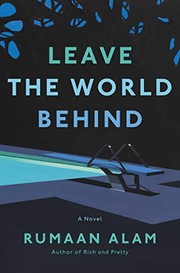
I watched the movie first, which I usually regret, then read the book to see what the film smoothed over. Leave the World Behind, first published in 2020 by Ecco, 256 pages in hardcover, ISBN 9780062667632, is quieter and stranger than the Netflix version. Two families, one rented house on Long Island, a blackout no one explains, and a long weekend where politeness thins until everyone can see what it covered. It is not really about the disaster. It is about who people trust when the news stops.
Amanda and Clay are white, middle class, from the city, with a teenage son Archie and daughter Rose. They rent a luxurious house for the week to taste the good life. They swim, drink, argue about small things, enjoy being the kind of family who rents houses with pools. Late at night there is a knock. Ruth and G. H., an older Black couple who own the house, have driven back from the city in a panic. They say the power is out across the city, phones dead, TV down. They ask to stay in their own basement because they have nowhere else. Amanda does not want to let them in. Clay, embarrassed, does.
The knock and the house
The setup is simple and the execution is careful. Alam keeps the point of view close, moving between Amanda, Clay, Ruth, G. H., and the kids, showing how each reads the same room differently. Amanda reads threat. She is rude in a way she calls practical, clutching her role as mother protector while being unable to name what she fears without sounding racist. She knows it and hates being seen, which makes her more defensive. Clay reads awkwardness. He wants to be good, to offer wine, to split costs, to keep things normal by performing hosting even though he is the guest.
Ruth and G. H. read the white couple with exhausted familiarity. G. H., who worked in finance and owns the house outright, is polite in the way of a man used to proving he belongs in rooms he owns. Ruth, older, sharper, less willing to soothe, watches Amanda and names what she sees. Their marriage has its own late life tenderness and friction. He wants to believe systems hold. She wants to go home and check on her mother and does not trust the rental détente to last.
The house itself is a character. Big windows that show woods, a pool that needs its pump, a pantry stocked for a week, no landline, spotty cell. Alam describes objects with care. Pool floats, wine glasses, Archie's braces, Rose's obsession with Friends episodes she cannot stream. When the internet fails, Rose keeps asking to finish the episode, which sounds trivial and becomes the book's most human ache. A teenager without a finale while adults talk about the end of the world. I found that more moving than any blackout explanation.
The kids split the difference. Archie, fifteen, performs coolness, flirts clumsily, wants his parents to stop embarrassing him. Rose, thirteen, watches animals and notices deer behaving oddly, flamingos appearing where they should not. An encounter in the woods with deer surrounding a car had me holding my breath. Alam never explains it fully. Are animals fleeing something. Is it just Long Island deer being deer. The not knowing is the point. Without news, every strange thing feels like a sign.
Race, class, and who gets to be afraid
What elevates the book beyond a survival story is how directly it handles race and money without turning into thesis. Amanda's fear of G. H. and Ruth at the door is racialized and she knows it enough to be ashamed but not enough to act differently at first. She rehearses reasons. They could be lying. The house could be a trick. She clings to the rental contract as if paper means safety when the grid fails. G. H. understands because he has lived it. He owns the house and must still prove it with ID and manner. Ruth refuses to do extra work to comfort Amanda, which some readers will find harsh and I found honest. Why should she.
Class cuts the other way too. Clay wants to drive into town to help, to get information, to be useful in a masculine way that requires a car and a plan. His trip, with G. H., to see what happened, ends in confusion and a Spanish speaking woman who needs help they cannot fully give because of language and panic. That scene, where good intentions meet inability, is one of the best. No one is a hero. Everyone is limited by what they cannot say to each other.
Parenthood is the third pressure. Amanda parents by control. Keep kids inside, ration food, decide who sleeps where. Ruth parents by memory, thinking of her own mother alone in the city. G. H. parents by providing, checking the generator, offering wine as calm. Clay parents by avoiding conflict until forced. The teenagers parent themselves with phones that do not work. Rose takes charge of small comforts. Archie gets sick after a tick bite and the adults must cooperate across distrust to help him. Illness forces what politeness could not. They share beds, blankets, thermometers.
Alam's sentences are smooth and a little distant, which fits. He tells you what people think they want, then shows what they do. Amanda thinks she wants safety. She actually wants to be right about danger. Clay thinks he wants to help. He actually wants to be liked. G. H. thinks he wants order. He actually wants Ruth's approval. That gap between story and act gives the book its quiet comedy even as dread builds. A scene where they all drink too much and dance briefly is lovely because for ten minutes they stop performing fear and just enjoy a house with a pool.
What is happening out there
People who need answers will be frustrated. Alam withholds. Is it a cyberattack. An environmental collapse. A war. Characters guess. A plane crashes. Ships wait offshore. Loud noises boom. Deer move strangely. Teeth fall out. None of it resolves into a cause with a press conference. The movie adds more visual explanation than the book. The book stays inside the house, with scraps from a battery radio and from neighbors who may be lying or confused.
I liked that choice, though I understand why some readers feel cheated. The disaster is not the subject. The subject is how quickly competence fades without systems. No one knows how to purify water beyond boiling. No one knows how to treat Archie's fever beyond old advice. G. H., the most capable, knows money and contacts, both useless without signal. Ruth knows people, which helps more. Amanda knows how to pack and plan, which helps until plans run out. The kids know how to wait, which may be the most useful skill.
The flamingos and deer divided my friends. One called them heavy handed symbols. I read them as texture. When you cannot check the news, nature becomes news. Rose, who loves animals, becomes the house expert because she pays attention. Adults dismiss her until they need her to identify what is safe. That shift, child as knower, felt true to lockdown times many of us lived through, when kids adapted to new rules faster than parents.
For pacing, the middle day sags a little. A trip to the store, a walk to a neighbor, a swim that goes too long. Two scenes of adults drinking on the patio while kids swim follow similar beats. I skimmed one sunset because the point, they are stalling, was clear. Then a night noise, a bright flash, a scream from the woods, snaps it back. Alam is good at ending chapters on a sound rather than a line. You turn the page to hear, not to learn.
The end without comfort
The ending does not resolve. Without spoiling specifics, the families separate in ways that feel both chosen and forced. Someone walks to find help. Someone stays with the sick. Someone finally watches the Friends finale on a DVD while the world thins outside, which sounds absurd and moved me most. Rose getting an ending to a story when adults cannot give her one for real life is both kind and devastating. Alam does not punish or save anyone cleanly. He leaves them mid act.
That refusal will annoy if you want closure. I found it honest after 2020. We lived through a crisis without a final episode, with rumors, with neighbors we half trusted, with racial and class divides shaping who felt safe. The book came out in October 2020 and reads like it knew what the next years would feel like. Not the specifics, but the mood. Tired politeness, sudden kindness, low level dread, kids asking when it ends while adults check phones that say nothing.
For craft, 256 pages is exactly right. Short chapters, shifting close third person, present tense that keeps things immediate. No hero speeches. A few images repeat, pool water, teeth, deer, which some will call motifs and others will call tics. I did not mind. They gave the house a body to go with its address.
For who this is for. If you like slow dread like Station Eleven without the time jumps, try it. If you need explanations, skip. If you watched the movie and wanted more interior, the book gives Amanda's shame, Ruth's tiredness, Clay's vanity in ways film cannot. I closed it thinking about my own rental houses, the owners' closets I never open, the knock I would dread and the people I would hope to be behind it. Alam wants you to sit with who you would let in and why, and to notice how fast your reasons would sound like Amanda's.
A final thread I keep returning to is the children as witnesses who will remember differently. Archie will remember being sick and being carried. Rose will remember deer and the Friends finale and the taste of pool water when adults argued. Amanda and Clay will remember decisions. Ruth and G. H. will remember whether they were believed in a house they owned. Years later, if they tell this weekend as a story, each version will be true and incompatible. Alam seeds that future throughout. Rose asks to finish an episode. Archie asks if they will get in trouble for the car. Amanda rehearses how she will explain the knock. Everyone is already editing. That is why the book feels less like a disaster novel and more like a family story told too early, before anyone agrees what happened.
I also noticed how food works as trust test. Who cooks, who eats what is offered, who refuses. Amanda will not eat Ruth's cooking at first, which Ruth notices without comment. Clay eats to show goodwill and overdoes it. G. H. pours wine he brought to share and watches who accepts. Rose eats cereal dry because it is familiar when nothing else is. By the second day, sharing a simple meal without talk does more than any apology. Bodies accept before minds do. That felt right from my own life. After arguments, I do not want speeches. I want someone to hand me toast and sit nearby.
The sound design in prose deserves mention too. Alam writes noises that carry plot because sight fails in the dark. A boom that could be thunder or transformer. Deer hooves too many to count. A car alarm that stops mid wail. A plane too low. Without phones to check, characters must listen like animals. Rose, who pays attention to animals anyway, becomes the best listener. Archie, with earbuds dead, hears his own breathing for the first time in years and hates it. Amanda hears Ruth moving in the kitchen and must decide whether it sounds like threat or breakfast. Those listening scenes build dread better than any reveal because they put you in the house at night with no feed to refresh.
FAQ
Do we learn what caused the blackout?
No. Alam withholds cause. Planes, ships, deer, teeth and radio scraps never resolve into a press conference. The house is the subject.
When was Leave the World Behind published?
Ecco published it in October 2020. The hardcover runs 256 pages with ISBN 9780062667632.
How do race and class shape the weekend?
Amanda performs control, Clay performs goodwill, G. H. performs order, Ruth refuses extra comfort work. The kids adapt fastest.
Similar books
Saving Noah
A seventeen-year-old swimmer confesses to molesting two girls he coached, and his mother must decide what unconditional love is worth.
2,976-word summary · 13 min read

The Best of Friends
Three lifelong friends discover their teenage sons were hiding more than anyone knew after a night that leaves one dead, one in a coma and one silent.
2,040-word summary · 9 min read
When No One Is Watching
Sydney Green watches her Brooklyn block's Black residents vanish one by one in Cole's Edgar-winning thriller about gentrification as a crime scene.
2,165-word summary · 10 min read
The Reappearance of Rachel Price
Bel films a doc when her missing mother walks back after years.
2,254-word summary · 10 min read
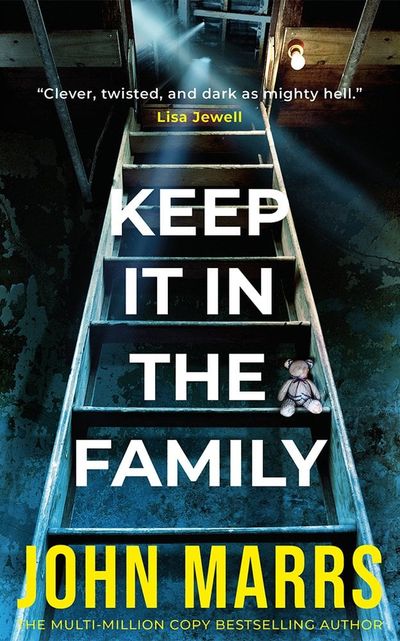
Keep It in the Family
Mia and Finn renovate a long empty house and find seven children hidden in the attic.
2,270-word summary · 10 min read
What Lies Between Us
Nina keeps mother Maggie locked upstairs for years, trading lies about sisters and deaths that unravel fast.
2,062-word summary · 9 min read
The Chain
Rachel must kidnap another child to save kidnapped Kylie, entering a chain where parents pass crime forward.
2,021-word summary · 9 min read

Pieces of Her
After her mother kills a mall shooter with shocking skill, Andy Oliver uncovers a hidden 1980s past of radicals and wealth.
2,791-word summary · 12 min read
The Family Remains
Lucy returns to London as bones on the Thames reopen the Chelsea mansion deaths.
2,304-word summary · 10 min read
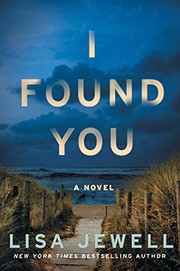
I Found You
A man with no memory on a beach, a vanished husband, and a 1993 holiday collide in a seaside town.
2,990-word summary · 13 min read
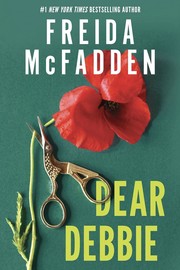
Dear Debbie
Advice columnist Debbie Mullen loses her job, tracks her husband's secrets, and decides it is time for payback against those who wronged her.
2,432-word summary · 11 min read
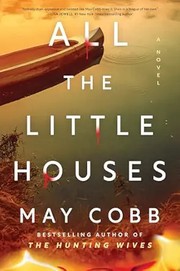
All the Little Houses
In 1980s Longview, Texas, social queen Charleigh and daughter Nellie guard mean-mom secrets when a new family threatens their empire.
2,206-word summary · 10 min read
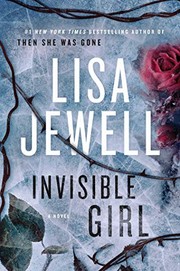
Invisible Girl
A missing teen, a strained marriage and a doxxed loner collide in London.
1,996-word summary · 9 min read
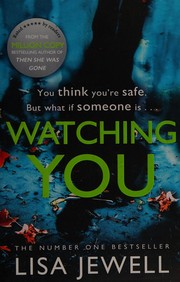
Watching You
A new wife in Bristol fixates on a charismatic neighbor while a teen boy logs every move before a murder.
2,363-word summary · 11 min read
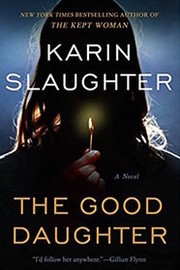
The Good Daughter
Twenty eight years after a home invasion shattered her family, a lawyer witnesses a school shooting that reopens old wounds.
2,505-word summary · 11 min read
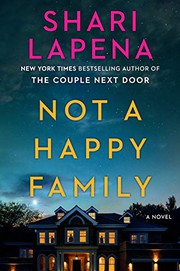
Not a Happy Family
After a bitter Easter dinner, Fred and Sheila Merton are found dead and their three adult children each hold a motive.
3,764-word summary · 17 min read
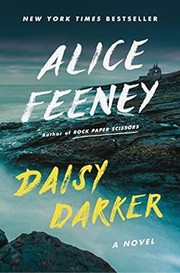
Daisy Darker
A family gathers on a tidal island for an 80th birthday and someone starts killing to a nursery rhyme.
1,917-word summary · 9 min read
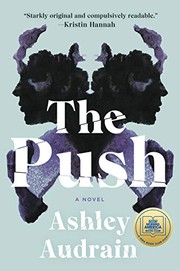
The Push
Blythe fears daughter Violet is dangerous while husband Fox doubts her.
2,260-word summary · 10 min read
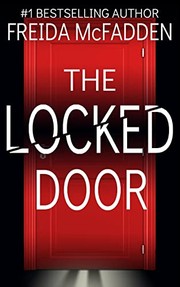
The Locked Door
Surgeon Nora Davis hides serial killer father while patients die.
2,465-word summary · 11 min read
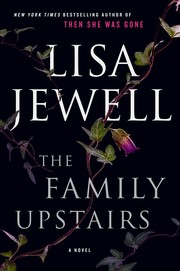
The Family Upstairs
Libby Jones inherits a Chelsea mansion and a past tied to a cult house, two runaways, and a baby left waiting.
3,300-word summary · 15 min read
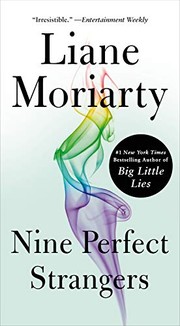
Nine Perfect Strangers
Nine guests enter Tranquillum House for ten days while director Masha hides smoothies and motives.
2,313-word summary · 10 min read
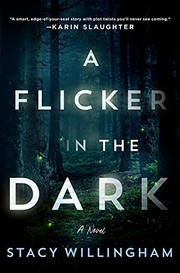
A Flicker in the Dark
Psychologist Chloe Davis faces copycat disappearances in Baton Rouge twenty years after her father confessed to murders.
3,074-word summary · 14 min read
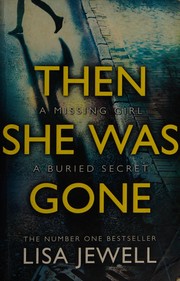
Then She Was Gone
Ten years after Ellie vanished, her mother finds a link in a new family.
1,956-word summary · 9 min read

What She Knew
Rachel lets her eight-year-old son run ahead in a Bristol park, and the nine-day search turns her into a suspect in the public eye.
2,952-word summary · 13 min read
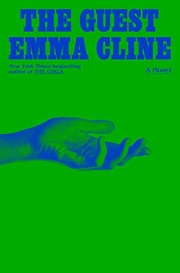
The Guest
Cast out of her wealthy boyfriend's Hamptons house, twenty-two-year-old Alex spends five days talking her way through other people's homes and accounts.
2,165-word summary · 10 min read

The Beach House
A young valet is beaten to death at a Hamptons party, and his law-student brother spends a year building a case against the family that covered it up.
2,049-word summary · 9 min read

Six Years
A professor who promised to forget the woman he loved sees her husband's obituary and discovers that the wedding, the marriage, and the woman herself may never…
2,076-word summary · 9 min read
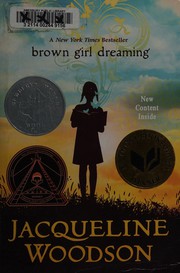
Brown Girl Dreaming
Jacqueline Woodson retells her childhood in verse, moving from Ohio to South Carolina to Brooklyn while the civil rights movement reshapes the world around her.
2,727-word summary · 12 min read

Rules of Prey
Minneapolis detective Lucas Davenport hunts a killer who leaves a new rule at every scene and treats murder as a game of wits.
1,914-word summary · 9 min read

Ace of Spades
Two Black seniors at an elite academy are celebrated by day and hunted by an anonymous texter in this YA thriller about institutional racism.
2,066-word summary · 9 min read