
Reading options
What's inside (7 sections)
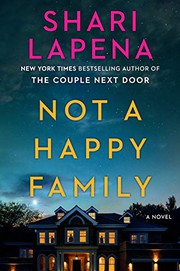
I picked up Not a Happy Family because I wanted a fast domestic thriller after a run of heavier books, and friends kept saying this one reads in two sittings. It did. Published in 2021 by Pamela Dorman Books, 368 pages in the US hardcover, it centers on Fred and Sheila Merton, a rich couple in Brecken Hill in upstate New York, found dead after Easter dinner with their three adult children. The setup sounds familiar. Rich family, bad dinner, will money, everyone lying. Lapena makes it move so quickly that I forgave the familiar parts for long stretches, then got annoyed by them near the end, then got pulled back by the last fifty pages.
Fred Merton made his money founding Merton Robotics. He sold the company about six months before the book opens. He is retired, sharp tongued, controlling with cash, openly contemptuous of his kids in a way that makes dinner hard to read. Sheila Merton married him young, stayed home, takes Xanax with a prescription that later shows up in the police file, defers to Fred in public and worries in private. They live in a large house in Brecken Hill, the kind of street where houses sit back from the road and neighbors notice cars but pretend they do not.
The three children arrive for Easter Sunday with partners and history.
Catherine is the oldest. She works as a dermatologist. She is married to Ted Linsmore, a dentist. They present as stable, polite, successful. Catherine wants the family house. She has always assumed it will come to her one day. She also struggles with fertility, which Fred mocks at the table in a cruel aside that sets the tone. Ted tries to smooth things. He fails.
Dan is the middle child. He has an MBA, no job at the moment, a wife named Lisa, money pressure that keeps him awake. He expected to take over Merton Robotics. Fred sold it instead because he thought Dan would run it into the ground. Dan has been living on expectation and now lives on credit and pride. Lisa knows the numbers better than he admits.
Jenna is the youngest. She works as a sculptor, lives on a monthly allowance from Fred, dresses in a way her father dislikes, brings her boyfriend Jake Brenner to dinner. Jake is a struggling artist, polite, out of place among the Merton china. Jenna fights openly with Fred. She does not hide her dislike.
Fred spends dinner making everyone miserable. He tells Catherine and the table that he and Sheila plan to sell the house because none of the children deserve it. Catherine goes still. Ted tries to joke. Fred turns to Dan and explains the sale of the company as a kindness to shareholders, meaning Dan was not up to the job. Dan Flushes. Lisa looks down. Fred turns to Jenna and treats her art as a hobby funded by him. Jenna answers back. Sheila pleads for calm and gets ignored. The meal ends early. Catherine and Ted leave first. Dan and Lisa follow. Irena Dabrowski, the housekeeper who once served as nanny to the kids, cleans and leaves. Jenna stays later, then drives Jake to the train station so he can get back to New York. That train ride matters because cameras later prove when Jake left town.
I will stay light on the exact order of the next hours because Lapena parcels it slowly, but the shape is this. Sometime that night Fred and Sheila are killed in their home. Sheila is strangled with an electrical cord. Fred is attacked in the kitchen, throat cut, stabbed many times in the back. Cash, silver and jewelry are missing. The house looks robbed.
The morning after
Irena arrives Tuesday morning at her usual time and finds the bodies. Sheila on the living room floor. Fred in the kitchen in blood. Irena has known these children since they were small. Her first thought is not procedure. It is protection.
She sees a bloody carving knife on the kitchen floor and washes it and puts it back in the block.
That choice shapes the whole investigation. Forensics loses the clearest surface. Detectives Eric Reyes and Barr arrive to a scene that has been altered with love and panic. They note the missing valuables, the signs of force, the lack of forced entry in some spots, the sense that Sheila opened the door to someone she knew. They start with robbery, then move away from it because the violence feels personal, especially toward Fred.
Autopsy adds two facts that shift motive. Fred had advanced pancreatic cancer with only months to live, which no one outside his doctor seemed to know. Sheila had Xanax in her system at a normal prescribed level, not an overdose. So Fred was dying anyway, which makes the timing of will talk feel sharper, and Sheila was not incapacitated, which makes the idea that she let the killer in feel more plausible.
Reyes and Barr interview with steady pressure. I will admit I liked them more than the family, which is probably the point. Reyes is patient, repeats questions, lets silence sit. Barr watches for tells. They ask each sibling where they were, when they left, who can confirm. Every answer wobbles.
Dan says he was home with Lisa all night. He was not. He left after dinner and drove around alone for about three hours to clear his head. Lisa covers for him at first because that is what spouses do when police are in the living room.
Catherine says she went straight home and stayed there. Cameras and neighbors suggest she left her house around eleven and came back after midnight. She admits later she drove to her parents house that night.
Jenna says Jake spent the night. Surveillance shows Jake boarded the 8:40 train to New York. Jenna was alone, with no alibi, in a house funded by the man she fought with hours earlier.
Small lies pile fast in this book. That is one of the truer touches. None of the three tells one clean story. Each adjusts, clarifies, remembers something new only when confronted. Police read that as guilt, which it might be, or as shame, which it also might be.
Three siblings, three motives
Catherine looks solid on paper and fragile up close. The house means more to her than square footage. It means proof she was the good daughter, the one who stayed close, the one who deserved the pretty rooms. When Fred says he will sell, she hears rejection. When she later drives back that night, she says her mother wanted to speak with her at dinner and never got the chance. She goes inside, finds both parents dead, panics, and thinks Dan did it. She does not call police. She leaves.
Then she does something that made me put the book down and walk around the kitchen. Sheila is wearing antique diamond stud earrings Catherine always coveted. Catherine takes them off her dead mother and takes them home.
It is a horrible, human detail. Lapena does not excuse it. Catherine tells Ted later, crying, that she thought Dan had killed them and she did not want to be part of it, and the earrings were just there, and she has always loved them. Ted is stunned. I was stunned. It makes Catherine both less sympathetic and more believable. Grief plus greed plus panic can live in one person. The earrings later put her in real legal danger, which feels fair. You cannot pocket evidence off a body and expect sympathy to cover it.
Dan looks worse for a while. He needs money badly. He invested with Rose Cutter, a lawyer friend of Catherine, for what he thought was a private mortgage deal. The paperwork was forged. The money is gone into stock speculation. Dan is embarrassed, angry, broke in the way rich broke people are broke, meaning house still standing but floor cracking. Police find disposable coveralls and booties in his garage from a renovation project, the kind of paper suits painters wear. Those suits later matter a lot. Dan says they are innocent leftovers. Police hear cover for a killer suit.
His drive that night does not help. No witness, no receipt, just road. Lisa first says he was home, then admits he was out. That correction reads like consciousness of guilt even if it was only fear. I believed Dan was capable of shouting at Fred, capable of pushing him, less sure he was capable of what was done to Fred in the kitchen. Lapena keeps him in that middle zone for a long time. Broke, humiliated, lying about small things, but the specific brutality does not quite fit the man who cannot tell his wife he lost money to a friend.
Jenna is the outlier by design. Purple hair in some descriptions, sculptor studio, allowance dependence, boyfriend her father despises. Fred controls her by check. She hates the control and cashes the check. After most guests leave, she stays and fights with Fred about money and respect. Fred tells her he plans to change his will to give half his fortune to his sister Audrey Stancik. If that happens, the three siblings lose millions. Jenna hears that as a threat. She drops Jake at the station, which isolates her, then has hours unaccounted for.
Her aunt Audrey remembers Jenna as a child with a temper, violent when angry. That memory is not proof, but in a family where everyone catalogs old slights, it sticks. A hair of Jenna later turns up in Irena car, which was seen near the Merton house that night. Jenna says it could have transferred when she hugged Irena at dinner. Possible. Also convenient.
I found Jenna the hardest to read, which I think Lapena intended. She is prickly, funny in flashes, openly angry at Fred in a way Catherine and Dan swallow. Open anger can look honest or can look like rehearsal. I kept switching. One chapter I thought she was too obvious to be the killer. The next I thought obvious is sometimes true.
Audrey, Rose and the will
Two women outside the sibling trio widen the book and keep it from feeling like a locked room with three keys.
Audrey Stancik is Fred sister, widowed, sharp, present at the edges. She says Fred told her he meant to change his will and leave her half his estimated 26 million estate. She believes she is owed. She also keeps a family secret for years, that Fred killed their father and staged it as suicide. Whether you believe her fully matters less than what it shows about Fred. This is a man whose own sister thinks him capable of murder to solve a problem. Audrey missed Easter dinner with flu, so she has no direct alibi pressure, but she has motive if the will change were real. It was not real yet. Lawyer Walter Temple confirms Fred booked an appointment to discuss changes but died before signing anything. So Audrey gains nothing on paper, loses a promised half, and starts her own noisy inquiry.
Rose Cutter is Catherine friend since school, now a high profile attorney. The will reveals she is Fred daughter by Ellen Cutter, a former secretary at Merton Robotics with whom Fred had an affair. That makes Rose the half sister to Catherine, Dan and Jenna, and a fourth heir to a share of the estate. None of the siblings say they knew. Rose says she learned from a law firm employee who leaked the will. She also sits at the center of Dan money loss. She took 500,000 dollars from him for that mortgage investment, forged documents, lost it on stocks. That fraud gives her motive to want attention elsewhere and motive for Dan to hate her.
These twists could feel soapy. Sometimes they do. A secret child, a forged investment, a sister promised half, a father who may have killed his own father. Lapena stacks them without pausing for breath. I did not mind as much as I expected because each twist changes who needs money that week. Inheritance books run on need. Rose needs to cover fraud. Dan needs to recover loss. Catherine needs the house to feel chosen. Audrey needs the promised half to feel seen after years of keeping Fred secrets. Even Ted and Lisa and Jake orbit need. Ted needs Catherine to stay steady. Lisa needs Dan to stop lying. Jake needs to stay out of a family that eats partners.
The police work through this with warrants and interviews rather than chases. They pull phone records, check train footage, find the truck with flame paint that a neighbor reported, trace it to a small time drug dealer who saw a car with a vanity plate tied to Irena near the house that night. That car sighting looks like it clears the kids until Irena says everyone knew where she kept spare keys at her house. All three Merton children knew. Suddenly the sighting points back inside the family.
Irena herself has a solid alibi. She was home. She did wash the knife, which she admits with shame. She thought one of her babies had done it. That line, in paraphrase, hit me harder than the murders. She raised them, then tried to save them by ruining proof, then had to live with helping whoever did it.
What Jenna did
I will describe the solution plainly because these posts are full summaries, but I will keep the beat by beat tight.
After fighting with Fred and hearing about the planned will change, Jenna decides to kill her parents that night. She goes to Dan unlocked garage and takes disposable coveralls, booties and a mask, items that will later point toward Dan if found missing or if traces remain. She goes to Irena house, uses the known spare keys, takes Irena car. She drives back to her parents house wearing the protective clothing and extra socks over shoes.
Sheila answers the door. Jenna strangles her with an electrical cord. Fred hears noise and comes toward the kitchen. Jenna approaches from behind, cuts his throat, stabs him many times in the back. Fourteen wounds is the number in the file, which tells you rage more than efficiency. She takes cash, jewelry and silver to suggest robbery. She packs the bloody clothing, the cord, wallets and jewelry into a bag.
She had already spotted the hiding place. An isolated farm had a new outbuilding going up, with fresh concrete about to be poured. She drives out, buries the bag beneath the area where the floor will go, leaves before the pour. By morning the proof sits under concrete.
Later she tries to stop Audrey inquiry by poisoning her iced tea with antifreeze. Audrey survives, which keeps Audrey hunting.
Why did I believe it once revealed? Motive fits. Fred told Jenna about disinheriting the siblings in favor of Audrey. Jenna, who lives on allowance, hears destitution where Catherine hears insult and Dan hears confirmation. Method fits. The coveralls explain lack of blood trail. Irena car explains the sighting without Irena. Staging fits. Jenna knows the house routines, knows Sheila will open the door to family, knows Fred will come to noise. Temper fits, though temper alone proves nothing. The farm detail fits a sculptor who knows studios, builds, rural rentals, friends with land.
What did not fully convince me was the calm after. Jenna returns to life, makes art, argues with police, watches siblings turn on each other, poisons an aunt, all without cracking in a way that shows. Lapena writes her as cold in a family of hot criers. Some readers will accept a young woman who detaches to survive. I wanted one slip earlier, a nightmare, a missed appointment, a hand that shakes while pouring tea. We get control instead. Control can be chilling, but a little crack would have made the reveal land harder.
Catherine night visit slots in around this. She arrives about 11:30, finds parents already dead, assumes Dan, leaves without calling, takes earrings. That is why her timeline overlaps but her DNA does not match the killing method. It also explains why she protects Dan while resenting him. She thinks she is protecting a murderer brother, which is a terrible loyalty to carry.
Dan drive slots in as innocent and stupid. He drives for hours, tells no one, lets Lisa lie, looks guilty while being only lost. The coveralls in his garage are his, used by his sister without his knowledge, which is the kind of violation that would end siblings for good if they ever spoke honestly.
Why it works and where it strains
What works is pace and clarity. Short chapters, each ending with a small hook. A new bank record. A new sighting. A new lie admitted. I read fast because answers felt close. Lapena is good at making every character withhold one thing that is not murder. Ted withholds worry about Catherine spending. Lisa withholds fury at Dan pride. Rose withholds the leak source. Audrey withholds the old patricide story until it helps her. Irena withholds shame about the knife. Those withholdings create noise. The killer hides in noise.
Family money feels specific, not generic rich people problems. Fred sold Merton Robotics because he judged Dan unfit. That sale is both business and insult. Catherine dermatology income is good but not house in Brecken Hill good. She needs inheritance to keep the street she grew up on. Dan MBA debt plus lost investment equals panic. Jenna allowance equals leash. Fred uses money as remote control. After his death the remote still works because the will dictates who gets free.
Police procedure feels plausible without bogging down. Reyes does not shout. He asks for timelines twice. He checks train video. He asks about coveralls without revealing why they matter. He lets Audrey talk because angry sisters talk. I believed the cold case drift at the end, when proof sits under concrete and police cannot dig without cause. That frustration felt real. You know, they know, no judge will sign.
Fair criticism belongs here.
The middle repeats. Where were you at midnight. Who drove which car. Who knew about spare keys. Timelines cross until eyes blur. If you want action, talk can tire. I skimmed two interview loops with Rose about the forged mortgage papers because the numbers blurred. 500,000 promised, stocks, forged signatures, leak from a firm employee. Important, but told in dialogue chunks that felt like statements, not scenes.
Likability is thin by design, and design has a cost. Fred is cruel. Sheila is passive to the point of absence. Catherine is status hungry. Dan is proud and secretive. Jenna is cold. Rose is slick. Audrey is grasping. Ted and Lisa and Jake are nicer but small. Irena is the only warm figure and she tampers with a murder scene. If you need one person to root for without reservation, you will not find them. I did not mind because I root for Reyes to sort it, but some readers will feel locked out.
The secret heir twist stretches belief. That Rose is both Catherine school friend and secret half sister, that a firm employee leaked the will to her, that she also defrauded Dan, piles a lot on one lawyer. It works as plot engine. It strains as coincidence. Lapena moves so fast you may not pause. I paused.
The poisoning of Audrey also strains. Antifreeze in iced tea is a bold move for someone already hiding murder under concrete. Bold moves create risk. Jenna is careful elsewhere. Here she gambles that Audrey will drink, die quietly, and stop asking about farms. Audrey lives, which should create more risk, yet Jenna stays free for a year. I accepted it because fear makes smart people stupid, but I noted it.
The ending lands in a quiet, bitter place I liked. No trial. No dug up floor yet. Catherine has a baby, moves into the family house with Ted, tries to make it a home after what happened inside those rooms. Dan and Lisa limp on. Jenna watches. Audrey inherits something and uses it to buy the farm where proof waits under concrete. The last image shows a woman buying land to buy truth. Lapena does not give catharsis. She gives a receipt for future digging.
Who should read it. Readers who liked The Couple Next Door and want another Lapena standalone with shifting suspicion, short chapters, domestic money as motive. Readers who like inheritance mysteries with many liars and one cold solution. Skip or pace carefully if home invasion murder will harm you. Violence is described in forensic terms, not lingering gore, but Fred wounds and Sheila strangling are stated plainly and the earring theft may upset more than blood.
I closed it thinking about Irena more than Jenna. A woman who raised other people children, cleaned their house, found their parents dead, washed a knife to protect them, then learned one of them used her car and her keys to do it. That betrayal sits beyond plot. It asks what care owes when care is used as cover. Lapena does not answer. She lets Irena live with it while Audrey saves to dig. That pairing, a housekeeper who cannot undo washing steel and a sister buying dirt to find cloth, stayed with me longer than the will math.
If you want facts to file, file these. First published in 2021. Publisher Pamela Dorman Books, the Viking imprint that handles Lapena in the US. US hardcover 368 pages. ISBN 9781984880550, which passes the check digit test and shows a cover on Open Library, so no alternate cover link is needed. Standalone thriller, no series number. Tags that fit are thriller, mystery, family, murder, suspense. For related books, pair with The Couple Next Door for same author and domestic pressure, and with inheritance mysteries where wills create killers.
I will remember it as the Easter dinner book, the earrings book, the concrete floor book. Not cozy. Not fair play in the Christie sense, because key craft hides in withheld timelines. Still, fast, mean, sad in places Lapena may not get credit for, especially around mothers who fail to shield and housekeepers who shield too much. Read it when you want to accuse everyone at the table and be wrong about at least two of them. I was wrong about two. You may do better. You may not.
FAQ
When was Not a Happy Family published?
It was first published in 2021 by Pamela Dorman Books. The US hardcover runs 368 pages and the ISBN is 9781984880550.
Is Not a Happy Family part of a series?
No, it stands alone as a thriller. It shares an author with The Couple Next Door but no characters or plot carry over.
Who are the main victims and suspects?
Fred and Sheila Merton are the victims. Their children Catherine, Dan and Jenna draw most suspicion, with aunt Audrey and half sister Rose close behind.
Similar books
An Unwanted Guest
Ten guests snowed in at Mitchell's Inn wake to a death on the stairs, then another, with no way to call out.
2,650-word summary · 12 min read

3rd Degree
The third Women's Murder Club novel follows a San Francisco terror cell and a three-day killing schedule, and it costs the club a member.
2,685-word summary · 12 min read
The Best of Friends
Three lifelong friends discover their teenage sons were hiding more than anyone knew after a night that leaves one dead, one in a coma and one silent.
2,040-word summary · 9 min read
The Reappearance of Rachel Price
Bel films a doc when her missing mother walks back after years.
2,254-word summary · 10 min read
The Club
A luxury island resort for the rich turns deadly when secrets, staff and guests collide.
2,386-word summary · 11 min read
Keep It in the Family
Mia and Finn renovate a long empty house and find seven children hidden in the attic.
2,270-word summary · 10 min read
What Lies Between Us
Nina keeps mother Maggie locked upstairs for years, trading lies about sisters and deaths that unravel fast.
2,062-word summary · 9 min read
The Chain
Rachel must kidnap another child to save kidnapped Kylie, entering a chain where parents pass crime forward.
2,021-word summary · 9 min read
Pieces of Her
After her mother kills a mall shooter with shocking skill, Andy Oliver uncovers a hidden 1980s past of radicals and wealth.
2,791-word summary · 12 min read
The Family Remains
Lucy returns to London as bones on the Thames reopen the Chelsea mansion deaths.
2,304-word summary · 10 min read

Jar of Hearts
At sixteen Geo helped bury her best friend. Fourteen years later the body is found, she goes to prison, and the killing starts again.
2,389-word summary · 11 min read
I Found You
A man with no memory on a beach, a vanished husband, and a 1993 holiday collide in a seaside town.
2,990-word summary · 13 min read
All the Little Houses
In 1980s Longview, Texas, social queen Charleigh and daughter Nellie guard mean-mom secrets when a new family threatens their empire.
2,206-word summary · 10 min read
Invisible Girl
A missing teen, a strained marriage and a doxxed loner collide in London.
1,996-word summary · 9 min read
Watching You
A new wife in Bristol fixates on a charismatic neighbor while a teen boy logs every move before a murder.
2,363-word summary · 11 min read
The Good Daughter
Twenty eight years after a home invasion shattered her family, a lawyer witnesses a school shooting that reopens old wounds.
2,505-word summary · 11 min read
Listen for the Lie
Lucy Chase cannot remember the night her best friend Savvy died in Plumpton, Texas, until a true crime podcast pulls her back.
2,160-word summary · 10 min read
The Kind Worth Killing
A plane seat chat about murder becomes a pact, then a game where no one tells the full truth.
2,080-word summary · 9 min read
Daisy Darker
A family gathers on a tidal island for an 80th birthday and someone starts killing to a nursery rhyme.
1,917-word summary · 9 min read
The Hunting Party
Nine Oxford friends gather at a remote Scottish lodge for New Year, where old rivalries and secrets end in murder.
2,424-word summary · 11 min read
The Locked Door
Surgeon Nora Davis hides serial killer father while patients die.
2,465-word summary · 11 min read
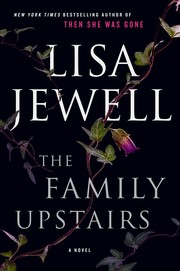
The Family Upstairs
Libby Jones inherits a Chelsea mansion and a past tied to a cult house, two runaways, and a baby left waiting.
3,300-word summary · 15 min read
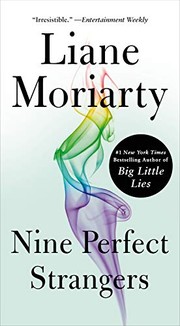
Nine Perfect Strangers
Nine guests enter Tranquillum House for ten days while director Masha hides smoothies and motives.
2,313-word summary · 10 min read
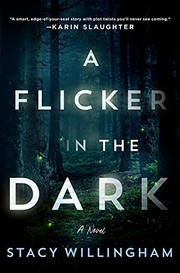
A Flicker in the Dark
Psychologist Chloe Davis faces copycat disappearances in Baton Rouge twenty years after her father confessed to murders.
3,074-word summary · 14 min read
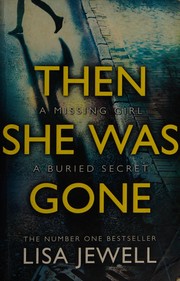
Then She Was Gone
Ten years after Ellie vanished, her mother finds a link in a new family.
1,956-word summary · 9 min read
The End of Her
A sleep-deprived mother of twins faces a stranger's accusation that her husband murdered his first wife in Shari Lapena's domestic suspense novel.
2,383-word summary · 11 min read
Someone We Know
A teen burglar, two unsigned apology letters, and a murdered neighbor wife turn a quiet suburb paranoid.
2,743-word summary · 12 min read
The Couple Next Door
After a dinner next door, Anne and Marco find baby Cora gone and every neighbor has a motive.
2,053-word summary · 9 min read

What She Knew
Rachel lets her eight-year-old son run ahead in a Bristol park, and the nine-day search turns her into a suspect in the public eye.
2,952-word summary · 13 min read

The Beach House
A young valet is beaten to death at a Hamptons party, and his law-student brother spends a year building a case against the family that covered it up.
2,049-word summary · 9 min read