
Reading options
What's inside (7 sections)
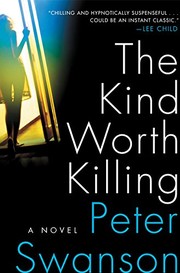
The hook got me on page one and the book kept changing who I trusted until the last twenty pages. The Kind Worth Killing by Peter Swanson was first published in February 2015 by William Morrow, a 320 page hardcover with ISBN 9780062267528. Swanson writes Boston noir with airport book pace. Strangers meet, confess, and agree to murder. Then everyone lies about what they agreed. I finished it in two sittings, mostly on a train, earning looks when I gasped.
Ted Severson narrates first. He is rich, drunk, and miserable on a late flight from London to Boston. His wife Miranda cheated, his work bores him, and he tells the woman next to him he wants Miranda dead. The woman, Lily Kintner, does not flinch. She says many people deserve it. She offers to help. Ted laughs, then gives her details. By landing, they have a plan that feels like a joke and a promise at once.
Lily takes over narration and the book tilts. She is young, beautiful, and watchful, living with a boyfriend who adores her and a past she edits carefully. She meets Ted in Boston, cases his house, and decides Miranda is indeed cruel in the specific way that makes murder feel like cleanup. Then she starts her own game inside Ted game. Who is hunting whom becomes the question.
A pact at cruising altitude
The plane chapters are perfect setup. Two tired people, gin, turbulence, and truths you only tell strangers. Ted talks about Miranda affair with a man named Brad, about her spending, about her laugh when she lies. Lily listens the way good predators do, asking for small facts that make later lies harder. Where does Miranda run. What door is unlocked. Ted, drunk and grieving his own manhood, answers.
Swanson knows this trope from Strangers on a Train and plays with it openly. Lily even names it, which tells you she reads murder the way Ted reads balance sheets. As a system. She proposes they swap. She will handle Miranda. Ted will handle someone for her. No names yet. Just principle. Ted agrees because agreement feels like control when life has none.
Back in Boston, sobriety makes Ted doubt. Was that real. He avoids Lily calls, tells himself it was gin talk, and tries to confront Miranda like an adult. Miranda, sharp and bored and a little scared of losing money, turns the talk into a deal. Counseling. Rules. Less drinking. Ted feels both relieved and trapped. Then Lily sends a photo that proves she started without him. The joke is now a case.
I liked how fast Swanson moves from chat to stakes. No hundred pages of backstory. Jobs, houses, and marriages sketched in quick strokes. Ted startup wealth. Miranda travel writing. Lily art school past. Enough to place them, not enough to trust them. The pace suits the theme. Bad decisions made fast, then justified slowly.
A small complaint. Ted drunk voice can be whiny. Pages of self pity about a cheating wife who is clearly awful but not uniquely so. I wanted to shake him and say divorce her, keep your money, go to therapy. Lily clearly thinks the same, which is why she takes charge. The book improves once she does.
Lily takes the wheel
Lily sections are colder and better. She narrates her past in careful doses. A college assault by a boy who used her trust. A boyfriend after who taught her how to fight back by planning. A present with Ed, a sweet wonderful man who loves her and does not see her fully. She likes Ed. She also lies to him constantly about where she goes at night. That split is the character. Tenderness and calculation living together without apology.
Her plan for Miranda is methodical. Follow her runs. Learn her routine. Befriend her under a false name at a bar. Discover that Miranda is having another affair, with a man who is also connected to Lily past in a way I will not spoil. The discovery reframes Lily motive. Is this about Ted justice or her own old debt. Swanson lets both be true, which makes Lily scary and sympathetic at once.
The murder itself, when it comes, is staged as accident and almost works. Almost is the book. A detail missed. A phone left on. A neighbor who walks a dog at the wrong time. Ted panics. Lily adjusts. Their talks after are the best cat and mouse in the novel, except both are cats and both are mice. Who called whom first. Who kept which receipt. Love and fear mix in a way that feels toxic and real.
Detective work enters through Kimball, a Massachusetts state cop who is quiet, divorced, and good at waiting. He does not buy accidents. He interviews Ted with sympathy and Lily with patience, noting how each describes Miranda differently. Ted sees a monster. Lily sees a rival. Kimball sees paperwork that does not line up. His chapters slow the book in a good way. Procedure as pressure.
If there is a sag, it is the middle alibi dance. Dinners, timelines, phone records. Necessary for a puzzle, but dry after the plane spark. I skimmed one timeline discussion and missed nothing. The payoff, when Kimball finds a witness who remembers shoes not faces, justifies the plod. Small facts break big lies.
Henry Kimball and the long game
The last third belongs to Kimball, full name Henry Kimball, whose perspective steadies the book. He is the kind of detective who brings coffee to widowers and remembers kids names. He does not rush Ted, who is unraveling, or Lily, who is polishing. He collects. A flight manifest. A bar tab. A second phone. He understands that rich people think money buys fog. It buys only thin fog.
Swanson gives Kimball a personal stake without making it soap. His ex wife left, his son is distant, his work is what he has. He sees in Ted a man who could have divorced and did not. He sees in Lily a woman who was hurt young and decided never to be helpless again. He does not excuse either. He pities the waste. That pity makes his final interview scenes humane rather than gotcha.
Ted collapse is ugly and believable. Drinking again. Calling Lily at midnight. Threatening Miranda lover. Trying to confess and retract in the same sentence. He wants punishment and escape at once. Lily, by contrast, gets calmer as pressure rises. She cleans, plans, and practices crying in a mirror. The contrast tells you who has done this before, or at least imagined it thoroughly.
The twist about who killed whom and who watched is well earned and I will keep it vague. Swanson plants three clues I noted and ignored. A key that should not exist. A story about college that changes by one verb. A dog that likes Lily too much. On reread they line up. That is fair play mystery, not shock for shock sake. The final ten pages flip sympathy again, leaving Lily free in a way that feels wrong and inevitable.
What wears after is Ted centrality early. The book title promises a type, the kind worth killing, and Ted decides Miranda qualifies in chapter one. Later chapters complicate that judgment. Miranda is selfish and cruel, but the book risks making her a prop for others growth. Swanson gives her one late scene of fear that humanizes her briefly. I wanted one more, to feel the cost fully.
Boston winter and money
Setting does quiet work here and deserves attention. Boston suburbs in winter, with early dark and wet snow, make surveillance both easier and lonelier. Footprints show. Cars need warming. Bars fill early. Ted wealth means a big empty house with a security system he forgets to arm. Lily and Ed share a smaller place with thin walls where neighbors notice comings. Kimball drives between both, drinking bad coffee, noting who shovels and who pays someone else to shovel. Class details tell without speeches. Money buys privacy until it buys suspicion.
Miranda travel writing career matters more than it first seems. She is often away, used to airports, good at chatting with strangers for material. That skill makes her convincing when she lies to Ted about affairs. It also makes her vulnerable to Lily, who uses the same traveler friendliness to befriend her at a bar. Two women who know how to get stories from strangers circle each other. One collects for articles. The other collects for plans. Their bar talks, about men, work, and Boston winters, are double edged in hindsight. Every anecdote is also reconnaissance.
Workplaces add texture. Ted startup office with young staff who fear him. Miranda magazine editors who love her copy and ignore her chaos. Lily art school past with teachers who remember her as gifted and cold. Kimball squad room with a whiteboard full of cases that are not as interesting as this one. Swanson sketches each in a paragraph and moves on. Enough to place alibis, not enough to stall. I liked that economy. A thriller should know what to leave out.
Money motive runs under everything and Swanson keeps it blurry on purpose. Ted would gain freedom but lose half in divorce. Lily gains nothing obvious from Miranda death, which is why Kimball focuses on her. No gain means other motive, older and deeper. That logic turn, from who profits to who needs, is what lifts the book above airport pulp. Detectives who ask about need rather than cash find better truths.
How Swanson plays fair
It is worth pausing on construction, because the twists feel surprising yet planted. Swanson uses three narrators in rotation. Ted first, then Lily, then Kimball, with Miranda voice only in reported talk. Each narrator hides one thing and shows another. Ted hides how much he drank on the plane. Lily hides a name from college. Kimball hides a hunch to protect the case. Readers must weigh not only facts but why each teller shares them now.
Clues are small and physical. A house key copied but not returned. A running shoe with mud from a trail Miranda never ran. A second phone charged in a car, not a house. A dog that greets Lily like family on first meeting. I noted two of these and dismissed them as color. On reflection they were load bearing. That is good mystery writing. The dog especially. Animals do not perform for police. If a dog knows you, you have been there before.
Swanson also plants false leads without cheating. Ed behavior looks suspicious for a chapter because he loves Lily and lies clumsily to protect her. Brad, Miranda lover, looks like a killer because he is angry and careless. Even Kimball own divorce colors his reading of Ted for a while. Each misdirection comes from character, not from withheld pages. When the final flip arrives, you can trace it back through choices, not gaps.
Pace helps. Chapters average five pages. Short scenes cut on questions. Will Ted call Lily back. Will Kimball ask about the flight. Will Lily keep Ed. That rhythm suits planes, bars, and interrogations. I read fast not because language is simple, though it is clean, but because questions stack. One answer opens two new doubts. By page two hundred, I stopped trusting any summary anyone gave, including the narrator I liked most.
A note on violence. The murders are not described with relish. One is staged as accident with careful detail about timing and weight. The other is more personal and shocking for its brevity. Swanson focuses on cleanup rather than wound. Washing. Driving. Burning clothes. That focus keeps the book thriller rather than horror. The dread comes from how normal cleanup looks. Laundry at midnight. Gas station coffee. A text that says home soon.
Still, as a thriller it delivers. Short chapters. Clean prose. No bloat. Questions of justice without lectures. Is murder ever cleanup. Does past assault excuse present scheming. Can a detective prove truth when everyone performs grief well. Swanson does not answer. He shows people living with answers they chose drunk at 30,000 feet.
Read it if you like Gone Girl but want less diary and more detective. Pay attention to shoes, keys, and who buys drinks. And do not chat about killing your spouse on planes. Someone like Lily might be listening, and she takes notes.
FAQ
When was The Kind Worth Killing published?
William Morrow published it in February 2015. It runs 320 pages and the hardcover ISBN is 9780062267528.
Is it part of a series?
No. It stands alone, though detective Henry Kimball returns in later Swanson books.
Similar books

3rd Degree
The third Women's Murder Club novel follows a San Francisco terror cell and a three-day killing schedule, and it costs the club a member.
2,685-word summary · 12 min read

The Club
A luxury island resort for the rich turns deadly when secrets, staff and guests collide.
2,386-word summary · 11 min read

Jar of Hearts
At sixteen Geo helped bury her best friend. Fourteen years later the body is found, she goes to prison, and the killing starts again.
2,389-word summary · 11 min read

What She Knew
Rachel lets her eight-year-old son run ahead in a Bristol park, and the nine-day search turns her into a suspect in the public eye.
2,952-word summary · 13 min read

The Beach House
A young valet is beaten to death at a Hamptons party, and his law-student brother spends a year building a case against the family that covered it up.
2,049-word summary · 9 min read

Six Years
A professor who promised to forget the woman he loved sees her husband's obituary and discovers that the wedding, the marriage, and the woman herself may never…
2,076-word summary · 9 min read

Rules of Prey
Minneapolis detective Lucas Davenport hunts a killer who leaves a new rule at every scene and treats murder as a game of wits.
1,914-word summary · 9 min read

4th of July
Lindsay Boxer shoots two armed teenagers in self-defense, faces a wrongful-death trial, and spends her leave chasing a string of throat-slashing murders in…
2,192-word summary · 10 min read

61 Hours
A bus crash strands Jack Reacher in a snowbound South Dakota town where a drug gang, a corrupt police force, and a single witness are on a collision course.
2,227-word summary · 10 min read

Still Missing
A realtor is abducted at a Vancouver Island open house and held for more than a year. Told through therapy sessions, the novel follows her escape and the hunt…
2,466-word summary · 11 min read

Bad Luck and Trouble
A deposit of $1,030 summons Jack Reacher back to his old army unit, which is being picked off one name at a time.
2,366-word summary · 11 min read

Worth Dying For
Reacher stops for one night in rural Nebraska and finds a family that runs the county, a missing girl and a shipment worth killing for.
2,021-word summary · 9 min read

Say You're Sorry
A widowed prosecutor defends the teenager accused of killing her babysitter, uncovering a small town's secrets and a killer hiding in plain sight.
2,116-word summary · 9 min read

Echo Burning
Reacher hitches a ride with a Texas woman who wants her abusive husband killed, then has to prove she did not murder him when he comes home.
2,209-word summary · 10 min read

Girl, Forgotten
A rookie US marshal guards a judge with a stalker and ends up reopening the 1982 prom-night murder of the judge's pregnant daughter.
2,111-word summary · 9 min read

The Woods
Twenty years after two teenagers were murdered and two vanished at summer camp, prosecutor Paul Copeland identifies a fresh corpse as one of the missing.
2,490-word summary · 11 min read

The Boy from the Woods
Wilde, found feral in a New Jersey forest in 1986, hunts for a missing teenager while a senator's secrets tear a wealthy town apart.
2,270-word summary · 10 min read
Without Fail
Reacher is asked to test vice presidential security by planning to kill.
2,084-word summary · 9 min read
Things We Do in the Dark
A comedian kills her husband, then a podcaster digs up her teen murder past.
2,427-word summary · 11 min read

The Widow
A widow of a suspected criminal faces reporters and police while hiding what her marriage really cost.
2,599-word summary · 12 min read
The Racketeer
A jailed lawyer trades a judge murder secret for freedom and revenge.
2,434-word summary · 11 min read
The Night Swim
A true crime podcaster covers a rape trial while probing an old drowning in a small town.
2,260-word summary · 10 min read
The Judge's List
Lacy Stoltz hunts a sitting judge who murders off his list.
2,513-word summary · 11 min read
The Innocent
A government hitman refuses one kill and must protect a teenage girl at the center of a cover-up.
2,403-word summary · 11 min read
The Girl Who Was Taken
A survivor returns alone while a reporter digs for her lost sister.
2,261-word summary · 10 min read
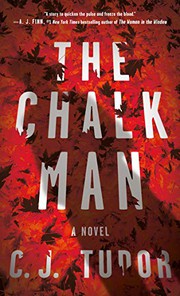
The Chalk Man
Childhood chalk codes lead to a murder that follows friends thirty years later.
2,350-word summary · 10 min read
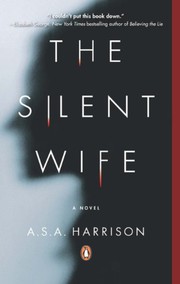
The Silent Wife
A Chicago psychologist watches her twenty-year partnership collapse when Todd leaves for Natasha, then plans murder.
2,591-word summary · 12 min read
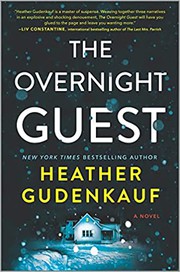
The Overnight Guest
A snowbound writer shelters a lost boy in Iowa while a twenty-year-old story of neglect closes in.
2,580-word summary · 11 min read
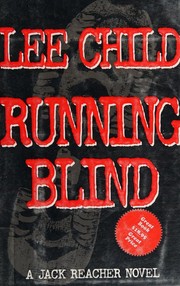
Running Blind
Jack Reacher must catch a killer who murders women with no forced entry and no trace.
2,008-word summary · 9 min read

Keep It in the Family
Mia and Finn renovate a long empty house and find seven children hidden in the attic.
2,270-word summary · 10 min read