
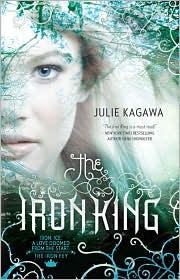
The Iron King
2,720-word summary 12 min read 363 pages in the book
- First published
- 2010
- Publisher
- Harlequin Teen
- Pages
- 363
- ISBN
- 9780373210084
- Series
- The Iron Fey (#1)
Reading options
What's inside (8 sections)
I picked up The Iron King because I wanted a faery story that did something different from stolen girls in pretty dresses. Julie Kagawa published it in 2010 with Harlequin Teen as the first book in The Iron Fey series, and it won a RITA for young adult romance the next year. The first edition runs 363 pages. I expected light romance with some Shakespeare names dropped in. What I got was stranger and busier, with a farm girl from Louisiana walking straight into the middle of a war between old magic and new technology.
Meghan Chase is almost sixteen when the story opens. She lives on a pig farm outside a small town in Louisiana with her mother, her stepdad Luke, and her four year old half brother Ethan. Her own father vanished when she was six, right in front of her, and no one ever explained it in a way that satisfied her. At school she is the poor farm kid who does not fit with the popular crowd. Her only real friend is Robbie Goodfell, a lanky prankster who has been around since they were kids. He teases her, covers for her, and shows up when she needs him.
That ordinary setup falls apart fast. It has to, or there would be no story.
Sixteen in Louisiana
Meghan narrates in first person, and the early chapters stay close to homework, crushes, and embarrassment. She has agreed to tutor the cute football guy, and the session goes badly. She feels watched on the way home by a dark stranger with impossible gray eyes. Ethan, who used to be sweet and funny, has turned clingy and strange. He cries when she leaves the room. He says things that do not sound like a four year old.
Then she comes home to find her mother on the floor, unconscious, and Ethan changed. His eyes are wrong. He snarls. He tries to bite. He smells wrong. Meghan thinks seizure, or fever, or shock. Robbie takes one look and understands something else entirely.
Kagawa does a good job making this part feel small and domestic before it turns weird. The farmhouse kitchen, the laundry, the stepdad working late, the mother who is tired from two jobs. That grounding matters because the rest of the book gets very large. When Meghan realizes the boy in the house is not her brother, the panic feels earned. Someone took Ethan and left something else in his place.
The changeling and Puck
The replacement is a changeling, a faery left behind to cover a theft. In Kagawa's version of the old stories, promises bind you, names have power, food offered in Faery can trap you, and saying thank you can put you in debt. Robbie lays some of this out in a hurry because there is no time for a full lesson.
And Robbie is not Robbie. He is Robin Goodfellow, the Puck from A Midsummer Night's Dream, servant and jester to King Oberon of the Summer Court. He was placed near Meghan as a guardian years earlier and told to keep her out of trouble without telling her why. He is still jokey and loyal, but older and sadder than he pretends. His glamour slips when he is stressed. He can fight when he has to, and he hates explaining himself.
Puck pushes Meghan through a doorway into the Nevernever, the vast faery world that sits alongside our own and connects through trods and rivers and hollow hills. The Nevernever in this series is not one forest. It holds the Wyldwood where wild fey live outside court law, the Seelie Summer lands ruled by Oberon, the Unseelie Winter lands ruled by Queen Mab from her city Tir Na Nog, and neutral meeting places like Elysium where the courts can gather without open bloodshed. Time moves oddly there. Food and drink are risky. Everything wants a bargain.
Meghan agrees to follow Puck because what choice does she have. She thinks Mab has taken Ethan. That guess will turn out to be wrong, but it gives her a direction. She promises Grimalkin the cat a favor in exchange for guidance, which is the kind of mistake new visitors to Faery always make. Favors count.
The Summer Court
The middle of the book slows down inside Summer. Meghan learns that Oberon is her father. Her human mother had a brief affair with the Summer King years before, and Meghan is therefore half human and half Summer princess. That blood makes her powerful and politically valuable. Oberon is formal and distant rather than warm. Titania, his queen, loathes Meghan on sight and would be happy to see her humiliated or harmed. Courtiers stare. Servants whisper.
Kagawa uses the Elysium festival to put both courts in one place. Summer fey in green and gold, Winter fey in silver and blue, music that pulls at your legs, food that smells better than anything in the human world. Meghan meets Prince Ash there for the first time. He is Mab's third son, pale and silver haired, cold in manner, famous for killing Summer fey in past wars. He watches her with open dislike. Puck hates him on sight, and the feeling is mutual. Their rivalry goes back centuries.
Then a chimera crashes the gathering. It is part lion, part goat, part serpent, wrong in a way that has nothing to do with Summer or Winter magic. It bleeds oil and sparks. It shrugs off glamour. Winter blames Summer for breaking truce. Summer denies it. The meeting breaks up in anger. War talk that had been low muttering gets louder.
This is where the book introduces its central idea. Something new has grown in the Nevernever. The Iron fey were born from human dreams about metal and engines and computers, from the power of things people believe in now instead of old stories. Traditional fey are poisoned by iron. A horseshoe over a door, an iron nail, a steel knife. The Iron fey are made of that poison. They do not sicken near it. They feed on it. Neither Summer nor Winter knows how to fight them yet, and both courts have been losing people at the edges of their lands.
Meghan does not care about court politics. She wants Ethan. Since the Winter Court left in a fury and since Mab has a history of stealing children, Meghan decides Ethan must be in Tir Na Nog. She talks Grimalkin into guiding her there.
Grimalkin, Ash, and the road north
Grimalkin is a cait sith, a large talking cat who can fade in and out of sight and who cares mostly about his own comfort. He agrees to lead Meghan for a price, then keeps adding small conditions along the way. I found him the most consistent pleasure in the book. He is rude, practical, and honest about being selfish. When he warns Meghan not to trust promises, he includes his own.
The road through the Wyldwood to Winter is where Kagawa piles on encounters. Redcaps who want blood for crossing a bridge. River hags. Will o wisps. Wolves made half of shadow. Meghan learns to keep her name close, to avoid eating, to watch where she steps. Puck covers her with jokes and knives. He is stronger than he looks, and he is clearly fond of her in a way that goes past duty.
Ash catches them on the trail. Mab sent him to bring Oberon's daughter to Tir Na Nog as a hostage to use against Summer. Puck and Ash fight, fast and brutal, old enemies with matched speed. During the fight Meghan is snatched by something else entirely, a huge creature called the Iron Horse, a former fey of the Wylds who let iron into his body to survive and became something new. He drags her partway toward the Iron lands and tells her plainly that the Iron King has her brother. He does not say it to be kind. He says it because the Iron King wants Meghan too.
Ash gets her back, which he later seems to regret. He makes her a faery bargain. He will escort her through the dangerous country toward the Iron stronghold so she can look for Ethan, and afterward she will come quietly with him to face Mab in Tir Na Nog. She agrees because she has no better path. Puck rejoins them, though he is hurt and has to drop back to heal for a stretch. That leaves Meghan alone with Ash for long miles, which is clearly the point from a story perspective.
Those chapters work because the two of them have nothing in common except stubbornness. Ash is bound by Winter law and by loyalty to his mother and brothers. He believes Summer fey are soft and deceitful. Meghan is impulsive, human raised, quick to promise help to anyone who looks hurt. She keeps trying to feed him, or thank him, or get him to laugh. He keeps refusing. Slowly, without either of them planning it, they start to respect how the other handles danger. He is careful with iron in a way that will matter later. She is braver than she thinks, though still untrained.
Into iron
When the trail goes cold in the Nevernever, the group loops back into the human world. Kagawa sends them to Louisiana and then to New Orleans to consult an oracle who can tell them how to kill something that should not exist. The oracle scene is short and strange in a good way. The price is memory and pain, as usual with oracles.
The answer involves Witchwood, wood from ancient dryads that can harm Iron fey where normal blades fail. The dryads live in the trees of a city park, old women with bark skin and green eyes who do not care about Meghan's family trouble. To earn the wood, Meghan has to prove she will keep her word. Ash shapes the gift into an arrow. On the way out they are attacked by humans whose minds have been hollowed out and ridden by Iron fey, like drivers in stolen cars. Puck is shot protecting Meghan and nearly dies. The dryads take him in to heal him, which removes Meghan's best protector right before the hardest part.
Meghan and Ash go on together into the Iron stronghold. Kagawa describes it as a place of black metal trees, wire vines, smokestacks, clicking bugs with electric eyes, and a sky that glows orange at the edges. The air tastes of copper. Cold, which is Ash's element, behaves oddly there. Machines watch from the walls. The lesser Iron fey swarm. They are not beautiful. They are made from rust and needles and broken glass and static.
At the center sits Machina, the Iron King, a former human tinkerer who dreamed himself into Faery and built a court from scrap and belief. He is huge, patched, magnetic in the literal sense. He has Ethan in a cage, small and dazed and thinner than Meghan remembers. He wants Meghan because her mixed blood, half Summer and half human, can create more Iron fey or anchor his court in a way his own stolen magic cannot. He offers her safety for obedience. She refuses.
The fight is messy rather than elegant. Ash holds off guards while iron sickens him. His skin blisters near raw metal. His magic gutters. Meghan fumbles, gets up, fires the Witchwood arrow when she gets a clear shot. Machina falls. By faery law, killing a king in his own seat passes power to the killer. Meghan absorbs Iron magic without meaning to and without understanding it. The stronghold shudders. She grabs Ethan and runs while the place comes apart around them.
She gets him home. Her mother weeps. Luke does not understand what happened but knows something took his son and returned him. Ethan remembers little, or pretends to remember little to protect himself. Meghan thinks it is over. Then Ash appears at the edge of the farm, as she promised, to take her to Tir Na Nog to answer for entering Winter lands and for killing a king. She goes with him because a sworn bargain in Faery cannot be broken without cost. The book closes on that walk into snow.
What holds and what drags
The Iron fey as an idea carries the whole novel. Faery stories often struggle to explain why old magic still matters when everyone has phones and streetlights. Kagawa answers by making technology into a new kind of magic that eats the old kind. Factories and junkyards and server farms produce belief just as strongly as stories around fires once did. That gives the Summer and Winter courts a reason to be afraid beyond their endless feud. It also gives Meghan, a modern teenager, a problem only someone from the human world could grasp. She knows what computers are. Oberon does not.
Grimalkin and Puck give the book humor and texture. Puck could have been simple comic relief, but Kagawa lets him be tired and guilty about lying to Meghan for years. Grimalkin never pretends to be noble, which makes his rare moments of help land harder. The Nevernever feels large because Kagawa keeps adding small customs. Do not eat. Do not drink. Do not give your full name. Do not dance unless you mean to stay. Those rules create tension without long explanations.
The fair criticism is the one Publishers Weekly raised in 2010, and it still fits. Meghan spends much of the middle being rescued and steered. Puck chooses the route. Grimalkin chooses the price. Ash chooses the tactics. Even Machina chooses the battlefield. Meghan's main actions for long stretches are agreeing, following, and worrying about Ethan. She grows sharper near the end in the Iron stronghold, when she has to shoot and decide, but the growth is late. Readers who want a heroine driving every scene will get impatient around the Elysium chapters and the long walk north.
The romance also shows its age. Ash is the cold, beautiful, dangerous prince who tells Meghan he might kill her and then saves her. Puck is the warm best friend who loved her first and hides it with jokes. That triangle will be familiar to anyone who read young adult fantasy from this period. Kagawa writes the banter well, and the scenes where Meghan tries to get Ash to eat human food or to admit he is hurt are sweet. Still, the pattern is set. One boy teases, one boy broods, the girl picks the brooding one. If you dislike that shape, this book will test you.
Pacing is uneven. The Louisiana opening moves quickly. The Summer Court section lingers on dresses and insults. The road north is episodic, with one monster after another. The New Orleans detour and the Iron stronghold regain speed. I did not mind the episodic stretch because the monsters are inventive, but I could feel Kagawa checking off stops on a map.
Who should try it. Readers around thirteen to eighteen who like faery courts, banter, and a clear quest will find a lot to enjoy. Readers coming from Sarah J Maas or Holly Black will recognize the courts and the bargains, though this is gentler and younger in tone than those books. Adults can enjoy it for the Iron fey concept and for Grimalkin, even if Meghan's choices sometimes frustrate. Start here rather than later in the series. The plot depends on not knowing what Meghan is, and the later books assume you already care about Ash and Puck.
I closed the book liking Meghan more than I expected. She is not the most skilled fighter or the cleverest bargainer. She keeps going because her brother needs her, and she keeps her promises even when they cost her. In a world where every promise is a snare, that stubbornness is its own kind of power. I wanted a stronger middle for her, with more decisions that were hers alone. I also wanted less time spent on which boy looked at her and more time on what the Iron magic settling inside her might mean. That question is left open, and it pulled me toward the next book more than the final walk into snow did.
FAQ
What is The Iron King about?
Meghan Chase is sixteen and lives in Louisiana when her four year old brother Ethan is stolen by fey. She enters the Nevernever, learns she is Oberon's daughter, and hunts the Iron King to bring Ethan home.
Is The Iron King the first book in The Iron Fey series?
Yes, it is book one in The Iron Fey series, published in 2010 by Harlequin Teen. It introduces Meghan, Puck, Ash, and Grimalkin, and The Iron Daughter continues the story.
Who should read The Iron King?
Readers thirteen and up who like faery courts, quests, and light romance will enjoy it most. Readers bothered by passive heroines or love triangles may find the middle slow.
Similar books
More from The Iron Fey first, then related titles.
The Iron Daughter
Exiled with Ash after the scepter theft, Meghan hunts the Iron stronghold as iron magic wakes inside her.
2,995-word summary · 13 min read

The Iron Queen
Meghan faces the Iron King past while Ash pays a winter price.
2,548-word summary · 11 min read
A Court of Thorns and Roses
Sarah J. Maas's A Court of Thorns and Roses retold: Feyre, Tamlin's Spring Court, the curse, and the trials Under the Mountain.
2,442-word summary · 11 min read
A Court of Mist and Fury
ACOTAR book 2 retold: Feyre in the Spring Court, the bargain with Rhysand, Velaris, and war with Hybern.
2,218-word summary · 10 min read

Vow of Thieves
Kazi and Jase return to Tor's Watch to find it occupied, and their marriage is tested by captivity, betrayal, and a war for the town of Hell's Mouth.
2,059-word summary · 9 min read
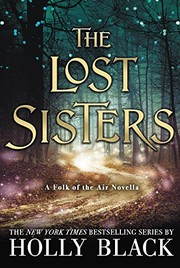
The Lost Sisters
Taryn Duarte writes a letter to her twin, Jude, explaining how she fell for Locke and why she stayed silent while he used them both.
1,914-word summary · 9 min read

Archenemies
Nova steals for the Anarchists while Adrian hides his Sentinel identity, and a serum that erases prodigy powers puts them both at risk.
2,485-word summary · 11 min read

The Rose & the Dagger
Shahrzad is pulled from her Caliph husband and left in a desert camp of rebels, needing to break his curse and end a war before it ends her.
2,520-word summary · 11 min read

We Hunt the Flame
In a fractured Arabia-inspired world, a disguised huntress and a prince-assassin race to find a magic-restoring book and confront an ancient evil.
2,195-word summary · 10 min read
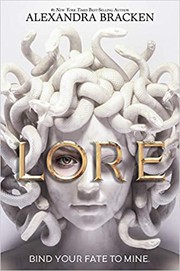
Lore
Lore Perseous, the last of a hunted bloodline, is pulled back into the Agon when a wounded Athena offers her revenge against the god who killed her family.
2,188-word summary · 10 min read
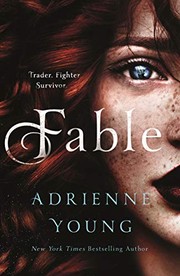
Fable
Abandoned on a lawless island at fourteen, Fable spends four years diving for gems to buy passage off it, straight into the cutthroat trade of the Narrows.
2,320-word summary · 10 min read

The Winner's Curse
An aristocratic girl buys a slave who is secretly a prince plotting rebellion.
2,124-word summary · 9 min read
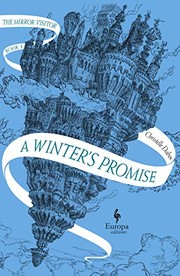
A Winter's Promise
Ophelia reads objects and is sent to marry Thorn on a cold ark.
2,502-word summary · 11 min read
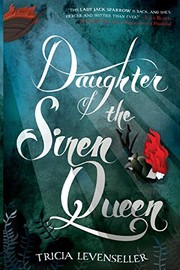
Daughter of the Siren Queen
Alosa hunts the last map pieces toward Isla de Canta while defying her father Kalligan, facing her brother Draxen, and choosing her loyal crew and Riden at…
2,643-word summary · 12 min read
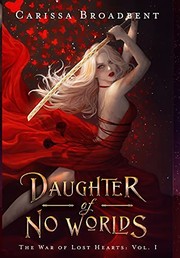
Daughter of No Worlds
A former slave with rare magic hires exiled warrior Max to train her for a daring rescue, sparking slow burn love and wider war in this big 520-page fantasy…
2,529-word summary · 11 min read
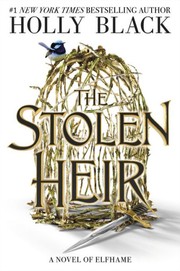
The Stolen Heir
Feral ex-queen Suren joins Prince Oak on a frozen quest to stop her mother, Lady Nore.
2,305-word summary · 10 min read
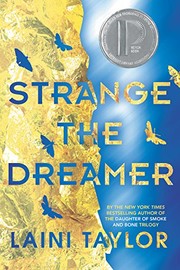
Strange the Dreamer
Orphan librarian Lazlo Strange joins a quest to the lost city of Weep, where blue-skinned godspawn haunt dreams.
2,221-word summary · 10 min read
The Kiss of Deception
Princess Lia flees an arranged marriage and hides in a village, unaware one stranger is a prince and the other an assassin.
2,196-word summary · 10 min read

Wicked Lovely
Aislinn sees faeries and must decide whether to become Summer Queen while loving mortal Seth.
2,059-word summary · 9 min read
Dance of Thieves
Queen's thief Kazi infiltrates Ballenger lands while young leader Jase plays her right back.
2,005-word summary · 9 min read

Poison Study
Sentenced to die, Yelena becomes the Commander's poison taster and learns survival in Ixia has a daily price.
2,501-word summary · 11 min read
To Kill a Kingdom
A siren princess turned human must steal a siren-hunting prince's heart to win back the sea.
2,248-word summary · 10 min read

Fire
A human monster who reads minds is pulled into war in the Dells and must decide how to use her power.
2,727-word summary · 12 min read
How the King of Elfhame Learned to Hate Stories
Cardan recalls a harsh boyhood and an uneasy crown in this short illustrated companion to the Folk of the Air trilogy, told wholly from his side.
2,902-word summary · 13 min read
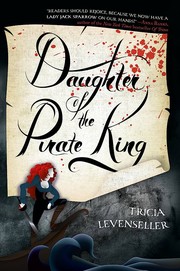
Daughter of the Pirate King
A pirate captain daughter lets herself be captured to find a map, then spars with a strict young pirate prince.
2,156-word summary · 10 min read
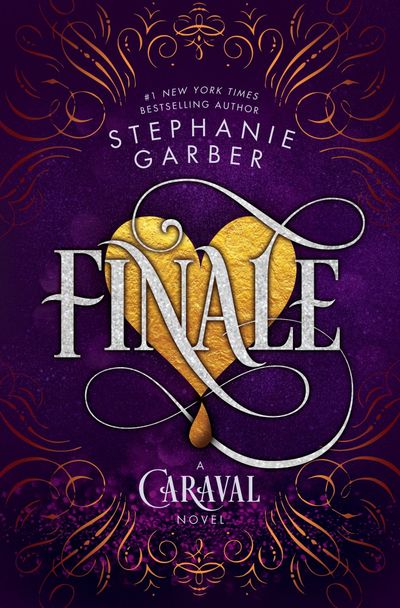
Finale
Sisters face waking Fates with debts due, loving princes, and choices that break immortal math.
1,995-word summary · 9 min read
City of Heavenly Fire
Clary and Jace face Sebastian's dark army while Emma and Julian's story begins in Los Angeles.
2,039-word summary · 9 min read
Graceling
Katsa, Graced with killing, breaks from her uncle's use of her and follows a kidnapped prince toward a hidden king.
2,517-word summary · 11 min read
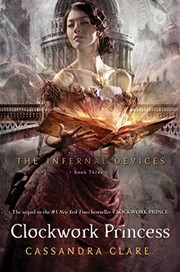
Clockwork Princess
Tessa chooses between Jem and Will as Mortmain's clockwork army closes on the London Institute.
3,289-word summary · 15 min read
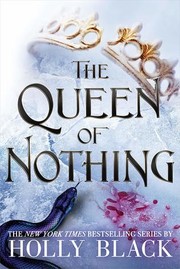
The Queen of Nothing
Exiled Jude returns to Faerie to save Taryn and break a deadly curse.
2,091-word summary · 9 min read