
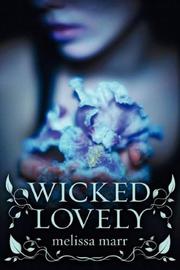
Wicked Lovely
2,059-word summary 9 min read 328 pages in the book
- First published
- 2007
- Publisher
- HarperTeen
- Pages
- 328
- ISBN
- 9780061214653
- Series
- Wicked Lovely (#1)
Reading options
What's inside (10 sections)
I found Wicked Lovely on a faerie shelf between Holly Black and Sarah Maas and wondered if it holds up. Melissa Marr published it in 2007 with HarperTeen. My reading follows the 328 page hardcover. It is the first in the Wicked Lovely series. Aislinn, who sees faeries, must decide whether to become Summer Queen while loving mortal Seth. It is romantic, thorny, and more interested in rules than battles.
Aislinn has always seen faeries. Her grandmother taught her three rules. Do not stare. Do not speak. Do not attract attention. She follows them in Huntsdale, working, schooling, hiding. Faeries crowd malls, parks, trains, cruel and beautiful, invisible to most. They test her, whisper, touch her hair. She pretends not to notice while her stomach knots.
Courts and the Summer King
Faerie politics drive plot. Keenan, the Summer King, has been searching centuries for the Summer Queen who can save his court from winter. His mother Beira, the Winter Queen, kills girls who fail the test. He pursues Aislinn because he believes she can hold the summer staff and survive. He courts with gifts, sunshine, attention in public that embarrasses her.
Aislinn does not want a crown. She wants school, her friend, her boyfriend Seth, who builds trains in a trailer, loves her without fully understanding her sight. Seth is steady, tattooed, kind, mortal. He offers a normal life she craves. Keenan offers power, beauty, and danger that feels fated. That triangle is less about choosing boys than choosing kinds of life. Ordinary love versus mythic duty.
Marr builds courts with folklore logic. Summer needs warmth and growth. Winter needs cold and spite. Neither is good in human terms. Summer faeries can be vain and careless. Winter ones can be loyal in cold ways. Donia, a winter girl Keenan once loved and left half frozen, warns Aislinn plainly. To become Summer Queen is to risk death or transformation. To refuse is to let winter spread. Those stakes feel real because Donia bears them on skin.
Seth learns fast. He reads, asks, accepts. He does not wield iron to threaten every faerie, though iron matters. He builds a place where Aislinn can rest. His mortal limits, no glamour, no long life, make his courage clearer. When he walks into faerie halls to stand beside Aislinn, unprotected, it lands because he knows he can die.
Sight as burden
Aislinn's sight isolates. She sees what others deny, which makes her doubt herself. Marr writes that loneliness well. Cafeteria noise plus faerie whispers. Homework plus warnings. A grandmother who loves but fears, who enforced rules out of trauma after losing her own daughter to faerie interest. That family history unfolds slowly and explains why Aislinn both obeys and resents.
Her grandmother's death early shifts everything. Aislinn loses her guide and her house rules at once. Grief makes her vulnerable to Keenan's attention. Who would not want a beautiful king saying you are special when you just buried family. Marr lets that vulnerability sit without shaming. Wanting to be seen is human, especially for a girl trained to look away.
The faeries themselves are well drawn as uncanny, not cute. They steal breath, tangle hair, sour milk, whisper lies that sound like truth. One scene in a library where they riffle pages to frighten Aislinn chilled me more than any court duel because it invades study, her safe place. Another on a train, with hands on her knees she must ignore, captures harassment in fantasy clothes. Readers sensitive to consent will notice how often faeries touch without leave, and how Aislinn's no is treated as game. Marr knows this and uses it to show why courts need refusing.
Choosing under pressure
Middle chapters test Aislinn through small choices. Accept a gift. Drink summer wine. Dance once. Each seems harmless and binds a little. Keenan is patient in the way of immortals who waited centuries. He can wait weeks. Aislinn feels time differently. School deadlines, Seth's shifts, rent. That mismatch in urgency is the book's smartest tension. Faerie patience versus teen schedule.
Donia's counsel steadies. She tells Aislinn what transformation costs. Cold that never leaves. Hunger for warmth. Love for Keenan curdled into duty. She does not tell her to refuse. She tells her to know price. Niall, a Summer advisor with his own appetites, offers blunter help. He likes Seth, respects Aislinn, and dislikes Keenan's entitlement. Those divided courts show monarchy as messy family, not shining hierarchy.
Aislinn trains her sight instead of hiding it. She looks directly, names faeries, sets boundaries aloud. That practice, encouraged by Seth who says say what you see, builds toward the climax where she must hold the staff and decide what kind of queen to be. Not whether to be powerful, but how. Her answer involves conditions, limits, and love for a mortal that courts must accommodate. That negotiation, rather than battle, resolves. I liked that power here is contractual and clever, not sword won.
Donia, Niall, and divided courts
Donia stayed with me longest. Half frozen by Keenan's past love, she warns Aislinn without demanding gratitude. She shows her skin, her cold, her hunger, and says know price. That honesty costs her. She still loves Keenan a little and hates what he made her. Her scenes with Aislinn, over tea that cools too fast, feel like older sister talk. Choose with eyes open. Do not let sunshine blind.
Niall offers a different model of faerie masculinity. Strong, flirtatious, loyal to Summer but uneasy with Keenan's entitlement. He befriends Seth, respects mortals, and questions orders. His presence shows courts are not monoliths. Summer has dissenters. Winter has kindnesses. Beira herself, though cruel, acts from fear of thaw that would kill her people. Marr lets each court claim necessity. That moral shading lifts the book past good versus evil.
Seth's integration deepens here. He learns iron use, faerie etiquette, and when to stay silent while Aislinn negotiates. He does not grab the staff or challenge Keenan to duel. He stands where Aislinn can see him and holds her bag. That supportive masculinity, rare in 2007 YA love triangles, reads fresh now. He cooks, listens, and asks about her grandmother's funeral arrangements when faerie drama distracts. Those domestic acts anchor myth in care.
The grandmother's loss deserves more note. She raised Aislinn after her mother's death, enforced rules out of trauma, and loved fiercely without explaining enough. Her death leaves a house too quiet and a girl too exposed. Aislinn grieves while faeries press. That timing, grief plus courtship, explains vulnerable choices without excusing pressure. Marr respects mourning enough to let it slow plot. Aislinn cries over dishes, not just crowns.
Huntsdale as place also matters. Malls where faeries cluster near food courts. Woods where courts meet. Schools where rumors spread. Marr writes a town where myth overlays ordinary without hiding it. A bus stop with glamour residue. A library with cold spots. Those details invite readers to imagine their own towns similarly layered. What would you see if you looked.
Rules with prices
What distinguishes Marr's faerie system is that every gift costs. Summer wine warms but binds. A dance lends joy but claims time. A name spoken aloud gives power. Aislinn learns to ask price before accepting, a habit her grandmother taught through fear and Seth reinforces through respect. That habit becomes plot. When Keenan offers protection for her friends, she asks what protection takes. When Niall offers training, she asks what loyalty means. Those questions slow seduction and build agency.
Iron deserves note because it grounds myth in material. Seth carries iron nails, not a sword. He lines his trailer, his pockets, Aislinn's windows. Faeries flinch from it the way allergic people flinch from smoke. That mundane defense lets mortals stand near immortals without magic of their own. A scene where Seth lays a thin iron chain across a doorway to give Aislinn one safe night to sleep moved me. No duel. Just hardware and love.
The staff itself, which holds Summer's power, tests worth through pain. To hold it is to burn and freeze at once. Girls before Aislinn died or broke. Donia survived half changed because she was strong but not right. Aislinn survives by redefining right. Not the most obedient or most fey, but the one who will set terms. Her terms include Seth's safety, Donia's relief, and seasonal limits that protect mortals from faerie excess. That negotiation, conducted while burning, is the climax. Power shared is power survived.
Marr leaves costs visible after. Aislinn gains beauty that unsettles mirrors. She hears courts constantly. She must mediate disputes she never sought. Seth ages while she slows. Those consequences, sketched rather than solved, promise later books will reckon. Love does not erase difference. It manages it daily. That honest aftertaste lifts the book past triangle fluff into relationship work.
Grandmother's rules revisited
Aislinn's grandmother taught hide and survive. Do not stare. Do not speak. Do not attract. Those rules saved a child but starve a young woman with power. Aislinn spends the book testing which rules still serve. Staring, done deliberately, becomes claiming. Speaking, done with terms, becomes bargaining. Attracting, done on her ground, becomes summoning allies rather than inviting predators. That revision of inheritance feels like growing up. Keep the love. Update the method.
Her death early means Aislinn revises alone, with Seth and Donia as stand ins. A scene where Aislinn rereads her grandmother's warnings and annotates margins with new notes moved me. No, I will look. Yes, I will speak, but with iron near. Those margin arguments show grief as dialogue, not closure. We argue with the dead while loving them. That is normal and rarely shown so plainly in YA.
For readers with overprotective elders, this thread will resonate. Rules made from trauma protect and confine at once. Aislinn honors her grandmother best not by obeying forever but by surviving to change rules for a world her grandmother did not live to see. That is how generations work when they work well. Fear given, courage returned with edits.
What glitters and what snags
What glitters is atmosphere, rules, and romance with teeth. Huntsdale feels damp and real, with malls and woods both hosting faeries. The courts have seasons as moods. Summer smells of grass and sweat. Winter smells of metal and snow. Seth and Aislinn's relationship, with its train models, shared meals, and frank talks about sex and fear, feels teen and tender. Donia is the standout, tragic without being prop.
What snags is pacing and explanation. Marr loves lore and sometimes pauses plot for court history. Beira's cruelty can feel one note. Keenan's pursuit, romantic to some, reads as pressure to others. He ignores Aislinn's no repeatedly because fate says she is his. The book frames this as faerie nature, but modern readers may flinch. Aislinn calls it out more than heroines in older books did, which helps, yet the courtship still leans on persistence as proof.
The prose is lush in description, plain in dialogue, with short chapters that move. Sensory detail carries. Taste of faerie fruit. Itch of glamour. Cold of Donia's hand. Action scenes are brief and a little blurry. Emotional negotiations are sharp. If you want duels, look elsewhere. If you want bargains with costs, stay.
Length at 328 pages suits the tale. No bloat, though the final court scene packs many names fast. A glossary would help newcomers. Rereading clarified who owed whom. First time I flipped back. That flipping is mild cost for a lived in world.
Who should see
Give Wicked Lovely to YA fantasy readers twelve and up who like faerie courts, rules with prices, and mortal plus immortal romance. It suits Holly Black fans who want less politics and more ache, or Twilight readers who want a heroine with clearer boundaries. Do not give it to readers who need fast battles or tidy consent. Pair it with Ink Exchange next, where Donia's story deepens.
At 328 pages I read it in three sittings, marking Donia pages. Aislinn starts looking away to survive and ends looking directly to set terms, keeping Seth beside her not as consolation but as choice. That gaze, steady and conditional, is why the book lasts past its love triangle. Seeing clearly is the first magic. Refusing to be owned is the second.
FAQ
When was Wicked Lovely published?
HarperTeen published it on June 12, 2007. The hardcover runs 328 pages and the ISBN is 9780061214653.
Is it the first in a series?
Yes. It is book one of Wicked Lovely, followed by Ink Exchange and Fragile Eternity.
What are the three rules?
Do not stare, do not speak, do not attract attention, taught by her grandmother to survive the sight.
Similar books
More from Wicked Lovely first, then related titles.
The Lost Sisters
Taryn Duarte writes a letter to her twin, Jude, explaining how she fell for Locke and why she stayed silent while he used them both.
1,914-word summary · 9 min read

Lore
Lore Perseous, the last of a hunted bloodline, is pulled back into the Agon when a wounded Athena offers her revenge against the god who killed her family.
2,188-word summary · 10 min read
Tithe: A Modern Faerie Tale
A retelling of Holly Black's Tithe: Kaye Fierch returns to the Jersey Shore, discovers she is a changeling, and becomes the mortal sacrifice in a faerie power…
2,586-word summary · 11 min read
The Stolen Heir
Feral ex-queen Suren joins Prince Oak on a frozen quest to stop her mother, Lady Nore.
2,305-word summary · 10 min read

The Iron Daughter
Exiled with Ash after the scepter theft, Meghan hunts the Iron stronghold as iron magic wakes inside her.
2,995-word summary · 13 min read
The Iron King
Meghan Chase follows her stolen brother into the Nevernever and bargains with a Winter prince to face the Iron King.
2,720-word summary · 12 min read
How the King of Elfhame Learned to Hate Stories
Cardan recalls a harsh boyhood and an uneasy crown in this short illustrated companion to the Folk of the Air trilogy, told wholly from his side.
2,902-word summary · 13 min read
The Queen of Nothing
Exiled Jude returns to Faerie to save Taryn and break a deadly curse.
2,091-word summary · 9 min read
The Cruel Prince
Mortal Jude fights for a place at the faerie court, bargaining with the prince she hates.
2,477-word summary · 11 min read
A Court of Thorns and Roses
Sarah J. Maas's A Court of Thorns and Roses retold: Feyre, Tamlin's Spring Court, the curse, and the trials Under the Mountain.
2,442-word summary · 11 min read
A Court of Mist and Fury
ACOTAR book 2 retold: Feyre in the Spring Court, the bargain with Rhysand, Velaris, and war with Hybern.
2,218-word summary · 10 min read

Vow of Thieves
Kazi and Jase return to Tor's Watch to find it occupied, and their marriage is tested by captivity, betrayal, and a war for the town of Hell's Mouth.
2,059-word summary · 9 min read

Magic Burns
A magic flare hits Atlanta, and mercenary Kate Daniels must recover stolen maps, find a missing witch, and keep a teenage girl alive while Celtic gods try to…
2,021-word summary · 9 min read
At Grave's End
Cat and Bones face Max, a zombie-raising ancient vampire, and a prophecy that ties their marriage to Patra's death in the third Night Huntress novel.
2,061-word summary · 9 min read

Masquerade
After Cordelia's death, Schuyler flies to Venice to find her exiled grandfather, then returns to the Blue Bloods as they prepare for a masked ball and a hidden…
2,543-word summary · 11 min read

Archenemies
Nova steals for the Anarchists while Adrian hides his Sentinel identity, and a serum that erases prodigy powers puts them both at risk.
2,485-word summary · 11 min read

The Siren
Saved from a shipwreck in 1930, Kahlen becomes a siren who sings men to their deaths for the Ocean, until a boy in a college library makes her want a life she…
2,369-word summary · 11 min read
Cruel Beauty
A girl raised to kill the demon prince who rules her cursed land instead falls in love with him, in a retelling that mixes Beauty and the Beast with Bluebeard…
2,669-word summary · 12 min read

The Golem's Eye
Two years after The Amulet of Samarkand, Nathaniel is a rising bureaucrat, Bartimaeus is his unwilling servant again, and something made of clay is tearing…
2,299-word summary · 10 min read
Demonglass
Sophie Mercer spends the summer at the Council's English estate, where two new demons, a suspicious host, and Archer's return complicate her plan to remove her…
2,771-word summary · 12 min read

Born at Midnight
Kylie Galen is sent to a camp for troubled teens and discovers it is a haven for vampires, werewolves, and witches, and that she may be something stranger…
2,310-word summary · 10 min read

The Rose & the Dagger
Shahrzad is pulled from her Caliph husband and left in a desert camp of rebels, needing to break his curse and end a war before it ends her.
2,520-word summary · 11 min read

We Hunt the Flame
In a fractured Arabia-inspired world, a disguised huntress and a prince-assassin race to find a magic-restoring book and confront an ancient evil.
2,195-word summary · 10 min read
Stars Above: A Lunar Chronicles Collection
Nine Lunar Chronicles stories fill in the histories of Cinder, Wolf, Thorne, Cress, Winter, and Jacin, and end with a wedding after the war.
2,230-word summary · 10 min read
Paranormalcy
A teenage agent who can see through glamour falls for a shape-shifter and learns the agency she works for is hiding her true nature.
2,041-word summary · 9 min read
House of Salt and Sorrows
Annaleigh Thaumas investigates her sister's death in a cursed island manor where the balls are illusions and the sea god is always listening.
2,025-word summary · 9 min read
Cemetery Boys
A trans brujo in East Los Angeles summons the ghost of a boy who refuses to move on, and together they uncover a murder hidden beneath Día de los Muertos.
1,997-word summary · 9 min read

Blue Moon
Ever Bloom tries to save her immortal boyfriend, Damen, from a mysterious illness while a new student named Roman quietly takes control of her school and her…
1,998-word summary · 9 min read