
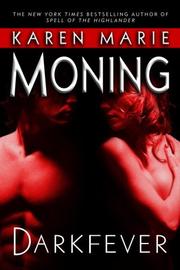
Darkfever
2,816-word summary 13 min read 309 pages in the book
- First published
- 2006
- Publisher
- Delacorte Press
- Pages
- 309
- ISBN
- 9780385339155
- Series
- Fever (#1)
Reading options
What's inside (8 sections)
I picked up Darkfever because a friend kept telling me it was the urban fantasy with fairies that actually felt scary. I expected something light about Dublin shops and romance. What I got was stranger and darker, a murder mystery that slides into Fae horror by page fifty. Karen Marie Moning published it on Oct 31 2006 with Delacorte Press as a 309 page first edition, and it opens the Fever series as book one. It follows MacKayla Lane, a blonde twenty two year old from small town Georgia who loses her sister and flies to Ireland to find answers.
Mac starts as the kind of girl who color codes her closet. She tends bar in her hometown, lives with her parents, loves pink and tanning and pop songs. She has never been out of the country. She has never thought much about death. Her older sister Alina went to Dublin for study and seemed to have the same sunny life, until Mac gets a call that Alina was found dead in an alley behind a pub, her body broken in a way the police cannot explain. The voicemail Alina left just before she died makes no sense. It sounds scared and rushed. Mac hears her sister whisper about danger and about a thing no one will believe.
That loss is what drives the whole book. Mac cannot accept the official line that a mugger did it. She flies to Dublin with a suitcase full of bright clothes and a photo of Alina, planning to ask questions for a week and go home. Her parents stay behind, gutted and quiet. Mac tells herself she will find the person who did it and then return to her old life.
Dublin does not cooperate. It rains. The streets feel old. The pub where Alina died looks normal in daylight, all wood and stout and low talk. The bar staff claim they saw nothing. The police are polite and tired. Mac walks the alley where her sister was found and feels sick. She starts showing Alina's photo around Temple Bar and the south side, getting shrugs.
Then she sees something she cannot explain.
The Girl Who Sees What Is Not There
Mac has always seen odd shimmers at the edge of vision. In Georgia she told herself it was heat or stress. In Dublin the shimmers get stronger. In a crowded pub she watches a man who looks handsome from one angle and wrong from another. His skin sags gray. His mouth opens too wide. He leans toward a drunk young woman and seems to feed as her face slackens and ages in front of him. No one else reacts. Mac freezes.
That is the Gray Man, one of the Unseelie that prey on beauty and youth. He sucks the life out of humans who get close, leaving them withered. Mac sees through his disguise while everyone else keeps drinking. She panics and runs outside.
An old woman on the street grabs her arm and hisses a name at her. She calls Mac O'Connor and tells her to stay off the dark streets and to find Barrons. Mac has no idea what O'Connor means. Her last name is Lane. She thinks the woman is drunk or ill. But the name sticks.
This is where the book shifts from sad family mystery to urban fantasy. Mac learns that what she took for bad eyesight is a power. She is a sidhe-seer, a human with the old blood that lets her see the Fae through glamour. Glamour, in Moning's glossary use, is the veil the Fae cast to look human to normal eyes. Most people see a handsome man in a coat. A sidhe-seer sees gray skin and hunger underneath. The Fae also use glamour on places and objects, hiding doors and books and marks. Mac hates learning this. She wanted a normal killer with a normal motive. Instead she gets a hidden population living alongside Dublin.
I liked this reveal because it reframes her sunny blindness. Early Mac is shallow on purpose. She judges by nails and shoes. Now the book forces her to look past surface beauty, since beauty in Dublin often means predator.
Barrons Books and Baubles
Everyone Mac asks about the weird side of Dublin points her, directly or not, to a bookstore. Barrons Books and Baubles sits on a quiet street, all dark wood and high shelves and expensive quiet. It looks closed even when it is open. Behind the counter stands Jericho Barrons, tall and still in a way that reads as threat. He is dark haired and strong and rude from the first line. He tells Mac she is in over her head. He tells her to leave. Then he tells her to stay and work for him if she wants to live.
Barrons becomes the engine of the plot. He knows about Alina. He knows what O'Connor means. He knows the Fae are moving in Dublin in a way they have not for a long time. He offers Mac protection and information, for a price. She will help him find a missing object of power. In exchange he will help her trace Alina's last weeks.
Their early scenes crackle because Mac is outmatched. She tries her Georgia charm. Barrons ignores it. She tries threats. He laughs once, without warmth. She tries to sneak around his shop and finds wards that burn her fingers. He has books behind glass that seem to whisper. He has weapons in drawers. He pays in cash and expects obedience. It is easy to see why readers either love him or bounce off him here. He orders Mac around, withholds facts, and watches her like an animal he has not classified yet.
Still, Barrons is useful. He tests Mac to prove she is a sidhe-seer. He shows her a Hallow and asks what she feels. Hallows, in the glossary sense Moning uses, are old Fae objects of great power that passed into human myth as cups and spears and stones. Some are Seelie made and bright. Some are Unseelie made and hungry. Barrons collects lore on them and guards his shop with pieces of that lore. Mac feels nothing from most objects, then feels a sick pull from one Unseelie item that makes her stomach turn. That reaction confirms her blood.
Barrons also gives her the basic map. The Fae split long ago into Seelie and Unseelie. The Seelie are bright and tricky and proud of their courts and light. The Unseelie are dark and varied, from low caste Shades that kill in the night to high born princes who can pass for models until they open their mouths. Both sides use humans. Neither side loves us. The old walls between human and Fae are thinning in Dublin, and something powerful is waking.
Mac does not absorb this all at once. She argues. She cries in the bathroom of the shop. She calls her parents and lies that she is fine. I found that part honest. She is twenty two and grieving, not a soldier.
Alina's Last Trail
The middle of the book follows Mac as she retraces Alina. She learns Alina was not the simple good time girl Mac remembered. Alina had also started to see through glamour. She had been scared for months. She had filled notebooks with names and places. She had visited Barrons too, though Barrons will not say much about what she asked.
Mac finds Alina's flatmate and friends. One girl remembers Alina dating someone secretive. Another remembers Alina asking about old stones and symbols. A professor barely remembers her at all, which hurts Mac more than rudeness would. The police file is thin. The alley had no camera. The wounds on Alina's body did not match a knife or a car. Mac keeps the autopsy words in her head and cannot sleep.
She also learns that O'Connor is not a mistake. The old woman in the street thought Mac was someone else, or thought Lane hides an older name. The sidhe-seers were once organized, with houses and lines and records. The name O'Connor ties to that lost network. Mac tries to find the old woman again and cannot. Dublin swallows people.
A few scenes here landed hard for me. Mac sleeps in Alina's old bed one night and smells her sister's shampoo in the pillow. She wears Alina's jacket to feel close and then hates herself for it. She keeps Alina's phone and replays the last voicemail. Moning lets Mac stay a sister first and a detective second, which keeps the fantasy from floating away.
At the same time Mac keeps seeing more Fae. She learns to spot the difference between a human and a thing wearing glamour by looking slightly away, then back. She sees a beautiful woman in a cafe whose reflection moves wrong. She sees a man on Grafton Street whose shadow has horns. She starts carrying a spear disguised as a walking stick that Barrons gives her, iron tipped, because iron burns the Fae.
The Lord Master and the Dark Book
Barrons is hunting a book. Everyone dangerous in Dublin is hunting the same book. It is called the Sinsar Dubh, a Dark Book of Unseelie making. It holds knowledge that can unmake walls and give its holder control over the Unseelie. It was lost long ago and now whispers to those who can hear it. Mac can feel it as a cold pressure at the base of her skull when she gets near places it has touched. That pull both helps and sickens her.
The rival hunter is called the Lord Master. He leads a cult of humans who want Fae power and Fae flesh. He promises his followers beauty and long life. He sends lesser Fae to do his work and kills without pause when crossed. Mac hears his name in pubs and in back rooms. She sees his symbol chalked on walls. Barrons warns her that the Lord Master wants the Sinsar Dubh to free the Unseelie fully into our world, which would end any balance that keeps humans alive in Dublin.
This threat gives the book its ticking clock. The walls are already weak. The Shades come out at night, dark mouths that live in shadow and eat humans who stray past streetlights. Mac almost dies to them once when she cuts through a dark lane to save time. Only Barrons pulling her into light saves her. After that she plans routes by lamps and shop windows like a local.
The Royal Hunters ride too, tall and silent on dark horses, moving through the city between times. If you hear hooves where no horse should be, you run. They take humans who cross them. Moning writes them as weather more than men, cold and fast and gone.
And then there is V'lane. He is a high Seelie prince, gold and perfect and lethal in a different way. He feeds on sex and death is tangled in his kiss. Human women die after nights with him, burned out by pleasure. He finds Mac interesting because she resists him longer than most. His scenes are uncomfortable on purpose. He offers help and asks for payment in intimacy. Mac wants information about Alina and hates that her body responds to his glamour even as her mind screams. I thought Moning handled this better than I feared. V'lane is not a boyfriend. He is a predator with manners, and Mac knows it.
The Sinsar Dubh stays off page for most of Darkfever, felt as nausea and static and bad dreams. Mac finds places where it was kept, rooms that feel oiled with evil. She finds humans who touched it and went hollow. Barrons gets closer, then loses the trail. The Lord Master gets closer too. Mac realizes Alina was killed because she got near this search, not because of a random attack.
Learning the Rules to Stay Alive
One strength of Darkfever is how it teaches Fae lore through use rather than lecture, though it still lectures too much in spots. Mac learns by almost dying.
She learns iron burns but does not always kill. She learns salt and light hold back Shades. She learns not to eat or drink what the Fae offer, since debt binds. She learns not to give her full name freely, since names have power among the old lines. She learns that Seelie light can be as deadly as Unseelie dark, just cleaner to look at.
Barrons drills her. He shows her how to sense Hallows by touch, how to clear a room by eye, how to walk without being followed. He takes her to Fae places that exist sideways to Dublin, alleys that are longer inside than outside. He shows her wards and tells her which ones she can pass because of her blood. Mac resents the lessons and needs them.
Dublin itself becomes a character. The Liffey runs gray green. The bookshop smells of leather and smoke. The pubs roar on match nights. The museums hold spearheads that hum to Mac now. She starts to love the city even as she fears it, which mirrors her feelings about the case. She wanted quick revenge. She gets a long education.
A small moment I kept thinking about: Mac buys cheap groceries and cooks in her rented room, trying to keep her Georgia routine, and the milk sours overnight because a Fae walked past her door. It is a quiet scare, no blood, and it works.
What Drags and What Shines
Let me be plain about the flaws, since they show early. Mac starts shallow. That is intentional, but Moning leans hard on pink and polish for the first hundred pages. If you dislike heroines who care about nails, you will want to quit before Dublin changes her. I almost did. Stick past the Gray Man scene. She grows.
Barrons reads as pure alpha in this first book. He barks orders and keeps secrets that get her hurt. The book frames his control as protection, and that will bother some readers. I bothered myself. I kept reading because Mac pushes back more as she learns, and because Barrons proves competent rather than just loud. Still, if bossy love interests turn you off, know he starts at full volume.
The book also info dumps. There are stretches where Barrons or V'lane stops the hunt to explain Seelie history or Hallows lore for pages. The glossary at the back helps, with clear entries for glamour and Hallows and castes, but the main text repeats some of it. I skimmed one long Seelie court speech and missed nothing.
What shines is pace in the last third. Once Mac accepts she is a sidhe-seer and stops trying to fly home, the search tightens. She sets traps. She follows Fae through glamoured doors. She finds one of Alina's hiding spots and understands her sister was braver than she knew. The Shades attack in force. The Lord Master's men close in. Barrons kills with calm efficiency that scares Mac even as she is glad he is on her side.
The ending does not solve Alina's murder fully. It names pressures and players and points to the Sinsar Dubh as cause, but Mac still lacks the full truth. She chooses to stay in Dublin and keep hunting with Barrons rather than return to Georgia. The search continues directly into Bloodfever, the second Fever book. That open door frustrated me at first, then felt right. This is book one of a long arc about the Dark Book and the walls coming down.
If you want a closed mystery, this will annoy you. If you want a series starter that builds a hunting pair and a city under siege, it sets the table well.
I closed Darkfever liking Mac more than I expected. She starts as a girl who thought evil looked ugly. She ends as a young woman who knows evil often looks perfect and speaks softly. She still loves bright colors. She still misses her sister with a physical ache. But she carries iron now. She checks shadows. She knows the name O'Connor may be hers in some buried way. She knows Barrons needs her sight to find the Sinsar Dubh before the Lord Master does. And she knows Dublin at night belongs to hunger, with Seelie light on one side and Unseelie dark on the other, and humans caught between.
For a 309 page opener from 2006, it moves fast once the lore settles. Read it for Mac and Barrons circling each other, for Dublin streets that hide Fae doors, for the Gray Man pub scare and the Shades in the dark and V'lane's chill offer. Stay for Bloodfever if you need Alina's full answer. I did.
FAQ
When was Darkfever published?
It was published October 31, 2006 by Delacorte Press. The first edition runs 309 pages with ISBN 9780385339155.
Is Darkfever part of a series?
Yes. It is book one in the Fever series, followed by Bloodfever, with Mac and Barrons hunting the Sinsar Dubh.
Who are the main characters?
MacKayla Lane, a Georgia sidhe-seer, Jericho Barrons of Barrons Books, and the Gray Man who reveals her sight.
Similar books
More from Fever first, then related titles.
Bloodfever
Mac hunts the Sinsar Dubh in Dublin while Barrons tests her.
2,124-word summary · 9 min read
Dreamfever
With the walls between worlds down and Mac broken by the Fae, Dreamfever is the darkest volume of the Fever series, and the one that changes everything.
2,007-word summary · 9 min read
Shadowfever
Mac Lane hunts the Sinsar Dubh in Dublin as Fae walls fail and Barrons secrets surface.
3,016-word summary · 13 min read
Wicked Lovely
Aislinn sees faeries and must decide whether to become Summer Queen while loving mortal Seth.
2,059-word summary · 9 min read
First Grave on the Right
Charley Davidson is a private investigator in Albuquerque and the grim reaper. When three murdered lawyers come back as ghosts, her two jobs collide.
2,770-word summary · 12 min read

The Lost Sisters
Taryn Duarte writes a letter to her twin, Jude, explaining how she fell for Locke and why she stayed silent while he used them both.
1,914-word summary · 9 min read

Magic Burns
A magic flare hits Atlanta, and mercenary Kate Daniels must recover stolen maps, find a missing witch, and keep a teenage girl alive while Celtic gods try to…
2,021-word summary · 9 min read
At Grave's End
Cat and Bones face Max, a zombie-raising ancient vampire, and a prophecy that ties their marriage to Patra's death in the third Night Huntress novel.
2,061-word summary · 9 min read
Circus of the Damned
A rogue master vampire arrives in St. Louis and Anita Blake is caught in an undead turf war, with a science teacher in the crossfire.
2,757-word summary · 12 min read
Paranormalcy
A teenage agent who can see through glamour falls for a shape-shifter and learns the agency she works for is hiding her true nature.
2,041-word summary · 9 min read

Lore
Lore Perseous, the last of a hunted bloodline, is pulled back into the Agon when a wounded Athena offers her revenge against the god who killed her family.
2,188-word summary · 10 min read
House of Salt and Sorrows
Annaleigh Thaumas investigates her sister's death in a cursed island manor where the balls are illusions and the sea god is always listening.
2,025-word summary · 9 min read
Tithe: A Modern Faerie Tale
A retelling of Holly Black's Tithe: Kaye Fierch returns to the Jersey Shore, discovers she is a changeling, and becomes the mortal sacrifice in a faerie power…
2,586-word summary · 11 min read
Ghost Story
Dead but not gone, Harry Dresden returns as a spirit to find his killer, protect the friends he left behind, and learn why the afterlife gave him a second…
1,978-word summary · 9 min read
Cold Days
Back from the dead as the Winter Knight, Harry Dresden must follow Mab's order to kill an immortal and defend Demonreach on Halloween night.
2,361-word summary · 10 min read
Deadlocked
A dead woman on Eric's lawn starts a murder investigation, a vampire queen wants Eric as her consort, and the fairies in Sookie's life close in.
2,885-word summary · 13 min read

Bitten
Elena Michaels is the world's only female werewolf, and keeping that world away from her human life in Toronto works fine until the Pack calls in a favor.
2,039-word summary · 9 min read
Turn Coat
Morgan asks Harry for sanctuary as the Council calls him traitor.
2,590-word summary · 12 min read
Small Favor
Harry owes Mab a favor and must find Marcone while Denarians hunt a holy girl.
2,741-word summary · 12 min read
Silver Borne
Mercy hides a Fae book while Samuel slips and the fae close in.
2,571-word summary · 11 min read
One Foot in the Grave
Cat hunts vampires with Bones while her Sire plots from the grave.
2,200-word summary · 10 min read

Cry Wolf
Omega Anna joins Charles to hunt a rogue werewolf in Montana.
2,463-word summary · 11 min read
White Night
Wizard Harry Dresden hunts fear-feeding White Court killers preying on Chicago's minor talents, reunites with Elaine Mallory, and faces a coup at Chateau Raith.
2,521-word summary · 11 min read
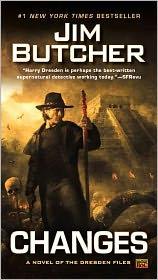
Changes
Harry Dresden learns he has a seven-year-old daughter Maggie, hidden for years. The Red Court seizes her for a bloodline rite, forcing him toward Chichen Itza.
2,855-word summary · 13 min read

Belladonna
Poison-immune orphan Signa Farrow hunts a gothic killer at Thorn Grove with Death as ally and suitor, while cousin Blythe fades and her ghost mother asks for…
2,868-word summary · 13 min read
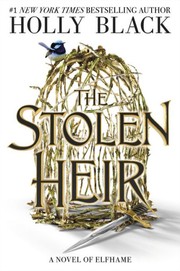
The Stolen Heir
Feral ex-queen Suren joins Prince Oak on a frozen quest to stop her mother, Lady Nore.
2,305-word summary · 10 min read

The Iron Daughter
Exiled with Ash after the scepter theft, Meghan hunts the Iron stronghold as iron magic wakes inside her.
2,995-word summary · 13 min read
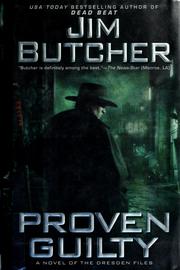
Proven Guilty
Warden Harry defends teen Molly from White Council while fear phages stalk con.
2,068-word summary · 9 min read
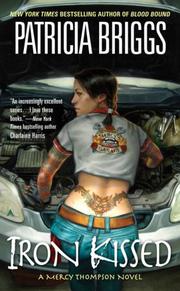
Iron Kissed
Mercy repays Zee by hunting a fae killer, clears his name, and finally chooses between Adam and Samuel.
2,944-word summary · 13 min read