
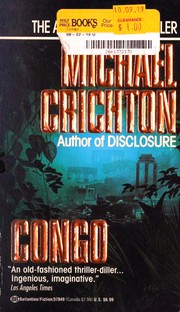
Congo
3,013-word summary 13 min read 316 pages in the book
- First published
- 1980
- Publisher
- Ballantine Books
- Pages
- 316
- ISBN
- 9780345378491
Reading options
What's inside (8 sections)
I came to Congo late, after Jurassic Park and Sphere, with a simple question. Could Crichton make gorillas and diamonds as gripping as dinosaurs. Congo was first published in 1980, and the edition I am citing is Ballantine Books, 316 pages, ISBN 9780345378491, author Michael Crichton. It follows Karen Ross and a small expedition into the Congo rain forest to find a lost city called Zinj and the diamond field tied to it, bringing along Amy, a gorilla who uses sign language, straight into country held by strange grey gorillas and shadowed by a volcano. I read it across four nights and had a great time, with a few clear gripes. It feels exactly like early Crichton, fast, dense with procedure, and a little cold toward its people.
The hook lands right away. An expedition sent to the eastern Congo has gone quiet. The last transmissions show something wrong at the camp, then nothing. Back in the United States, Karen Ross, young and driven and working for a company hungry for diamonds with industrial value, pushes to go back in. She is not written as a seasoned explorer so much as a smart systems thinker who trusts planning and gear. She reads data well and people less well, at least at first. I liked her competence and braced for her blind spots. Crichton likes this type, the expert who learns that the field does not follow the manual.
Then there is Amy. She is the reason the book has heart. Amy is a female lowland gorilla who has lived with researchers in America and learned a large vocabulary of signs. Her trainer and researcher, Peter Elliot, has worked with her for years and cares for her in a way that feels parental and scientific at once. Amy paints, asks for treats, sulks, jokes in the limited way signing apes in stories do, and wants to visit the wild place she half remembers. Elliot wants to return her to a safe forest setting and study how she adjusts. Ross wants Amy for a different reason. Amy keeps drawing pictures of a lost place and signing about it, and those drawings look uncomfortably like the ruins the company seeks. So Amy joins the expedition, part mascot, part guide, part living proof that the forest holds more than maps show.
A silent camp and a fast new plan
The opening stretch moves like a thriller and a briefing at once. We get the lost expedition in fragments, broken messages and still images that suggest violence rather than equipment failure. Crichton does not linger on gore. He lingers on logistics. What was sent. What stopped answering. What the last data showed. Then we meet the machinery of response, funders and planners arguing about whether to write the loss off or send Ross in fast before a rival group gets there first. I will keep the rival outfit general here, since my memory of its exact shape is soft, but the pressure it creates is constant. Speed matters. Whoever reaches the diamond ground first sets the terms.
Ross assembles a small team built for pace rather than comfort. Elliot comes because Amy will only travel with someone she trusts, and because he will not hand her to strangers. A seasoned guide, Munro, signs on to handle the route, the porters, the bribes and borders and river craft that no satellite can smooth over. Porters and local helpers round out the group, underwritten by Crichton in a way that now reads thin, more on that later. Gear gets packed with loving detail, food, medicine, tents, batteries, field computers, radios and satellite links for sending data home. Crichton clearly loves this stuff. Pages that other writers would spend on feelings he spends on weight limits and charge cycles. I found it fun in small doses and heavy in large ones.
The plan, as Ross lays it out, sounds clean. Fly in stages toward the forest edge. Move upriver and then on foot. Reopen the silent camp if possible. Push on to the coordinates tied to Zinj. Find the diamond field. Get out before weather, politics, or rivals close the window. Amy's drawings get treated as a loose map rather than proof, which felt right. Nobody says the gorilla will lead them to treasure. They say her interest lines up with the target area, and that is enough to bring her along. Elliot agrees with conditions about her safety that Ross accepts quickly and, I suspected, loosely.
Amy, Elliot, and why they matter
Amy carries the middle of the book emotionally, and Crichton knows it. Her signing scenes are the warmest pages here. She asks for food and attention. She teases Elliot. She signs about fear when the forest gets loud. She draws the same ruined shapes again and again, with a focus that unsettles the adults. Elliot reads her like a father and a scientist at once, proud of her vocabulary, worried about what she understands, careful about what he asks her to do. Their bond gives the expedition a moral weight it would otherwise lack. If Amy is hurt, the mission fails in a way no diamond can fix.
Elliot himself is likable but lightly drawn. He is patient, observant, out of his depth in the field, and brave in the specific way of people who act for someone smaller. He fusses over Amy's diet and sleep. He argues with Ross about pace and risk. He learns to carry and walk and keep quiet. I wished Crichton gave him more interior life. We get his actions and his notes, less of his doubt. Still, in a book full of operators, Elliot reads as the conscience, the one who keeps asking what the group owes Amy and what Amy might be owed by the forest she came from.
Ross and Elliot clash in the useful way of thriller pairs. She wants speed and signal. He wants care and quiet. She talks in schedules. He talks in behavior. Early on she wins most arguments because she holds the money and the map. Later the forest starts voting for Elliot, because animals do not follow timelines. Their arguments about Amy, whether to push her, whether to show her drawings around, whether to let her roam near camp, set up the book's best theme. Knowledge has a price, and the person paying is not always the person who ordered it.
Munro, the guide, rounds out the lead trio with experience and dry humor. He has run routes like this before and treats Ross's tech with amused respect. He checks boots and hires and moods. He knows which official needs a form and which needs a fee. He likes Amy more than he expected and hides it badly. Crichton writes him as capable without turning him into a superhero, which I appreciated. When things go wrong, Munro works the problem instead of speechifying. Readers who like the competent guide figure will enjoy him, even if his past stays sketchy by design.
Upriver into green dark
The travel section is where the book both breathes and sags. Getting to the forest takes stages, planes and trucks and boats, each with its own delay. Crichton piles on procedure, permits, fuel, spare parts, river levels, radio checks. Some of this builds dread well. The deeper they go, the thinner the link home becomes, and Ross hates that. Messages that once took minutes start taking hours. Weather closes in. The river narrows. The trees rise higher. I felt the world shrinking around the team in a good way. Adventure stories need this compression, and Crichton delivers it.
At the same time, this middle runs slow. The party walks, camps, waits out rain, fixes gear, walks again. Porters grumble. Supplies run short in familiar ways. Amy gets bored and then scared. Elliot soothes her. Ross pushes. Munro smooths. Days pass with little new information about Zinj or the silent camp. I caught myself flipping ahead to check how many pages until the ruins. That is never a great sign, though I will say the slowness serves a purpose. When the forest finally shows teeth, the team is already tired, which makes every later choice harder. Still, a firmer cut of twenty or thirty pages here would have helped. The 316 pages feel longer than they are in this stretch.
Crichton seeds unease through small details rather than big scares. A campfire story about grey shapes. A porter who will not walk a certain path after dark. Broken gear at the silent camp that looks smashed rather than worn. Faint signs on trees. Amy signing fear words without prompting. Elliot notices her drawings change as they get closer, more urgent, less playful. Ross logs it all and keeps moving. I liked how the book lets dread build through field notes and behavior instead of monsters jumping out. It trusts the reader to feel watched.
Zinj and the diamond floor
The lost city of Zinj arrives as ruins more than spectacle, which suits Crichton's style. Broken walls under growth. Worked stone where no work should be. A layout that suggests streets and gates. And everywhere, the glitter that explains the whole mission, a diamond field rich enough to matter to companies back home. The book frames these stones as valuable for industrial and electronic use, which is why funders care. Crichton keeps the geology general enough for a lay reader, and I will do the same here rather than risk false precision. Enough to say the ground itself is the prize, and the ruins sit on top of it like a warning.
Exploration scenes here are strong. The team maps walls, photographs carvings, tests soil, marks safe paths. Ross lights up in a way she has not since the start, because data is flowing again. Elliot watches Amy closely, since she goes quiet in a way he has not seen. Munro sets watches and counts heads. Porters grow restless. Night brings sounds that field guides do not cover. Crichton writes this stretch with the confidence of a writer who loves smart people doing careful work under pressure. I read these chapters fastest, excited and uneasy at once.
The grey gorillas change everything. They are not like Amy. Larger, grey furred, aggressive, active at night, and organized in ways that unsettle Elliot as a scientist. They probe the camp, test defenses, learn fast. An attack is not mindless. It feels planned, with feints and retreats. The team realizes the ruins are not empty. Something lives here and guards the ground. Crichton keeps the biology general, breeding and training hinted at rather than explained, which is wise. The less he claims, the scarier they read. Amy's fear confirms what instruments cannot. She knows these shapes. She does not want to meet them.
Defense becomes the new mission. The team turns camp tech toward survival, lights and noise and barriers, plus a few field devices meant to deter animals. I will keep these general on purpose, since the exact specs read as 1980 ideas of the future and pinning them down adds little. What matters is the pattern. Each trick works once. The grey gorillas adjust. The team sleeps less. Ammo, batteries, and nerve run down together. Elliot begs Ross to leave the stones and go. Ross keeps calculating how much proof she needs to make the trip pay. Munro starts planning an exit whether Ross orders it or not. The tension among the living becomes as sharp as the threat outside the wire.
Night attacks and hard choices
The siege chapters are the best action in the book. Crichton stages night assaults with clarity, who stands where, what fails, what it costs. The grey animals come in rushes, testing one side of camp and then another. Lights help until they do not. Noise helps until the animals time their moves between bursts. A barrier holds, then a post gives. Someone freezes. Someone else covers. Amy signs warnings that Elliot translates in shouts. Ross, to her credit, stops theorizing and works, carrying and running and making fast calls. Munro holds the line with the calm of a man who has seen plans die before.
Losses mount without turning the book into a body count exercise. Porters slip away in the dark, some injured, some simply gone by morning. Gear breaks at the worst moments. A defense device fails when it is needed most. A second one works too well and draws attention. Crichton keeps the violence blunt rather than lingering, which fits his cool style but also keeps the grey gorillas at a distance. I wanted one close, quiet scene with them, something observed rather than fought, to make them more than attackers. The book gestures at their intelligence and social order without pausing long enough to make it land. That choice keeps pages turning but leaves the central wonder a little hollow.
Amy's role sharpens here in ways I found moving. She is terrified and still tries to help, warning Elliot, staying close, signing about the grey ones with a disgust that feels learned rather than instinctive. Elliot faces the choice he dreaded, using Amy as a bridge or shielding her at the cost of information. He mostly shields her, which cost him Ross's patience and earned mine. One scene where he covers Amy's eyes during a bad minute stayed with me. It says more about field science and care than any lecture could. Whatever else dates in this book, that bond holds up.
Ross grows on me in this stretch even as she frustrates. Her drive put everyone in danger, and she knows it, but she does not collapse into guilt. She recalculates. Less stone. More proof. Faster exit. She starts listening to Munro about ground truth and to Elliot about Amy, which is growth for someone who began the trip treating people as variables. Crichton never turns her soft, and I am glad. She stays ambitious and prickly. She just aims that ambition at getting her people out alive rather than filling every sample bag. That shift feels earned because it is partial, not total.
Volcano, exit, and what dates the book
The volcano has been grumbling for chapters, and Crichton cashes that check at the end. The ground shakes. Ash drifts. The sky changes color. The grey gorillas grow restless in a new way, less interested in the camp and more in flight. The team reads the signs the way tired people do, slowly and then all at once. Staying means burial. Leaving means abandoning the prize and maybe the only route out. Ross makes the call to go light and go now, stones as samples rather than loads. Munro gets them moving. Elliot gets Amy moving. The ruins empty behind them as the mountain takes over.
The escape reads fast and dusty. Paths vanish under ash. The river runs strange. Gear gets dumped. Hands get burned. Amy panics at the noise and Elliot talks her through it step by step, the way he has all book. There is no grand last stand against the grey animals, which disappointed me a little and also felt right. Nature ends the siege, not heroics. The volcano does what no defense device could, clearing the field by burying it. Crichton likes endings where human plans meet forces that do not negotiate. This one fits that taste. The team gets out with enough proof to matter and enough loss to keep it from feeling like victory.
Now the fair criticism, stated plainly. The tech has dated hard. Field computers, satellite links, and camp defense devices that must have felt near future in 1980 now read as bulky and quaint. Younger readers may smile at the weight Crichton gives to tasks a phone could now handle. I did not mind much, since the book is a period piece whether it meant to be or not, but long passages about transmission windows and battery math drag for modern readers. The middle travel section sags as noted, and the characters outside the big three stay thin. Porters and company men read as functions. Even Elliot and Munro could use more past. Ross gets the most interior attention and still feels designed more than lived in.
Pacing is uneven in a way Crichton fans will recognize. Fast start, slow middle, frantic finish. The Zinj chapters and siege nights move beautifully. The river chapters test patience. Dialogue is functional rather than sparkling, heavy on plans and readings. Humor is dry and rare. The prose rarely rises, but it rarely stalls into purple either. It aims for clarity and mostly gets it. Readers who want rich sentences should look elsewhere. Readers who want a smart jungle thriller with a real sense of procedure will be fed.
Who should try it. Fans of techno thrillers, jungle adventure, and animal behavior stories will find plenty. It pairs naturally with Jurassic Park as an earlier sketch of Crichton's interests, smart teams, living systems that punish arrogance, corporate money pushing field risk. Content notes include expedition violence, animal attacks, injuries and deaths, guns and camp weapons, mild language, no graphic gore by modern standards. Readers sensitive to animal harm should know Amy is threatened and frightened but written with care, and the grey animals are killed in defense scenes. The book sides with Amy throughout, which helped me through the rougher nights.
Practical facts held as I read. First published in 1980, cited here in the Ballantine Books edition, 316 pages, ISBN 9780345378491, author Michael Crichton, no series. The summary above follows that text and keeps field tech general rather than risking false specs. The core never wavered. A driven expedition leader. A signing gorilla going home. A lost city with diamonds under it. Grey shapes in the dark. A mountain waking up. I liked it more than I expected, forgave the slow river, and closed it thinking about Amy. A fast jungle thriller with dated gear and a live heart, best read as adventure first and science second.
FAQ
When was Congo published?
It was first published in 1980. The edition cited here is Ballantine Books, 316 pages, ISBN 9780345378491.
Who leads the expedition?
Karen Ross leads it, with Amy the signing gorilla, her researcher Peter Elliot, and a seasoned guide.
What is the lost city in the book?
Zinj, a ruined city in the Congo forest sitting over a diamond field and guarded by grey gorillas.
Similar books
Jurassic Park
Hammond clones dinosaurs on Isla Nublar and invites Grant, Sattler and Malcolm to certify safety before opening.
2,388-word summary · 11 min read
The Lost World
Malcolm lives after all and returns to Site B where engineered herds eat themselves and Dodgson steals eggs.
2,075-word summary · 9 min read
Prey
Jack Forman takes a contract job at a Nevada lab in Michael Crichton's 2002 thriller Prey, where self replicating nanoparticle swarms have started hunting on…
2,959-word summary · 13 min read
Sphere
A Navy team finds a centuries-old spacecraft on the Pacific floor, and psychologist Norman Johnson faces what its sphere wakes in minds.
2,275-word summary · 10 min read
Timeline
Historians testing a quantum fax get stuck in 1357 France and must survive siege and swords.
2,109-word summary · 9 min read
Upgrade
A Gene Protection agent is infected with an upgrade virus that makes him stronger and faster than human, and only he can stop his sister from releasing it on…
2,166-word summary · 10 min read
Altered Carbon
Kovacs wakes in a new sleeve to solve a rich man's own murder.
2,231-word summary · 10 min read
Cryptonomicon
Codebreakers in World War II and hackers in the 1990s chase gold, ciphers, and a secret data haven.
2,280-word summary · 10 min read
Warcross
Emika Chen glitches into the Warcross Tokyo championship, joins the Phoenix Riders to hunt the masked Zero, and must face Hideo Tanaka's plan to read minds for…
2,826-word summary · 13 min read
Leviathan Wakes
A destroyed ice hauler, a missing heiress, and an alien growth pull a crew and a tired detective toward war across the solar system.
3,653-word summary · 16 min read
Dark Matter
Abducted from his Chicago family, Jason Dessen wakes in a life he never chose and fights through worlds to return.
2,707-word summary · 12 min read
The Andromeda Strain
A town dies in seconds, and a sealed lab team races a germ that learns to eat seals.
2,013-word summary · 9 min read
Prelude to Foundation
A young Hari Seldon arrives on Trantor with a theory he cannot yet prove, and a hunt through the planet-city forces him to turn psychohistory into a real…
2,013-word summary · 9 min read
The Diamond Age: Or, A Young Lady's Illustrated Primer
A stolen nanotech primer raises a poor girl in 22nd-century Shanghai, and Neal Stephenson turns her education into an argument about class, freedom, and who…
2,055-word summary · 9 min read

Archenemies
Nova steals for the Anarchists while Adrian hides his Sentinel identity, and a serum that erases prodigy powers puts them both at risk.
2,485-word summary · 11 min read
Carve the Mark
On a planet divided between conquered and conqueror, the tyrant's sister and a kidnapped oracle's son discover that their gifts make them useful to everyone…
2,340-word summary · 10 min read
Sleeping Giants
A girl falls into a field and lands in a giant metal hand. Years later a secret team assembles the rest of the machine, and it chooses its own pilots.
2,466-word summary · 11 min read
Leviathan
In an alternate 1914, a prince on the run and a girl disguised as a soldier meet aboard a living airship.
2,406-word summary · 11 min read
Consider Phlebas
The first Culture novel follows a spy for the opposing side, a man hired to hunt a fugitive through a war between an anarchist post-scarcity utopia and a…
2,350-word summary · 10 min read
Starsight
Spensa Nightshade goes undercover aboard the Superiority space station Starsight to steal a hyperdrive, and finds a frightened bureaucracy where she expected…
2,568-word summary · 11 min read
Saving the World and Other Extreme Sports
Max and the flock split in two to take down the lab behind their lives, one half in California and the other in Europe.
2,175-word summary · 10 min read
Network Effect
Murderbot's contract job turns into a rescue mission when a hijacked research ship and a colony of corrupted colonists appear.
2,256-word summary · 10 min read
Heir to the Empire
Grand Admiral Thrawn returns from the Unknown Regions and outmaneuvers the New Republic while Luke, Leia, Han and smuggler Talon Karrde race him toward…
2,323-word summary · 10 min read
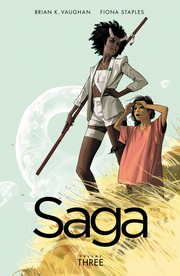
Saga, Volume 3
Marko, Alana, and Hazel hide on the planet Quietus with the reclusive author who inspired their romance, while assassins and a prince close in.
1,989-word summary · 9 min read
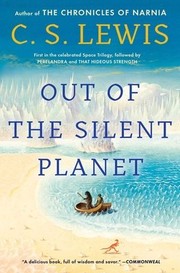
Out of the Silent Planet
A Cambridge philologist is kidnapped and taken to Mars, where the natives are civilized and the humans are the dangerous invaders.
2,612-word summary · 12 min read
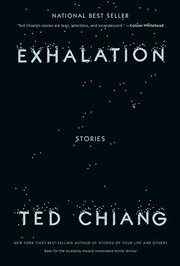
Exhalation
Ted Chiang's second collection contains nine stories about time, memory, free will, and artificial minds, told with clarity and moral seriousness.
2,075-word summary · 9 min read
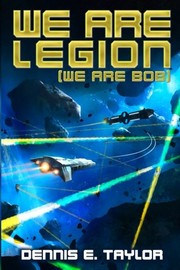
We Are Legion (We Are Bob)
A dead software engineer wakes up as a self-replicating space probe, clones himself into a squabbling fleet of Bobs, and tries to keep a ruined Earth alive.
2,357-word summary · 10 min read

Never Fade
Ruby, now a leader in the Children's League, must track down the boy whose memories she erased, because he holds the only proof of what caused the disease that…
2,188-word summary · 10 min read
Nemesis Games
The Rocinante crew scatters across the solar system just as Marco Inaros and the Free Navy bombard Earth. The Expanse reaches its turning point.
2,506-word summary · 11 min read