
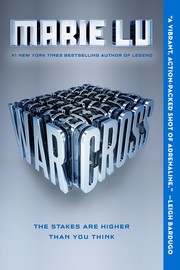
Warcross
2,826-word summary 13 min read 353 pages in the book
- First published
- 2017
- Publisher
- G. P. Putnam's Sons
- Pages
- 353
- ISBN
- 9780399547966
- Series
- Warcross (#1)
Reading options
What's inside (9 sections)
I picked up Warcross on a rainy weekend because a friend who watches esports told me it reads like a tournament broadcast with a thriller tucked inside. She was right about the energy. Marie Lu published this book in September 2017 with G. P. Putnam's Sons, and the edition I am summarizing runs 353 pages. It is the first book in the Warcross duology, followed by Wildcard, and it follows a young hacker who stumbles into the biggest game on the planet. I finished it in two sittings, mostly because I wanted to know who was lying to whom.
The hook is simple and strong. In the near future, almost everyone plays Warcross, a virtual reality game played through glasses called the NeuroLink. You put them on and the world layers over our own. Streets fill with players chasing power-ups. Stadiums sell out. Millions watch the official championship in Tokyo. The creator is Hideo Tanaka, a young billionaire who runs Henka Games, and he is treated like a mix of tech founder and rock star. Into that bright, loud world walks Emika Chen, eighteen, broke, and very good with code.
Emika lives in New York. Her father is gone. Rent is late. She works as a bounty hunter, which in this world means tracking down people who bet illegally on Warcross games and turning them in for reward money. She is good at finding people online, good at cracking cheap locks and cheap lies, and bad at staying out of debt. Early scenes show her counting dollars, dodging her landlord, stealing wifi where she can, and trying to keep her late father's memory close without letting grief slow her down. Lu writes her as quick and stubborn, funny when she is nervous, and reckless when she sees a chance.
The bounty hunter and the bad bet
The opening chapters do a nice job of grounding the science fiction in money stress. Emika needs cash. She takes a job chasing a man who placed illegal bets. She follows his trail through message boards and payment apps, finds him in a crowded place, and makes the grab. The sequence moves fast and shows how she thinks. She notices small tells. She improvises when a door is locked. She talks her way past people who are bigger than she is.
What makes her different from a standard hacker hero is the mix of skill and need. She is not hacking for fun. She is hacking because the power bill is due and the fridge is close to empty. When she sees that a rare and valuable power-up, called the Infinity Dagger in tournament chatter, has appeared during the opening match of the Warcross championships, she sees a way out. If she can pull the item out of the game stream and sell it on the gray market, she can clear her debts.
So she tries something stupid. During the live match, watched by millions, she runs an exploit she built, cracks into the spectator layer of the game, and reaches for the item. The code slips. Instead of grabbing the item quietly, she glitches directly into the middle of the arena in Tokyo, in front of both teams, while the cameras are rolling. Play stops. Commentators go quiet, then loud. Her face is everywhere within minutes.
I liked this opening because it is visual and a little embarrassing in a human way. Emika does not enter like a chosen one. She falls into the spotlight by accident and everyone sees it. She expects a lawsuit. She gets a phone call instead.
The call from Hideo Tanaka
Hideo Tanaka calls her to Tokyo. He is young, controlled, polite in a way that feels rehearsed, and clearly used to being the smartest person in the room. He built Warcross with his company Henka Games after years of work on the NeuroLink, and he guards the system like a parent. He tells Emika she broke the law by hacking the game, and then he offers her a job.
Someone called Zero has been breaking into Warcross from the inside. Accounts have been drained. Private data has been copied. Someone even tried to hurt Hideo. The attacks line up with tournament matches, which suggests the culprit is close to the games. Hideo wants Emika to go undercover as a player, join the competition, watch the other competitors, and find Zero before the championship ends. In exchange he will pay her enough to erase her debts and give her a fresh start.
Emika says yes because she has no better option, and because Hideo is hard to refuse. He is calm when everyone else panics. He remembers small details about her file. He looks at her like he already trusts her, which makes her want to earn it. Lu leans into the attraction early. He walks her through Henka headquarters. He shows her labs where designers build new levels. He gives her a custom avatar and a place to stay. It feels like a fairy tale with security badges.
There is a catch, of course. She cannot tell anyone on her team why she is really there. She has to play well enough to stay in the tournament, spy well enough to catch a ghost, and lie well enough that her new friends do not notice.
Joining the Phoenix Riders
The middle of the book becomes a sports story. Emika enters the Wardraft, where team captains pick wildcards to fill their rosters, and she is picked first. She joins the Phoenix Riders, one of the top teams in Tokyo. Practice starts almost at once. The team has a house, coaches, workout schedules, matching jackets, and fans who wait outside for photos.
Her teammates are written broadly but with enough color to keep them distinct. Asher is the captain, focused and serious, protective of the team image. Hammie is loud and warm, quick with jokes, the kind of player who keeps morale up when practice runs long. Roshan is steady and kind, the one who explains plays without making Emika feel small for asking. They do not trust her at first, because she is new and famous for the wrong reason, but they respect hustle, and Emika hustles.
Games in Warcross are played in large arenas that the NeuroLink paints over. One match might take place on a floating platform above a city. Another might use an old temple with traps and hidden doors. Each team protects its Artifact, a gem that must be kept from the other side, while chasing power-ups that grant speed, shields, fire, flight, or stranger effects. The rules shift a little each round, which keeps players and viewers alert. Lu describes the action in short bursts. Emika runs, jumps, calls out positions, throws a shield over a teammate, misses a shot she should have made, learns the timing of a new power-up the hard way.
I found these chapters fun but long. If you like game logic, you will enjoy learning how each Artifact can be moved and hidden. If you came for the mystery, you may start skimming play by play to get back to Zero. That pacing issue stays for a good stretch. Tournament follows tournament, practice follows party, and the spy plot moves in small steps between matches.
Still, there are good character beats here. Emika bonds with Hammie over food and bad sleep. She earns Asher's respect by taking a hit to protect the Artifact. She learns how Roshan reads a map. She starts to feel guilty about spying on people who are becoming friends, which is exactly the tension the book needs.
Zero in the Dark World
The spy thread sharpens when Emika starts watching a fellow wildcard named DJ Ren. Ren is talented and private, and he has wrapped his personal data in shields that should not exist in normal play. Emika pulls a thread of code from one of those shields and shows it to Hideo. He tells her it points to the Dark World, a hidden layer of Warcross where criminals meet under fake faces to sell stolen accounts, drugs, weapons, and worse.
Lu writes the Dark World as a night market. Stalls float in dark space. Sellers wear masks. Buyers pay in untraceable credits. Emika goes in under cover and sees Ren there, talking quietly with a figure in a black mask and cracked glass effect. That figure is Zero.
Zero speaks to Emika directly at one point during a match, appearing where he should not be able to appear. He knows her name. He knows she works for Hideo. He offers her a different story about what is happening. He says Hideo is not protecting players. He is planning to use them. Emika refuses to listen, partly from loyalty and partly from fear, and Zero warns her that refusing has a cost. The scene is short and creepy in a good way. For the first time the game feels unsafe.
After the Phoenix Riders win an early match, the stadium lights cut out. Emika panics and messages Hideo that an attack may be coming. He gets out safely, but his team wants him to leave Tokyo. He refuses. Later, in a quiet scene away from cameras, he tells Emika about his younger brother Sasuke, who vanished when they were kids. Hideo built early versions of the NeuroLink while searching for ways to keep people safe, to remember, to never lose anyone again. The story of two brothers hiding painted eggs for each other to find becomes, in Hideo's telling, the seed for all of Warcross. He cries. Emika holds his hand. The romance that had been hinted at becomes open.
I believed Hideo's grief, even when I doubted his plan. Lu gives him a soft voice when he talks about Sasuke, very different from his press voice. Emika, who lost her own father, recognizes that kind of hole. Their bond makes sense on that level, two people who lost family young and tried to code their way out of pain. As a love story on a deadline, though, it moves fast. They have known each other days, under false pretenses, while she is on his payroll. The book treats it as fated. I read it as rushed.
Bombs, bans, and bugged power-ups
The back third piles on trouble. Photos of Emika and Hideo leak. Fans and reporters swarm. Her teammates feel blindsided because she kept secrets, even if she cannot explain which secrets. An argument in the team house turns sharp. Asher accuses her of using the team for fame. Hammie tries to calm everyone down. Roshan watches Emika with hurt eyes. Before they can fix it, an explosion tears through the dorm. Emika wakes in a hospital with ringing ears and a dry mouth.
Henka moves quickly. Emika and Ren are disqualified from the tournament to protect the brand. Hideo ends her contract, pays her what he promised, and asks her to stay away from the finals for her own safety. It feels cold after everything tender between them, and Emika feels the sting.
Then a teammate from a rival squad sends her a clip. In it, Ren and Zero talk about planting bugged power-ups across the final map. Anyone who grabs one can be tracked, frozen, or worse. The finals are days away. Emika has money now, skills, and no permission. She decides to go back in anyway.
She buys clean power-ups with her bounty funds, builds a fresh exploit, and glitches into the final match to feed her old team safe items without touching the trapped ones. The sequence is tense and a little absurd, in the way heist scenes are. She times her jumps between camera sweeps. She drops shields at the exact second Hammie needs them. She watches Asher carry the Artifact through smoke while Roshan clears a path. The Phoenix Riders win. The crowd screams. Then Zero spawns on the field, looks straight at Emika through his mask, and warns her again about Hideo.
This is where the book finally puts its cards down. Hideo meets Emika privately and explains what the next version of the NeuroLink will do. The glasses will be replaced by contact lenses that sit closer to the brain. With that link, Henka will be able to read intent and stop crimes before they happen by freezing a person who plans harm. No more kidnappings like the one that took Sasuke. No more murders like the one that took Emika's father. Just a quiet pause, applied from above, for everyone's good.
Emika is horrified. She understands the appeal at once, which is why it scares her. A system that can stop a crime before it happens can also stop a protest, a runaway, a private choice. Who decides what counts as danger. Who watches the watcher. How long before safety becomes control. Hideo truly believes he is saving the world. Emika sees a cage with soft walls.
The choice and the road to Wildcard
The last twist lands hard. Emika studies footage from the final and finds a flaw in Zero's code, a small loop she recognizes because it looks like something a grieving kid would leave in. She traces it back and learns that Zero is Sasuke Tanaka, Hideo's lost brother, alive, grown, angry, and determined to burn Hideo's plan down from inside the game he helped inspire. The masked hacker is not a stranger. He is family.
Zero texts her one more time and asks her to join him. Hideo asks her to trust him and let the plan go forward. Emika stands between two brothers who both claim to protect people, one by watching everyone all the time, the other by tearing the system apart even if innocents get hurt in the fall. She does not fully side with either. She exposes enough of the truth to stop the immediate rollout, protects her team where she can, and walks away from Hideo with a broken heart and a clear head. The book ends with the championship decided but the larger fight open, leading straight into Wildcard.
That ending saved the book for me. The love story had been too smooth, the tech too vague, the middle too full of matches. But the final question is solid. If you could stop bad things before they happen by letting one company read minds, would you. Lu lets Emika say no without making Hideo a cartoon villain. He is kind in person and frightening in scale, which is a hard mix to write and worth sitting with.
What works and what wobbles
There is a lot to like. The world is bright and easy to picture. Tokyo glows. The team house feels lived in. The games move like action scenes, with clear stakes and clean geography. Emika is a likable guide, brave but not fearless, smart about code and slow about people in a way that feels true at eighteen. The Zero reveal is planted fairly. If you reread the Dark World scenes, the clues are there. The final debate about safety and consent gives the sequel a real engine.
The wobbles are fair to name. The technology runs on hand waving. The NeuroLink does whatever the plot needs, from painting dragons over a stadium to reading intent, without much grounding in how it works or what it cannot do. Readers who know networks may laugh at how fast Emika cracks systems that should take teams weeks. The romance builds too quickly. Hideo falls for Emika while she is his employee and suspect pool of one, and the book frames early jealousy and secrecy as proof of passion rather than warning signs. The middle sags under back to back matches. Two full games could have been cut or shortened to give Ren, Tremaine, and the other wildcards more room. Tremaine in particular arrives late and proves useful fast, which makes me wish he had been set up earlier.
None of that ruined the read. It is a fast young adult adventure about gaming, fame, and control, written with warmth for players who love teams and crowds. Go in expecting a thriller with sports pacing, not hard science fiction, and you will have fun. Stay for the last hundred pages, where the questions about privacy and power finally catch up to the fireworks. I closed the 353 page Putnam edition wanting the next book, which is exactly what a first in a duology should do.
If you like stories about esports, found family teams, masked hackers, and billionaires with secret projects, Warcross will fit your shelf. If you need rigorous tech or slow burn romance, you may find yourself arguing with it. I argued with it and still enjoyed the ride, and I am curious where Emika goes now that she has seen what both brothers are willing to do.
FAQ
Who is Emika Chen at the start of Warcross?
She is an eighteen-year-old bounty hunter from New York who tracks illegal Warcross bettors for reward money while hiding debt from her landlord.
Who is Zero and why is he sabotaging Warcross?
Zero is Sasuke Tanaka, Hideo's younger brother, long thought lost. He hacks Warcross to wreck Hideo's plan for brain-linked control through the NeuroLink.
Is Warcross part of a series?
Yes. Warcross is book one of a duology. It ends with the tournament won but the fight over mind-reading tech open, leading into Wildcard.
Similar books
More from Warcross first, then related titles.

Armada
Gamer Zack learns Armada game trains real defense against alien Europans.
2,004-word summary · 9 min read

Archenemies
Nova steals for the Anarchists while Adrian hides his Sentinel identity, and a serum that erases prodigy powers puts them both at risk.
2,485-word summary · 11 min read
Carve the Mark
On a planet divided between conquered and conqueror, the tyrant's sister and a kidnapped oracle's son discover that their gifts make them useful to everyone…
2,340-word summary · 10 min read
Leviathan
In an alternate 1914, a prince on the run and a girl disguised as a soldier meet aboard a living airship.
2,406-word summary · 11 min read
Starsight
Spensa Nightshade goes undercover aboard the Superiority space station Starsight to steal a hyperdrive, and finds a frightened bureaucracy where she expected…
2,568-word summary · 11 min read
Saving the World and Other Extreme Sports
Max and the flock split in two to take down the lab behind their lives, one half in California and the other in Europe.
2,175-word summary · 10 min read
Never Fade
Ruby, now a leader in the Children's League, must track down the boy whose memories she erased, because he holds the only proof of what caused the disease that…
2,188-word summary · 10 min read
The Rise of Nine
John, Six and Nine race to India to find Eight before the Mogs strike.
2,321-word summary · 10 min read

Under the Never Sky
Exiled from her Pod, Aria crosses a storm-scarred wilderness with Outsider Perry to find family and the fabled Still Blue.
2,572-word summary · 11 min read

Cryptonomicon
Codebreakers in World War II and hackers in the 1990s chase gold, ciphers, and a secret data haven.
2,280-word summary · 10 min read
School's Out - Forever
The bird kids try normal school under FBI guard until hunters crash class and chase them to Itex in Florida.
2,584-word summary · 11 min read
The Power of Six
John and Six run from the FBI and Mogs while Marina plots escape from a Spanish convent.
2,904-word summary · 13 min read
Ready Player Two
Wade finds the ONI headset and seven new shards, reuniting the High Five against Anorak for the OASIS future.
2,157-word summary · 10 min read
Congo
In Crichton's 1980 jungle thriller, Karen Ross leads a Congo expedition to find lost Zinj and its diamonds, bringing Amy, a signing gorilla, into grey gorilla…
3,013-word summary · 13 min read
The Angel Experiment
Six winged kids escape the lab that made them and fly cross country to rescue their youngest from wolf hybrids.
2,037-word summary · 9 min read
The City of Ember
Two twelve-year-olds trade jobs and chase a chewed-up note to save their fading underground city before its lights fail.
2,998-word summary · 13 min read
I Am Number Four
Alien teen Four hides in Ohio and develops Legacies with Sam and Sarah.
2,335-word summary · 10 min read
The Death Cure
Thomas refuses WICKED's final test, remembers too much, and runs with the Gladers toward a last cure and a ship north.
2,955-word summary · 13 min read
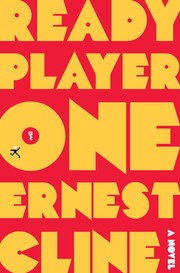
Ready Player One
In 2045 Wade Watts hunts Halliday's three keys inside the OASIS, racing IOI with Art3mis, Aech, Daito and Shoto for the Jade Key onward.
1,971-word summary · 9 min read
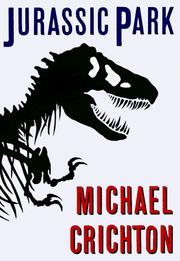
Jurassic Park
Hammond clones dinosaurs on Isla Nublar and invites Grant, Sattler and Malcolm to certify safety before opening.
2,388-word summary · 11 min read

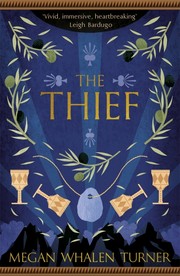
The Thief
A boastful young thief is pulled from a prison to steal a legendary stone for the king's magus, and the story he tells about himself is not the whole story.
2,514-word summary · 11 min read

Inkdeath
The final Inkworld novel sends Mo into the land of the dead, leaves Meggie choosing between two boys, and ends the Adderhead's immortality with three written…
2,062-word summary · 9 min read

Vow of Thieves
Kazi and Jase return to Tor's Watch to find it occupied, and their marriage is tested by captivity, betrayal, and a war for the town of Hell's Mouth.
2,059-word summary · 9 min read
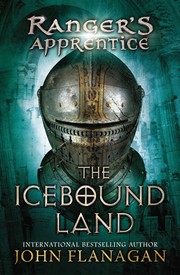
The Icebound Land
Captured and enslaved in Skandia, Will fights a drug that erases him while Halt and Horace cut a bloody road through Gallica to bring him home.
2,088-word summary · 9 min read
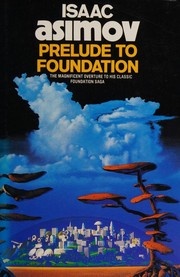
Prelude to Foundation
A young Hari Seldon arrives on Trantor with a theory he cannot yet prove, and a hunt through the planet-city forces him to turn psychohistory into a real…
2,013-word summary · 9 min read
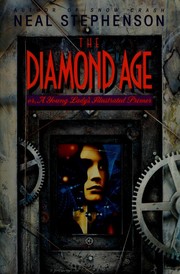
The Diamond Age: Or, A Young Lady's Illustrated Primer
A stolen nanotech primer raises a poor girl in 22nd-century Shanghai, and Neal Stephenson turns her education into an argument about class, freedom, and who…
2,055-word summary · 9 min read