
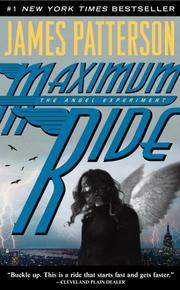
The Angel Experiment
2,037-word summary 9 min read 432 pages in the book
- First published
- 2005
- Publisher
- Little, Brown Books for Young Readers
- Pages
- 432
- ISBN
- 9780316057257
- Series
- Maximum Ride (#1)
Reading options
What's inside (9 sections)
I read The Angel Experiment because I wanted to see what the fuss was about when it ruled school libraries in the mid 2000s. James Patterson published it with Little, Brown Books for Young Readers in 2005, a 432 page opener to the Maximum Ride series with ISBN 9780316057257. It moves fast, talks straight to the reader, and never pretends to be subtle. Six kids with wings on the run from the lab that grew them. Wolf men chasing them in trucks. A cross country flight to New York to save the youngest. I finished it in two sittings, annoyed by some shortcuts and oddly fond of the flock.
Max is the voice. She is fourteen, tall, hungry, funny in a tired older sister way. She tells you on page one that she will not waste time with throat clearing. Her family is five others. Fang, quiet and watchful, a few months younger. Iggy, blind from experiments, good with bombs and cooking. Nudge, eleven, talks nonstop and steals small shiny things. Gazzy, eight, called the Gasman for reasons you will learn at bad moments. Angel, six, sweet and a little uncanny, who can breathe underwater and hear thoughts that have not been said yet. They live in a hidden house in the mountains, taught by a vanished guardian named Jeb, surviving on trash bags of food and strict rules. Do not go outside in daylight. Do not trust anyone with a coat.
The School is the enemy, though the name is bland on purpose. It is a set of labs, white coats, and cage memories where the kids were kept as infants while scientists spliced avian DNA into human embryos. Erasers are its muscle. Men who turn into huge wolf creatures when excited, with fangs and bad breath and a love of chasing. They raid the mountain house early and take Angel. Max freezes for half a second too long and never forgives herself. The rest of the book is rescue and flight. South through forests, into suburbs, over highways, learning that ordinary life looks soft and strange from above.
Patterson chapters are famously short. Two pages, three pages, a cliff line, turn. That rhythm suits Max narration. She breaks the fourth wall just enough. She tells you she is starving. She tells you Fang is staring. She tells you Erasers smell like old meat. The science is thin. Hollow bird bones, huge wings, fast healing, second stomachs for flight fuel. Do not ask for papers. Ask whether the kids feel like siblings, and they do. Nudge chatter covers fear. Iggy competence covers shame about blindness. Gazzy jokes cover youth. Fang silence covers care he will not say aloud. Max bossiness covers terror that she will lose another one.
On the wing
The flight scenes are the best part. Patterson writes lift and ache well. Takeoff hurts. Landing is worse. Thermals help. Rain is miserable. The flock has to eat constantly, stealing burgers, raiding grocery dumpsters, learning that flight burns thousands of calories. They sleep in trees, in caves, under bridges. One stretch in the woods where they hunt and argue about fire feels lived in. Iggy builds a careful blind. Nudge collects trash she calls treasures. Angel falls asleep mid sentence with her head on Max shoulder. You believe these kids have lived outside a long time, even if the wing mechanics are fantasy.
New York is the turn. The Institute, a gleaming lab hidden in a Manhattan building, holds Angel in a cage with other failed experiments. Max gets caught on purpose to reach her, which is brave and Reckless in equal measure. Inside, the kids find files, photos, and a doctor who talks about progress while children cry behind glass. The rescue is loud. Alarms, dogs, Erasers, broken glass, wings in stairwells that are too narrow. Patterson keeps the geography clear enough. Up, down, door, roof. Angel whispering directions she should not know. Fang taking hits meant for Max. Iggy carrying Gazzy when his wings cramp. It is a solid action set, better than the mountain raid because the stakes are personal and the space is tight.
Then Jeb returns, and the book shifts. Jeb Batchelder, the man who raised them and vanished, appears inside the Institute in a white coat. Max has to decide in seconds whether he is father, jailer, or both. He claims he protected them by hiding them, that the work had to continue, that Angel is special. Max does not buy it and does not fully reject it. She takes her family and leaves through a window into city wind. That unresolved ache is the strongest writing here. A parent shaped figure who fed you and measured you at the same time. Max anger is not clean. She misses him while hating him.
What creaks
Plenty. The Erasers as a concept wobble between horror and cartoon. One minute they are terrifying trackers who can smell fear, the next they are bantering henchmen who get fooled by a fast food uniform. The School motives are vague. Make flying kids for what. Soldiers. Profit. Papers. Patterson gestures at all three and commits to none. Adult characters outside Jeb are thin. Cops, doctors, kind strangers who feed the kids and ask few questions. The plot relies on adults looking away at useful moments.
Max narration, fun as it is, can flatten others. Fang gets little interior life beyond loyalty. Nudge talk is comic relief until Patterson needs her to be wise. Iggy blindness is handled with respect in camp scenes and then used as a twist lever in action. Angel powers expand as needed. Mind reading here, water breathing there, animal control when the plot stalls. Young readers may not mind. Adult readers will notice the convenience. I noticed and kept turning pages, which says something about pace overpowering quibbles.
The romance is barely a spark, which is a relief. Max and Fang circle each other with looks and shoulder bumps rather than speeches. No triangle, no chosen one kiss to stop the chase. Friendship and survival come first. Bodies are changing, wings itch during growth, clothes have to be cut for slits, and Patterson treats puberty as logistics rather than titillation. That restraint suits middle grade crossover and keeps the focus on family.
School hallway appeal
It helps to remember who this was for. Reluctant readers, kids who wanted X Men with feathers, classrooms where short chapters meant one more chapter deals. The book delivers jokes, gross outs, cool powers, and a clear villain without demanding background. Reading level is accessible. Sentences are short. Dialogue carries plot. Max tells you what to feel and then shows enough that you feel it anyway. Teachers told me it worked for kids who had bounced off longer fantasy. I believe it. My own reading felt like being pulled along by a confident older kid who knows all the shortcuts.
That does not mean it is empty. Found family is drawn with care. Rules about sharing food. How to carry a six year old when your own shoulders bleed. Who gets the warm spot. Max makes mistakes and says so. She loses her temper with Nudge and apologizes without a lecture. She admits she is scared of leading. Those beats land because they are small and repeated. The flock is not a team with codenames. It is six kids who sleep in a pile for warmth.
The last act
Without mapping every hallway, the escape from the Institute costs them. They are hurt, hungry, and now certain the world is larger and meaner than their mountain. A safe house with allies offers food and a shower and a new clue about their origins. Max learns that Angel was taken partly because she is different even among them, stronger in ways the School wants to copy. The final pages put them back in the sky, heading west toward parents who may or may not exist, names on a list that may be another trap. Max promises Angel no more cages. It is a promise she cannot keep and means fully. The series engine is set. Find family. Stay airborne. Trust no coat.
If you read this as an adult, expect to skim some exposition and forgive repeated hunger jokes. Expect to smile at Gazzy despite yourself. Expect to wish Iggy got a full chapter of his own. I did. The book is not trying to be a genetic thriller for grownups. It is trying to make a kid who hates reading finish 432 pages and ask for the next. On those terms it succeeds with room to spare.
Content notes are mild but real. Kidnapping, cage confinement, animal like violence, guns, blood, medical experimentation on children, parental abandonment themes, and body horror around wings and transformations kept at a middle grade level. No sexual content beyond crushes. Language is clean. Deaths occur off page or in action blur rather than lingering detail.
I closed it thinking about the mountain house kitchen, empty after the raid, with six plates still out. Patterson is good at those small domestic images amid chase. They remind you what flight is for. Not cool powers. Home. The flock does not fly to be free in some abstract sense. They fly to stay together when every lab and truck wants them apart. That is a simple engine, honestly run, and for one fast weekend it carried me too.
Series note
Maximum Ride continues with School's Out Forever, which picks up the parent search and deepens Angel abilities. You do not need to continue, but the first book ends mid quest by design. If the Jeb reveal hooked you, the second pays it off a little while adding a school that is not a school. If the Erasers bored you, know they evolve. Read in order. Skipping ahead spoils who lives in the files Max stole.
Food, money, and wings
One detail that sells the fantasy is how much eating matters. Patterson never lets you forget that wings are expensive. The flock counts dollars, splits fries six ways, argues about whether to spend on motel ice or bread. Nudge steals a candy bar and feels guilty for a day. Max steals medicine for Iggy eyes and feels nothing but relief. Money comes from Jeb cash drops, odd jobs, and once from a kind vet who asks no questions about hollow bones on an X ray. Those transactions ground the flying. You cannot stay airborne on attitude. You need calories and a place to land without dogs.
Why Max works as a narrator
Max is not a chosen one who doubts she is special. She knows she is special and doubts she is good enough to keep others alive. That inversion keeps her likable. She admits when a plan was hers and failed. She apologizes to Fang in front of everyone when she snaps. She tells younger kids scary truths in small doses. Angel gets the soft version. Gazzy gets jokes. Nudge gets jobs to do so worry has no room. Patterson gives Max a dry humor that never turns cruel. About Erasers, about doctors, about herself. I laughed more than I expected, usually at asides about hunger, and that laughter made the cage scenes hit harder.
Nudge curiosity often moves the plot when muscle cannot. She asks the questions Max is too proud to ask. Where do we sleep if it rains. What if Angel is scared in the dark. Can we trust the vet. Those questions force the flock to plan rather than react. It is a good portrait of how the youngest talkative member can keep a group honest. Without Nudge, Max would fly farther and eat less. With her, they stop, ask, and survive longer.
Iggy cooking scenes show the same care in another form. Blind since infancy from lab work, he learns kitchens by touch and memory, labeling spices with bumps and counting steps to the stove. The flock teases him and trusts him completely with fire. That trust feels earned. Patterson lets Iggy be capable without making blindness a superpower. He burns food sometimes. He drops pans. He keeps feeding everyone anyway.
FAQ
When was The Angel Experiment published?
Little, Brown Books for Young Readers published it in 2005. The hardcover runs 432 pages and the ISBN is 9780316057257.
Who are the main characters?
Max, Fang, Iggy, Nudge, Gazzy, and six year old Angel, plus Fang dog-like Erasers who hunt them.
Is it part of a series?
Yes. It is book one in the Maximum Ride series, followed by School's Out Forever.
Similar books
More from Maximum Ride first, then related titles.
School's Out - Forever
The bird kids try normal school under FBI guard until hunters crash class and chase them to Itex in Florida.
2,584-word summary · 11 min read
Saving the World and Other Extreme Sports
Max and the flock split in two to take down the lab behind their lives, one half in California and the other in Europe.
2,175-word summary · 10 min read

Archenemies
Nova steals for the Anarchists while Adrian hides his Sentinel identity, and a serum that erases prodigy powers puts them both at risk.
2,485-word summary · 11 min read

Carve the Mark
On a planet divided between conquered and conqueror, the tyrant's sister and a kidnapped oracle's son discover that their gifts make them useful to everyone…
2,340-word summary · 10 min read
Leviathan
In an alternate 1914, a prince on the run and a girl disguised as a soldier meet aboard a living airship.
2,406-word summary · 11 min read

Starsight
Spensa Nightshade goes undercover aboard the Superiority space station Starsight to steal a hyperdrive, and finds a frightened bureaucracy where she expected…
2,568-word summary · 11 min read
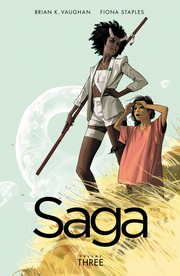
Saga, Volume 3
Marko, Alana, and Hazel hide on the planet Quietus with the reclusive author who inspired their romance, while assassins and a prince close in.
1,989-word summary · 9 min read
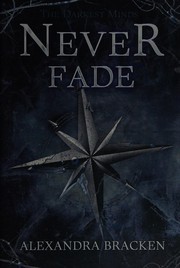
Never Fade
Ruby, now a leader in the Children's League, must track down the boy whose memories she erased, because he holds the only proof of what caused the disease that…
2,188-word summary · 10 min read
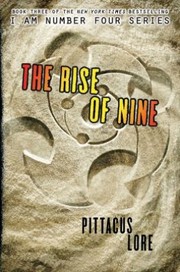
The Rise of Nine
John, Six and Nine race to India to find Eight before the Mogs strike.
2,321-word summary · 10 min read
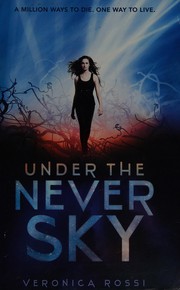
Under the Never Sky
Exiled from her Pod, Aria crosses a storm-scarred wilderness with Outsider Perry to find family and the fabled Still Blue.
2,572-word summary · 11 min read
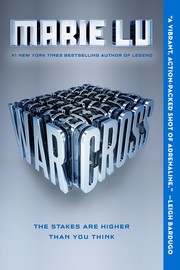
Warcross
Emika Chen glitches into the Warcross Tokyo championship, joins the Phoenix Riders to hunt the masked Zero, and must face Hideo Tanaka's plan to read minds for…
2,826-word summary · 13 min read
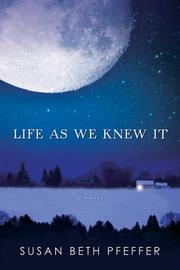
Life As We Knew It
Sixteen-year-old Miranda keeps a diary while an asteroid strike on the moon brings tsunamis, blackouts, and a frozen year of hunger to her Pennsylvania town.
2,485-word summary · 11 min read
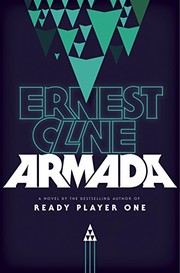
Armada
Gamer Zack learns Armada game trains real defense against alien Europans.
2,004-word summary · 9 min read
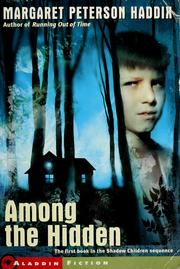
Among the Hidden
Twelve-year-old Luke, an illegal third child, befriends Jen and faces the cost of stepping out of hiding.
2,923-word summary · 13 min read
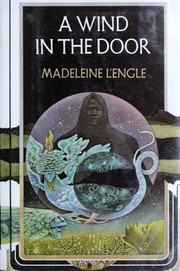
A Wind in the Door
Meg must save Charles Wallace from a cosmic sickness by naming and loving what she fears, helped by a cherubim called Progo.
2,214-word summary · 10 min read
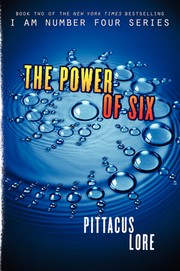
The Power of Six
John and Six run from the FBI and Mogs while Marina plots escape from a Spanish convent.
2,904-word summary · 13 min read

The City of Ember
Two twelve-year-olds trade jobs and chase a chewed-up note to save their fading underground city before its lights fail.
2,998-word summary · 13 min read
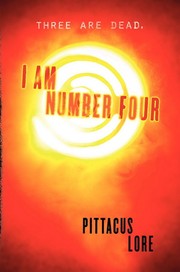
I Am Number Four
Alien teen Four hides in Ohio and develops Legacies with Sam and Sarah.
2,335-word summary · 10 min read
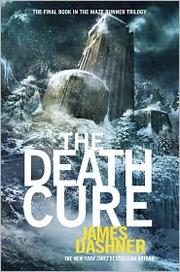
The Death Cure
Thomas refuses WICKED's final test, remembers too much, and runs with the Gladers toward a last cure and a ship north.
2,955-word summary · 13 min read

What Happened to Goodbye
Mclean has reinvented herself in four towns since her parents divorced. In Lakeview she uses her real name, and for the first time staying put becomes a choice.
2,796-word summary · 12 min read
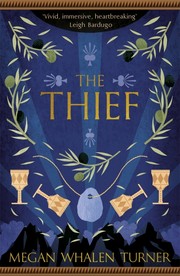
The Thief
A boastful young thief is pulled from a prison to steal a legendary stone for the king's magus, and the story he tells about himself is not the whole story.
2,514-word summary · 11 min read
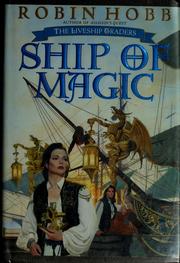
Ship of Magic
A sentient ship wakes when her captain dies, and the family that owns her starts to come apart over who gets to sail her.
2,026-word summary · 9 min read

Inkdeath
The final Inkworld novel sends Mo into the land of the dead, leaves Meggie choosing between two boys, and ends the Adderhead's immortality with three written…
2,062-word summary · 9 min read

Vow of Thieves
Kazi and Jase return to Tor's Watch to find it occupied, and their marriage is tested by captivity, betrayal, and a war for the town of Hell's Mouth.
2,059-word summary · 9 min read
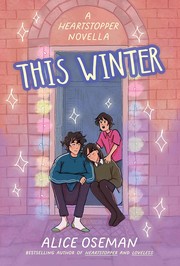
This Winter
On one difficult Christmas Day, Tori, Charlie, and Oliver Spring try to hold their family together while Charlie's eating disorder makes every tradition a test.
2,034-word summary · 9 min read
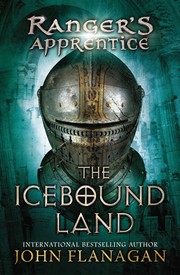
The Icebound Land
Captured and enslaved in Skandia, Will fights a drug that erases him while Halt and Horace cut a bloody road through Gallica to bring him home.
2,088-word summary · 9 min read
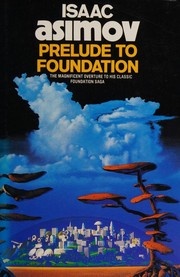
Prelude to Foundation
A young Hari Seldon arrives on Trantor with a theory he cannot yet prove, and a hunt through the planet-city forces him to turn psychohistory into a real…
2,013-word summary · 9 min read

Lioness Rampant
Alanna searches for the Dominion Jewel with the Shang Dragon, then returns to Tortall to face Duke Roger at Jonathan's coronation.
2,478-word summary · 11 min read