
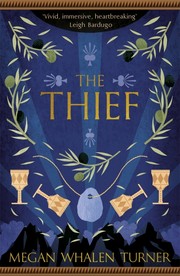
The Thief
2,514-word summary 11 min read 219 pages in the book
- First published
- 1996
- Publisher
- Greenwillow Books
- Pages
- 219
- ISBN
- 9780688146276
- Series
- The Queen's Thief (#1)
Reading options
What's inside (10 sections)
The first thing you need to know about Gen is that he is lying to you. Not maliciously, most of the time. He lies the way some people whistle, because the silence bothers him. He is in the king's prison in Sounis, and he has been there for months, and he is very proud of the reason. He boasted in a tavern that he could steal the king's seal, and then he did it, and then he got caught. Sitting in a cell, he tells us this with enormous satisfaction, as if the arrest were a minor clerical error attached to a great achievement.
That is the voice of the book. Dry, vain, hungry, and much smarter than it lets on. If you have read a lot of fantasy, you have met clever thieves before. You have probably not met one who complains this specifically about food.
Megan Whalen Turner published The Thief in 1996, and it won a Newbery Honor the next year. It is the first of six books about the same character, though at the time it read like a standalone. It is also a book that has aged oddly well: the plot is a road trip with a heist at the end, and the whole thing is rigged so that you will misread it. The rigging is the pleasure.
The offer in the dark
The king's magus comes down to the prison to see Gen. This is not a social call. The magus is the king's scholar and counselor, a patient man with a plan, and he needs a thief with a specific set of skills. There is a stone called Hamiathes's Gift, and whoever holds it has a claim to rule. The magus wants it for Sounis, which would strengthen the king's position against Eddis and Attolia, the two neighboring countries that have been problems for generations.
Gen says yes. He does not have much choice, but he also negotiates, because Gen would negotiate with a falling rock if it might get him a better dinner. The terms are not generous. He will be released, but he will travel chained, and the chain stays on until the magus decides otherwise.
The party is small. There is the magus, who is calm and used to being obeyed. There is Pol, the soldier, who is competent and quietly decent and does most of the actual work of keeping everyone alive. There are two apprentices. Ambiades is the older one, and he is a piece of work: arrogant, resentful, convinced he has been passed over, and happy to take it out on a prisoner in irons. Sophos is the younger one, awkward, bookish, kind, and clearly out of his depth. Gen treats Ambiades with open contempt and Sophos with something closer to baffled affection.
If you are paying attention on a first read, Sophos is the one who should make you curious. He is too nice to be a background character, and he asks the wrong questions in a way that suggests he is not stupid, just young. The book does not shout about him. It just keeps him nearby.
The long road and the stories
They travel across Sounis toward Eddis, and the middle of the book is mostly walking. This is the part where some readers stall. There are inns, bad weather, a chain that clinks, and a lot of talking. Gen tells stories to pass the time, and the stories matter more than they seem to.
He tells the myth of Eugenides, the god of thieves, and Hephestia, and the way the gods interfere in the affairs of mortals. He tells how the Gift came to be hidden, and why, and where. The myths are not flavor text. In this world the gods are real, and they are not gentle. They take an interest in people, and their interest is rarely comfortable.
The stories also do narrative work. They teach you the rules of the world without a lecture. They establish that a thief can be favored by a god, which sounds like a nice bit of color until the ending makes you reread it. And they give Gen something to do with his mouth besides complain, which is a relief for everyone including the reader.
The chain comes off eventually. Gen earns a little trust by being useful, or by being too pathetic to be a threat, or by both. He is not a good prisoner. He is mouthy and lazy and always hungry, and he steals small things for the pleasure of it. The magus watches him and does not entirely believe the act. That is fair, because it is an act, though not the act the magus thinks.
There is a scene at a temple, and a scene with a boar, and a stretch where Gen is genuinely frightened. The book is good at this: it lets Gen be funny and then reminds you that he is a small person in a large country with people who would hurt him. His bravado is a survival strategy, and the book knows it.
The temple and the dark water
They reach the place where the Gift is hidden. It is a temple, or the ruins of one, and the stone is inside a maze of tunnels, traps, and water. The magus cannot go in. The traps are keyed to something, or the gods are, and the only person who can get through is a thief who knows the stories.
Gen goes in alone. This is the best sequence in the book. It is dark, wet, and physically punishing. He crawls, he swims, he gets lost, he nearly drowns. The traps are not puzzles with convenient levers. They are old and mean and they kill people. Gen survives by being small, quick, and willing to do things that hurt.
And something happens in the dark that is not a trap. Gen encounters something divine. The book is careful here, and so am I. The gods are real, and one of them takes an interest in Gen, and the encounter changes the temperature of the story. Up to this point it has been a clever caper with good jokes. After this it is a book where the supernatural is not a rumor.
He comes out with the Gift. The magus is triumphant. The plan is to carry it back to Sounis, present it to the king, and change the political map. Everyone is tired and relieved and already spending the credit in their heads.
This is where you should start to feel uneasy, if you are the sort of reader who feels uneasy. Gen has been too calm. He has been too interested in the geography. He has asked too many questions about Eddis for a boy who claims to care only about dinner.
The twist
Gen has been working for Eddis the whole time. He is the queen's Thief. The imprisonment, the boast about the seal, the chained journey, the apparent cooperation: all of it was arranged. The magus thought he was using a criminal. He was carrying an agent of the country he was trying to outmaneuver.
The Gift goes to Eddis, where it belongs. The magus is left with the bill, the embarrassment, and the long ride home. Gen does not gloat in a grand speech. He just stops pretending, and the change in his voice is the payoff. All those jokes about being a poor helpless thief were true in the narrow sense and false in every way that mattered.
The reveal works because Turner plays fair in the way that matters and cheats in the way that entertains. Gen narrates in first person. He tells us what he thinks and feels. He just does not tell us what he is doing. Every scene is technically honest and practically misleading. On a second read, the early chapters are full of moments where Gen is quietly measuring a room or steering a conversation, and you wonder how you missed it.
Some readers feel cheated. I understand the complaint. A first-person narrator who withholds the central fact of his own life is a magic trick, and magic tricks can leave you feeling handled rather than surprised. The counterargument is that Gen is a professional liar and the book is told in his voice. Of course he withholds. The withholding is characterization, not just plot mechanics.
Where I think the trick is weakest is in the emotional cost. Gen's loyalty to Eddis is asserted more than felt. We get the reveal, and it is satisfying, and then the book ends before we get to sit with what it means for him to have spent months in a cell for a queen we have barely met. The sequel has to do that work.
The people around him
The magus is the best supporting character. He is not a villain. He is a smart man doing statecraft, and he is genuinely decent to Gen in small ways, which makes the con more interesting. He underestimates Gen because Gen wants to be underestimated, and the humiliation at the end is real but not cruel.
Ambiades is the one who gets under your skin. He is petty and cruel and he has reasons, and the book does not excuse him. His arc ends badly, and it should. He is what Gen could become if Gen were less lucky and less loved.
Sophos is the quiet surprise. He is kind, he is clumsy, he reads too much, and he turns out to matter. If you finish this book and immediately want to know what happens to him, you are not alone. He gets his own volume later in the series, and it is one of the best.
Pol is the soldier, and he is the adult in the room. He does not get a lot of page time, but his presence keeps the journey from feeling like a school trip. He is the one who notices things.
The women are thin. There is a queen offstage, and there are women in inns and temples, and none of them get much to do. For a series that will eventually be about queens and their wars, the first book is noticeably a boys' road trip. That is a fair criticism and it does not ruin the book, but it is worth naming.
What the book is actually about
On the surface it is about a stone and a con. Underneath it is about stories and who gets to tell them. Gen is a narrator who controls the frame. The myths he tells are also frames, and they turn out to be true in ways that recast the plot. The gods do not show up as a surprise twist. They show up as the thing the stories were always pointing at, and the book trusts you to have been listening.
It is also about being small. Gen is not a warrior. He is not strong. He wins by being quick, by being underestimated, and by knowing things other people do not bother to learn. That is a fantasy for readers who are not the biggest person in the room, and it is done without a single speech about believing in yourself.
And it is about hunger. Gen is hungry constantly. He thinks about food the way other heroes think about destiny. It is a small, funny detail that makes him real, and it is the kind of thing that separates a character from a collection of traits.
The prose is plain and fast. Turner does not write showy sentences. She writes clean ones, and she trusts dialogue and voice to carry the load. The result reads quickly and rewards a second pass, which is a rare combination.
Where it stumbles
The middle sags. I said it earlier and I will say it again, because it is the main reason people put the book down. The journey is long, the scenery is not especially vivid, and the stories are interesting but they are still stories being told by a boy on a horse. Readers who want action will find the first two thirds slow.
The politics are sketched. Sounis, Eddis, and Attolia are three countries with a history, and the book tells you about that history rather than showing it. The stakes are explained, not dramatized. You have to take the magus's word that the Gift would change everything, and the book does not give you enough of the courts to feel the weight.
The gods arrive late and change the rules. This is a matter of taste. Some readers love the moment the myth becomes literal. Others feel the book shifts genres under them. I think it works, but I see the seam.
And the female characters are thin, as I said. The queen of Eddis is a name and an motive for most of the book. The series fixes this. This volume does not.
None of these are fatal. The voice is strong enough to carry a slow middle, and the ending is strong enough to send you back to the beginning. But if someone tells you the book is flawless, they are remembering the last forty pages and not the two hundred before them.
Why it lasts
The Thief is a book about a liar that makes lying feel like a craft. Gen is not a rogue with a heart of gold. He is petty, vain, hungry, and loyal in a way he will not admit. He is allowed to be unpleasant, and he is allowed to be funny about it, and the book never punishes him for either.
The ending is the reason people hand this book to other people. It is a clean con, fairly planted, and it recontextualizes everything without invalidating it. The myths pay off. The chain pays off. The bragging pays off. Even the food jokes pay off, in the sense that you understand by the end why a boy in a cell would talk about dinner.
It is also a good entry point to a series that gets bigger and stranger. The Queen of Attolia, The King of Attolia, A Conspiracy of Kings, Thick as Thieves, and Return of the Thief all build on this foundation, and the first book is short enough that you can read it in an afternoon and then argue about the twist at dinner.
School Library Journal ranked it thirteenth among its top one hundred chapter books in 2012, which is a strange list to be on for a book about a thief and a stone, but it makes sense. It is the kind of book that gets passed hand to hand in a classroom, usually with a warning not to read the last chapter first.
Start it on a day when you have time to finish it. The middle will test you. The ending will make you want to start again, and the second time you will notice how much Gen was telling you all along.
FAQ
Is The Thief part of a series?
Yes. It is the first of six books about Gen, followed by The Queen of Attolia, The King of Attolia, A Conspiracy of Kings, Thick as Thieves, and Return of the Thief.
Did The Thief win any awards?
It was named a Newbery Honor book in 1997, and in 2012 School Library Journal ranked it thirteenth among its top one hundred chapter books.
Is the ending a cheat?
It depends on the reader. Gen is a first-person narrator who hides his real mission, so the twist is a deliberate trick, though the book plants clues throughout.
Similar books
More from The Queen's Thief first, then related titles.
The Chalice of the Gods
Percy needs three recommendation letters from three gods to apply to college, so his first quest is recovering a stolen chalice from the god of old age.
2,106-word summary · 9 min read
The Ship of the Dead
Magnus and his crew sail to the edges of the Norse worlds to stop Loki from launching Naglfar, the ship of the dead.
2,426-word summary · 11 min read
The House of Hades
Percy and Annabeth cross Tartarus while the five close the Doors of Death before Gaea wakes.
2,910-word summary · 13 min read
The Icebound Land
Captured and enslaved in Skandia, Will fights a drug that erases him while Halt and Horace cut a bloody road through Gallica to bring him home.
2,088-word summary · 9 min read

Lioness Rampant
Alanna searches for the Dominion Jewel with the Shang Dragon, then returns to Tortall to face Duke Roger at Jonathan's coronation.
2,478-word summary · 11 min read
The Magician
Sophie and Josh flee to Paris with Nicholas Flamel, where John Dee, Machiavelli, and an awakened god close in on the missing pages of the Codex.
2,162-word summary · 10 min read
The Burning Maze
Apollo, still trapped in a mortal teenager's body, follows a dangerous prophecy through the Labyrinth with Meg and Grover as the Triumvirate's grip tightens.
2,248-word summary · 10 min read

Lore
Lore Perseous, the last of a hunted bloodline, is pulled back into the Agon when a wounded Athena offers her revenge against the god who killed her family.
2,188-word summary · 10 min read
The Magician King
Quentin rules a peaceful Fillory until a golden key strands him on Earth, while Julia's brutal road from hedge witch to demigod rewrites the whole story.
2,431-word summary · 11 min read
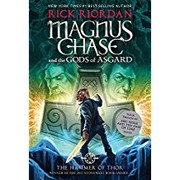
The Hammer of Thor
Magnus and Sam chase Thor's stolen hammer to a giant wedding heist, with Alex Fierro joining Floor Nineteen as Loki bargains and Ragnarok stirs.
3,068-word summary · 14 min read
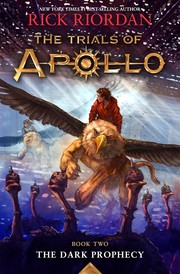
The Dark Prophecy
Mortal Apollo and Leo cross America to free the Oracle as Commodus hunts them.
2,368-word summary · 11 min read
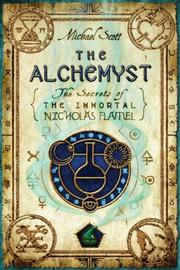
The Alchemyst
Twins Sophie and Josh learn their boss is Flamel as Dee steals the Codex minus two pages.
2,085-word summary · 9 min read
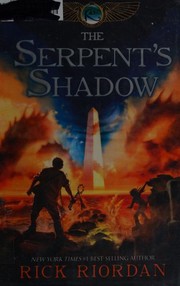
The Serpent's Shadow
Carter and Sadie Kane have three days to bind Apophis by his shadow before the serpent rises and unmakes the world.
2,941-word summary · 13 min read

The Throne of Fire
Carter and Sadie Kane have five days to wake the sun god Ra before the serpent Apophis breaks free and eats the world.
2,867-word summary · 13 min read
The Sword of Summer
A homeless Boston teen learns he is a Norse god son and dies on day one stopping a fire giant.
2,116-word summary · 9 min read
The Hidden Oracle
Apollo lands as a teen in New York with no powers and must earn his way back with Meg and demigods.
1,933-word summary · 9 min read
Children of Blood and Bone
White haired Zelie chases magic return with princess Amari hunted by Inan.
2,027-word summary · 9 min read

The Blood of Olympus
Seven demigods stop Gaia waking while Reyna brings Athena statue.
2,196-word summary · 10 min read
The Red Pyramid
Siblings Carter and Sadie Kane wake the Egyptian gods and must stop Set from destroying the world.
2,682-word summary · 12 min read
The Son of Neptune
Amnesiac Percy wakes at Camp Jupiter and quests to Alaska with Hazel and Frank to free Thanatos.
2,107-word summary · 9 min read
The Titan's Curse
Percy joins a winter quest to save Annabeth and Artemis with Thalia, Grover, Bianca and Zoe, facing Atlas and Luke under a hard Oracle prophecy on Mount…
2,229-word summary · 10 min read
The Sea of Monsters
Percy returns for a second summer as Camp Half-Blood loses its borders, Tyson is claimed as his brother, and the Golden Fleece waits past the Sea of Monsters.
2,056-word summary · 9 min read
The Lost Hero
Jason wakes with no memory while Piper and Leo learn they are demigods sent to free Hera.
2,734-word summary · 12 min read
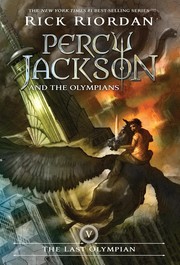
The Last Olympian
Percy Jackson turns sixteen as Kronos marches on Manhattan, forcing Camp Half-Blood into a final stand for Olympus beside Annabeth as the old prophecy demands…
2,564-word summary · 11 min read
The Battle of the Labyrinth
Percy and Annabeth enter the shifting Labyrinth with Rachel Dare to stop Luke and Kronos from invading Camp Half-Blood.
2,924-word summary · 13 min read

The Lightning Thief
Rick Riordan's The Lightning Thief retold: Percy Jackson, Camp Half-Blood, the stolen bolt, and the road trip to the Underworld.
2,581-word summary · 11 min read

Inkdeath
The final Inkworld novel sends Mo into the land of the dead, leaves Meggie choosing between two boys, and ends the Adderhead's immortality with three written…
2,062-word summary · 9 min read

Vow of Thieves
Kazi and Jase return to Tor's Watch to find it occupied, and their marriage is tested by captivity, betrayal, and a war for the town of Hell's Mouth.
2,059-word summary · 9 min read
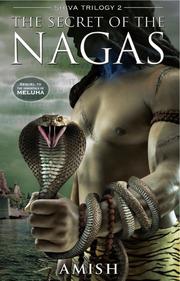
The Secret of the Nagas
Shiva hunts the Naga who attacked Sati, discovers her hidden twin sister and lost son, and follows the trail to the Naga capital of Panchavati.
2,442-word summary · 11 min read
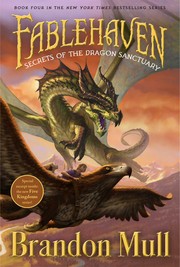
Secrets of the Dragon Sanctuary
Kendra is replaced by a plant copy and held by the Society, while Seth steals a unicorn horn so the family can enter a dragon sanctuary.
2,590-word summary · 12 min read