
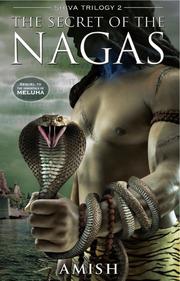
The Secret of the Nagas
2,442-word summary 11 min read 414 pages in the book
- First published
- 2011
- Publisher
- Westland
- Pages
- 414
- ISBN
- 9789380658797
- Series
- Shiva Trilogy (#2)
Reading options
What's inside (9 sections)
The second Shiva book opens with a chase. Sati is attacked in her own home, and Shiva arrives too late to catch the man who did it. The attacker leaves a handful of coins with strange engravings, and those coins are the only clue in a story that keeps turning over old ground. Shiva is the Neelkanth now, the blue throated savior of Meluha, married to the woman he was told he could not have. He should be at the height of his power. Instead he is running down a corridor after a stranger, and the book never really lets him stop.
That is the shape of The Secret of the Nagas. Amish Tripathi takes the triumphant ending of The Immortals of Meluha and asks what happens after the prophecy comes true. The answer is that a man who is supposed to save the world still has to deal with his father in law, his wife's dead husband, and a war he does not understand. The scale gets bigger and the answers get smaller.
The Coins and the Wounded General
The Naga who attacks Sati escapes, but the coins point east. They carry the mark of Branga, a kingdom in eastern India, and Shiva decides to follow the trail to Kashi, where a Branga community lives inside the holy city. He travels with Sati, General Parvateshwar, Nandi, Veerbhadra, the doctor Ayurvati, and two royals from Ayodhya, Prince Bhagirath and Princess Anandamayi. The group is large enough to be a small court, and Tripathi uses it that way. Every character has an opinion about where Shiva should go next.
Kashi is not friendly territory. The Branga quarter is poor, crowded, and resented by the local population, and the tension breaks into a riot. Parvateshwar is mortally wounded in the fighting. That injury matters because it forces the plot forward. Divodas, the Branga leader, gives the general a healing herb that only grows in Panchavati, the Naga capital. Without it, Parvateshwar dies.
Divodas also explains why Branga matters. The kingdom is plagued, and its people depend on Naga medicine to survive. The Nagas are not simply monsters in this book. They are the ones who know how to heal, and the ones who control the supply. Shiva decides he has to go to Branga, and Divodas orders special ships built for the journey. The mystery of the coins becomes a diplomatic mission, then a medical one.
This section shows one of Tripathi's strengths. He is good at moving characters through a map. Kashi feels like a city with neighborhoods and grudges, not a backdrop. The riot is not a set piece for Shiva to win. It is a failure of politics that leaves a good man bleeding, and the solution comes from a people everyone else has written off.
A Son, and Two Children Everyone Buried
Sati gives birth to a boy, Kartik. The birth should be a happy pause, and it is, briefly. Then Shiva leaves for Branga while Sati stays behind in Kashi with the baby. That separation is the emotional engine of the middle of the book. Shiva is chasing a threat, and Sati is left to hold a household together in a city that does not trust her.
The bigger revelation comes through a fight. A Naga man and a Naga woman help Shiva's group drive off lions, and the woman then reveals herself. She is Kali, Sati's twin sister. The man is Ganesh, Sati's son from her first marriage, a child everyone believed had died at birth. Both were hidden, and both were denounced by their father, Daksha, because of their bodies. Kali was born with two extra arms, both functional. Ganesh has an elephant like face.
Tripathi does not soften the cruelty of that. Daksha is a king who built a perfect empire on rules, and when his own children did not fit the rules, he threw them away. Sati had been told her son was dead. She had grieved him. Now he is standing in front of her, alive, and the reunion is not simple. Ganesh has grown up in the Naga world, among people Meluha calls enemies. He has a mother who did not raise him and a grandfather who discarded him. The book is honest about how much that hurts.
Sati brings Kali and Ganesh back to Kashi. The city has to look at them. That is the point. Tripathi is writing about disability and social exclusion in a mythic register, and the scenes work best when he lets the characters be angry instead of noble. Kali is not a symbol. She is a woman with four arms who has spent her life being told she is a curse, and she has opinions about the people who told her that.
The Bandit Who Was Waiting
Shiva's journey to Branga takes him through territory controlled by a bandit named Parashuram. They fight. Shiva wins, or at least survives, and then Parashuram reveals what he really is. He is a Vasudev, one of the scholar guides who have been watching over Shiva's path for years. The bandit was a test and a guard at the same time.
Parashuram is stunned to meet the Neelkanth in person. The legend he has served is standing in front of him, and the meeting breaks something in him. He severs his own left hand in remorse, then gives the Brangas the recipe for the medicine they need and joins Shiva. It is a strange, theatrical scene, and Tripathi plays it straight. In this world, devotion expresses itself through mutilation and service. The gesture is meant to be shocking, and it is.
Parashuram also opens up the larger architecture of the trilogy. The Vasudevs are not priests exactly. They are keepers of knowledge, watchers of prophecy, and operators behind the scenes. Their existence means Shiva has been guided for longer than he knew. It also means the prophecy is not a natural force. Someone has been arranging the pieces.
That idea is more interesting than any single battle in the book. If the Vasudevs have been steering Shiva, then his choices are less free than he thought. If they have been helping him, then the help comes with an agenda. Parashuram's severed hand is a visual reminder that devotion can be violent and that being chosen is not the same as being safe.
The Family Shiva Refuses
Back in Kashi, Shiva meets Ganesh and Kali properly, and the meeting goes badly. Shiva recognizes Ganesh as the Naga who attacked Sati. He also believes Ganesh killed his friend Brahaspati, the scientist who disappeared at the end of the first book. Shiva is furious. He leaves Sati and moves into the Branga quarter, which is both a political statement and a marital one.
The estrangement lasts long enough to hurt. Sati is caught between a husband who will not listen and a son who has been treated as a monster. Ganesh is caught between a mother he does not know and a stepfather who wants him dead. Tripathi spends real time in that discomfort. It is the best material in the novel, because it refuses the easy reunion.
Then Ganesh saves Shiva and Kartik from a lion. The rescue does not erase the accusation, but it forces Shiva to look at the person in front of him instead of the story he has been told. Shiva forgives him. The word forgive is doing a lot of work there, and the book knows it. Trust has to be rebuilt, not declared.
The confrontation with Daksha is the other half of this. Shiva and Sati press him, and Daksha confesses that he murdered Sati's first husband. He also admits that he abandoned Kali and Ganesh. Then he blames Shiva for turning Sati against him. It is a confession without repentance, the kind a man makes when he wants credit for honesty while keeping all the advantages. Shiva sends him back to Meluha.
Daksha is the most convincing villain in the book because he does not think of himself as one. He believes in order. He believes the empire needs a clean face. He loves his daughter in a way that requires her to be smaller than him. When he is exposed, he does not break. He adjusts the story so that he is still the victim. Anyone who has dealt with a parent like that will recognize the move.
The Road Through Dandak
Shiva still has to reach Panchavati, and the route runs through the Dandak Forest. He travels with Kali, who turns out to be the Naga queen. That revelation changes the political map again. The woman who was introduced as a wronged sister is also a ruler with an army and a capital, and Shiva is walking into her territory as a guest who has already insulted her family.
The river journey is where the book turns into an action story again. Ships attack them with Daivi Astra, the forbidden weapons of mass destruction that Lord Rudra banned in an earlier age. The presence of those weapons means someone with state power is willing to break the oldest law in the world to stop Shiva. The trail points toward Daksha, though the book keeps the proof just out of reach.
The Daivi Astra thread is the most political thing in the trilogy so far. It is not a monster or a curse. It is a weapon that should never be used, in the hands of people who have decided that their enemy is an exception. Tripathi does not need to say the words to make the parallel. Anyone reading in 2011 would have recognized the shape of it.
Kali is a good guide for this stretch. She is bitter, funny, and entirely unsentimental about her father. She also knows the forest and the politics of the Naga capital, which means she can be useful without becoming a servant to Shiva's plot. The book still gives her less interior life than it gives him. That is a fair complaint, and it runs through most of the female characters. Sati, Kali, and Anandamayi all matter, but the narrative keeps bending back to how their suffering affects Shiva.
The Teacher in Panchavati
Panchavati is not what Shiva expects. It is a city of Nagas, yes, but it is also a place of learning and medicine. Kali takes him to a school, and inside it, alive and teaching, is Brahaspati. The friend Shiva mourned is not dead. He has been hidden here, and the deception has been going on for a long time.
That reveal lands harder than the coins or the weapons, because it is personal. Shiva has been carrying grief for a man who chose to disappear. Brahaspati has reasons, and the book gives them, but reasons do not erase the years of mourning. The scene is a reminder that the people who manage prophecy tend to treat everyone else's feelings as acceptable costs.
It also explains the shape of the trilogy. Brahaspati was not simply a scientist who vanished. He was part of a larger project to keep Shiva moving toward a destiny, and Panchavati was one of the places where that project was protected. The Naga capital is not a lair. It is a sanctuary that has been doing the work Meluha refused to do, healing people the empire classified as impure.
The ending does not resolve the war. It resolves a set of family questions and opens a larger one about who has been telling the truth. Shiva has gained allies, lost illusions, and learned that his enemies and his teachers are sometimes the same people. The third book has to sort out the rest.
What the Story Is Doing
The Secret of the Nagas is a book about the difference between a legend and a man. Shiva is supposed to be divine, and the novel keeps putting him in rooms where divinity is useless. He cannot heal Parvateshwar. He cannot undo the years Sati lost with her son. He cannot make Daksha into a decent father. The blue throat gets him attention. It does not get him wisdom.
The disability material is the strongest part of that project. Kali and Ganesh are not written as inspirational figures. They are written as people who were harmed by a society that could not imagine them as normal. Daksha's empire is clean and orderly and it has no room for a child with an elephant face. The Nagas, who live outside that order, made room. Tripathi is careful not to make the Naga world perfect either. It has its own politics, its own weapons, and its own secrets.
The medicine plot carries the same idea. Branga is dying because it does not have the herb. Panchavati has the herb and the knowledge. The question of who gets cared for, and on what terms, runs through the whole book. Divodas gives Parvateshwar the medicine because he is trying to build an alliance. That is generosity with a price, which is the most honest kind the novel offers.
The criticism that lands hardest is about the prose. Tripathi writes clearly and quickly, and he is good at plot, but his dialogue often sounds modern in ways that break the ancient setting. Characters explain their own themes to each other. Revelations arrive through long speeches rather than through action. After a while, the pattern becomes predictable: Shiva asks a question, someone explains the history of the world, Shiva reacts.
The female characters suffer from the same problem. Sati is a warrior and a mother and a woman who was declared untouchable by her own society, and she is given real scenes of grief and anger. Then the plot needs Shiva to move, and she stays behind. Kali is fierce and politically powerful, but she spends a lot of the book guiding Shiva through her own kingdom. Anandamayi barely gets a personality. The trilogy is Shiva's story, and it is honest about that, but the honesty does not fix the imbalance.
Still, the book does something difficult. It takes a villain from the first volume and reveals that the villain was a category, not a species. The Nagas were the monsters Meluha warned children about. Then Shiva meets them, eats with them, and finds out that his wife's lost son is one of them. The shift is not subtle, and Tripathi underlines it, but it works. By the end, the question is not whether the Nagas are evil. It is whether the people who called them evil can survive being wrong.
FAQ
Do I need to read The Immortals of Meluha first?
Yes. This book continues directly from it and assumes readers know about Shiva's blue throat, his marriage to Sati, and Brahaspati's disappearance.
Who are the Nagas?
They are a people Meluha treats as monsters, but the book shows them as healers and rulers with their own capital at Panchavati.
How many books are in the Shiva Trilogy?
Three. This is the second, between The Immortals of Meluha and The Oath of the Vayuputras.
Similar books
More from Shiva Trilogy first, then related titles.
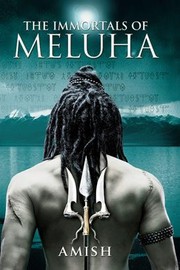
The Immortals of Meluha
Tribal Shiva learns he is fabled Neelkanth prophesied to save Meluha.
1,994-word summary · 9 min read

The Thief
A boastful young thief is pulled from a prison to steal a legendary stone for the king's magus, and the story he tells about himself is not the whole story.
2,514-word summary · 11 min read
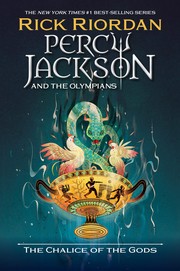
The Chalice of the Gods
Percy needs three recommendation letters from three gods to apply to college, so his first quest is recovering a stolen chalice from the god of old age.
2,106-word summary · 9 min read
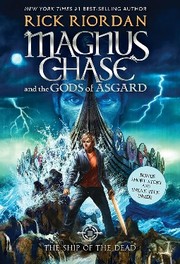
The Ship of the Dead
Magnus and his crew sail to the edges of the Norse worlds to stop Loki from launching Naglfar, the ship of the dead.
2,426-word summary · 11 min read
The Magician
Sophie and Josh flee to Paris with Nicholas Flamel, where John Dee, Machiavelli, and an awakened god close in on the missing pages of the Codex.
2,162-word summary · 10 min read
The Burning Maze
Apollo, still trapped in a mortal teenager's body, follows a dangerous prophecy through the Labyrinth with Meg and Grover as the Triumvirate's grip tightens.
2,248-word summary · 10 min read

Lore
Lore Perseous, the last of a hunted bloodline, is pulled back into the Agon when a wounded Athena offers her revenge against the god who killed her family.
2,188-word summary · 10 min read
The Magician King
Quentin rules a peaceful Fillory until a golden key strands him on Earth, while Julia's brutal road from hedge witch to demigod rewrites the whole story.
2,431-word summary · 11 min read
A Fate Inked in Blood
In Norse-inspired Skaland, a fish gutter hiding a goddess's blood is claimed by a jarl, bound by oath, and guarded by the son she cannot want.
1,971-word summary · 9 min read

The Once and Future King
T.H. White retells Arthur from boyhood with Merlyn to Camelot's fall, mixing comedy, myth, and a hard look at war and power.
2,200-word summary · 10 min read

The Demigod Files
Three Percy Jackson side quests plus camp maps, cabin guides, interviews, and god profiles set before the final battle.
2,498-word summary · 11 min read
The Hammer of Thor
Magnus and Sam chase Thor's stolen hammer to a giant wedding heist, with Alex Fierro joining Floor Nineteen as Loki bargains and Ragnarok stirs.
3,068-word summary · 14 min read

The Talisman
Twelve-year-old Jack Sawyer flips between America and the Territories to find a Talisman that can save his dying mother.
2,050-word summary · 9 min read
The Dark Prophecy
Mortal Apollo and Leo cross America to free the Oracle as Commodus hunts them.
2,368-word summary · 11 min read

The City of Brass
Cairo con artist Nahri summons djinn Dara and is drawn to Daevabad where Ali questions pureblood rule.
1,993-word summary · 9 min read

The Gathering Storm
Rand hardens toward breaking the world while Egwene holds the White Tower from a cell in the twelfth Wheel of Time book.
2,176-word summary · 10 min read
The Alchemyst
Twins Sophie and Josh learn their boss is Flamel as Dee steals the Codex minus two pages.
2,085-word summary · 9 min read
The Serpent's Shadow
Carter and Sadie Kane have three days to bind Apophis by his shadow before the serpent rises and unmakes the world.
2,941-word summary · 13 min read
The Fires of Heaven
Rand leads the Aiel to war over Cairhien while the White Tower splits, in book five of The Wheel of Time.
2,287-word summary · 10 min read

The Throne of Fire
Carter and Sadie Kane have five days to wake the sun god Ra before the serpent Apophis breaks free and eats the world.
2,867-word summary · 13 min read
The Sword of Summer
A homeless Boston teen learns he is a Norse god son and dies on day one stopping a fire giant.
2,116-word summary · 9 min read

The Hidden Oracle
Apollo lands as a teen in New York with no powers and must earn his way back with Meg and demigods.
1,933-word summary · 9 min read
Children of Blood and Bone
White haired Zelie chases magic return with princess Amari hunted by Inan.
2,027-word summary · 9 min read

The Silmarillion
Tolkien's posthumous First Age history, edited by Christopher Tolkien: the Music of the Ainur, Feanor's Silmarils, Beren and Luthien, Gondolin, and the fall of…
2,544-word summary · 11 min read
The Great Hunt
Rand hunts the stolen Horn of Valere across the land while Egwene and Nynaeve face the Seanchan and the White Tower.
2,516-word summary · 11 min read

The Dragon Reborn
Rand flees to Tear to claim Callandor while Perrin, Mat, and Egwene are drawn after him to the fallen Stone.
2,644-word summary · 12 min read

Beowulf
An anonymous Old English epic in Heaney's Norton translation: Beowulf faces Grendel, Grendel's mother, and a dragon across a lifetime of fame and cost.
2,810-word summary · 12 min read

The Blood of Olympus
Seven demigods stop Gaia waking while Reyna brings Athena statue.
2,196-word summary · 10 min read
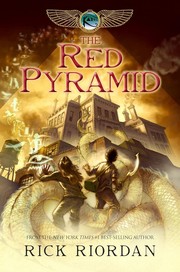
The Red Pyramid
Siblings Carter and Sadie Kane wake the Egyptian gods and must stop Set from destroying the world.
2,682-word summary · 12 min read
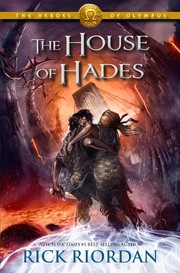
The House of Hades
Percy and Annabeth cross Tartarus while the five close the Doors of Death before Gaea wakes.
2,910-word summary · 13 min read