
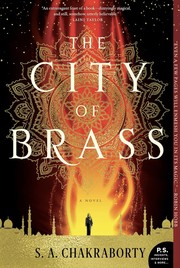
The City of Brass
1,993-word summary 9 min read 532 pages in the book
- First published
- 2017
- Publisher
- HarperVoyager
- Pages
- 532
- ISBN
- 9780062678102
- Series
- The Daevabad Trilogy (#1)
Reading options
What's inside (7 sections)
I started The City of Brass expecting standard desert fantasy and found a crowded, political epic that treats djinn as peoples with histories rather than wishes in lamps. S.A. Chakraborty's 2017 debut, 532 pages, follows Nahri, a Cairo con woman with healing hands, and Ali, a djinn prince who doubts his family's rule, toward Daevabad, a brass city where tribes hate well. It is the rare first volume that feels complete while demanding the next. Maps help, family trees help more, and patience with names pays off in court scenes that crackle with veiled threats and sudden kindnesses that surprise even cynical readers who expect only scheming from fantasy courts.
Nahri in Cairo
Nahri lives in 18th century Cairo by wits. Orphaned, sharp tongued, able to heal wounds she should not survive touching. She reads palms to swindle Ottoman nobles, sells charms, and hidesase? No, hides gifts that mark her as other. During an exorcism for coins, she speaks a name that summons Darayavahoush e-Afshin, Dara, a djinn warrior with a haunted face and a slave ring he cannot remove. Ghouls attack. Dara saves her with fire and demands she flee with him. She agrees because staying means death by soldiers or priests who saw too much.
Their journey to Daevabad gives the book its road heart. Through desert ruins, rivers with marid, ifrit ambushes in sandstorms. Dara tells history in pieces. Djinn tribes divided by Suleiman's punishments long ago. Nahids, Nahri's healing ancestors, overthrown by Qahtanis who now rule. Dara himself led a massacre centuries back that still names him Scourge. He is ashamed and unrepentant by turns, a warrior who followed orders he now questions too late. Nahri listens while planning escape, then stays because Dara bleeds for her and because Cairo holds nothing but debts. Trust builds through shared thirst rather than speeches.
What I liked is Nahri's con eye applied to magic. She prices healing, reads marks of tribe by jewelry, spots lies in courtspeak. Healing poor shafit children for free while charging nobles double feels true to a survivor with ethics that bend but do not break. She misses Cairo's noise in quiet desert nights and says so without romance about poverty. Survival taught her to run. Dara teaches her to stand, though his lessons come wrapped in warnings about Daevabad that sound like threats because they are.
Cairo chapters also set colonial edge often missing in fantasy. Ottoman Turks tax, French scholars steal manuscripts, British agents watch. Humans oppress while djinn war above them unnoticed. Nahri, half divined? No, human with Nahid blood from a line thought dead, moves between worlds that both want her gifts and despise her mix. That in between status will define Daevabad politics where purity determines worth.
Ali in Daevabad
Alizayd al Qahtani, Ali, second son of King Ghassan, trains at the Citadel to be Qaid, military leader for brother Emir Muntadhir. Devout, awkward with women, honest to a fault that embarrasses courtiers. He prays, studies, spars, and secretly funds Tanzeem rebels who aid shafit, djinn with human blood oppressed by purebloods. His teacher? No, his conscience will not let him ignore beatings he witnesses on patrol. He intervenes and is punished with extra duties that teach him how deep rot runs. Family dinners where father praises unity while ordering raids show the split between word and act that will break Ali.
Daevabad itself is a marvel Chakraborty builds with sensory overload that never becomes list. Brass walls that sing in heat, gardens watered by magic, markets with carpets that fly short hops, temples for each tribe with different rites. Tribes include Geziri, Daeva, Ayaanle, Sahrayn, Tukarese, each with looks, magic, and grudges. Shafit live in slums called the brass? Actually in lower quarters, doing labor purebloods disdain. King Ghassan holds peace through spies, hostages, and marriages plotted like sieges. His court scenes crackle with veiled threats translated by servants who risk lives to soften words. I needed the map often and loved needing it. Complexity feels lived rather than displayed.
Ali's training gives action beats between politics. Sword drills with Jamshid, Daeva grand wazir's son and Muntadhir's close companion, who befriends Ali across tribe lines though both know friendship is treason to someone. Fire magic lessons where Ali learns he holds water affinity rare and feared, linked to marid possession later. Patrols where he sees Tanzeem pamphlets he secretly wrote quoted back by rebels who do not know their prince is author. Irony builds without winking. A prince funding revolt against his father to force justice the father preaches but does not practice. That youthful absolutism will cost lives he did not intend, a lesson the book refuses to soften.
Nisreen, Nahri's healer mentor, and Kaveh, Daeva leader, add adult voices who survived prior purges. They warn Nahri that healing does not equal ruling, that Daevas want a symbol more than a girl. She listens and still wants to help because patients line up with fevers no courtier will touch. Healing scenes, with herbs, pulses, and Nahid songs remembered in bones, give the epic intimate breaths. Work with hands amid talk of thrones keeps Nahri grounded when crowns beckon.
Marriage plots and lake battle
King Ghassan forces friendship between Ali and Nahri to groom a marriage between Nahri and Muntadhir that would bind Nahid legitimacy to Qahtani rule. Lessons in reading and fire magic become dates neither admits. Ali teaches Arabic script Nahri never learned properly. She tells Cairo stories that make him laugh in libraries where laughter is suspect. Muntadhir, charming emir who drinks and jokes to hide fear of father, courts honestly though he loves Jamshid quietly in a court that would kill for it. The triangle avoids simple rivalry. All three are pawns who know the board and still move as told because refusal means death for their peoples. That trapped courtship hurts more than love triangle tropes because politics, not feelings, set terms.
Dara returns after months chasing ifrit rumors to find Nahri promised to another and Ali possessed by marid water beings after falling in the lake. Jealousy and slave ring compulsion twist his protection into possession. He demands Nahri flee with him, threatening Ali's life to force yes. She concedes to save Ali, hating both men for making her choose under knife. Escape by secret boat with soldiers led by Muntadhir and Jamshid intercepting turns to massacre when Nahri accidentally unleashes Dara's slave power. Dara kills nearly all aboard, wounds Jamshid, seemingly kills Ali who falls into magic lake rumored to shred djinn flesh. Nahri talks Dara down from further slaughter though hands shake. Love for a monster she cannot condone is the book's hardest thread. She pities the slave soldier inside the Scourge without forgiving massacres. That ambivalence will fuel sequels.
Ali reemerges possessed by marid, kills Dara as Nahri watches in horror that curdles to numbness. Ghassan retaliates with purges of shafit and Daevas, banishes Ali to Am Gezira to hide uncontrolled water magic and Tanzeem ties, forces Muntadhir to marry Nahri while grieving Jamshid and resenting her. Nahri, grieving Dara, must denounce him before Daeva nobles to survive, calling monster a monster she also mourned. The final court scenes are brutal in restraint. No battles, just words that kill reputations and assign guilt to the dead to protect living thrones. Chakraborty ends not with triumph but with three young people trapped higher than before. Healer as bride, prince as exile, emir as husband who loves another. Empire holds through misery it calls peace.
Why it stands out and what tires
The book won debut praise and award shortlists for good reasons. Middle Eastern folklore beyond Aladdin clichés, with djinn as diverse peoples with religion, law, and racism rather than wish machines. Islam woven naturally through Ali's prayers without preaching or exoticizing. Female lead who cons, heals, and negotiates bride price rather than waiting rescue. Politics where no tribe is clean, including Daevas Nahri comes to lead. Those strengths carry 532 pages that rarely drag despite crowding. Maps and family trees help. Use them.
Length and names challenge newcomers. Dozens of titles, Qaid, Emir, Grand Wazir, plus tribe names and honorifics. Early chapters frontload history through Dara lectures that can feel like lessons. Push through to Daevabad arrival around page 150 where plot ignites. Romance between Nahri and Dara versus Nahri and Ali divides fans. Both have chemistry built on shared work rather than looks. Choose based on whether you prefer brooding warriors with pasts or earnest princes with futures. The book refuses to choose for you yet, which frustrates shippers but respects a heroine who needs time more than husband.
Read it if you liked The Golem and the Jinni for folklore with heart, or Uprooted for girls with hidden power, or Game of Thrones court games without grimdark hopelessness. Chakraborty believes people can be better though systems punish trying, a hope that survives lake blood and wedding vows made at sword point. Daevabad stands brass bright and cruel at the end, waiting for Nahri to decide whether to heal or burn it from inside. I will follow to Copper to find out which she chooses after mourning a warrior she loved and distrusted in equal, human measure.
Tribes, shafit, and Tanzeem
Daevabad's tribes need a closer look because politics hinge on blood myths readers must track to feel stakes. Daevas, Nahri's people, once ruled as Nahid healers and scholars, now resented as reminders of old glory. Djinn Geziri, Qahtani family included, overthrew them violently and rule through military Citadel. Ayaanle, Sahrayn, Tukharese each hold quarters with distinct magic. Fire, water, earth affinities tied to environments they came from. Shafit, part human offspring, do labor purebloods disdain and face slurs in streets though they keep city running. King Ghassan balances by playing tribes against each other with marriages, hostages, and feast invitations that are tests. Fail a toast order and punishment follows disguised as custom. Chakraborty based divisions on real histories of sect and empire without mapping one to one, which keeps allegory flexible rather than preachy. Purity as power is the constant across tribes. Mixed blood as threat is the fear that unites bigots who otherwise hate each other.
Tanzeem rebels, mostly shafit and young Geziri idealists like Ali before throne claims him, meet in basements with pamphlets Ali secretly wrote. They want schools for shafit, pay for labor, and an end to slave rings like Dara's that bind warriors to masters. Their methods split between pamphlets and bombs, a division Ali straddles uncomfortably as both prince and pamphleteer. When a Tanzeem member nearly assassinates Ali for being Qahtani despite his aid, the movement's limits show. Oppressed groups also police purity of allies. Nahri funds a Tanzeem clinic quietly while courting Daeva nobles who despise shafit, trying to serve both constituencies that hate each other. That impossible straddle defines her rule more than any crown. Healers cannot triage by tribe when fever spreads, but politicians demand they do. Choose Daeva first, Ghassan orders. Treat shafit quietly, Nisreen urges. Nahri does both and is distrusted by all for it. Good.
Nisreen and Kaveh, older Daevas who survived prior purges, advise with weary pragmatism that tempers youthful absolutism. Kaveh wants Daeva restoration at any cost, including using Nahri as symbol to rally. Nisreen wants patients alive regardless of flags, warning Nahri that symbols get killed first in riots. Their debates in healing rooms while grinding herbs give the epic its ideological spine without speeches in council halls. Heal or rule. Save one child now or save tribe later. Nahri chooses both until lake battle forces triage that kills. Those choices will haunt into Copper where Daevas demand vengeance and shafit demand pay. No clean answer exists in a city built on conquest layered over conquest. Chakraborty knows and lets grime show under brass shine. Keep their voices in mind when crowns beckon in later volumes.
FAQ
When was The City of Brass published?
HarperVoyager published it on November 14, 2017. It runs 532 pages and opens The Daevabad Trilogy.
Is it part of a series?
Yes. It is The Daevabad Trilogy book one, followed by The Kingdom of Copper.
Who are the leads?
Nahri, a Cairo con woman with healing gifts of the lost Nahids, and Ali, second son questioning shafit oppression.
Similar books
More from The Daevabad Trilogy first, then related titles.

The Blinding Knife
Kip trains to join the Blackguard while the Prism hides his true identity, loses his colors, and fights a war against a rogue drafter who wants to birth a god.
2,049-word summary · 9 min read

Magician's Gambit
Garion and his companions cross haunted Maragor and the caves beneath Rak Cthol to recover the Orb of Aldur.
2,391-word summary · 11 min read

Homeland
Drizzt Do'Urden is born into the cruel drow city of Menzoberranzan, where his father teaches him to fight and to doubt everything his family believes.
2,303-word summary · 10 min read

Enchanters' End Game
Garion marches toward Torak while Ce'Nedra leads the West's army in the final Belgariad volume, where prophecy and war meet.
2,557-word summary · 11 min read

The Queen of the Tearling
Nineteen-year-old Kelsea leaves the woods to take her throne, ends a shipment of human captives, and draws the Red Queen's revenge.
2,357-word summary · 10 min read

Fool's Errand
FitzChivalry Farseer has lived in exile for fifteen years. When Prince Dutiful vanishes before his betrothal, Fitz returns to Buckkeep to find him, with a wolf…
2,606-word summary · 12 min read

The Sword of Shannara
A young half-Elf and a company of companions set out to recover a magic sword before the Warlock Lord destroys the Four Lands.
2,474-word summary · 11 min read

The Magician
Sophie and Josh flee to Paris with Nicholas Flamel, where John Dee, Machiavelli, and an awakened god close in on the missing pages of the Codex.
2,162-word summary · 10 min read

Magician: Apprentice
An orphan kitchen boy and a smith's son grow up in a frontier castle just as invaders from another world open a rift and begin a war that will change both of…
2,114-word summary · 9 min read
A Fate Inked in Blood
In Norse-inspired Skaland, a fish gutter hiding a goddess's blood is claimed by a jarl, bound by oath, and guarded by the son she cannot want.
1,971-word summary · 9 min read

The Tower of the Swallow
Ciri flees as a bandit while Geralt gathers allies to find her.
2,580-word summary · 11 min read

The Emperor's Soul
Forger Shai must stamp a new soul for the dying emperor in 100 days.
2,313-word summary · 10 min read

Shadow's Edge
Kylar fakes death as a king killer while Vi hunts him for the Godking.
2,245-word summary · 10 min read

Pawn of Prophecy
Farm boy Garion learns sorcerers watch him as an old Orb wakes.
2,331-word summary · 10 min read

New Spring
Moiraine and Lan hunt the newborn Dragon before the Black Ajah finds him.
2,475-word summary · 11 min read

Furies of Calderon
Furyless Tavi defends Calderon Valley when the Marat return and lords scheme.
2,587-word summary · 11 min read

Stone of Tears
After the veil tears, Richard seeks training from the Sisters while Kahlan holds a fracturing Midlands and Zedd hunts the missing Stone.
2,483-word summary · 11 min read

The Farthest Shore
Archmage Ged and Prince Arren sail to the far west to stop Cob, whose bid for endless life drains magic across Earthsea in Le Guin's sad 1972 third volume.
2,800-word summary · 12 min read

Edgedancer
Hungry street thief Lift and her vine-like friend Wyndle cross the Herald Nale in Tashikk when a child emperor shows Radiant signs and she refuses to step…
2,328-word summary · 10 min read
Dragons of Autumn Twilight
Old friends reunite at the Inn of the Last Home, guard a glowing Blue Crystal Staff, face black dragon Khisanth, and free slaves at Pax Tharkas in this 1984…
2,803-word summary · 12 min read

The Eyes of the Dragon
In the kingdom of Delain, a jailed prince and his younger brother face a magician whose long plot for the throne turns on a napkin clue.
2,018-word summary · 9 min read

The Black Prism
Dying Prism Gavin Guile hides a secret son while war brews over color magic in the Seven Satrapies.
2,169-word summary · 10 min read

Gardens of the Moon
Empire, gods, and mages collide over Darujhistan as Bridgeburners bleed for Empress Laseen.
2,188-word summary · 10 min read

Crossroads of Twilight
Rand cleansed saidin and the whole world felt it. Book ten follows each faction as they react, stall, and choose sides.
2,264-word summary · 10 min read

The Alchemyst
Twins Sophie and Josh learn their boss is Flamel as Dee steals the Codex minus two pages.
2,085-word summary · 9 min read

Lord of Chaos
Rand offers amnesty to men who can channel while Egwene is raised Amyrlin in exile. Book six of The Wheel of Time builds toward rescue and reckoning at Dumai's…
2,255-word summary · 10 min read

A Crown of Swords
After Dumai's Wells, Rand holds Cairhien while Egwene besieges Tar Valon and Elayne and Nynaeve hunt relief in Ebou Dar. Book seven crowns kings and queens at…
2,828-word summary · 13 min read
Children of Blood and Bone
White haired Zelie chases magic return with princess Amari hunted by Inan.
2,027-word summary · 9 min read

The Hero of Ages
Vin and Elend face ash, mist, and Ruin itself as the prophecies fail and Sazed searches old faiths for answers.
2,559-word summary · 11 min read

The Thief
A boastful young thief is pulled from a prison to steal a legendary stone for the king's magus, and the story he tells about himself is not the whole story.
2,514-word summary · 11 min read