
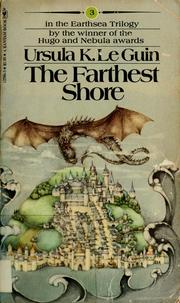
The Farthest Shore
2,800-word summary 12 min read 223 pages in the book
- First published
- 1972
- Publisher
- Atheneum
- Pages
- 223
- ISBN
- 9781442480834
- Series
- Earthsea Cycle (#3)
Reading options
What's inside (8 sections)
I came to The Farthest Shore late, after reading A Wizard of Earthsea and The Tombs of Atuan in my twenties and letting them sit for years. I remembered Ged as a proud boy who learned to name his shadow, and Tenar as the priestess who walked out of the dark with him. I expected the third book to feel like more of the same, another island, another lesson. It did not. The copy I read points back to the first edition, published in 1972 by Atheneum, 223 pages in hardcover, the closing part of what people then called the Earthsea trilogy. It reads older, stranger, and sadder than the first two, and it stayed with me longer than I wanted.
The set up is simple and chilling. Across Earthsea, magic is failing. Wizards forget words they have known for decades. Songs lose their lines halfway through. A small farmer’s wife tells Ged that her husband’s mending spell, used for years, now does nothing. On Roke, where the school keeps the great powers in balance, the masters argue in low voices. Something is wrong at the root, and no one can name it.
That mood of loss hooked me. Le Guin does not start with a battle. She starts with forgetting.
A prince comes to Roke
The book is told mostly through Arren, which surprised me at first. He is the young Prince of Enlad, fifteen or so, sent by his father to Roke with news. He crosses grey water in spring, seasick and trying not to show it, and walks up to the school with his cloak too fine for the mud. He expects towers and fire. He finds quiet men in plain robes who listen more than they speak.
Arren meets Ged in the grove, and Oseman, no, Le Guin writes the meeting with care. Ged is now Archmage, no longer the hot student of the first book. He has a scarred cheek from the shadow that marked him young, grey in his hair, a staff that looks used. He listens to Arren’s report, that sorcerers in the north have lost their craft, that his father’s wizard can no longer heal, that people dream of a place where death does not matter, and he does not dismiss it. He asks Arren what he saw himself, not what his father’s counselors said. Arren, who thought he would give a speech, stammers out the truth. Men are afraid. They talk of a man who promises life without end.
Ged decides to go and see for himself, and to take Arren with him. Not as a servant, but as companion. Arren is thrilled and terrified. He has read songs about Ged, about the dragon lord who saved the Tombs with Tenar, and now he will sail with him in Lookfar, the small boat Ged loves. Before they leave, the masters warn Ged that his power may fail too. Ged nods as if he already knows.
I liked Arren at once because he is ordinary in a useful way. He is brave but untried. He wants to be worthy. He worries he will say the wrong thing in front of dragons. Le Guin stays close to his view, so Ged stays a little distant, seen from outside. That distance makes Ged’s weariness hit harder.
Magic going out like a tide
The voyage south gives Le Guin room to show the sickness. Ged and Arren sail from Roke past green islands toward Hort Town, a busy port that smells of fish and pitch. In past books, ports were lively, full of gossip and music. Here the music is off. A harper in a tavern forgets the second verse of a song everyone knows. He laughs, then looks scared. A local wizard named Hare sits in a corner, shaking, eyes bright, talking about dreams where a voice tells him to give up names and live forever.
Hare is a sad, sticky character. He was once strong, now he is thin from a root he chews to dream. He begs Ged for help and also warns him off. He says the promise is sweet. No death. No ending. Just follow the voice past the wall of stones. Ged pities him and questions him gently, and Hare lets slip a name that means little yet. Cob. A wizard from the past who wanted to beat death.
From Hort Town they sail to Lorbanery, once known across the archipelago for silk dyed in deep reds. The vats stand cold. The dyers have forgotten the chants that set color. Cloth comes out streaked and dull. People move slowly, hostile from shame. A woman spits at Ged when he asks for water. Arren, who thought princes would be welcomed, learns to keep his cloak wrapped and his head down. Le Guin writes these stops without rushing. A market with few stalls. A child who will not sing. A wind that feels wrong.
What is failing goes beyond spells into meaning itself. True names still exist, but men trade them cheaply for the promise of endless life. Wizards give up their staffs. Dragons, who are magic in flesh, grow confused. Ged explains to Arren on night watch that Earthsea keeps a balance, and someone has tipped it by opening a door that should stay shut. He does not yet know who holds it open, or what closing it will ask of him.
These chapters are slow, and I will be honest about that later. But they build dread in a way that loud books do not. I found myself listening for what was missing, the way you notice a house gone quiet.
The Raft People and the open sea
Pressed on by storms and cold welcomes, Ged and Arren push southwest past the last settled fields toward the far Reaches. Arren starts to feel the pull himself. In dreams he hears a kind voice offering rest, no more fear, no more duty. He wakes ashamed, salt on his lips, unsure if he spoke aloud. Ged watches him with kind eyes and says little, which Arren finds worse than scolding.
Then comes an attack that changes the shape of the trip. On a grey island where they land for water, men throw stones. Ged is hurt trying to shield Arren, a cut that will not close right because his healing strength is thinning. Arren freezes. He has a sword and a prince’s training, but fear pins him. He drags Ged to the boat at last, hands shaking, and they drift. For a day and a night Arren bails and prays and hates himself. Ged lies feverish, muttering old speech in his sleep.
They are saved by the Raft People, who live entirely on great rafts of timber lashed together beyond any shore. I loved this section. The rafts are towns that float, with gardens in boxes, children who swim before they walk, elders who read weather in birds. The people take Ged and Arren in without questions, feed them soup, pack the wound with clean moss, give them dry skins to sleep under. Because they live outside the settled order, the sickness has not reached them yet. Their singers still remember songs. At the midsummer rite, though, the shadow touches even them. A singer stops mid line, mouth open, song gone. The crowd goes still. An old woman weeps without sound.
Ged rests and mends enough to stand. He talks long with the raft elders, who tell him of dragons seen flying wrong, clumsy and angry. Arren helps mend nets to pay their keep and starts to forgive himself a little, though he still replays his freeze on the beach. One night he asks Ged if fear means he is unfit to be a prince. Ged says fear is just weather. What matters is what you do after. It is a plain line, and Arren holds it close.
Le Guin uses the Raft People to show what health looks like, so the loss lands harder. These are folk who share food, raise kids together, laugh easily. When their songs start to go, you understand this is not a wizard problem. It is a world problem.
Selidor and the dragons losing speech
A dragon brings the next turn. Orm Embar, great and dark, comes down on the wind near the rafts, wings beating spray. He should speak in the old speech, clear and proud. Instead he struggles, hissing, forcing out broken words. He begs Ged to come to Selidor, the westernmost land, where dragons nest among black sands. Something there is unmaking them. They forget their names. They fight each other like beasts.
The sail to Selidor is the hardest water in the book. Past the Dragons’ Run, the sea narrows between rocks where dragons used to fly in wide patterns. Now they wheel and snap, mad with loss. One passes so close to Lookfar that Arren feels heat on his face. Ged holds the boat steady with skill more than spell, because spell is thin now. His hands shake on the tiller. Arren rows until his shoulders burn.
Selidor itself is bare and windy, with bones half buried in sand. At the far western point stands a hut built of dragon bones, and in it waits the man behind the sickness. Cob. Ged knew him years ago as a young wizard hungry for power. Ged beat him then and thought that was the end. It was not. Cob went into dark arts after his defeat, learning how to call the dead and hold them, refusing to accept ending. To live forever himself, he opened a breach between the living world and the dry land where the dead wait. That hole is drinking the life out of Earthsea. Every spell spent near it leaks away. Every name given up feeds it.
Cob looks neither old nor young, which is the horror of him. He speaks softly, politely, offering Ged the same deal he offered Hare and the dyers and Arren in dreams. Give up your name. Step past death. Stay. Ged refuses, and Cob pins him with a staff taken from a dead mage, a thing of cold power. Orm Embar, who has followed despite losing speech, drives down and impales himself on that staff to break its hold, crushing Cob in the same stroke. It is a brutal, loyal death. The sand shakes. Arren screams.
But Cob does not die, because he has already left life. His body breaks, yet he slips away toward the dry land, back through the breach he made. Ged, spent and bleeding, gets up and follows. Arren, without pause this time, follows Ged.
The dry land and what Ged pays
The dry land of the dead is the bleakest place Le Guin ever wrote. No sun. No wind. A long stone wall, moorland that goes on without color, cities where the dead stand in silence. The living should not walk there, yet Ged and Arren do, step by step, over the Mountains of Pain that mark the far edge. Le Guin writes it plainly, which makes it worse. No monsters jump out. There is just endless grey and the feeling of your own breath as the only warm thing.
Cob waits among the dead, still speaking in that kind voice. He tells Arren he can see his father again, can keep everyone he loves, if he only stops holding to names and selves. Arren, who has grown from the boy who froze on the beach, stands firm. He holds Ged’s staff when Ged stumbles. He speaks his own true name aloud to hold himself together. That name is Lebannen, which means rowan tree in the old speech, and saying it steadies him like a handrail.
Ged faces Cob and does what no one else can do. He closes the breach. It takes everything. He spends his own power down to the last grain, sealing the hole with himself as the seal. Light comes back in a way that is hard to describe without sounding soft, but Le Guin keeps it physical. Wind moves. Water runs. The dead lie still again. Cob is gone, truly gone this time, unmade by the closing.
The walk back nearly kills them both. They crawl up the slope toward daylight, Ged empty, Arren half carrying him. On the beach of Selidor, the oldest dragon, Kalessin, waits. Vast, red gold, patient as stone. She lifts them and flies east across the sea to Roke and then to Gont, Ged’s home island. When Arren wakes, bells are ringing. The masters bow to him. An old foretelling says the king will return who has crossed the dark land living and come to the far shores of day. Arren, Prince of Enlad, will be crowned King Lebannen and try to bind the scattered lands together again.
Ged does not stay for the crowning feast. He is spent, power gone, hands that once lit fire now just hands. Kalessin bears him to Gont, to the mountain path above his childhood village. He walks into the trees alone. In the first telling Le Guin left his end open, whether he would sail out and vanish or live quiet among goats and pines. Years later she chose the quiet life when she returned to Earthsea in Tehanu. Here, at the close of the 1972 book, what matters is that he gave what he had and lived.
What holds and what drags
There is much here that holds. The idea at the center is strong and clear. If you refuse death, you refuse life. Cob wants endless days, but endless days with no risk and no end turn out to be grey moors where no one sings. Ged, who once hungered for power as a boy on Roke, now knows to do only what must be done and to pay for it. When he tells Arren to act only when no other way is left, it does not sound like a rule from a schoolbook. It sounds like a man who has paid for every shortcut.
The bond between Ged and Arren holds too. It grows without big declarations. Ged teaching Arren to steer by stars. Arren learning to sit watch without talking. Arren failing, then not failing the second time. By the dry land chapters, I trusted them completely. Arren speaking his true name to stay himself is a small scene that hit me hard, because names in Earthsea are selves, and giving yours truly is a brave act.
Now what drags, and I want to be fair because I admire Le Guin. The middle voyage sags. Hort Town to Lorbanery to the far Reaches, landing, warning, sailing on, can blur. Ports start to feel alike in their gloom, and Hare and the dyers, though sad, get short time before we move on. After the tight rooms of The Tombs of Atuan, all this open water can feel thin. I put the book down twice in that stretch, not from dislike but from sameness.
The women of the book are thin as well. After Tenar carried much of the second book, this one returns to men and dragons. There are raft mothers and a few sharp market women, but none stay long or shape choices. The story is about a boy becoming a king with an older man as guide, and it shows. Le Guin herself later pushed back at that tilt in Tehanu and after, giving Tenar and other women fuller age and anger. In this 1972 book alone, the gap is plain.
The end is bleak in a way that may put some readers off. Ged loses his magic. Orm Embar dies. The songs return, but slowly, and the book does not pretend all wounds close. Arren gets a crown, yet crowns in Le Guin mean duty more than joy. If you want a feast and jokes after victory, you will not find it here. I found the bleakness honest, but I missed the warmth of Vetch’s friendship from the first book and Tenar’s dry humor from the second.
Should you read it. Yes, if you have read the first two Earthsea books and want the arc closed as it stood in 1972. At 223 pages in the first Atheneum edition, it is short enough to read in three evenings, though it feels longer because of the sea miles. Read it for the Raft People, for Kalessin waiting on the sand, for a young prince learning to stand, and for an old wizard who pays full price to mend what he once helped break. It is not the easiest Earthsea book to love. It may be the one that stays longest, like salt on skin after a crossing.
FAQ
When was The Farthest Shore published?
It was first published in 1972 by Atheneum. The first edition runs 223 pages. ISBN 9781442480834 is a later paperback of the same work.
Is The Farthest Shore part of a series?
Yes. It is book three in the Earthsea Cycle, after A Wizard of Earthsea and The Tombs of Atuan.
Who is Cob and how is he stopped?
Cob is a wizard who opened a breach to the dry land of the dead to escape death. Ged spends all his power to close it.
Similar books
More from Earthsea Cycle first, then related titles.
A Wizard of Earthsea
A proud goatherd becomes the wizard Ged, looses a shadow at Roke, and must hunt it across Earthsea to name it. Le Guin's lean 1968 series opener.
2,972-word summary · 13 min read
The Tombs of Atuan
Priestess Arha guards dark Tombs until wizard Ged comes to steal back ring.
2,043-word summary · 9 min read
Dragons of Autumn Twilight
Old friends reunite at the Inn of the Last Home, guard a glowing Blue Crystal Staff, face black dragon Khisanth, and free slaves at Pax Tharkas in this 1984…
2,803-word summary · 12 min read
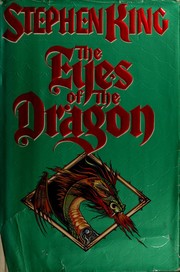
The Eyes of the Dragon
In the kingdom of Delain, a jailed prince and his younger brother face a magician whose long plot for the throne turns on a napkin clue.
2,018-word summary · 9 min read

The Blinding Knife
Kip trains to join the Blackguard while the Prism hides his true identity, loses his colors, and fights a war against a rogue drafter who wants to birth a god.
2,049-word summary · 9 min read
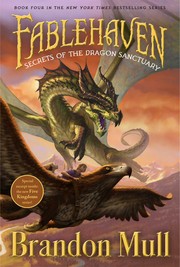
Secrets of the Dragon Sanctuary
Kendra is replaced by a plant copy and held by the Society, while Seth steals a unicorn horn so the family can enter a dragon sanctuary.
2,590-word summary · 12 min read
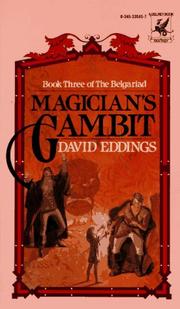
Magician's Gambit
Garion and his companions cross haunted Maragor and the caves beneath Rak Cthol to recover the Orb of Aldur.
2,391-word summary · 11 min read
Homeland
Drizzt Do'Urden is born into the cruel drow city of Menzoberranzan, where his father teaches him to fight and to doubt everything his family believes.
2,303-word summary · 10 min read
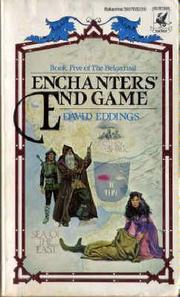
Enchanters' End Game
Garion marches toward Torak while Ce'Nedra leads the West's army in the final Belgariad volume, where prophecy and war meet.
2,557-word summary · 11 min read
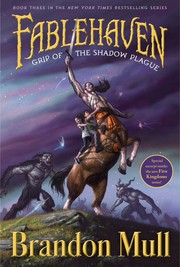
Grip of the Shadow Plague
A plague turns Fablehaven's creatures of light into shadows while Kendra hunts an artifact in Arizona and Seth races to find the cause.
2,131-word summary · 9 min read

The Queen of the Tearling
Nineteen-year-old Kelsea leaves the woods to take her throne, ends a shipment of human captives, and draws the Red Queen's revenge.
2,357-word summary · 10 min read
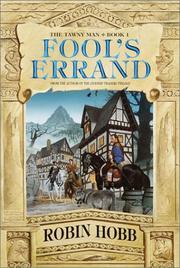
Fool's Errand
FitzChivalry Farseer has lived in exile for fifteen years. When Prince Dutiful vanishes before his betrothal, Fitz returns to Buckkeep to find him, with a wolf…
2,606-word summary · 12 min read
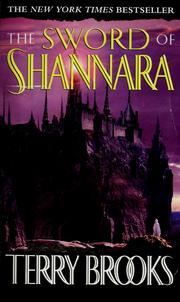
The Sword of Shannara
A young half-Elf and a company of companions set out to recover a magic sword before the Warlock Lord destroys the Four Lands.
2,474-word summary · 11 min read
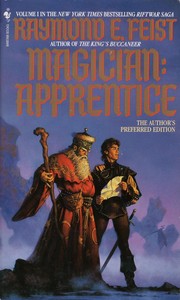
Magician: Apprentice
An orphan kitchen boy and a smith's son grow up in a frontier castle just as invaders from another world open a rift and begin a war that will change both of…
2,114-word summary · 9 min read
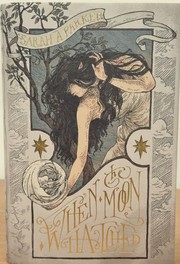
When the Moon Hatched
An assassin who hears air takes a job that throws her to dragons and a hunter.
2,083-word summary · 9 min read
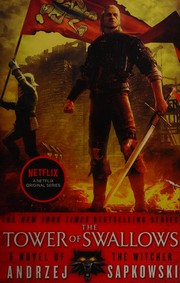
The Tower of the Swallow
Ciri flees as a bandit while Geralt gathers allies to find her.
2,580-word summary · 11 min read
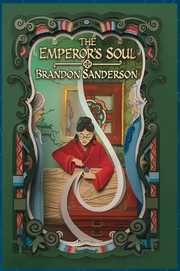
The Emperor's Soul
Forger Shai must stamp a new soul for the dying emperor in 100 days.
2,313-word summary · 10 min read
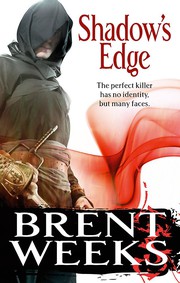
Shadow's Edge
Kylar fakes death as a king killer while Vi hunts him for the Godking.
2,245-word summary · 10 min read
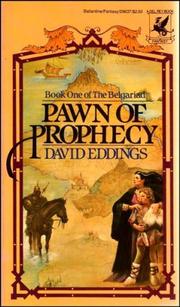
Pawn of Prophecy
Farm boy Garion learns sorcerers watch him as an old Orb wakes.
2,331-word summary · 10 min read
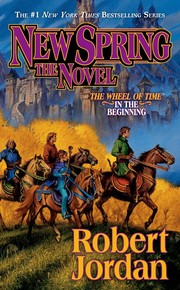
New Spring
Moiraine and Lan hunt the newborn Dragon before the Black Ajah finds him.
2,475-word summary · 11 min read
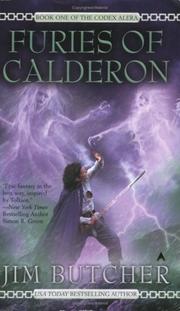
Furies of Calderon
Furyless Tavi defends Calderon Valley when the Marat return and lords scheme.
2,587-word summary · 11 min read
Stone of Tears
After the veil tears, Richard seeks training from the Sisters while Kahlan holds a fracturing Midlands and Zedd hunts the missing Stone.
2,483-word summary · 11 min read
Edgedancer
Hungry street thief Lift and her vine-like friend Wyndle cross the Herald Nale in Tashikk when a child emperor shows Radiant signs and she refuses to step…
2,328-word summary · 10 min read
The City of Brass
Cairo con artist Nahri summons djinn Dara and is drawn to Daevabad where Ali questions pureblood rule.
1,993-word summary · 9 min read
The Black Prism
Dying Prism Gavin Guile hides a secret son while war brews over color magic in the Seven Satrapies.
2,169-word summary · 10 min read
Gardens of the Moon
Empire, gods, and mages collide over Darujhistan as Bridgeburners bleed for Empress Laseen.
2,188-word summary · 10 min read
Crossroads of Twilight
Rand cleansed saidin and the whole world felt it. Book ten follows each faction as they react, stall, and choose sides.
2,264-word summary · 10 min read
Lord of Chaos
Rand offers amnesty to men who can channel while Egwene is raised Amyrlin in exile. Book six of The Wheel of Time builds toward rescue and reckoning at Dumai's…
2,255-word summary · 10 min read
A Crown of Swords
After Dumai's Wells, Rand holds Cairhien while Egwene besieges Tar Valon and Elayne and Nynaeve hunt relief in Ebou Dar. Book seven crowns kings and queens at…
2,828-word summary · 13 min read
The Hero of Ages
Vin and Elend face ash, mist, and Ruin itself as the prophecies fail and Sazed searches old faiths for answers.
2,559-word summary · 11 min read