
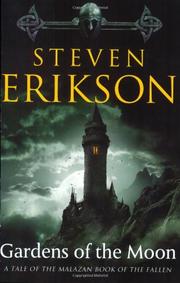
Gardens of the Moon
2,188-word summary 10 min read 496 pages in the book
- First published
- 1999
- Publisher
- Tor Books
- Pages
- 496
- ISBN
- 9780765322883
- Series
- The Malazan Book of the Fallen (#1)
Reading options
What's inside (7 sections)
I started Gardens of the Moon twice. The first time I bounced off page eighty, drowned in names. The second time I kept a notebook and fell hard. Steven Erikson first published it April 1, 1999. The Tor edition runs 496 pages with ISBN 9780765322883. It is book one of The Malazan Book of the Fallen, followed by Deadhouse Gates. It follows the Malazan Empire siege of Darujhistan through soldiers, mages, thieves, and gods. If you want epic fantasy that respects your intelligence and punishes inattention, this is it. Bring notes.
The Malazan Empire, built by Emperor Kellanved and now ruled by Empress Laseen after his murder, bleeds from endless war. Laseen sends the Second Legion to take Genabackis continent, last Free Cities. The siege of Pale, a flying city held by sorcery, opens the book with horror. Tattersail, cadre mage, watches her squad die to a Moranth munition and a treacherous ally. Sergeant Whiskeyjack and his Bridgeburners, sappers, heavies, mages, hold a tunnel while mages duel overhead. The city falls, but victory costs the Empire its best. Laseen, far away, does not care. Soldiers learn early they are pieces.
Darujhistan, last Free City, holds out with walls, politics, and a god. Anomander Rake, Son of Darkness, Tiste Andii lord with a floating fortress Moon's Spawn, protects it for reasons no one trusts. The Malazan plan sends Bridgeburners undercover, assassins of the Claw, and a noblewoman Adjunct Lorn to take it from inside. Opposing them are Rake, local thieves guild, alchemists, and gods who walk streets in disguise. Everyone schemes. No one explains. Erikson drops you mid war and expects you to swim.
Soldiers who doubt
Whiskeyjack leads the heart. A sergeant who should be officer, tired, decent, loved by his squad. He follows orders he doubts because soldiers do. His Bridgeburners, Fiddler the sapper with fiddle and mines, Hedge, Quick Ben the too clever mage with seven warrens, Kalam the assassin huge and gentle, Sorry, a young fisher girl possessed by something old, Trotts, Mallet the healer. Each gets pages. Each feels lived. They bicker over food, cards, boots. They mourn Pale dead by drinking. They distrust Lorn and the Claw because Empire eats its own. Their loyalty is to each other, not Empress. That distinction drives the book.
Tattersail, cadre sorceress, carries grief and power. She survived Pale by luck and hates luck. She reads cards, Deck of Dragons, that show gods moving. She takes in Sorry, sensing the girl houses a god, Cotillion the Rope, patron of assassins. She tries to mother Sorry while fearing what rides her. Her romance with Paran, a young noble officer sent to command, grows through shared danger, not speeches. Paran, idealistic and lost, dies early and refuses to stay dead, becoming Master of the Deck. His death and return set the book metaphysics. Death is a gate, not an end, if gods need you.
Ganoes Paran story shows Empire cruelty. Son of nobles, he joins to prove honor. Posted to Genabackis, he finds honor means burning villages. Lorn uses him as pawn. Oponn, twin gods of chance, push him. He dies by sword meant for another, then walks through Hood's realm and back because the Deck needs a Master. His chapters in Death, meeting Hood, talking with ghosts, are eerie and clarifying. The series argues power flows through roles, Master, Soldier, Thief, that gods fill. Refuse a role and another takes you. Accept and you gain purpose plus chains.
Crokus, a young thief in Darujhistan, gives street view. Orphaned, raised by thieves Mammot and others, he steals from the rich and dreams of girls. He steals from Lady Simtal and gets entangled with Rake fortress, with assassin Circle Breaker, with a girl Challice. His plot feels YA beside soldier grimness, which balances. He learns the city underworld serves gods too. His coin, a luck token from Oponn, flips outcomes. When he falls for a girl above him, he acts brave and stupid. Readers who drown in soldier names can breathe with Crokus. Then soldiers return and drown resumes.
Gods in streets
Gods walk Darujhistan and Erikson does not introduce them with trumpets. Shadowthrone and Cotillion, Emperor and Rope ascended, scheme to humiliate Laseen and Rake. Oponn push luck. Hood waits. The Deck of Dragons readings, scattered through, show positions shifting. Mages draw cards that bleed. Tattersail reads for Paran and fears. Fiddler reads for laughs and stops. The Deck is tarot with teeth. Gods move pieces by nudging dreams, coins, weather. Mortals think they choose. Sometimes they do, which surprises gods most.
Anomander Rake dominates without hogging. Seven feet, black skin, white hair, sword Dragnipur that drinks souls into a chained wagon inside. He floats Moon's Spawn above Darujhistan as warning. He duels mages, talks philosophy with barmaids, mourns his people. He wants Darujhistan free but will sacrifice it to hurt Laseen and Shadowthrone. His complexity lifts the book above empire versus city. He is not savior. He is old power tired of young empires. When he finally acts, with dragons and darkness, the sky breaks. The siege climax, with Rake, Rake foe, and Malazan sorcery colliding over rooftops while thieves run below, is worth the confusion to reach. Read it slowly. Track who flies, who falls, who watches.
Kruppe, a Darujhistan mage who pretends fool, steals scenes. Fat, loquacious, always eating, speaking in circles that hide sense. Gods listen when he rambles because Elder magic moves through him. He protects Crokus, lies to Rake, feeds Bridgeburners. His chapters are comic relief with weight. Do not skim, though tempting. Clues hide in his babble about candles, coins, dreams. Erikson uses fools to tell truth, Shakespeare style. Kruppe lies to everyone including readers, then tells one true sentence that reframes. Mark those sentences. They matter in later books too.
The city itself, Darujhistan with blue fire, parties, assassins guild voting on contracts, alchemists selling Moranth munitions, deserves praise. Taverns where soldiers and thieves drink side by side because war pauses for drink. A party where gods attend masked. Streets where children steal from mages. Erikson built it with an archaeologist eye for markets, temples, slums. You smell smoke, perfume, sewers. That texture keeps pages turning when plot blurs. Stay for city even when armies confuse.
Warren magic and cost
Warrens, paths of magic by element and elder race, power the book and confuse newcomers. Denul heals. Mockra minds. Thyr lights. Rashan shadows. Warren travel means stepping aside through realms where time slips. Mages tire, bleed from noses, age. Quick Ben holds seven, unheard of, by making deals. Tattersail holds Thyr and Denul. Rake holds Kurald Galain darkness. Using draws attention from gods and Hounds. Every spell risks. That cost keeps magic from solving all. When Quick Ben faces a Hound, he runs though he could fight, because fighting calls worse. Smart mages hide. Only desperate or gods show off.
The Hounds of Shadow, seven huge beasts, hunt through warrens and streets. Their arrival means Shadowthrone moves. Soldiers fear them more than armies. One scene where Kalam faces a Hound with knives, knowing he will die but standing so others run, defines Bridgeburner ethos. No speeches. Just stand. Fiddler mines a street to kill gods' dogs. It works partly. Cost follows. Erikson does not let clever plans win clean. Mines kill friends too. Victory tastes of ash. That grit separates Malazan from cleaner epics. No one wins without burying.
Assassins Circle, Claw, and Circle Breaker add spy layers. Lorn commands Claw to kill Rake followers. Sorry, housing Cotillion, kills Claw instead. Circle Breaker, a Darujhistan assassin who broke guild to warn targets, feeds both sides. Who he is stays hidden until late, and reveal rewards careful readers who tracked payments. I missed it first read. Second, with notes, I caught the limp mentioned twice. Fair play buried under names. Do not feel bad missing. Even fans reread with guides.
The ending converges on a rooftop garden party, a festival, and a gate. Gods manifest. Mages duel. Thieves steal the right thing at right time. Bridgeburners hold a line they should flee. Rake chooses city over vengeance, mostly. Laseen plan fails, mostly. Darujhistan stands, damaged, free-ish. Soldiers bury dead and march on, knowing Empire will spend them again. No throne won. Just survival with honor intact, which in Malazan counts as triumph. The last pages, with Fiddler playing while others sleep, ache with tired love. Stay for that song.
How to read it
Advice is needed because many quit. Do not memorize every name first read. Track squads, Bridgeburners core, Darujhistan thieves, gods by Warren. Accept confusion for 200 pages. Erikson trusts you. Reread Deck readings slowly. They summarize. Use the Dramatis Personae but know it spoils little and helps much. Read with map nearby. Darujhistan districts matter. Genabackis coast matters. Do not skip Kruppe, though you will want to. His babble holds plot.
Fair criticism is real. At 496 pages, the book overstuffs. Too many viewpoints. Crokus YA plot jars beside grim soldiers. Female characters get less interiority than men, though Tattersail shines. Erikson later fixes this. Prose runs dense with invented nouns. Warren, Tiste, Moranth, Claw, Deck. Glossary helps but breaks flow. Some readers find gods capricious to excuse plot holes. Sometimes true. Still, ambition carries. No other first epic attempts this much and lands this hard.
Who should read. Adults and older teens ready for grim epic fit best. There is war death, torture, sexual content, strong language. No explicit gore feasts, but bodies pile. Fans of Black Company will feel home with soldier banter. Fans of Sanderson systems will enjoy warrens. Fans of quick heroes should adjust. This is ensemble where heroes die mid book and gods shrug. Start here, not later. Deadhouse Gates follows new continent with some same souls. Keep notes. The garden grows stranger and better. Moon wanes. Soldiers march. Gods wait. Read on.
Paran, Sorry, and the Deck
Ganoes Paran death and return needs closer attention because it sets series rules for souls. Killed by Sorry with an Otataral sword that should block magic, Paran falls into Hood's realm and refuses to lie down. Oponn push. Hood claims. The Deck calls. Paran becomes Master of the Deck, a mortal holding a role gods need. That role lets him walk between, draw cards that bleed real blood, and command small mercies. His chapters among the dead, talking with Hood who is tired of collecting, show Erikson theology. Death is overworked, not evil. Gods are needy, not noble. Mortals who accept roles gain leverage. Paran accepts to protect soldiers he barely knows. That choice defines Malazan heroism. Not glory. Duty taken after death.
Sorry as Cotillion vessel terrifies because she is a child. A fisher girl taken young, emptied, filled by Rope god. She kills without malice, the way weather kills. Tattersail mothers her while fearing her. Whiskeyjack watches her sleep with hand on knife, hating himself. When Cotillion acts through her to kill Claw, Sorry body breaks a little more. The tragedy is she never consented. Gods use children as gloves. Erikson does not soften this. He shows squad love her anyway, sharing food, teaching knots, while planning to stop her if needed. That love without illusion is the book moral center. Care for the possessed child even as you guard against god. When Sorry is freed late, at cost to Tattersail herself, the girl who returns remembers nothing. The squad mourns who she was and welcomes who is. Both true. War takes children first. Kindness remembers names after.
The Deck of Dragons as system deserves a primer because it confuses. Warrens are paths. Deck positions are roles. Houses are families of power. Reading lays out who moves. Tattersail reads for Paran and sees Knight, Soldier, Thief in new places. Fiddler reads for laughs and sees his own death. Quick Ben cheats readings by holding extra cards up sleeves, literally and magically. Gods stack decks. Mortals redraw by acting. The Deck updates, which means fate is negotiable. That negotiability is hope in grim world. Cards show, not compel. When Paran as Master reshuffles by refusing Hood, the Deck shudders. Even gods feel change. Learn this now. Later books hinge on Deck shifts. Keep a list of Houses, Light, Dark, Shadow, Death, Life. Watch who sits where. The game is long. Gardens only deals first hand.
Darujhistan thieves add street stakes that balance gods. Crokus steals from Lady Simtal and triggers Rake interest. His uncle Mammot, a secret mage, protects him badly. Thieves guild votes on whether to kill Bridgeburners for coin. Circle Breaker warns targets for conscience. These plots intersect soldier plans at the party where all wear masks. Masks literal and divine slip. A thief steals a finial that holds a god. A soldier spares a thief who will save him later. Debts tangle across class. Erikson loves debts. They bind better than oaths. Track who owes whom. Crokus owes Rake a life. Rake owes Kruppe a laugh. Kruppe owes none, which makes him freest. Debts will be called in book ten, let alone two. Remember.
FAQ
When was Gardens of the Moon published?
First published April 1, 1999. The Tor edition runs 496 pages with ISBN 9780765322883.
Is it part of a series?
Yes. It is book one of The Malazan Book of the Fallen, followed by Deadhouse Gates.
Who should read it?
Adults and older teens fit best. There is war violence, torture, and sexual content.
Similar books
More from The Malazan Book of the Fallen first, then related titles.
The Blinding Knife
Kip trains to join the Blackguard while the Prism hides his true identity, loses his colors, and fights a war against a rogue drafter who wants to birth a god.
2,049-word summary · 9 min read
The Tower of the Swallow
Ciri flees as a bandit while Geralt gathers allies to find her.
2,580-word summary · 11 min read
The Black Prism
Dying Prism Gavin Guile hides a secret son while war brews over color magic in the Seven Satrapies.
2,169-word summary · 10 min read
Magician's Gambit
Garion and his companions cross haunted Maragor and the caves beneath Rak Cthol to recover the Orb of Aldur.
2,391-word summary · 11 min read
Homeland
Drizzt Do'Urden is born into the cruel drow city of Menzoberranzan, where his father teaches him to fight and to doubt everything his family believes.
2,303-word summary · 10 min read
Enchanters' End Game
Garion marches toward Torak while Ce'Nedra leads the West's army in the final Belgariad volume, where prophecy and war meet.
2,557-word summary · 11 min read
The Queen of the Tearling
Nineteen-year-old Kelsea leaves the woods to take her throne, ends a shipment of human captives, and draws the Red Queen's revenge.
2,357-word summary · 10 min read
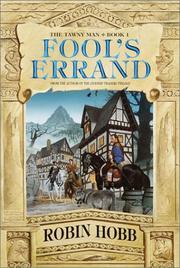
Fool's Errand
FitzChivalry Farseer has lived in exile for fifteen years. When Prince Dutiful vanishes before his betrothal, Fitz returns to Buckkeep to find him, with a wolf…
2,606-word summary · 12 min read
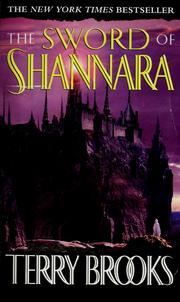
The Sword of Shannara
A young half-Elf and a company of companions set out to recover a magic sword before the Warlock Lord destroys the Four Lands.
2,474-word summary · 11 min read
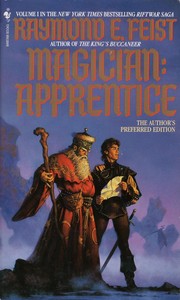
Magician: Apprentice
An orphan kitchen boy and a smith's son grow up in a frontier castle just as invaders from another world open a rift and begin a war that will change both of…
2,114-word summary · 9 min read
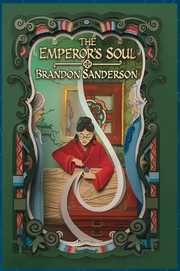
The Emperor's Soul
Forger Shai must stamp a new soul for the dying emperor in 100 days.
2,313-word summary · 10 min read
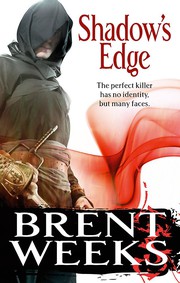
Shadow's Edge
Kylar fakes death as a king killer while Vi hunts him for the Godking.
2,245-word summary · 10 min read
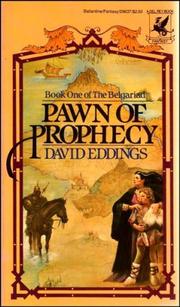
Pawn of Prophecy
Farm boy Garion learns sorcerers watch him as an old Orb wakes.
2,331-word summary · 10 min read
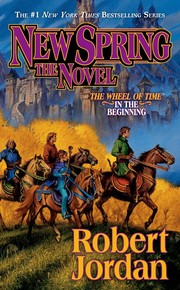
New Spring
Moiraine and Lan hunt the newborn Dragon before the Black Ajah finds him.
2,475-word summary · 11 min read
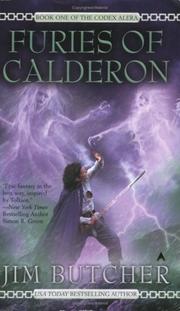
Furies of Calderon
Furyless Tavi defends Calderon Valley when the Marat return and lords scheme.
2,587-word summary · 11 min read

Stone of Tears
After the veil tears, Richard seeks training from the Sisters while Kahlan holds a fracturing Midlands and Zedd hunts the missing Stone.
2,483-word summary · 11 min read
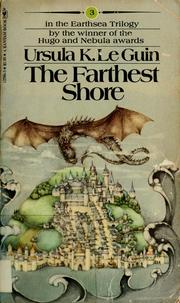
The Farthest Shore
Archmage Ged and Prince Arren sail to the far west to stop Cob, whose bid for endless life drains magic across Earthsea in Le Guin's sad 1972 third volume.
2,800-word summary · 12 min read
Edgedancer
Hungry street thief Lift and her vine-like friend Wyndle cross the Herald Nale in Tashikk when a child emperor shows Radiant signs and she refuses to step…
2,328-word summary · 10 min read
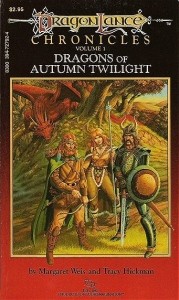
Dragons of Autumn Twilight
Old friends reunite at the Inn of the Last Home, guard a glowing Blue Crystal Staff, face black dragon Khisanth, and free slaves at Pax Tharkas in this 1984…
2,803-word summary · 12 min read
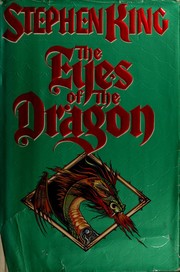
The Eyes of the Dragon
In the kingdom of Delain, a jailed prince and his younger brother face a magician whose long plot for the throne turns on a napkin clue.
2,018-word summary · 9 min read
The City of Brass
Cairo con artist Nahri summons djinn Dara and is drawn to Daevabad where Ali questions pureblood rule.
1,993-word summary · 9 min read
Crossroads of Twilight
Rand cleansed saidin and the whole world felt it. Book ten follows each faction as they react, stall, and choose sides.
2,264-word summary · 10 min read
Baptism of Fire
Wounded Geralt crosses war country with odd allies to find Ciri after the Thanedd coup.
2,076-word summary · 9 min read
Winter's Heart
Trapped in Far Madding without the Power, Rand baits his betrayers while Mat plots escape from Ebou Dar and Elayne fights for Caemlyn.
2,906-word summary · 13 min read
The Path of Daggers
Rand wields Callandor against Seanchan while Elayne and Egwene maneuver.
2,492-word summary · 11 min read
Knife of Dreams
Rand sets a Seanchan trap while Mat weds Tuon, Perrin storms Malden, Elayne takes Caemlyn, and Egwene defies Elaida.
2,988-word summary · 13 min read
A Memory of Light
Rand faces the Dark One at Shayol Ghul as all armies join the Last Battle.
2,165-word summary · 10 min read
Lord of Chaos
Rand offers amnesty to men who can channel while Egwene is raised Amyrlin in exile. Book six of The Wheel of Time builds toward rescue and reckoning at Dumai's…
2,255-word summary · 10 min read
Last Argument of Kings
Jezal takes the crown, Glokta serves two masters, and Logen faces Bethod as the Gurkish close on Adua.
2,479-word summary · 11 min read
A Crown of Swords
After Dumai's Wells, Rand holds Cairhien while Egwene besieges Tar Valon and Elayne and Nynaeve hunt relief in Ebou Dar. Book seven crowns kings and queens at…
2,828-word summary · 13 min read