
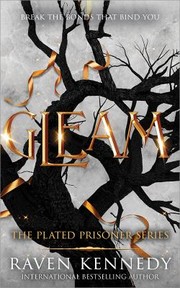
Gleam
2,073-word summary 9 min read
- First published
- 2021
- Publisher
- Sourcebooks
- ISBN
- 9781464224430
- Series
- The Plated Prisoner (#3)
Reading options
What's inside (8 sections)
I started the Plated Prisoner series expecting spicy Beauty and the Beast retelling fluff and found, by book three Gleam, something darker about a woman learning her cage was never love. Auren, King Midas's gilded favorite, is taken by Slade and must face that her gold touch is hers, not his gift. At over 500 pages in paperback, it is long, horny, angry, and surprisingly moving about autonomy.
Auren caged
Auren grew up in a cage, literally as a child prisoner and then as Midas's prized vessel kept on a pedestal with guards. Midas turned everything he touched? No, Auren turns things to gold with her hands. Midas took credit, locked her in gold cages to display power, and told her it was protection. She believed because the alternative, that love was use, hurt too much. Books one and two, Gild and Glint, show the gilded life cracking as Midas trades her to settle debts and Slade, the fae warrior king in disguise, watches with interest that feels like threat and promise.
Gleam opens with Auren in Slade's keeping after Midas's fall at the end of Glint. She is free in name and still caged in head. Flinches at raised voices, apologizes for taking food, asks permission to bathe. Kennedy writes trauma responses without turning them into quirks. Auren counts exits in rooms, sleeps facing doors, hoards bread in sleeves. Slade gives space in ways Midas never did. Separate rooms, choices about meals, training offered not ordered. Patience here is erotic and ethical at once. He wants her and waits for her to want back as a person, not a prize.
Midas remains the villain even off page through letters and armies. Blond, charming, needy for adoration, he convinced kingdoms his touch made gold while Auren bled behind curtains. His neediness makes him more hateful than a cold tyrant. He cries when she leaves, sends gifts, promises change while ordering hunters. Readers who have loved a Midas will recognize the cycle. Grand gesture, small cruelty, apology that demands comfort. Kennedy, who lived the trope before writing it, nails the confusion of missing someone who hurt you.
What I liked is how the book names grooming without lecture. Auren was taken young, praised for stillness, punished for questions, taught her power was dangerous unless Midas managed it. Unlearning takes pages, not a speech. She tests gold on leaves, then on weapons, then on skin, learning limits through burns. Each test is both magic system and therapy. I can do this. It is mine. No one gave it.
Slade and war
Slade, also called Rip, is fae king of the shadow court hiding as a commander. Huge, scarred, funny in dry asides, ruthless in battle. He wants Auren and wants to win a war against Midas and corrupted kings. Both wants conflict because claiming her repeats cage logic. He tries to separate courtship from campaign by asking, leaving, accepting no. Sometimes he fails, looming or ordering for her safety. The book lets him be wrong and apologize without making apology foreplay. That balance keeps the romance from curdling into rescue fantasy.
War plot moves in the background with battles, spies, and bargains. Fae courts with seasonal powers, human kingdoms with gold hunger, pirates who smuggle information. Kennedy keeps politics simple enough to follow. Midas needs Auren to make gold to pay armies. Other kings need Midas to fall to take ports. Slade needs allies to accept a gold touched queen without using her as mint. Councils argue while Auren trains. The fate of kingdoms hinges on whether one woman consents to be used, which is the point. Politics as magnified abuse.
Side characters help. Harman? No, friends like Emonie? Actually allies include a guard who teaches knives, a healer who treats burns without pity, a queen who warns that power invites knives. Female friendship, thin in earlier books, grows here through shared drills and late talks about fear. They do not save Auren. They witness while she saves herself, which is rarer in romantasy and better.
A fair note is length and heat. At 500 plus pages with long training and pining scenes, the middle sags if you want plot. Sex is explicit and frequent, with praise and possessiveness that some will love and others skim. The power dynamics, even consensual, can still trigger given history. Kennedy includes check ins and safewords in later scenes, which helps, but the fantasy of being wanted by a dangerous king while healing from another remains fraught by design. Read with that lens open.
Gold as self
The magic system clarifies here in satisfying ways. Auren's touch turns living and dead to gold, but control depends on emotion and intent. Fear gilds wildly. Calm shapes. Anger burns. She learns to glove, to breathe, to choose. Gold itself is neither good nor evil, just heavy and bright and permanent. What matters is who decides its use. Midas used her as mint. Slade asks her to arm his people and accepts no. She chooses to gild weapons for allies and to refuse minting coins for greed. Choice transforms curse to craft.
Retelling roots show through Midas myth with a twist. Instead of king punished for greed, girl punished for another's greed reclaims myth. Faerie lore about names and bargains frames consent scenes. Say my name, ask, wait. Villages tell stories of gold girls who weep coins, warnings that become prophecies Auren rewrites. Kennedy, who labels the series retelling, uses myth as scaffold rather than cage. You need not know Midas to follow, but knowing adds pleasure when she refuses his dinner invitation that once doomed.
The title Gleam refers to Auren's decision to shine rather than be polished. She stops dulling herself to be manageable. Cuts hair, chooses clothes for movement not display, speaks in councils though voice shakes. A scene where she gilds a whole field to stop cavalry, standing bright and burning, earned its slow build. She is no longer object that gleams when light hits. She is source. Cheesy on summary, moving in context after three books of dimming.
The book ends mid war with Auren choosing Slade as partner while keeping separate rooms and separate purposes. No wedding, no throne shared yet. Armies march. Midas lives to be hated in book four. Some will frustrate at lack of resolution. Series readers expect it. New readers should start with Gild, not here, despite recaps. Gleam pays off patience with character more than plot. A woman who was kept learns to keep herself. Gold that was chain becomes tool. That is enough triumph for one volume while war waits.
Training, touch, and trust
Training scenes carry the middle with sweat rather than speeches. Auren learns knife work with a guard who corrects grip without grabbing, archery with a healer who praises stance, gold control with Slade who watches from distance to avoid pressure. Each lesson includes consent checks that feel romantic rather than clinical. May I touch your wrist to adjust. Tell me if dizzy. Stop when you want. After Midas, who touched without asking, these asks rebuild nerve pathways along with skill. Auren progresses from flinching at sudden moves to sparring full rounds, from apologizing for sweating to demanding water breaks as right.
Touch itself is plot. Auren's gold can kill lovers with a caress, which made Midas keep her gloved and guilty. Slade, fae with resistance and regeneration, can hold her bare handed longer than humans, allowing practice in intimacy without immediate death. They learn pressure, temperature, duration through trial that is both combat training and foreplay. A hand held thirty seconds gilds lightly. A minute burns. An hour with control shapes without harm. Those numbers matter in battle where she must gild weapons fast without killing allies nearby. Control learned in bed saves lives on fields.
Trust builds through small keeps. Slade keeps her secrets from councils though it costs advantage. Auren keeps his war plans though she fears becoming asset again. They share nightmares without fixing. He dreams of cages he built for others before knowing better. She dreams of pedestals polished daily. Waking together, they make tea rather than analyze. Domestic beats between battles do more for romance than vows. Who remembers how the other likes eggs. Who mends cloaks without being asked. Love here is maintenance, not rescue, which fits a heroine learning to maintain herself first.
Side women sharpen the theme. A queen who ruled alone warns Auren that crowns invite knives from lovers as well as enemies. A healer who survived her own cage teaches breathing to slow gold rush when panic spikes. A young soldier asks Auren to gild her sword and thanks her as smith rather than miracle. Each interaction reframes power from display to trade. Auren is not inspiration. She is worker whose work has price others must pay in respect rather than worship. That shift from idol to artisan is Gleam's quiet feminism inside spicy pages.
Midas, queens, and war councils
Midas himself, though mostly off page in Gleam, poisons every council through reputation and spies. Blond king who gilded his own legend by stealing Auren's touch, he now promises gold to mercenaries he cannot produce without her. His letters to Auren mix apology and threat in handwriting she knows too well. Come home, I miss your laugh, kingdoms burn without you, I will burn them myself if you stay. She reads each twice, once for the girl who loved praise and once for the woman learning price. Keeping the letters rather than burning shows growth. Evidence over ash when dealing with charming liars.
Queens in war councils provide countermodels to Midas's use. One rules a mountain hold alone after husband's death, paying troops in grain rather than promises. One leads river folk who vote on war through town moots that last days. Both court Auren as ally rather than asset, offering troops for training in goldcraft rather than demanding minting. Negotiations bore some romance readers with talk of supply lines and winter quarters. I liked them as proof that fantasy politics can be about logistics women manage while men duel. Auren learns to ask for shoes for soldiers before jewels for herself. That priority marks ruler more than glow.
War itself stays mostly off page in Gleam, a choice that frustrates action fans but serves character. Battles are reported by messengers while Auren trains. Skirmishes interrupt lessons with wounded to heal using gold to seal wounds, a power with cost that leaves her drained and gray. Slade leaves for fronts and returns with scars he will not discuss to spare her worry, a silence they must negotiate as partners rather than commander and kept. The book argues war is mostly waiting, mending, and arguing about maps while loved ones bleed elsewhere. Unsexy and true. When book four promises open battle, the wait will have taught what fighting costs in kitchens before fields.
Slade's court and choosing
Slade's shadow court runs on loyalty earned the hard way through centuries of exile and return. Commanders who followed him into banishment, spies who report though torture threatens families, servants who remember a king who shares bread. Auren meets them piecemeal and tests each with blunt questions Midas never allowed. Why follow him. What do you eat when supplies thin. Do you fear him. Answers vary but share theme. He asks and remembers. A commander shows a scar Slade stitched himself. A cook shows a recipe Slade requested for homesick troops. Small cares compound into allegiance no gold can buy. Auren, raised on display love, learns to recognize working love by watching how a king treats dishwashers when no council watches.
Choosing Slade remains choice rather than fate, a point Kennedy hammers to avoid mate bond determinism common in romantasy. Auren could leave after training, take gold to buy a farm far from war, live quiet with dogs and gardens. Slade offers transport and funds without strings to prove it. She stays because his war is also hers now. Midas must fall for girls like her to be safe. Courts must learn gold cannot be owned. Love is reason among reasons, not compulsion. That framing matters after grooming plot where choice was stolen. Reclaiming means options must be real, including leaving the love interest. When Auren picks Slade at Gleam's end, the yes lands because no was possible and provisioned. Romance as election rather than appointment.
FAQ
When was Gleam published?
It was first published in 2021. The Sourcebooks paperback with ISBN 9781464224430 reprints it.
Is Gleam part of a series?
Yes. It is The Plated Prisoner book three, after Gild and Glint, continuing Auren and Slade.
What is Auren's power?
Auren, King Midas's gilded favorite, learns her gold touch is her own magic, not his gift.
Similar books
More from The Plated Prisoner first, then related titles.
Gild
A gold-skinned woman kept as Midas favored learns her cage is a bargain, then war drags her onto the road.
2,755-word summary · 12 min read
Glint
A gold-skinned captive of Midas falls to Fourth Kingdom troops and learns to fight with the ribbons she hid.
2,969-word summary · 13 min read
Daughter of the Moon Goddess
The daughter of Chang'e hides in the Celestial Court, trains as an archer, and risks everything to free her mother from the Emperor's punishment.
2,146-word summary · 10 min read

The Dark One
Winnie trades with Hook while Peter Pan turns cruel in Neverland.
2,596-word summary · 12 min read

A Touch of Malice
Engaged Hades and Persephone face gods who vote on their marriage.
2,562-word summary · 11 min read

Neon Gods
Promised to Zeus, Persephone flees to Hades and trades fake dating for real choice in Olympus.
2,002-word summary · 9 min read

A Touch of Darkness
Persephone bargains with Hades in New Athens nightclub deal.
2,545-word summary · 11 min read

The Lost Sisters
Taryn Duarte writes a letter to her twin, Jude, explaining how she fell for Locke and why she stayed silent while he used them both.
1,914-word summary · 9 min read

Magic Burns
A magic flare hits Atlanta, and mercenary Kate Daniels must recover stolen maps, find a missing witch, and keep a teenage girl alive while Celtic gods try to…
2,021-word summary · 9 min read

The Siren
Saved from a shipwreck in 1930, Kahlen becomes a siren who sings men to their deaths for the Ocean, until a boy in a college library makes her want a life she…
2,369-word summary · 11 min read

Cruel Beauty
A girl raised to kill the demon prince who rules her cursed land instead falls in love with him, in a retelling that mixes Beauty and the Beast with Bluebeard…
2,669-word summary · 12 min read

The Rose & the Dagger
Shahrzad is pulled from her Caliph husband and left in a desert camp of rebels, needing to break his curse and end a war before it ends her.
2,520-word summary · 11 min read
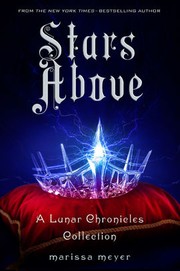
Stars Above: A Lunar Chronicles Collection
Nine Lunar Chronicles stories fill in the histories of Cinder, Wolf, Thorne, Cress, Winter, and Jacin, and end with a wedding after the war.
2,230-word summary · 10 min read

Lore
Lore Perseous, the last of a hunted bloodline, is pulled back into the Agon when a wounded Athena offers her revenge against the god who killed her family.
2,188-word summary · 10 min read
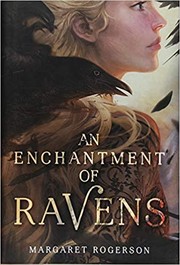
An Enchantment of Ravens
Isobel, a mortal artist in the fairy town of Whimsy, paints a portrait of the autumn prince and falls in love with him, breaking the laws of her craft.
2,087-word summary · 9 min read
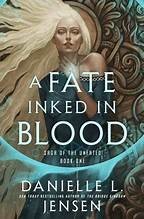
A Fate Inked in Blood
In Norse-inspired Skaland, a fish gutter hiding a goddess's blood is claimed by a jarl, bound by oath, and guarded by the son she cannot want.
1,971-word summary · 9 min read


Dreamfever
With the walls between worlds down and Mac broken by the Fae, Dreamfever is the darkest volume of the Fever series, and the one that changes everything.
2,007-word summary · 9 min read
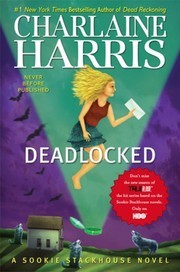
Deadlocked
A dead woman on Eric's lawn starts a murder investigation, a vampire queen wants Eric as her consort, and the fairies in Sookie's life close in.
2,885-word summary · 13 min read
A Deal with the Elf King
A village herbalist is exposed as the hidden Human Queen, married to a cold elf king, and given three months to save his dying kingdom or be bound to it…
2,094-word summary · 9 min read

These Hollow Vows
Brie trades with the Unseelie to save her sister and steals for a prince.
2,384-word summary · 11 min read

The Iron Queen
Meghan faces the Iron King past while Ash pays a winter price.
2,548-word summary · 11 min read

Shadowfever
Mac Lane hunts the Sinsar Dubh in Dublin as Fae walls fail and Barrons secrets surface.
3,016-word summary · 13 min read
Half-Blood
Half-blood Alex trains at the Covenant while gods stir and rules close in.
2,601-word summary · 12 min read
Fated Throne
Twins face the throne trial as heirs close in and stars shift.
2,349-word summary · 10 min read

Electric Idol
Psyche wears a camera deal to dodge Aphrodite and falls for Eros.
2,332-word summary · 10 min read

Bloodfever
Mac hunts the Sinsar Dubh in Dublin while Barrons tests her.
2,124-word summary · 9 min read

Cursed Fates
Twin heirs Tory and Darcy Vega face Lionel Acrux, brutal trials and tangled mate bonds in this fifth Zodiac Academy book, a 749-page bridge to open war and…
2,750-word summary · 12 min read

Ariadne
A Cretan princess helps Theseus kill the Minotaur, is abandoned on Naxos, and rebuilds her life while her sister faces tragedy in Athens.
2,350-word summary · 10 min read

Shadow Princess
Tory and Darcy learn they are Phoenixes with shadows inside them and face Lionel, the Heirs and a rescue that goes wrong.
2,837-word summary · 13 min read