
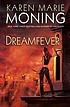
Dreamfever
2,007-word summary 9 min read 388 pages in the book
- First published
- 2009
- Publisher
- Delacorte Press
- Pages
- 388
- ISBN
- 9780385341653
- Series
- Fever (#4)
Reading options
What's inside (9 sections)
Dreamfever is the fourth Fever novel and the one that collects the bill for everything the series has been building. Faefever ended with the walls between the human world and the Fae prison coming down and MacKayla Lane captured on Halloween night. Dreamfever opens with her still in the hands of the enemy, and the first thing the book has to do is decide whether it can get her back at all.
It is a brutal opening and a brutal book. I want to say that plainly, because the series earns its reputation here in ways that are not for every reader. There is on-page sexual violence, and there is a recovery arc that dominates the first third of the novel. Moning writes it with sincerity rather than exploitation, but the material is heavy, and anyone picking this up should know that going in.
Picking up the pieces
The novel begins with Mac naked on the cold floor of a church, fully under the Lord Master's spell. The state is called Pri-ya, a Fae condition in which need replaces thought. She has been reduced to appetite and instinct, her memory stripped away, and the prose puts the reader inside that brokenness. The Unseelie Princes attacked her the night the walls fell, and one mysterious presence she could not identify was there as well. The series dangles that fourth figure for books, and Dreamfever does not resolve it.
The early chapters belong to two rescuers. Dani O'Malley, the teenage sidhe-seer with superhuman speed, tries to reach Mac and discovers the scale of the trap. Then Jericho Barrons arrives at the abbey with eight men like himself, and this is the first real glimpse the series gives of what he actually is. They move wrong, they ooze menace, and they can track Dani even at her speed. Barrons overpowers the sidhe-seers, says what he thinks of Rowena's leadership, and takes Mac out of the cell where she has been kept. An Unseelie Prince dies in the process, and another flees at the sight of Barrons, which tells the reader something the Fae have known all along. Even the monsters are afraid of him.
The long recovery
What follows is the most unusual stretch of the series. Barrons hides Mac in a warded room beneath his store and spends weeks putting her back together. His methods are extreme and troubling, from sex to music to photographs and stories, and the book never pretends he is gentle about it. He is the only tool that fits the job, so he uses himself. The slow return of language, then memory, then grief, then rage, is written with real patience.
There is a famous scene where she is finally strong enough to resist him, and he uses his Voice on her to force her to fight back, because he needs her fury more than her obedience. The moment matters because it marks the end of the victim and the return of the woman who is going to spend the rest of the book making her own decisions. Mac comes back changed. She is angrier, warier, and less willing to be managed, and much of the book is the series acknowledging that the prior Mac, the Southern girl buying coffee in Dublin, is gone.
One of the better consequences of her ordeal is also one of the stranger gifts. The attack changed her Fae senses. She is now immune to V'lane's sexual glamour, and she can pass through wards that stopped her before, which makes her both more useful and less containable. When V'lane finally arrives to explain himself, claiming he was protecting Queen Aoibheal the night everything went wrong, Mac listens without forgiving him.
Dublin after the fall
The middle sections of the novel lay out the new normal, and the new normal is horror. Dublin is a dark zone full of empty belongings and bodies. Dani tells Mac that more than a third of the world's population has died since the walls fell, which is the moment the series stops being about a hunt for a magic book and becomes about a war.
Dublin itself becomes a character in these chapters. The city that the first book introduced as a cheerful tourist backdrop is now a ruin of abandoned rooms and stalled traffic, and Moning keeps the details small and personal: a shop with its lights still on, a scarf left on a railing, reminders that the disaster happened to ordinary people in the middle of ordinary days. It is a simple effect and an effective one, and it raises the emotional stakes of every hunt that follows. When the book talks about saving what is left, the reader has seen the cost up close.
Mac returns to the abbey and faces Rowena, who has been holding the sidhe-seer order together in her own way. Mac wins a narrow vote that lets her stay, and she retrieves her spear. The spear matters. Faefever established that she is a weapon pointed at the enemy, and Dreamfever spends a lot of energy deciding which direction the weapon gets to choose.
The book also deepens two supporting threads. Dani gets more page time and more of a voice, right at the edge of being too reckless to protect. And Barrons's mysteries get several new layers. Mac glimpses his memories, including a memory of him killing a Fae princess, which explains V'lane's fear, and another of him holding a dying child, which explains nothing and hurts anyway. The scene with Fiona, a character from the earlier books, ends with a knife and half an answer about what Mac means to him. The series has always understood that a withheld answer can be more seductive than a delivered one, and this is its high point for that trick.
Darroc, Alina, and the offer
The Lord Master walks back into the story and does what he does best. He visits Mac directly, protected by the book's politics and his own contempt, and delivers a set of claims that redefine the series. He was once Fae. Aoibheal made him mortal. He loved Alina, and he did not kill her. He gives Mac a photo album of her dead sister and demands that she join him within three days, and he threatens Dani with the Unseelie Princes if she refuses.
Moning is careful not to make any of this easy. Mac does not believe him, and she also cannot stop hearing him. The possibility that her sister's murderer is still at large, and that the monster she has hunted for four books is not the monster she thought, is exactly the kind of destabilizing question the series needed at this point. It also links the Alina mystery to the larger mythology, including Mac's real parents and the sidhe-seer power she inherited, and the novel drops the name Isla O'Connor through Nana O'Reilly, an old woman who remembers what the abbey has spent decades burying.
In the middle of this, the domestic scenes land harder than they should. V'lane lifts Mac over Georgia and shows her that the Seelie have restored Ashford, and she visits her adoptive parents alive and safe. The relief is temporary and the reader knows it, which is what makes the next turn work.
The Book and the stones
The hunt for the Sinsar Dubh escalates. Barrons reveals that he holds three stones connected to containing or tracking the Book, and the novel finally explains the Silvers, the network of mirrors that connects worlds and the Hall of All Days, the crossing point with countless paths. The exposition is dense, and it is the least elegant passage in the book, but the payoff is worth the lecture.
The best action sequence comes when Barrons and Mac ride a controlled Hunter above Dublin and find the Book being carried by a transformed Derek O'Bannion. The Book forces him to open it, and he burns to ash. Then it turns on Mac and pulls her into illusions, sorting through her mind for the images that will hold her, while Barrons is blocked from reaching her. She survives by refusing to be hooked, and when she wakes, Barrons is furious and shaken. It is the first time in the series that his composure cracks in front of her, and the book uses it to move their relationship past the arrangement it has been stuck in.
Georgia and the trap
The Lord Master's endgame involves Mac's family, because of course it does. He kidnaps her adoptive parents and lures her through a Silver to Ashford, and Mac walks into it knowing it is a trap, because her parents are worth the risk. Darroc forces her to reveal the stones and hurls her through the mirror, and the corrupted Silver network does the rest, throwing her into the Hall of All Days.
She finds Christian MacKeltar there, badly hurt and changed by Unseelie power, and the two of them try to navigate a place that was designed for the Fae and broken by a curse. The stones in her pouch convulse whenever she opens them, and the jumps fling her across dying worlds, splitting her and Christian apart. Christian's tattoos start moving after she feeds him Unseelie to save his life, which is a thread the later books pick up, and she meets a beast in one of the fallen worlds. A huge gray creature with horns and yellow eyes that protects her as often as it terrifies her, and that ties back to the thing under Barrons's garage in ways the book only hints at.
Ryodan arrives, and this is another new piece. He is one of the men who came with Barrons, and he fights the beast, and Mac helps kill it because she has decided that surviving means choosing a side in the moment. The beast dies and transforms into someone she knows, and the novel ends there, on a revelation that reframes the entire book. Shadowfever opens the next day, literally, and resolves it.
What works and what does not
The strengths of Dreamfever are its courage and its intensity. Moning takes her heroine to the bottom of the story and makes the recovery cost something. The Barrons material is the best it has been, the Dani subplot earns its place, and the mythology finally starts paying off the setup from three books of accumulating Hallows. The prose is fast, nasty, and confident, and the book moves in a way that makes the cliffhanger feel like momentum rather than a trick. Moning has also gotten better at the small stuff. A text message, a rumor, a bar of music: the surface of this world stays mundane enough that the horror keeps its contrast, and the quiet scenes are where the book stores its ammunition.
The weaknesses are the flip side of the same qualities. The sexual violence at the center is graphic and upsetting, and the series uses it as a defining trauma in a way that some readers will find gratuitous rather than necessary. The middle of the book can feel like a tour of threads, with the Book, the stones, the abbey, the family mystery, and the Silvers all competing for the same chapters, and the exposition about the mirror network is genuinely hard to follow on a first read. And the ending is a hard stop. There is no closure at all, which is either the point of the Fever series or its most frustrating habit, depending on your patience with serial fiction.
I finished Dreamfever angry in the way the book intends, and I picked up Shadowfever immediately, which is the most honest review of a fourth book I can give. If you are reading the Fever series, you are already committed, and this is the volume that justifies the commitment. If you are deciding whether the series is for you, know that this is where it gets darkest, and decide from there.
FAQ
Can Dreamfever be read on its own?
No. It is the fourth Fever novel and begins the moment Faefever ends. The plot depends on the events of the first three books, so it should be read in order.
Is Dreamfever darker than the earlier Fever books?
Yes. It deals explicitly with sexual violence and trauma, and Moning uses the aftermath as a central part of Mac's character arc. Readers should be aware before starting.
When was Dreamfever published?
Delacorte Press published it in 2009. The hardcover runs 388 pages with ISBN 9780385341653, and the story continues directly in Shadowfever.
Similar books
More from Fever first, then related titles.
Bloodfever
Mac hunts the Sinsar Dubh in Dublin while Barrons tests her.
2,124-word summary · 9 min read
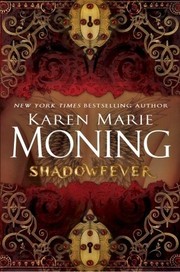
Shadowfever
Mac Lane hunts the Sinsar Dubh in Dublin as Fae walls fail and Barrons secrets surface.
3,016-word summary · 13 min read

Magic Burns
A magic flare hits Atlanta, and mercenary Kate Daniels must recover stolen maps, find a missing witch, and keep a teenage girl alive while Celtic gods try to…
2,021-word summary · 9 min read

Bitten
Elena Michaels is the world's only female werewolf, and keeping that world away from her human life in Toronto works fine until the Pack calls in a favor.
2,039-word summary · 9 min read
Silver Borne
Mercy hides a Fae book while Samuel slips and the fae close in.
2,571-word summary · 11 min read
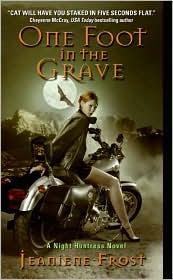
One Foot in the Grave
Cat hunts vampires with Bones while her Sire plots from the grave.
2,200-word summary · 10 min read

Cry Wolf
Omega Anna joins Charles to hunt a rogue werewolf in Montana.
2,463-word summary · 11 min read
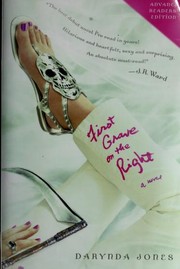
First Grave on the Right
Charley Davidson is a private investigator in Albuquerque and the grim reaper. When three murdered lawyers come back as ghosts, her two jobs collide.
2,770-word summary · 12 min read
The Lost Sisters
Taryn Duarte writes a letter to her twin, Jude, explaining how she fell for Locke and why she stayed silent while he used them both.
1,914-word summary · 9 min read
River Marked
Mercy and Adam's honeymoon on the Columbia River turns into a fight with an ancient river devil, and Mercy finally learns the truth about her father.
2,008-word summary · 9 min read
At Grave's End
Cat and Bones face Max, a zombie-raising ancient vampire, and a prophecy that ties their marriage to Patra's death in the third Night Huntress novel.
2,061-word summary · 9 min read

Masquerade
After Cordelia's death, Schuyler flies to Venice to find her exiled grandfather, then returns to the Blue Bloods as they prepare for a masked ball and a hidden…
2,543-word summary · 11 min read

Blood Bonds
Oleander is chained in a Resistance camp, and her five Bonds have to find her before Silas Davies finishes what he started in this third Bonds that Tie book.
2,018-word summary · 9 min read
Demonglass
Sophie Mercer spends the summer at the Council's English estate, where two new demons, a suspicious host, and Archer's return complicate her plan to remove her…
2,771-word summary · 12 min read
Born at Midnight
Kylie Galen is sent to a camp for troubled teens and discovers it is a haven for vampires, werewolves, and witches, and that she may be something stranger…
2,310-word summary · 10 min read
Paranormalcy
A teenage agent who can see through glamour falls for a shape-shifter and learns the agency she works for is hiding her true nature.
2,041-word summary · 9 min read

Lore
Lore Perseous, the last of a hunted bloodline, is pulled back into the Agon when a wounded Athena offers her revenge against the god who killed her family.
2,188-word summary · 10 min read
Cemetery Boys
A trans brujo in East Los Angeles summons the ghost of a boy who refuses to move on, and together they uncover a murder hidden beneath Día de los Muertos.
1,997-word summary · 9 min read
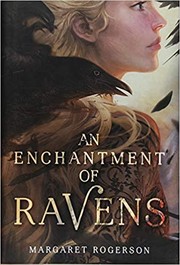
An Enchantment of Ravens
Isobel, a mortal artist in the fairy town of Whimsy, paints a portrait of the autumn prince and falls in love with him, breaking the laws of her craft.
2,087-word summary · 9 min read
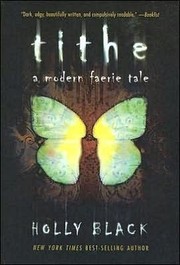
Tithe: A Modern Faerie Tale
A retelling of Holly Black's Tithe: Kaye Fierch returns to the Jersey Shore, discovers she is a changeling, and becomes the mortal sacrifice in a faerie power…
2,586-word summary · 11 min read
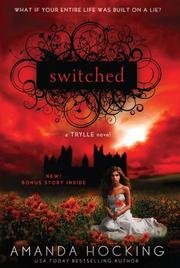
Switched
A Minnesota teenager who can make people obey her discovers she is a changeling troll princess, and the hidden kingdom she came from wants her back.
2,131-word summary · 9 min read
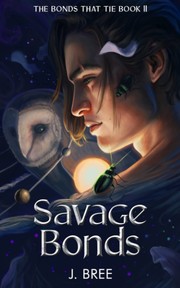
Savage Bonds
Oli's deadly gift is out in the open, her Bond runs the show, and the Resistance is closer than ever in the second Bonds that Tie novel.
2,431-word summary · 11 min read

Glass Houses
Claire Danvers moves off campus to escape a bully and lands in a house where the roommates know Morganville's real secret: the town belongs to vampires.
2,345-word summary · 10 min read
Cold Days
Back from the dead as the Winter Knight, Harry Dresden must follow Mab's order to kill an immortal and defend Demonreach on Halloween night.
2,361-word summary · 10 min read

The Indigo Spell
Sydney Sage hunts an aging witch, learns forbidden magic, and finally admits she loves Adrian, while the Alchemist tattoo on her cheek may be controlling her.
2,604-word summary · 12 min read
Deadlocked
A dead woman on Eric's lawn starts a murder investigation, a vampire queen wants Eric as her consort, and the fairies in Sookie's life close in.
2,885-word summary · 13 min read
A Deal with the Elf King
A village herbalist is exposed as the hidden Human Queen, married to a cold elf king, and given three months to save his dying kingdom or be bound to it…
2,094-word summary · 9 min read